
Review · JAPAN
Odawara: Odawara Castle and Town Guided Discovery Tour
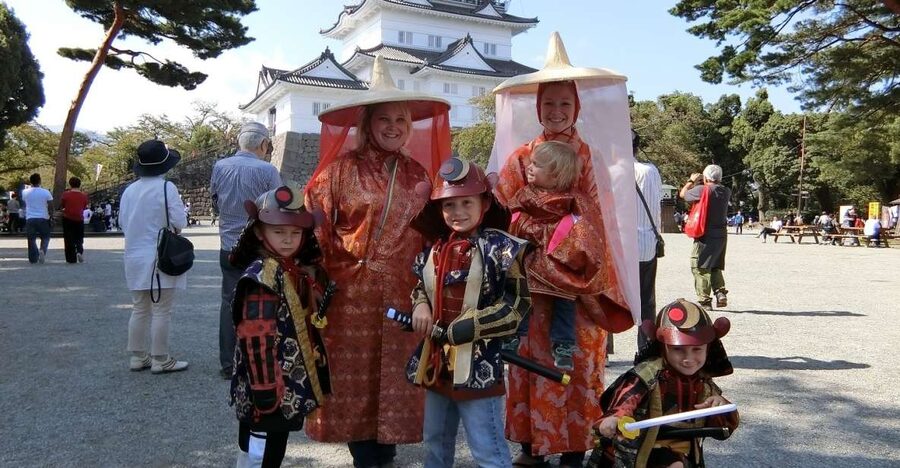
Odawara Castle is the star here, but the real treat is hearing its story from a local guide while you walk through the surrounding city. You’ll see samurai armor, helmets, and swords, then get a clearer picture of the Hojo clan and the castle’s role in Japan’s Sengoku Period.
I like the personal feel of the walk, especially with guides such as Jeff and Naoya, who explain the past while connecting it to Japan today. I also like that the price includes all three main admissions. The main drawback is time: three hours gives you a useful introduction, but not a slow, museum-by-museum visit.
Key Points
- A castle tour with real historical objects: See samurai armor, swords, and helmets in the Samurai Museum.
- Ninja stories with context: The Ninja Museum explains what ninja were, along with their tools and methods.
- A local guide from the station onward: The tour begins at Odawara Station Tourist Information Center and continues on foot.
- More than a castle visit: You’ll also see city streets, craft shops, local goods, and Hotokuninomiya Shrine.
- Good value for a short outing: The $116 price includes the guide and entry to the Samurai Museum, Ninja Museum, and castle keep.
- A convenient break from Tokyo: Odawara sits south of Tokyo, between the Pacific coast and the mountains of Hakone.
Why Odawara Makes a Good Short History Trip
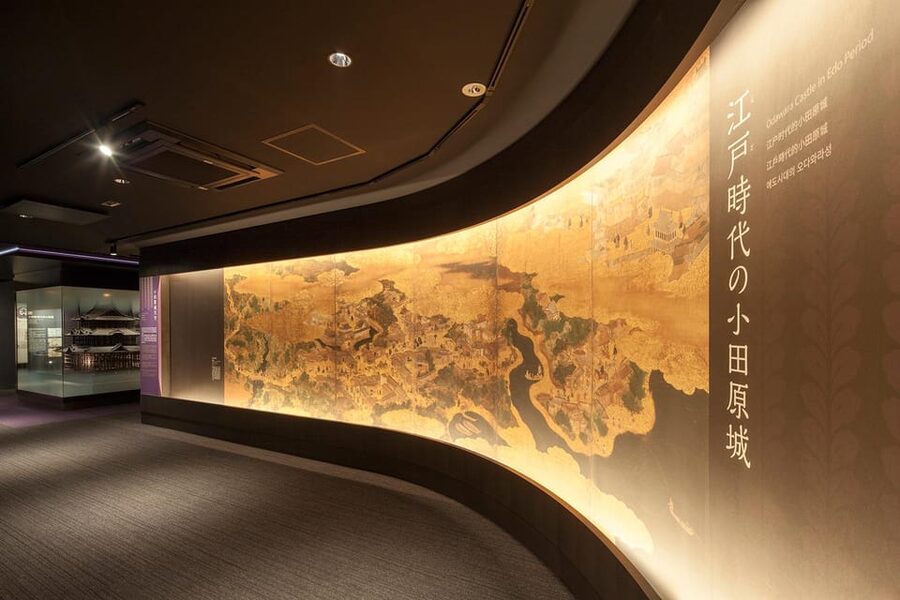
Odawara is a practical choice if you want Japanese history without committing to a full-day excursion. The city lies south of Tokyo, close to both the Pacific Ocean and Hakone. That location gives the tour a useful sense of place: Odawara was not an isolated castle town, but an important center between the coast, the mountains, and central Japan.
The tour begins inside Odawara Station at the entrance to the Tourist Information Center. Look for it next to the New Days convenience store. This is a sensible meeting point, and you avoid the common travel nuisance of trying to find a guide on a random street corner.
From there, you walk toward Odawara Castle Park. The schedule allows about 30 minutes for the walk, followed by roughly two and a half hours in and around the castle grounds. That balance works well. You get a brief look at modern Odawara before the castle takes over the story.
I would book this for a first visit to the city, especially if you have only a few hours between trains or want a focused stop before continuing toward Hakone. The guide gives the city shape. Without that context, you might see a castle, a shrine, and a few museums without understanding how they fit together.
More castles to explore around Japan:
- Osaka Castle: Museum and Tower Entry Ticket
★ 4.5 · 2,380 reviews - Tokyo Castle & Imperial PalaceーShogun Walking Tour
★ 4.7 · 1,068 reviews - Kyoto: Nijo-jo Castle and Ninomaru Palace Guided Tour
★ 4.7 · 1,020 reviews
Walking From Odawara Station Into the Old Castle Town
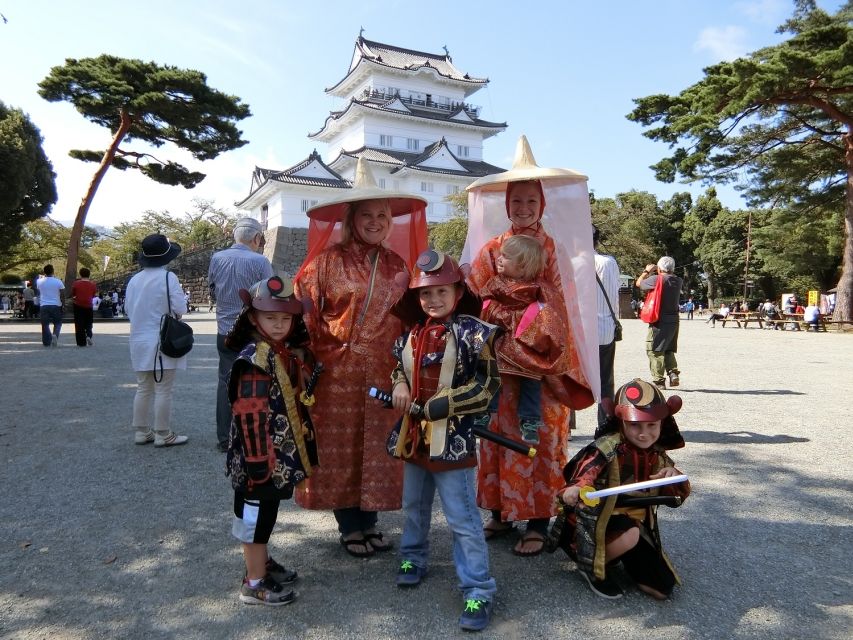
The walk from the station is part of the experience, not just a transfer. Your guide introduces Odawara as a city still linked to samurai-era traditions and local culture. You’ll pass places connected with local goods, craft shops, and food specialties.
The tour does not include food or drinks, so treat the shop stops as suggestions rather than a tasting session. If something catches your eye, you’ll need to buy it separately. That is a small but important point for anyone expecting a food tour.
The local focus is one of the strongest reasons to choose this experience instead of visiting the castle alone. An English-speaking guide can point out connections between the castle, the city, and present-day Japan. Jeff, who led several of the reported tours, is described as friendly and generous with his time. Naoya is also named as a guide who explained the site clearly and helped make the visit personal.
The wording of the tour information suggests a personalized walk rather than a large coach outing. Still, the exact group size is not provided, so you should not book expecting a guaranteed private tour. What is clear is that the experience is guided in English and built around conversation.
Odawara Castle Park and Its Sengoku Setting
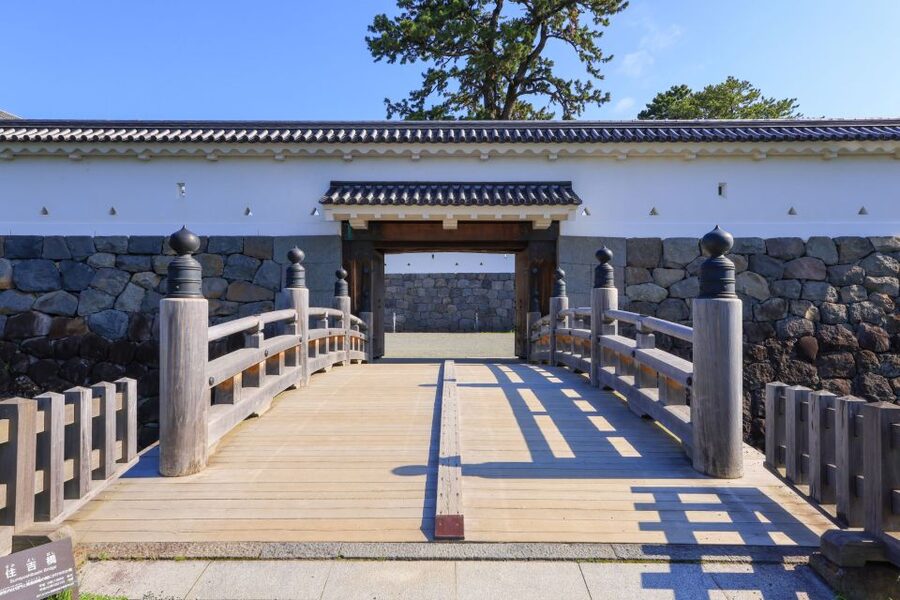
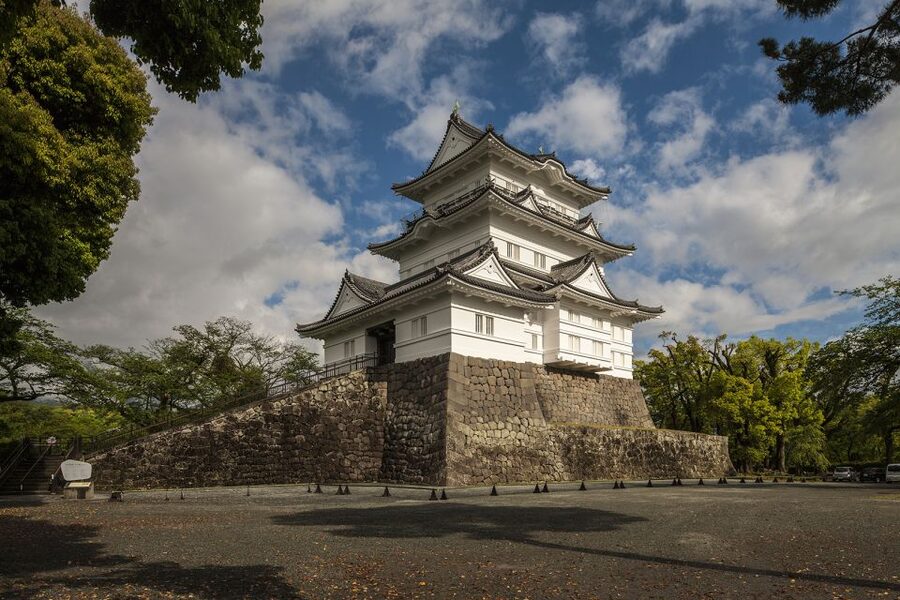
Odawara Castle Park gives you the broad setting before you enter the museums. The grounds retain forms and architectural details that help explain how Japanese castles were built and defended. Your guide discusses the layout, the buildings, and the conflicts tied to this site.
The Hojo clan is central to the story. During the Sengoku Period, Odawara was connected with a powerful family that ruled a large part of central Japan. This was an age of shifting alliances, military campaigns, and fortified towns. The castle was not simply a handsome building. It was a working center of power.
That context matters because the rebuilt or preserved appearance of a castle can otherwise feel a little theatrical. Here, the guide helps you separate architecture, military purpose, family history, and later preservation. You get a better sense of why the site mattered, not just what it looks like today.
Odawara Castle Park can also be especially pleasant during seasonal blossoms. The tour information highlights the atmosphere of the grounds during blossom season, but the timing of flowers depends on nature, of course. Do not book on the assumption that blossoms will be at their best on your exact date.
The park portion involves walking outdoors, and the experience is conducted on foot. Wear shoes that can handle a few hours of walking. The schedule is compact, so you should also keep the pace in mind if you prefer long pauses for photography.
The Ninja Museum: Separating Fact From Legend
The Ninja Museum adds a different tone to the visit. Ninja stories are popular, but the museum is intended to explain what ninja really were, including the tools they used and the techniques they mastered.
That makes this stop useful for families and for anyone whose idea of ninja comes mainly from films or television. You get a short look at the people behind the legend, rather than only a parade of dramatic images. The museum is included in the admission price, so you do not need to decide on an extra ticket during the tour.
The ninja section also works well beside the castle story. A castle was protected by walls, gates, warriors, and information. Ninja traditions bring attention to stealth, tools, and specialized methods. Your guide can connect those ideas to the wider world of feudal Japan and to the Hojo period.
Do not expect a large, stand-alone ninja attraction. The information supplied describes a stop at the Ninja Museum, with an introduction to its displays and methods. The strength here is the guided explanation and how it fits into the larger castle visit.
Same stronghold, another way through the gate:
- Ultimate Osaka Walking Tour: Castle, Dotonbori & Hidden Gems
★ 5.0 · 862 reviews - Tokyo Castle & Imperial PalaceーShogun Walking Tour
★ 5.0 · 724 reviews - Kyoto: Nijo Castle, Kiyomizu & Fushimi Inari Guided Tour
★ 4.7 · 700 reviews - Osaka Castle Walking Tour and Castle Tower Admission
★ 5.0 · 561 reviews
Samurai Armor, Helmets, and Swords
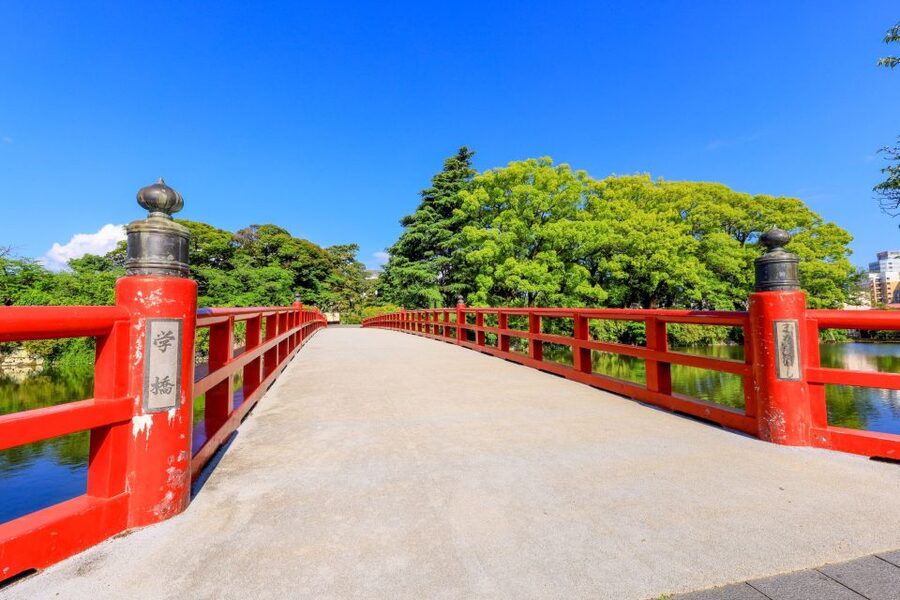
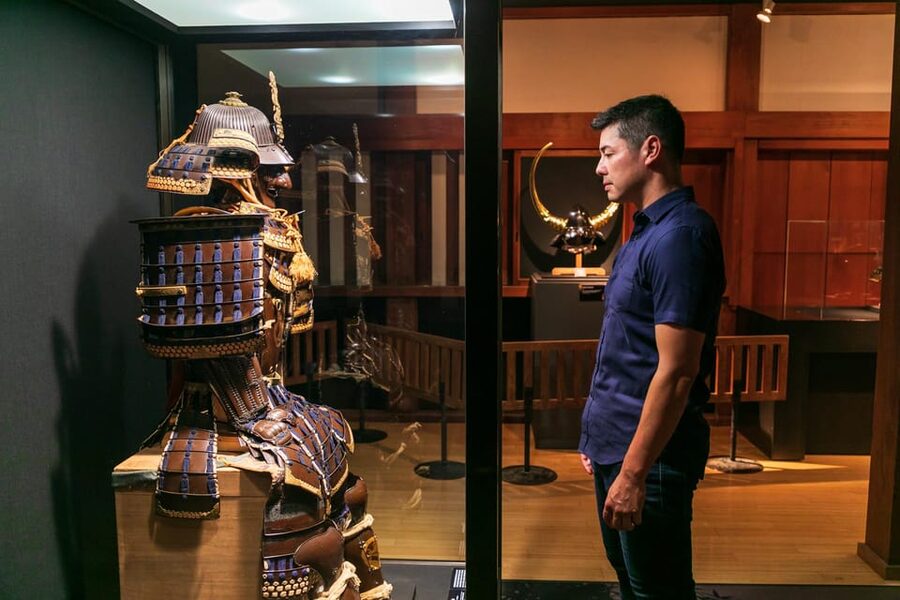
The Samurai Museum displays genuine armor and swords within the castle grounds. For me, this is one of the best reasons to choose a guided visit. It is one thing to read about samurai. It is another to see the construction, decoration, and practical design of the equipment itself.
The collection gives you a look at craftsmanship and artistry from the past. Armor was protective, but it also carried visual signals about rank, identity, and style. A guide can help you look beyond the familiar image of a helmet and ask how each item functioned.
The word genuine is important in the tour description, but you should still expect a museum display, not a hands-on activity. The tour does not say that you can touch or handle the armor and swords. You will see them as part of the collection and hear the historical explanation.
Admission to the Samurai Museum is included. This adds value to the $116 price because you are not paying the guide fee and then adding separate tickets for each major stop. The value is strongest if you would visit all three included attractions anyway.
Inside the Odawara Castle Main Keep
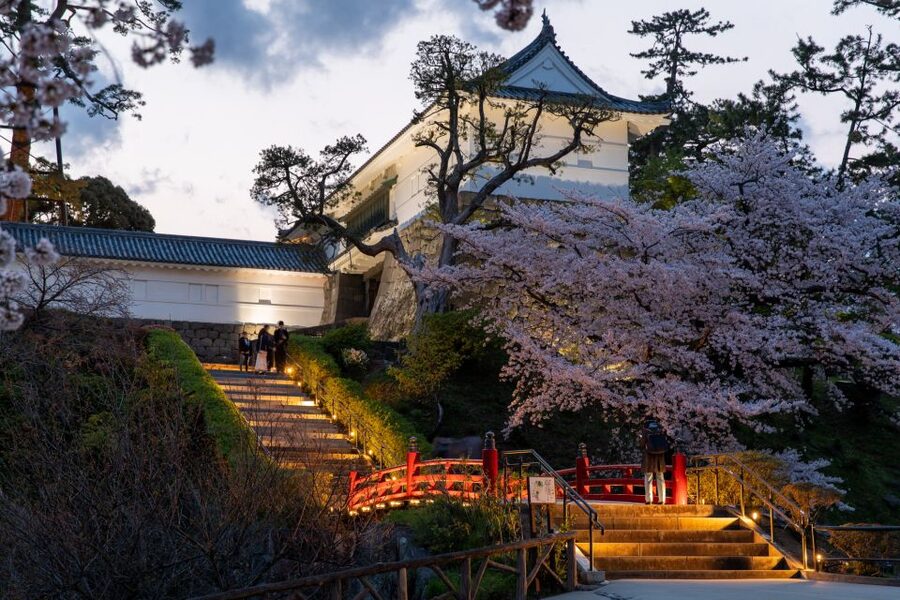
The main keep is where the story comes together. Your guide walks you through the castle area and explains its architecture, conflicts, and connection to important figures in Japanese history. Inside, the museum offers more detailed information about Odawara and the region.
Odawara Castle was connected with major conflicts and visited by prominent historical figures. That gives your guide plenty to work with, especially if you ask questions about the Hojo clan, the Sengoku Period, or the way castles operated.
The skip-the-ticket-line feature is useful on a short tour. Three hours goes quickly, and spending part of it waiting to buy entry would be poor use of your time. The ticket benefit does not mean you will have the keep to yourself, but it should make the scheduled visit more efficient.
I would not expect every display to receive a long explanation. The tour covers the park, museums, main keep, shrine, and city walk in a limited window. If you are a serious castle enthusiast, you may want to return independently for a slower look.
Hotokuninomiya Shrine and a Link to Modern Japan
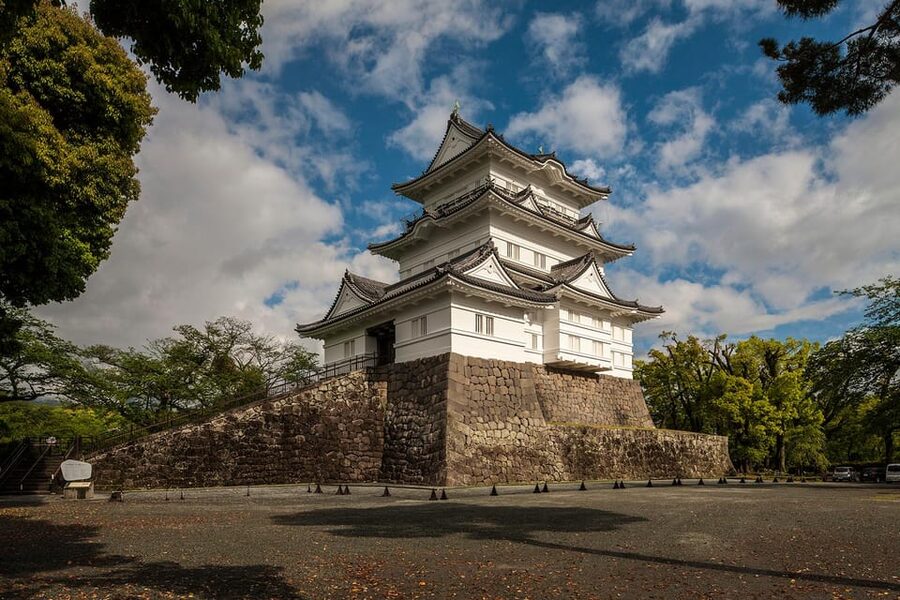
Hotokuninomiya Shrine offers a change of pace from warfare and castle defenses. The shrine honors one of Japan’s best-known scholars and government officials. His statue can be found at nearly every elementary school in Japan, making this a useful connection between the historic site and everyday national culture.
This stop is valuable because it widens the tour beyond samurai battles. You learn that the castle grounds also hold religious and civic memories. The guide explains the shrine and the person it honors, giving you another way to understand how Japanese history is remembered.
It is a short stop, but do not dismiss it as filler. A good city tour needs these quieter details. They help show how a place changes over time and how older figures remain present in modern life.
Is $116 a Fair Price for Three Hours?
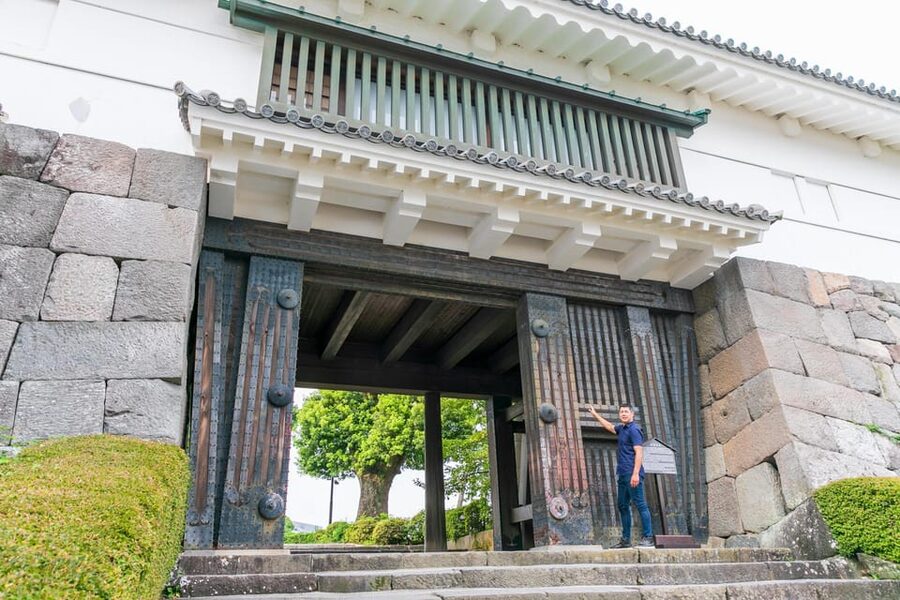
At $116 per person, this is not a bargain-priced walk. The cost makes more sense if you value a live English-speaking guide and plan to enter the Samurai Museum, Ninja Museum, and Odawara Castle Main Keep.
All three entry tickets are included, as is the guide. Food and drinks are not included, and the local shop visits are introductions rather than included tastings. The price is therefore paying mainly for interpretation, organization, and admissions, not a meal or a long list of extras.
I see the best value for visitors who want historical context but do not want to research the castle on their own. A self-guided visit may cost less, but you will need to work out the connections between the Hojo clan, ninja traditions, samurai equipment, castle architecture, and the shrine yourself.
The tour has received a top rating across four published bookings, with particular praise for Jeff and his colleague, the friendly tone, and the clear explanations. One participant also appreciated lunch suggestions. That does not guarantee that you will get the same guide or experience, but it points to the tour’s main strength: personal conversation rather than a stiff script.
Who Will Get the Most From This Walk?
I would recommend this experience to:
- First-time visitors to Odawara
- People with a strong interest in Japanese castles or samurai
- Families who want an accessible introduction to ninja history
- Visitors staying in Tokyo who want a short historical outing
- Anyone continuing toward Hakone and looking for a focused stop
- Travelers who prefer asking questions to reading signs alone
You may want a different plan if you want a full food experience, a long shopping session, or several hours of quiet photography. The tour introduces local shops and goods, but it does not include food or drinks.
It also may feel too quick for museum enthusiasts who read every panel. The 2.5-hour castle-park portion covers a lot of ground. That is useful for orientation, but it limits how long you can linger at each display.
Practical Details Before You Book
Allow three hours from the meeting point at Odawara Station Tourist Information Center and expect to walk throughout the experience. The guide language is English, and the advertised service is a live tour rather than an audio guide.
The booking terms are flexible. You can cancel up to 24 hours before the activity for a full refund, and you can reserve now and pay later. Starting times vary, so check availability for your date before building the rest of your day around the tour.
Plan your own food afterward or before the tour. The guide may introduce local specialties and offer useful lunch ideas, but any delicacies purchased at shops are your responsibility.
Should You Book the Odawara Castle Tour?
Book it if you want a focused, friendly introduction to Odawara with the main admissions handled for you. The combination of castle architecture, Hojo clan stories, samurai equipment, ninja culture, and Hotokuninomiya Shrine gives you more than a quick photo stop.
The tour is especially worthwhile when Jeff, Naoya, or another strong local guide can answer your questions and connect old Japan with the country you see today. Just keep your expectations realistic: this is a compact three-hour walk, not a full-day study of every castle display.
If $116 fits your budget and you prefer guided context to exploring alone, I would choose it. If you mainly want to wander at your own pace or sample local food, visit the castle independently and save the guided fee for another experience.
FAQ
Where does the tour begin?
The tour begins at the entrance to the Odawara Station Tourist Information Center inside Odawara Station. The center is next to the New Days convenience store.
Where does the tour finish?
The tour returns to the Odawara Station Tourist Information Center.
How long does the experience last?
The tour lasts three hours. The schedule includes about 30 minutes of walking and roughly two and a half hours at Odawara Castle Park.
What language is the tour conducted in?
The live tour guide speaks English.
Is Odawara Castle admission included?
Yes. Entry to the Odawara Castle Main Keep is included.
Are the Samurai Museum and Ninja Museum included?
Yes. Entry tickets to both museums are included in the price.
Are food and drinks included?
No. Food and drinks are not included.
Will the tour visit local shops?
Yes. Some local shops and local goods may be introduced during the city walk, but any delicacies sold there must be purchased separately.
Can I cancel the booking for a full refund?
Yes. You can cancel up to 24 hours in advance for a full refund.
Can I reserve the tour and pay later?
Yes. The reserve-now, pay-later option lets you book without paying at the time of reservation.
New castle tours around Japan
- Peace Memorial Park, Hiroshima Castle, & Garden Private Tour★ 4.8 · 7 reviews
- From Osaka: Himeji Castle, Arima Onsen & Mt. Rokko Day Tour★ 4.6 · 339 reviews
- Osaka/kyoto: Himeji Castle, Kobe. Luxury Day Trip with Guide★ 5.0 · 2 reviews
- Osaka: Osaka Castle 3 hours Historical Walking Tour★ 4.6 · 14 reviews
- Osaka: Osaka Castle Guided Tour with Local Guide★ 4.7 · 78 reviews
- Osaka: Osaka Castle – Tsuruhashi – Tennoji (Spanish Guide)★ 4.7 · 10 reviews
- Osaka: Castle, Tea Ceremony, Calligraphy, and Samurai Armor!★ 5.0 · 4 reviews
- Osaka: Early Morning Osaka Castle Guided Tour, Avoid Crowds★ 4.9 · 12 reviews
Japan Castle Tours, compared.
Tokyo Castle & Imperial PalaceーShogun Walking Tour
Read our review →
Kyoto: Nijo-jo Castle and Ninomaru Palace Guided Tour
Read our review →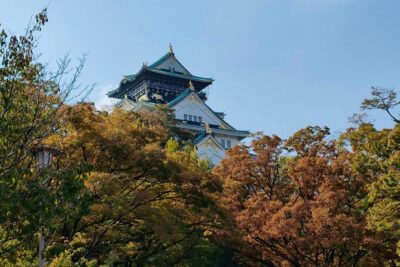
Ultimate Osaka Walking Tour: Castle, Dotonbori & Hidden Gems
Read our review →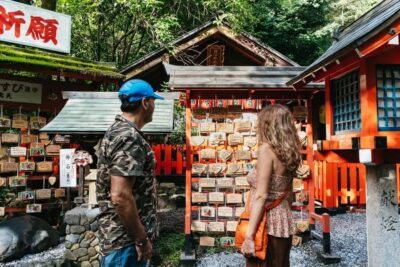
Kyoto: Nijo Castle, Kiyomizu & Fushimi Inari Guided Tour
Read our review →
Osaka Castle Walking Tour and Castle Tower Admission
Read our review →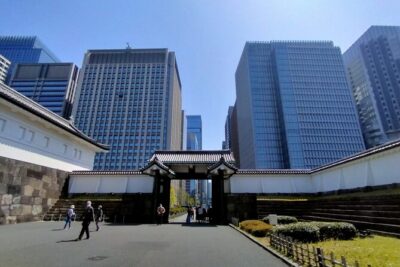
Imperial Palace East Garden and Edo Castle Walking Tour in Tokyo
Read our review →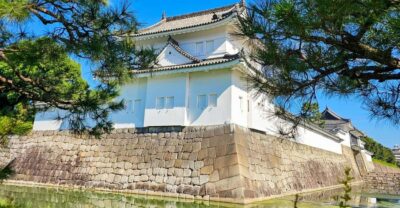
Kyoto: Imperial Palace & Nijo Castle Guided Walking Tour
Read our review →Browse the lists this tour appears in