Review · KYOTO
Kyoto: Imperial Palace & Nijo Castle Guided Walking Tour
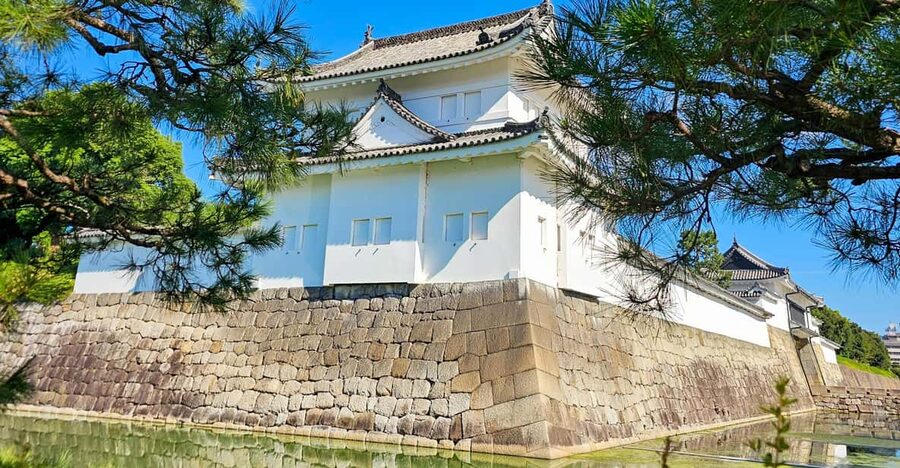
Kyoto’s old power structure becomes clear on this compact walk: Nijo Castle belonged to the shogun, while the Kyoto Imperial Palace represented the emperor. Seeing both in one morning or afternoon gives you a useful side-by-side lesson in how Japan was governed, not just two handsome sightseeing stops.
I like the small group, limited to nine people, and the way the tour makes a short visit count. I also like the guides’ focus on meaning: Jasmine, Raphael, Vincent, Taku, and others explain symbols, architecture, customs, and historical context that are easy to miss on your own. The main drawback is that the palace visit is outdoors, and the route involves a fair amount of walking in sun, heat, or changing weather.
Key points to know before booking
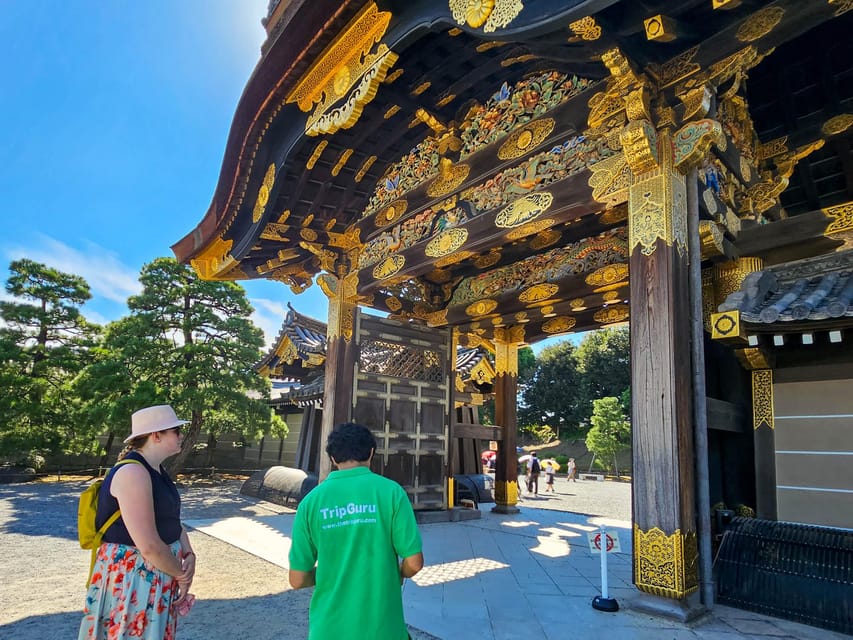
- Two sides of old Kyoto: Compare the shogun’s Nijo Castle with the emperor’s former residence at Kyoto Imperial Palace.
- Ninomaru-goten is the main castle interior: The visit includes the palace, painting gallery, and garden, but not every area of the castle complex.
- Small groups help: With no more than nine participants, it is easier to hear the guide and ask questions.
- Three hours is a useful length: You get enough time for both sites without giving up an entire day.
- Start at Nijojo-mae Station: Meet outside Exit 1 at least 10 minutes early, wearing comfortable shoes.
- Expect strong storytelling: Guides including Jasmine, Raphael, Vincent, Taku, and Kosuke are praised for clear explanations and cultural insight.
Why these two sites work so well together
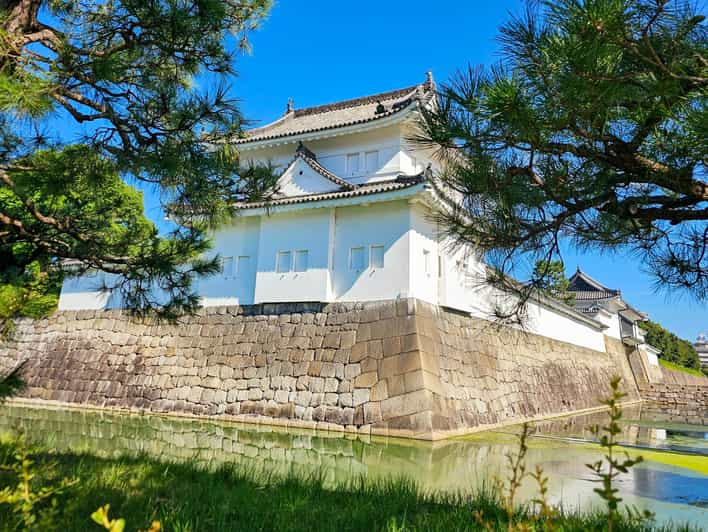
Many Kyoto sightseeing stops are beautiful but difficult to place in the larger story. Nijo Castle and Kyoto Imperial Palace solve that problem. One shows the public and private world of the military ruler, while the other recalls the court and imperial household that shaped Kyoto for more than a thousand years.
The contrast also keeps the tour from feeling repetitive. At Nijo Castle, you look closely at defensive design, formal rooms, gardens, and the authority of the shogun. At the palace, the mood is more open and ceremonial, with broad grounds, traditional buildings, and space that once served the imperial family.
I find this pairing especially useful early in a Kyoto visit. Once you understand the difference between shogun and emperor, later sights become easier to place. A guide can also explain how architecture carried messages about rank, access, and power.
The tour costs $49 per person. That is a fair price if you want historical explanation rather than simply walking through both places with a map. Entrance to Nijo Castle’s Ninomaru-goten Palace and Painting Gallery is included, and the guide handles the visit as a connected experience. You are paying for the admissions, the route between the sites, and three hours of explanation.
The value is less compelling if you prefer moving quickly or reading signs on your own. The tour gives you structure, but it also asks you to follow the group’s pace. For most first-time visitors with limited time, that trade feels worthwhile.
More Castle Walking Tours in Japan
- Tokyo Castle & Imperial PalaceーShogun Walking Tour
★ 4.7 · 1,068 reviews - Ultimate Osaka Walking Tour: Castle, Dotonbori & Hidden Gems
★ 5.0 · 862 reviews - Tokyo Castle & Imperial PalaceーShogun Walking Tour
★ 5.0 · 724 reviews
Starting at Nijojo-mae Station
Your meeting point is outside Exit 1 at Nijojo-mae Station. Look for a guide wearing a TripGuru shirt or holding a TripGuru sign. Arrive at least 10 minutes early. The guide waits only a maximum of 10 minutes before moving on, and morning traffic can make even a short trip take longer than a navigation app suggests.
The station meeting point is practical because Nijo Castle is the first major stop. You do not waste time collecting people from hotels, and the group can begin close to the entrance. Hotel pickup and drop-off are not included, so plan your route to the station before the day begins.
There are several start times, which helps if your day already includes Nishiki Market, Arashiyama, Fushimi Inari, or an evening meal reservation. Same-day booking may be available, but I would still reserve ahead when possible, especially if you need a particular language or departure time.
The tour is offered in English, French, and Spanish. The English guides described in the experience include Jasmine, Raphael, Vincent, Taku, Cecilia, Alex, Naoki, and Kosuke. Names alone do not guarantee a particular guide, but the repeated praise for clear speech, patience, and historical explanation points to a strong guiding style across the operation.
Nijo Castle and the shogun’s carefully staged power
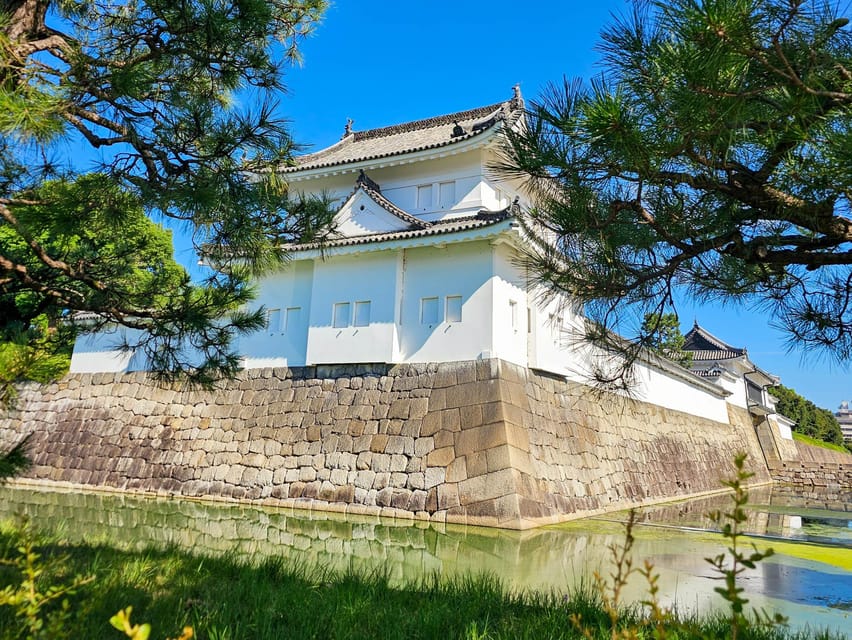
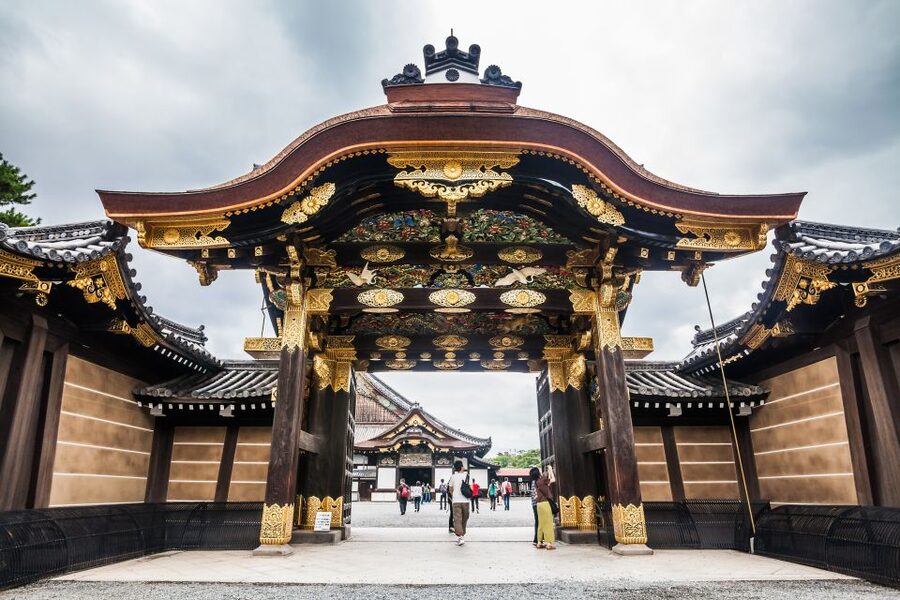
Nijo Castle receives about the first hour. The focus is on Ninomaru-goten Palace and its garden, with admission also covering the Painting Gallery. This is important to understand before booking: you are not getting a full tour of every building or corner of the castle grounds.
Ninomaru-goten is the heart of the visit. Here, the architecture and interiors help explain how the shogun used space to control meetings and display rank. Your guide can point out details that may seem decorative at first glance, then connect them to the castle’s political purpose.
The castle’s gardens offer a different kind of lesson. Paths, views, stones, and planted areas were arranged to shape how people moved and what they saw. A guide such as Taku or Jasmine can help you notice those choices instead of treating the garden as background scenery.
The Painting Gallery adds another layer to the visit. It is not simply a room full of old artwork. The paintings help show how a ruling household used images, scale, and formal rooms to create a sense of ceremony.
This is where a guided visit earns its keep. You may see the polished floors, wall paintings, and garden paths on your own, but you may not understand why the rooms feel so carefully ordered. Guides such as Raphael and Vincent are praised for explaining historical details while keeping the pace comfortable.
The castle can be one of the tour’s most satisfying sections because it has a strong interior focus. You move from grand rooms to carefully designed outdoor areas, with a clear connection between architecture and authority.
There are still practical limits. You will be walking, often on hard surfaces, and the group must keep moving to complete both sites. If you want long, quiet pauses for photography, a self-guided visit may give you more freedom.
The move to Kyoto Imperial Palace
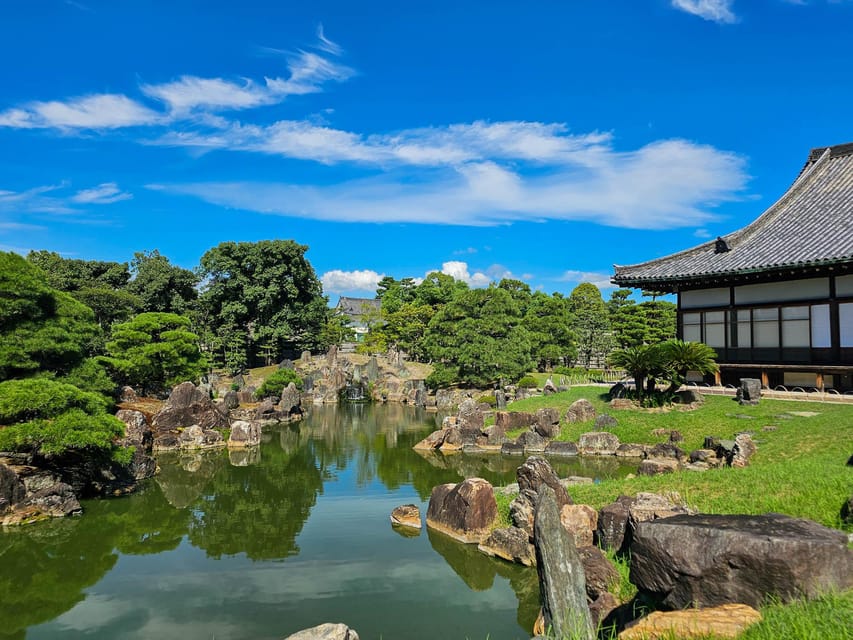
After Nijo Castle, the tour continues toward Kyoto Imperial Palace and finishes near Imadegawa Station. The supplied details do not specify every transport step, so you should follow the guide’s directions and allow the group to stay together during the transfer.
This transition is part of the tour’s appeal. You are not just visiting two unrelated attractions. You are moving from the military center of power to the former imperial residence, which gives the afternoon a logical shape.
One useful point from the tour’s practical guidance is that the palace grounds call for modest, respectful clothing. Avoid shorts or tank tops, and choose comfortable but suitable clothes. You will also want water, a hat, and shoes that can handle several hours on foot. A June visit can be very hot, and the open palace grounds provide less shelter than the castle interiors.
More Guided Castle Tours in Japan
- Kyoto: Nijo-jo Castle and Ninomaru Palace Guided Tour
★ 4.7 · 1,020 reviews - Kyoto: Nijo Castle, Kiyomizu & Fushimi Inari Guided Tour
★ 4.7 · 700 reviews - Osaka Castle Guided Tour
★ 4.7 · 249 reviews - Kyoto: Nijo Castle World Heritage Guided Tour with Admission
★ 5.0 · 128 reviews
Kyoto Imperial Palace and the imperial court
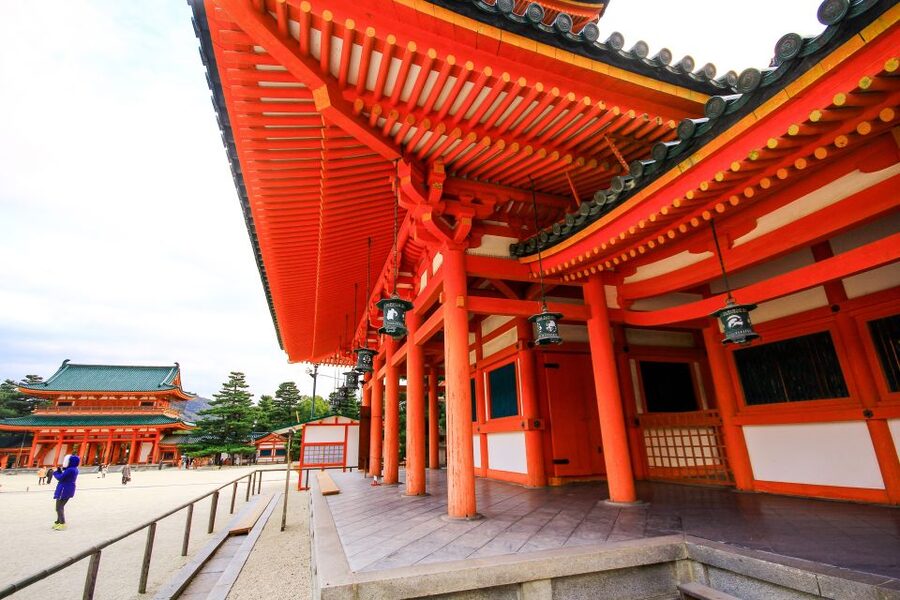
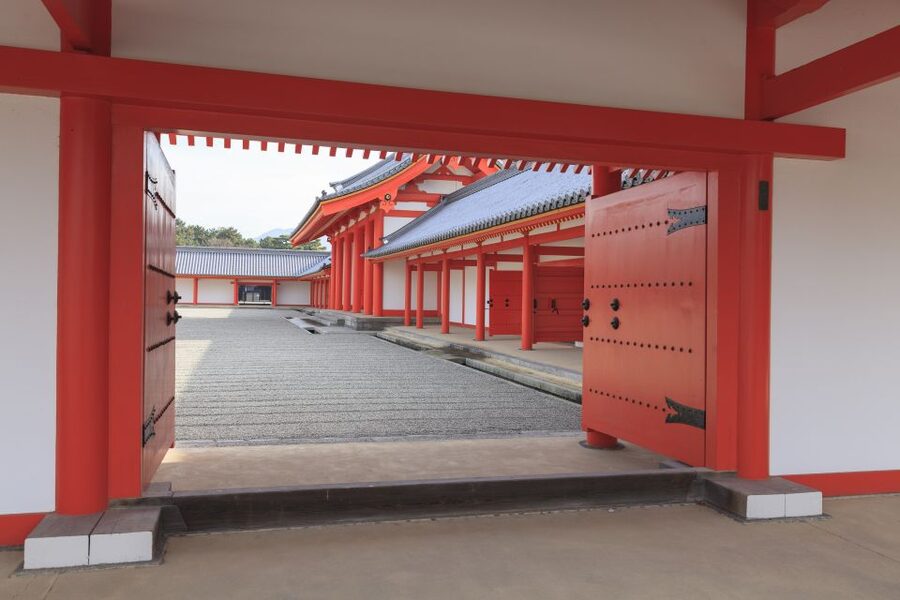
The Imperial Palace section lasts about an hour. Your guide takes you around the impressive structure, gardens, and grounds while explaining its role as the residence of Japan’s imperial family.
The palace feels different from Nijo Castle. Nijo Castle is compact, controlled, and closely tied to the shogun’s working world. The Imperial Palace gives you a broader view of court life and ceremony. Its scale and open spaces help explain why Kyoto served as Japan’s capital and imperial center for so long.
You should adjust your expectations here. The experience focuses on the palace grounds and exterior views. The supplied information does not promise entry into every interior room, and one direct assessment found the palace less rewarding than Nijo Castle for that reason.
That does not make the stop pointless. The palace provides the essential counterpart to Nijo Castle, and the setting helps explain the emperor’s place in Japanese history. A guide can also connect the buildings to modern Japanese culture, religion, court traditions, and the shift of political power over time.
The best guides do not simply recite dates. They answer questions and relate the sites to daily life and customs. Alex is noted for connecting historical events with Japan today, while Jasmine is praised for explaining symbols and cultural background in clear language. Kosuke also gives personal recommendations after the tour, which can help you plan the rest of your Kyoto stay.
The palace may appeal less if you want dramatic interiors or a highly concentrated collection of objects. It is more about space, setting, and historical meaning. I would treat it as a context-building stop rather than the visual climax of the tour.
What the three-hour pace feels like
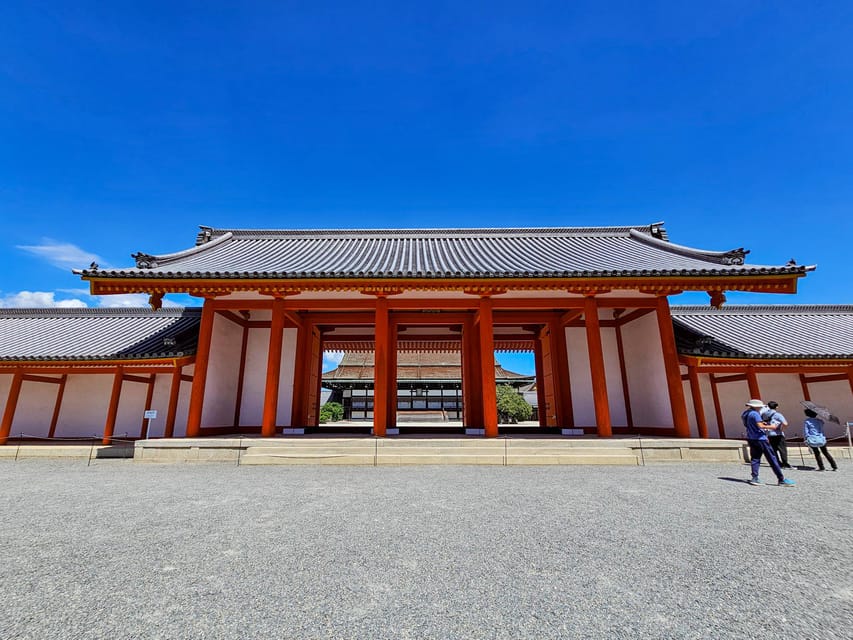
The advertised duration is three hours, with about an hour at each major site and time for walking between them. That is enough to cover both attractions without turning the day into a marathon, but it is not a leisurely private photography tour.
A good guide makes the difference. Cecilia is praised for covering plenty of ground while providing historical context. Vincent is credited with managing time well and mixing history with cultural references. Those are useful skills on a route where two large sites must fit into one compact outing.
The group size also matters. With up to nine people, the guide can usually keep the group together without the heavy crowd-management feel of a large coach tour. You can ask about a detail, request clarification, or raise a question about Japanese history without shouting across a crowd.
Some departures may feel nearly private if only a few people book. That can make the experience more flexible, though you should not assume every departure will have just two or three participants.
Bring a camera and cash, as advised. Meals and drinks are not included, so eat beforehand or plan a snack after the walk. There is no hotel transfer, and personal expenses remain your responsibility.
Guides who add value beyond the buildings
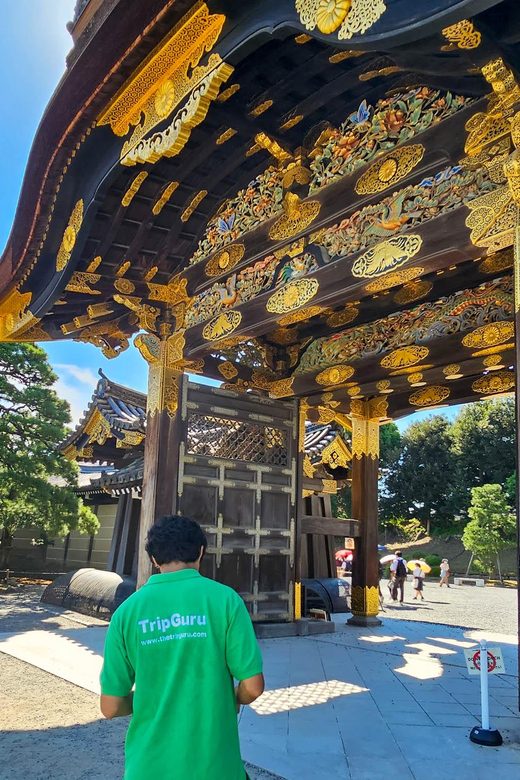
The strongest part of this experience is the guiding. Several guides are praised for more than factual accuracy. They explain difficult subjects clearly, answer questions patiently, and make room for cultural details.
Jasmine is noted for clear explanations, humor, attention to detail, and a talent for answering questions from the whole group. Raphael is praised for fluent English, historical depth, and a friendly way of presenting the material. Vincent is described as careful with timing and able to move between political history and everyday culture.
Taku brings local knowledge from Uji, outside Kyoto, and is praised for patience and respect for both sites. Alex connects the past with present-day Japan, while Kosuke offers additional recommendations after the tour. Other guides, including Naoki, Cecilia, Kenta, Yuko, and Katsuhiko, are described as polite, attentive, and well prepared.
You should not book this tour expecting a scripted lecture that sounds identical every time. The experience depends partly on the guide assigned to your departure. The consistent strengths are clear English, historical background, and willingness to answer questions, but personalities and emphasis will vary.
That variation can work in your favor. One guide may focus more on architecture, another on politics, another on customs and religion. If you enjoy asking questions, this tour gives you a useful opening.
Who should book this Kyoto walk?
I would choose this tour if you have only half a day, want a clear introduction to Kyoto’s political past, or prefer learning with a guide. It is also a good fit for first-time visitors who might otherwise see the castle and palace as attractive but disconnected buildings.
History fans will get the most from the contrast between the shogun and the emperor. Families with older children may also appreciate the shorter format, especially if a guide can turn architecture and court protocol into a story.
It is less suitable if you have mobility limitations, heart problems, respiratory issues, or are pregnant, since the experience involves walking and the operator does not recommend it for those conditions. You should also reconsider it if hot weather, outdoor grounds, or standing for long periods are difficult for you.
Dress modestly for the palace and wear good walking shoes. In warm months, carry water and a hat. In all seasons, arrive early enough to find Exit 1 and locate the guide without rushing.
Cancellation is free up to 24 hours before the start, and you can reserve now and pay later. Those policies help if your Kyoto schedule is still shifting, but they do not change the need to arrive on time.
Should you book it?
Book this tour if you want two major Kyoto sites explained as one story. At $49, the combination of admission, a small group, and three hours of guiding offers solid value, particularly when a strong guide such as Jasmine, Raphael, Vincent, or Taku turns architectural details into something meaningful.
Skip it if you want to explore at your own speed, spend a long time photographing gardens, or focus mainly on palace interiors. Nijo Castle is likely to be the stronger visual and architectural stop, while the Imperial Palace supplies the historical contrast and wider setting.
For most first-time visitors with a free morning or afternoon, I would book it. You see the shogun’s castle, the emperor’s former home, and the political divide between them, all without committing an entire day.
FAQ
How long does the Kyoto Imperial Palace and Nijo Castle tour last?
The tour lasts three hours. The schedule includes about one hour at Nijo Castle, about one hour at Kyoto Imperial Palace, and walking time between the two locations.
Where does the tour begin?
Meet outside Exit 1 at Nijojo-mae Station, near Nijo Castle. The guide will wear a TripGuru shirt or hold a TripGuru sign.
Where does the tour finish?
The tour finishes at Imadegawa Station after the visit to Kyoto Imperial Palace.
Which languages are available?
The live tour guide may provide the experience in English, French, or Spanish.
Is admission included?
Yes. Admission to Nijo Castle, including Ninomaru-goten Palace and the Painting Gallery, is included. The activity also includes the guided walking tour.
What should I wear and bring?
Wear comfortable shoes and dress modestly for the palace grounds. Avoid clothing that is too revealing, such as shorts or tank tops. Bring a camera, cash, water, and a hat in hot weather.
Can I cancel the booking?
You can cancel up to 24 hours before the tour for a full refund. Reserve now and pay later is also available.
More Castle and Palace Tours in Japan
- Imperial Palace East Garden and Edo Castle Walking Tour in Tokyo
★ 5.0 · 510 reviews - Kyoto: Nijo Castle and Kyoto Imperial Palace Guided Tour
★ 4.6 · 98 reviews - Prague: Prague Castle and Lobkowicz Palace Entry Tickets
★ 4.4 · 5,066 reviews - Koblenz: Rhine Valley Castles and Palaces Boat Tour
★ 4.4 · 1,824 reviews
More Japanese castle tours around Japan
- Osaka Castle: Museum and Tower Entry Ticket
★ 4.5 · 2,380 reviews - Osaka Castle Walking Tour and Castle Tower Admission
★ 5.0 · 561 reviews - From Osaka: Himeji Castle, Arima Onsen & Mt. Rokko Day Tour
★ 4.6 · 339 reviews - Best of Himeji Castle: 3hr Tour with Licensed Guide
★ 5.0 · 186 reviews
New castle tours around Japan
- Peace Memorial Park, Hiroshima Castle, & Garden Private Tour★ 4.8 · 7 reviews
- From Osaka: Himeji Castle, Arima Onsen & Mt. Rokko Day Tour★ 4.6 · 339 reviews
- Osaka/kyoto: Himeji Castle, Kobe. Luxury Day Trip with Guide★ 5.0 · 2 reviews
- Osaka: Osaka Castle 3 hours Historical Walking Tour★ 4.6 · 14 reviews
- Osaka: Osaka Castle Guided Tour with Local Guide★ 4.7 · 78 reviews
- Osaka: Osaka Castle – Tsuruhashi – Tennoji (Spanish Guide)★ 4.7 · 10 reviews
- Osaka: Castle, Tea Ceremony, Calligraphy, and Samurai Armor!★ 5.0 · 4 reviews
- Osaka: Early Morning Osaka Castle Guided Tour, Avoid Crowds★ 4.9 · 12 reviews
Castle and Palace Tours, compared.

Prague: Prague Castle and Lobkowicz Palace Entry Tickets
Read our review →
Koblenz: Rhine Valley Castles and Palaces Boat Tour
Read our review →
Neuschwanstein Castle and Linderhof Palace Day Trip from Munich
Read our review →
Prague Castle: Midday Classical Concert at Lobkowicz Palace
Read our review →
Kyoto: Nijo-jo Castle and Ninomaru Palace Guided Tour
Read our review →
Seville: Alcázar Guided Palace Tour with Priority Access
Read our review →
Imperial Palace East Garden and Edo Castle Walking Tour in Tokyo
Read our review →