
Review · JAPAN
Hiroshima Heritage Trail: A-Bomb Dome, Castle, and Shukkien
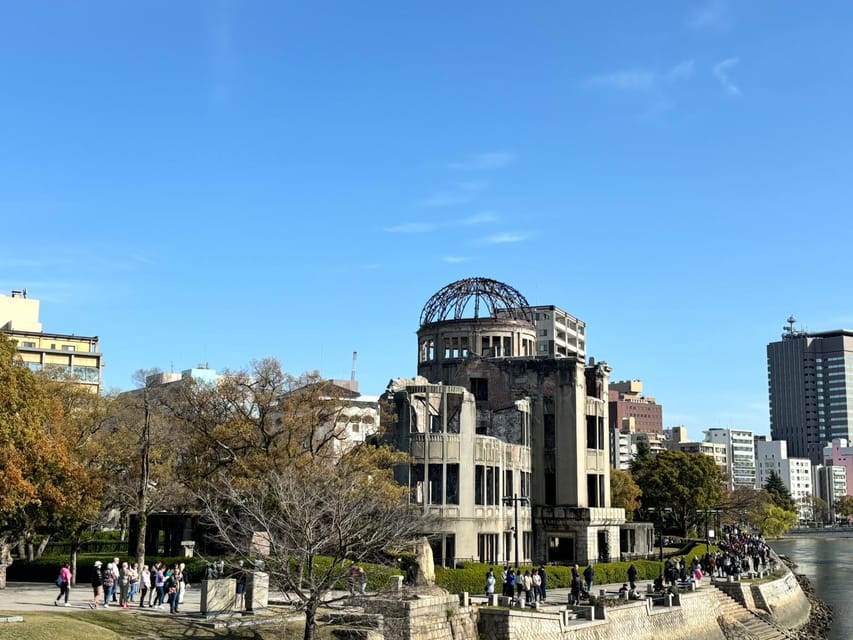
Hiroshima’s story is best understood in layers: first the shock of the Atomic Bomb Dome and Peace Park, then the city’s feudal past at Hiroshima Castle, and finally the quiet beauty of Shukkeien. This private tour connects those very different places in one focused morning or afternoon.
I like the generous 2.5 hours given to Peace Park, and I like that guide Tahir can explain difficult history in plain language while handling serious questions. The main drawback is the pace: there is a lot of walking, and the castle and garden each receive only about 30 minutes.
Key points to know before booking
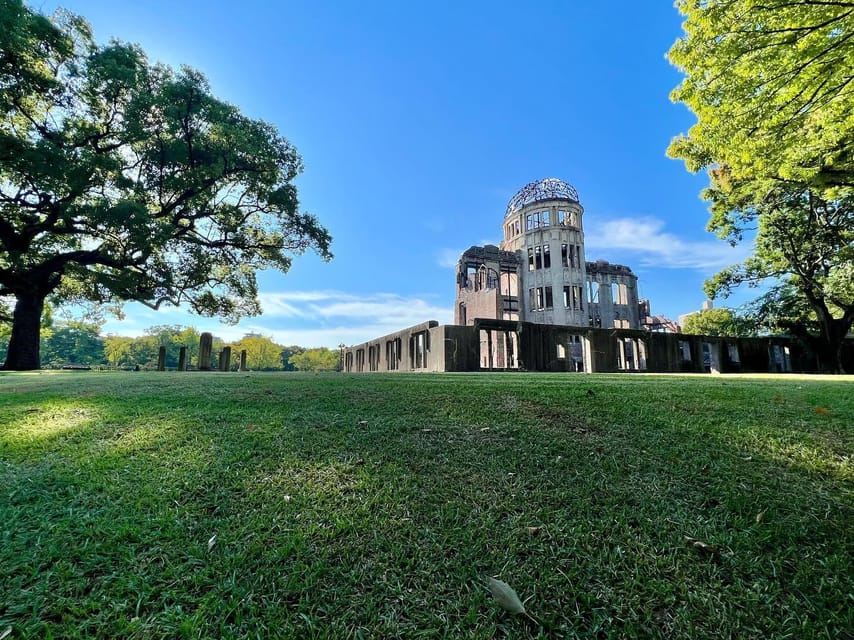
- Peace Park gets the proper amount of time: The main guided portion lasts 2.5 hours and includes the Atomic Bomb Dome and Peace Memorial Museum area.
- Tahir brings strong historical context: His clear explanations suit families and history-minded visitors, especially those who want more than a quick look at the monuments.
- Three very different sides of Hiroshima: You move from wartime memory to feudal Japan and then to a traditional garden.
- Private touring for up to two people: The $180 price covers the group, not each individual, and entry tickets are included.
- Expect real walking: Comfortable shoes matter, especially during the long Peace Park portion.
- The tour is flexible in practical ways: You can cancel up to 24 hours ahead for a full refund, reserve without paying today, and request a guide in English, Urdu, Pashto, or Pushto.
Hiroshima’s past in one compact half-day
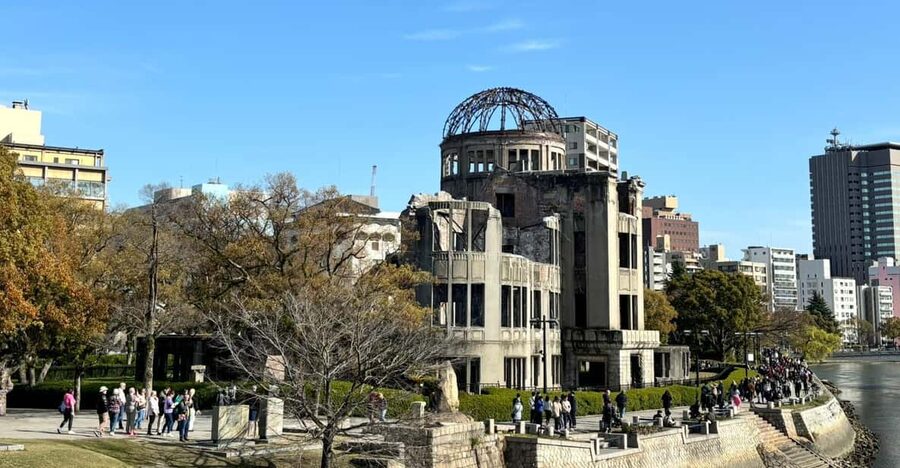
This is not a light sightseeing loop. The first part asks you to think about the atomic bombing of August 1945 and its aftermath. The second part turns to Hiroshima’s earlier political and military life. The final stop lets you slow down among ponds, bridges, and carefully arranged plantings.
That contrast gives the tour its shape. You do not spend four hours looking at similar monuments. Instead, you see how Hiroshima carries painful memory alongside older Japanese traditions and ordinary city life.
I especially like the choice to make Peace Park the center of the experience. A shorter tour might point out the Dome, take a few photographs, and move on. Here, you have time for explanation, questions, and the museum area. That matters because the site can feel overwhelming without context.
The tour costs $180 for a private group of up to two people, with admission tickets included. For two people, that works out to $90 each before considering the value of a private guide and included entries. For one person, it is a much larger spend, so the price makes the most sense for a pair who wants focused attention rather than a large shared group.
More history behind the walls around Japan:
- Osaka: Castle History Walking Tour / Castle Tower Admission
★ 4.9 · 230 reviews - 2.5 Hour Private History and Culture Tour in Himeji Castle
★ 5.0 · 185 reviews - Kyoto: Nijo Castle World Heritage Guided Tour with Admission
★ 5.0 · 128 reviews
Meeting at the Peace Memorial Mailbox
The tour begins at the Peace Memorial Mailbox, near the taxi stand, next to the telephone booth, and at the corner of the parking area. Those details are useful because the meeting point is described by nearby landmarks rather than a large indoor desk.
I would arrive early and keep the meeting instructions available on your phone. The tour ends back at the same meeting point, which makes planning easier. You do not have to arrange a separate return point after the final garden stop.
The experience is private, so you are not being fitted into the pace of a large group. That can help at Peace Park, where you may want to pause, ask a question, or take a quiet moment without holding up many other people.
Spending 2.5 hours in Hiroshima Peace Park
The main portion of the tour takes place in Hiroshima Peace Memorial Park. Your guide leads you through the area, explains the events that led to the bombing, and discusses what happened to the city afterward.
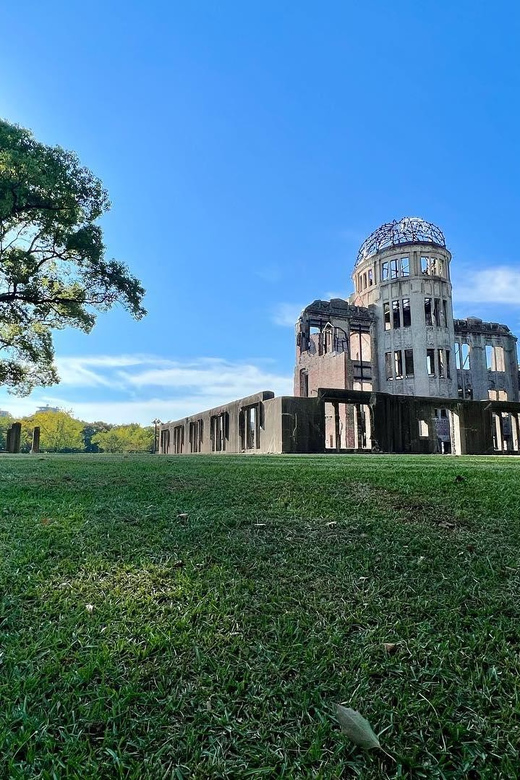
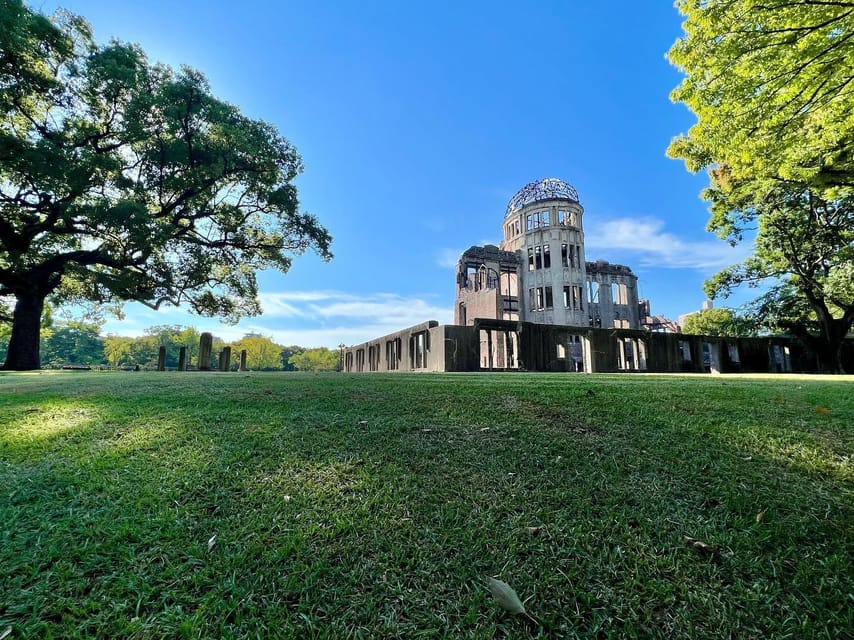
The Atomic Bomb Dome is the emotional anchor. Its damaged frame remains a direct reminder of the force that destroyed much of Hiroshima. The building is not simply an old structure to photograph. Its condition gives the history a physical presence, and your guide can help place it within the wider story of the city.
The Peace Memorial Museum is also part of the experience. Its exhibits cover the bombing and its aftermath, so you should expect difficult material and a serious tone. This is not a museum to rush through while chatting. Give yourself room to absorb what you see.
The long stop is one of the tour’s best features. You have time to look at the memorial sites, listen to explanations, and connect the individual displays to the larger events. Guide Tahir is particularly well suited to this part of the tour. His storytelling has been praised for making complex subjects understandable, and he can answer detailed questions from people with a strong interest in history.
At the same time, Peace Park can be emotionally tiring. The subject matter is painful, and the museum may be more intense than some people expect. I would not schedule a demanding activity immediately afterward. Leave yourself a little mental space, especially if you are visiting with children or family members who may react strongly to the exhibits.
There is also a physical point to consider. The Peace Park portion involves walking, and one person specifically regretted not wearing good shoes. Take that advice seriously. Bring comfortable footwear, a sun hat, and clothing suited to the weather. The tour is listed as wheelchair accessible, but the exact route through every point is not described, so anyone needing specific access arrangements should confirm details when booking.
Hiroshima Castle and the city’s feudal past
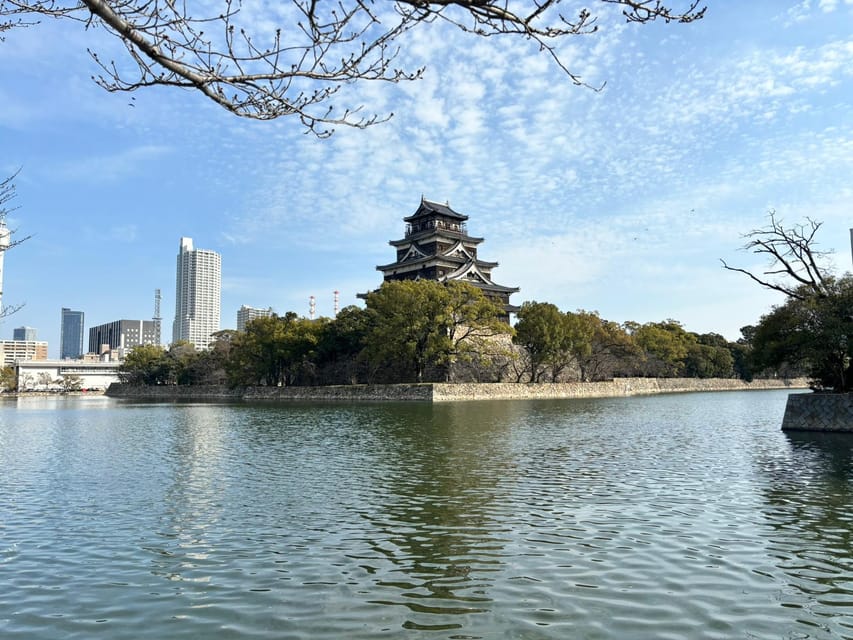
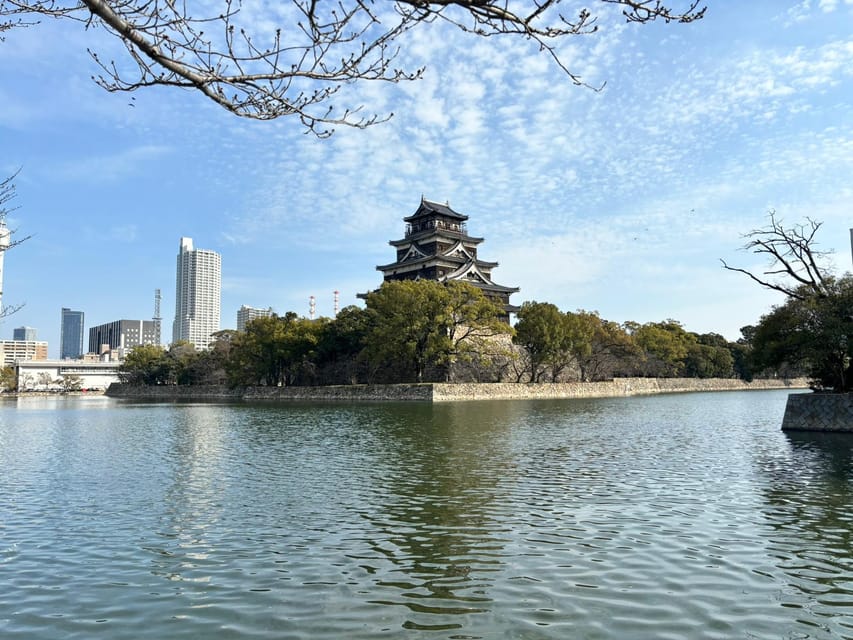
After Peace Park, the tour changes direction at Hiroshima Castle. The castle offers a glimpse into an earlier chapter of Japanese history, far removed in mood from the memorial park.
The stop lasts about 30 minutes. That is enough for a compact visit and a change of pace, but it is not enough for a slow, detailed castle study. You can expect to see the structure, visit the site, and learn about its place in Japan’s feudal era. The wording of the experience also includes wandering through the halls and climbing the towers, though your exact time inside will depend on the day’s pace and access.
I like this stop because it prevents Hiroshima from being defined only by 1945. The city has a longer story, and the castle helps bring that older period into view. After the sober concentration of Peace Park, the change can feel refreshing without making the first stop seem less important.
The short time here is also the clearest limitation. If castles are your main interest, you may want more than 30 minutes. This tour is designed to connect three major sights, not to provide a specialist castle study. Keep your expectations in line with the schedule and use the stop as a well-chosen historical counterpoint.
More castles to explore around Japan:
- Osaka Castle: Museum and Tower Entry Ticket
★ 4.5 · 2,380 reviews - Tokyo Castle & Imperial PalaceーShogun Walking Tour
★ 4.7 · 1,068 reviews - Kyoto: Nijo-jo Castle and Ninomaru Palace Guided Tour
★ 4.7 · 1,020 reviews - Ultimate Osaka Walking Tour: Castle, Dotonbori & Hidden Gems
★ 5.0 · 862 reviews
Quiet paths at Shukkeien Garden
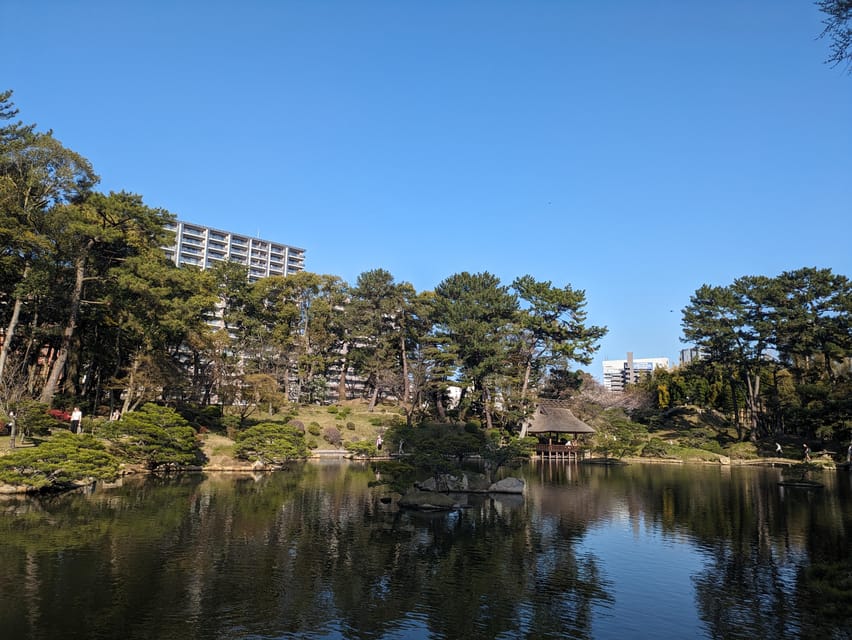
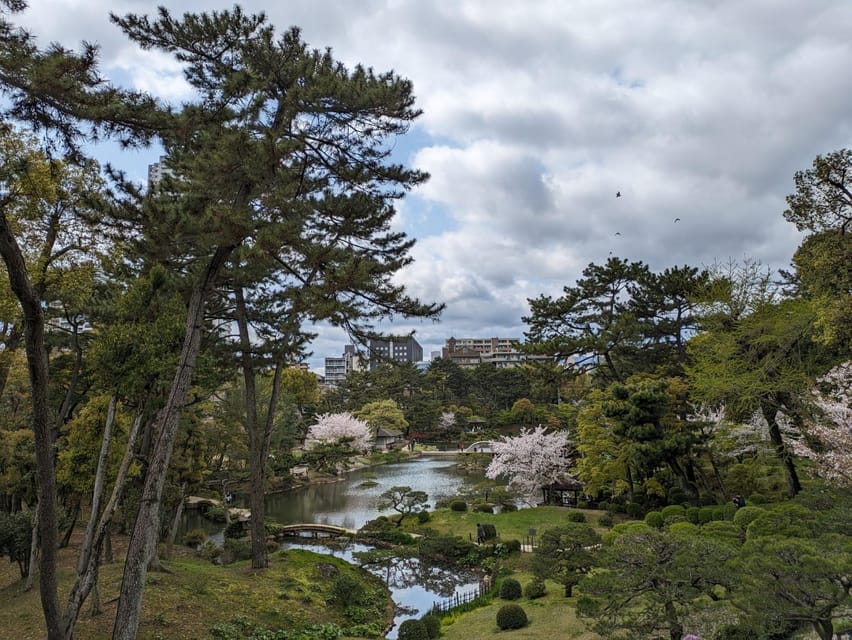
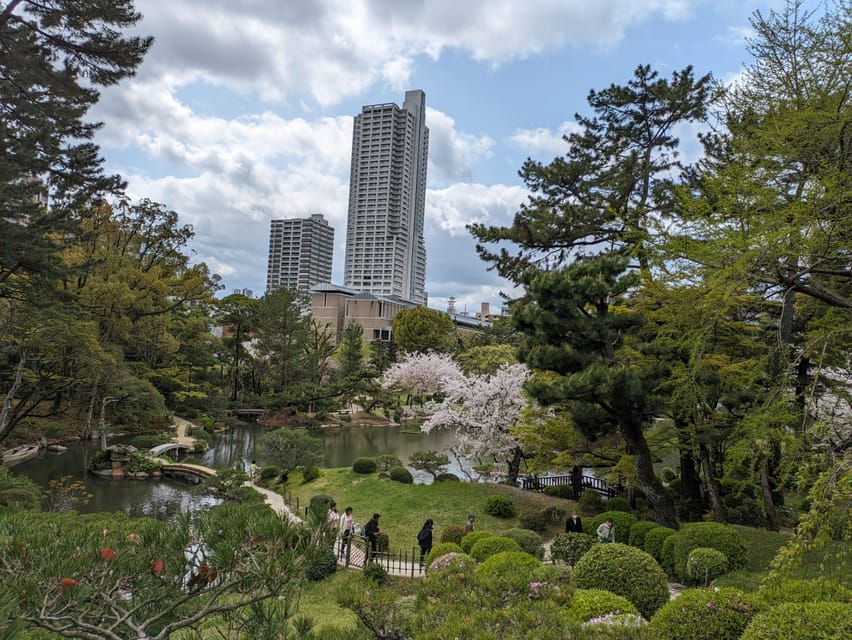
The final scheduled stop is Shukkeien, a traditional Japanese garden with ponds, bridges, carefully shaped plantings, and small scenic views arranged for a slow walk.
The garden receives about 30 minutes. That is enough to get a feel for its calm design and enjoy a break after the memorial park and castle, but it is a brief visit for anyone who likes gardens. You will need to keep moving rather than linger at every viewpoint.
This stop gives the tour a gentle ending. Shukkeien asks you to notice small details rather than absorb a large historical event. Ponds, bridges, and manicured views create a quieter experience, and the garden offers a useful contrast to the stark remains of the Dome.
Weather can affect this part of the plan. Rain caused one tour to skip the garden, with the guide helping the group reach its next destination. That tells you two useful things: the garden may be dropped when conditions are poor, and the guide can help adjust the plan instead of leaving you stranded. Still, if Shukkeien is the main reason you are booking, ask about the weather policy and likely alternatives before setting your expectations.
What the private format is worth
Private touring changes the experience most at Peace Park. You can ask why a memorial was built, request more detail about a particular exhibit, or slow down when a subject needs more thought. A guide can also adjust explanations for a family, a history specialist, or someone seeing the site for the first time.
Tahir has been singled out for answering questions from history-focused family members and for making hard subjects easier to follow. That is valuable here because the facts are not always simple, and a short label in a museum cannot answer your particular questions.
The private format also avoids the feel of a fixed public group. You are booking for up to two people, so couples, friends, or a parent and adult child can keep the day personal. The price is harder to justify for a solo participant, but two people receive the strongest value.
Tickets are included, and the activity offers skip-the-ticket-line access. That saves time, though it does not guarantee that every part of the attraction will be free of waiting. The real value is the combination of admission, a private guide, and a structured route through three major sites.
Languages, timing, and practical comfort
Guiding is available in English, Urdu, Pashto, and Pushto. That language range may be especially useful for families or couples who want historical explanations in one of those languages rather than relying on written displays alone.
The total duration is four hours. The listed stops account for roughly three and a half hours: 2.5 hours in Peace Park, 30 minutes at Hiroshima Castle, and 30 minutes at Shukkeien. The remaining time allows for movement between sites and the natural pauses of a guided tour.
Starting times vary, so you need to check availability before booking. Since the tour ends at the original meeting point, it is easier to connect it with another part of your day, but avoid scheduling something that begins immediately afterward. The Peace Park section can run emotionally or physically long for some people, and the route between stops takes time.
The tour is wheelchair accessible, which makes it more practical for many visitors. Still, accessibility can depend on the exact path, entrances, and weather conditions, so share any specific mobility needs when you reserve.
Free cancellation is available up to 24 hours before the activity for a full refund. You can also reserve now and pay later, which helps if your Hiroshima schedule is not fully settled.
Who will get the most from this tour
I would choose this experience if you want historical explanation rather than a quick checklist of sights. It suits first-time visitors who need a clear introduction to Hiroshima, couples who prefer a private pace, and families with one or two people who are especially interested in history.
It is also a good fit if you want to see more than Peace Park but do not want to plan separate tickets, routes, and timing for the castle and garden. The sequence is logical: difficult modern history first, older history next, and a calm garden at the end.
You should think twice if you want a long, unhurried visit at each site. Thirty minutes at the castle and 30 minutes at Shukkeien will feel short to serious enthusiasts. You may also prefer another plan if the emotional weight of the Peace Memorial Museum is not right for your day.
Pack light, wear supportive shoes, and dress for the weather. A sun hat is sensible, and rain can change the garden portion. Most important, come ready to listen. The strength of this tour is not just seeing the places. It is having someone help you understand what you are seeing.
Should you book the Hiroshima Heritage Trail?
Book it if you want a focused four-hour introduction to Hiroshima with a private guide, included entry tickets, and a strong emphasis on Peace Park. The 2.5-hour first stop gives the city’s central story the time it deserves, while the castle and Shukkeien add two very different perspectives.
The best value comes when two people share the $180 group price. I would particularly recommend it to couples, families, and history-minded visitors who want to ask questions along the way. If your priority is a slow garden visit or a detailed castle tour, the short stops may leave you wanting more, but for a balanced first look at Hiroshima, this is a thoughtful and efficient choice.
FAQ
How long does the Hiroshima Heritage Trail last?
The tour lasts four hours. The scheduled visits include 2.5 hours at Hiroshima Peace Memorial Park, 30 minutes at Hiroshima Castle, and 30 minutes at Shukkeien Garden.
Where does the tour start?
It starts at the Peace Memorial Mailbox, right by the taxi stand, next to the telephone booth, and at the corner of the parking area.
Where does the tour end?
The activity ends back at the meeting point where it began.
Is the tour private?
Yes. It is a private group experience for up to two people.
How much does the tour cost?
The price is $180 per group of up to two people.
Are entry tickets included?
Yes. All entry tickets for the activity are included.
Which languages are available?
Live guiding is available in English, Urdu, Pashto, and Pushto.
Is the tour wheelchair accessible?
Yes, the activity is listed as wheelchair accessible.
Can I cancel for a full refund?
Yes. You can cancel up to 24 hours in advance for a full refund. You can also reserve now and pay later.
New castle tours around Japan
- Peace Memorial Park, Hiroshima Castle, & Garden Private Tour★ 4.8 · 7 reviews
- From Osaka: Himeji Castle, Arima Onsen & Mt. Rokko Day Tour★ 4.6 · 339 reviews
- Osaka/kyoto: Himeji Castle, Kobe. Luxury Day Trip with Guide★ 5.0 · 2 reviews
- Osaka: Osaka Castle 3 hours Historical Walking Tour★ 4.6 · 14 reviews
- Osaka: Osaka Castle Guided Tour with Local Guide★ 4.7 · 78 reviews
- Osaka: Osaka Castle – Tsuruhashi – Tennoji (Spanish Guide)★ 4.7 · 10 reviews
- Osaka: Castle, Tea Ceremony, Calligraphy, and Samurai Armor!★ 5.0 · 4 reviews
- Osaka: Early Morning Osaka Castle Guided Tour, Avoid Crowds★ 4.9 · 12 reviews
Japan Castle Tours, compared.
Tokyo Castle & Imperial PalaceーShogun Walking Tour
Read our review →
Kyoto: Nijo-jo Castle and Ninomaru Palace Guided Tour
Read our review →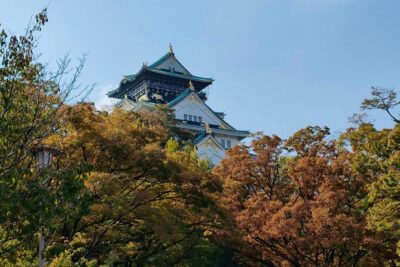
Ultimate Osaka Walking Tour: Castle, Dotonbori & Hidden Gems
Read our review →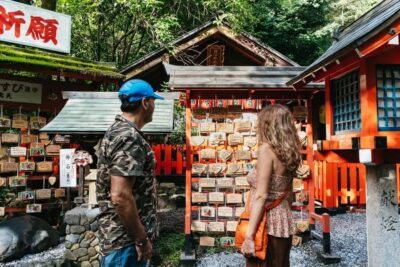
Kyoto: Nijo Castle, Kiyomizu & Fushimi Inari Guided Tour
Read our review →
Osaka Castle Walking Tour and Castle Tower Admission
Read our review →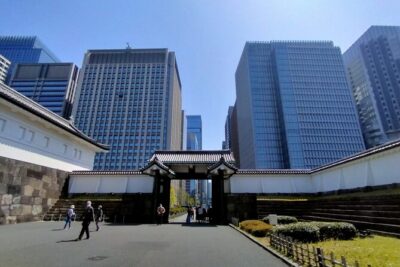
Imperial Palace East Garden and Edo Castle Walking Tour in Tokyo
Read our review →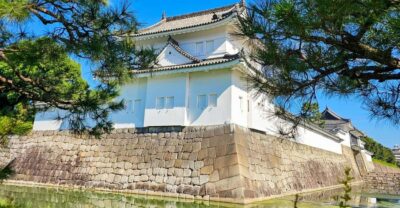
Kyoto: Imperial Palace & Nijo Castle Guided Walking Tour
Read our review →Browse the lists this tour appears in