
Review · JAPAN
From Kanazawa: Eiheiji Buddhist Temple & Fukui Castle Town
Eiheiji is the star here: a working Zen temple in the mountains, where you may see novice monks at prayer and hear directly from a Buddhist monk at Zuigenji. I like the way this day links Fukui’s castle past with its living religious tradition. I also like the practical train and bus connections, which let you see a lot without arranging each leg yourself.
The main drawback is pace. You get only about 110 minutes at Eiheiji, and the final direct bus leaves little room to linger. The Atagozaka climb and a full day of walking also call for comfortable shoes, but the $143 price is fair if you value an English-speaking guide and included temple admissions.
Key points to know before booking
- Meet a practicing Buddhist monk at Zuigenji: Hear how two rooms from Fukui Castle came to rest inside the temple.
- See original Fukui Castle walls: The moat, stonework, and Edo-period bridge offer a clear look at the former stronghold.
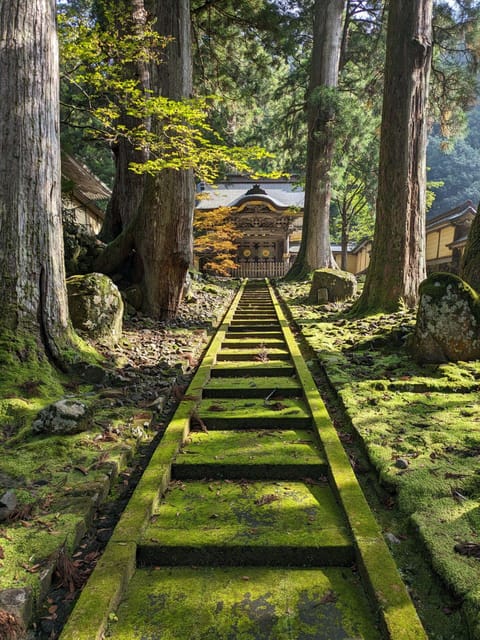
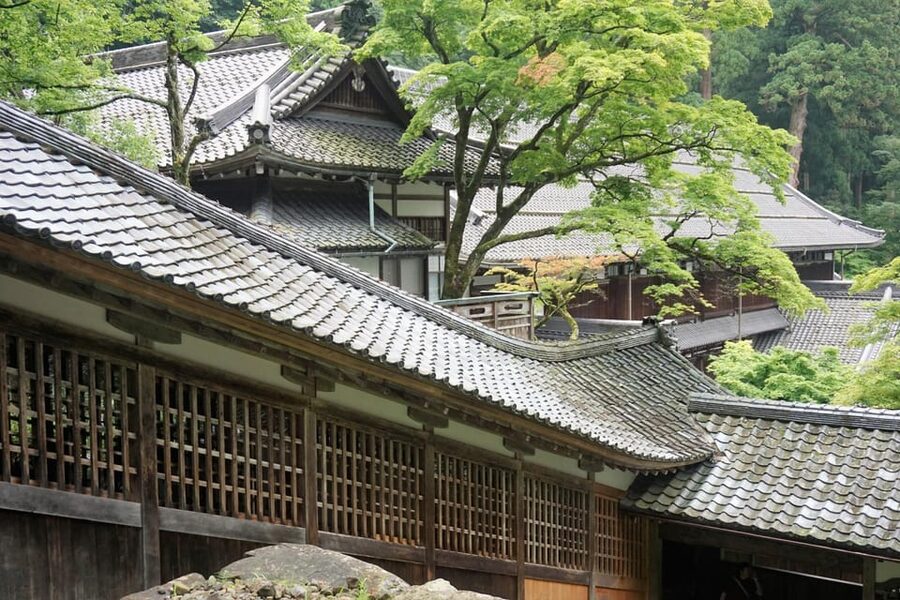
- Visit Eiheiji in its mountain setting: Cedar trees, wooden halls, and active monastic life give this stop a quiet sense of purpose.
- Start with Fukui’s dinosaur statues: Dinosaur Square makes a cheerful introduction to a prefecture known for major fossil excavations.
- Climb Atagozaka for city views: The stairway leads toward one of Fukui’s oldest shrines and a broad view of the modern skyline.
- Plan for an independent lunch: Food is not included, so use the one-hour break to choose and pay for your own meal.
Why Eiheiji makes this more than a castle tour
Many day trips from Kanazawa stay focused on grand sights. This one takes a different route. You begin with the remains of a feudal castle, move into a small temple with rooms used by a daimyo, and finish at one of Japan’s major Zen temples.
That change in mood is the best part. Fukui gives you history you can touch: moat walls, gates, stonework, and relocated rooms. Eiheiji gives you an active religious center where the buildings, trees, and daily routines still matter. I like that the day is not just a parade of photo stops. Your guide explains why each place matters.
The guides Garrett and Mike have both received especially warm praise for being friendly, clear, and easy to talk with. That matters here. Fukui is less familiar to many English-speaking visitors than Kyoto or Kanazawa, and a good guide helps connect scattered sights that might otherwise feel like unrelated stops.
More castles to explore around Japan:
- Osaka Castle: Museum and Tower Entry Ticket
★ 4.5 · 2,380 reviews - Tokyo Castle & Imperial PalaceーShogun Walking Tour
★ 4.7 · 1,068 reviews - Kyoto: Nijo-jo Castle and Ninomaru Palace Guided Tour
★ 4.7 · 1,020 reviews
Leaving Kanazawa for Fukui by train
The day begins at Kanazawa Station at 8:30 in the morning. Meet your English-speaking guide near the Information Center by the Shinkansen ticket gates. The tour can also be booked with a Fukui Station start, so check the option you select carefully.
The train ride takes roughly 30 to 40 minutes. During the trip, you get views toward the mountains west of the rail line. This is a useful start because it saves you from driving and gives the guide time to explain the plan for the day.
The return train should bring you back to Kanazawa around 18:00. That makes this a long but manageable day trip, especially if you are staying in Kanazawa and want to return there the same evening. If you choose the Fukui option, you can leave the tour at Fukui Station instead.
Dinosaur Square gives Fukui a playful opening
Fukui Station greets you with a collection of dinosaur statues. The prefecture is the site of Japan’s largest archaeological dig, and several dinosaurs carry names linked to Fukui. The statues are not a substitute for a fossil museum, but they make a fun first stop and help explain why dinosaurs appear throughout the city.
You have about 10 minutes to look around. Use it to find the more artistic and comic figures rather than expecting a long museum visit. This is a quick orientation stop, not the main reason to book the tour.
Still, it works well at the beginning. Fukui can feel like an ordinary modern city until you notice the dinosaur theme. The stop gives the morning a bit of humor before the tour turns toward stone walls, shrines, and old temples.
Fukui Castle ruins show a different kind of fortress
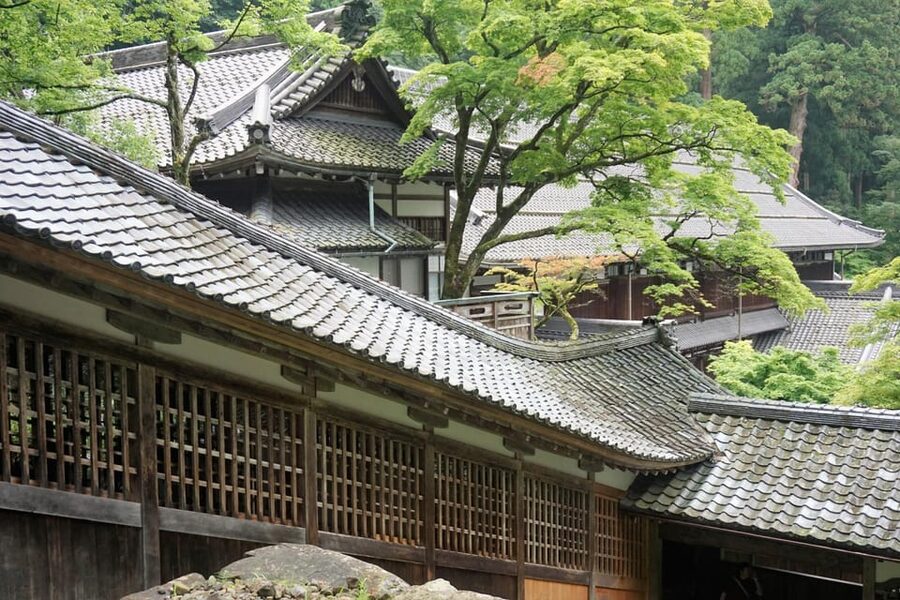
From the station, you walk toward the former Fukui Castle site. The original walls and moat are the main attraction. A bridge has also been rebuilt to show how the crossing looked during the Edo period.
The castle has an unusual story. It went without a keep for many years, so the gates around the grounds were strengthened to serve as the final defensive line. That makes the site different from the familiar Japanese castle pattern of a tall central tower rising above the city.
Another surprise is what occupies the grounds today. Fukui’s prefectural office and police headquarters sit inside the former castle area. You get a clear reminder that old Japanese castle sites are often part of modern civic life, not isolated historic parks.
The one-hour visit gives your guide time to explain the walls, moat, bridge, and defensive design. Do not come expecting a restored interior or a grand keep. This is an archaeological and urban history stop, and its value comes from reading the surviving structure.
Same stronghold, another way through the gate:
- Ultimate Osaka Walking Tour: Castle, Dotonbori & Hidden Gems
★ 5.0 · 862 reviews - Tokyo Castle & Imperial PalaceーShogun Walking Tour
★ 5.0 · 724 reviews - Kyoto: Nijo Castle, Kiyomizu & Fushimi Inari Guided Tour
★ 4.7 · 700 reviews - Osaka Castle Walking Tour and Castle Tower Admission
★ 5.0 · 561 reviews
Origami cranes turn a shrine into a modern symbol
A short walk from the castle is a shrine that has recently become known for origami cranes hung at its entrance. The display creates a strong visual impression and carries a message of hope for a better future.
The shrine also adds balance to the castle stop. You move from military power and defensive walls to a place shaped by prayer and public feeling. The tour description connects this part of Fukui to a history recorded before the 700s, so the area has roots that reach well beyond the castle era.
You should expect a brief guided visit rather than a long ceremony or extended religious activity. The cranes are the key detail, and your guide can place the shrine within the longer story of the city.
Zuigenji puts the daimyo inside the temple
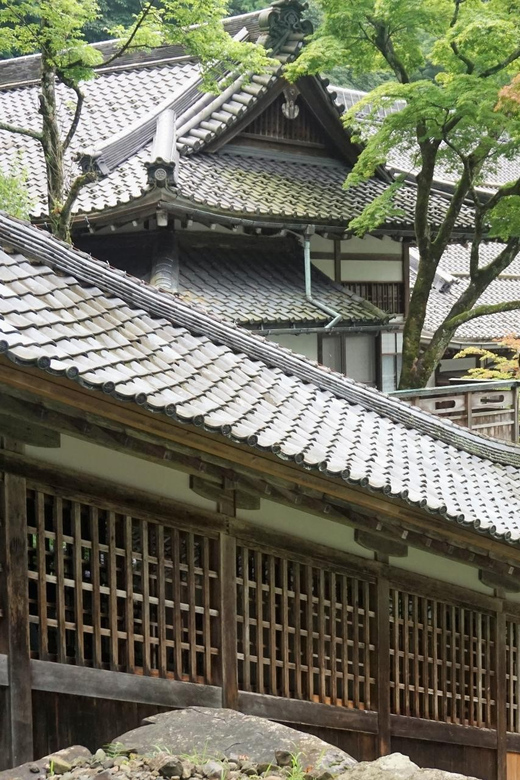
Zuigenji is one of the most memorable stops because it contains two rooms moved from the former Fukui Castle. These were private rooms where the daimyo conducted business and often slept.
One room remains preserved as it was, allowing you to study the colors and decorative details associated with the upper class. This is much more personal than looking at a castle wall. You are seeing where power was exercised in quieter moments, away from public ceremonies.
The tour includes admission and a guided explanation of the castle rooms. A Buddhist monk also speaks about the temple, its history, and how the rooms came to be relocated there. That direct conversation is a major strength of the experience. It gives you a living connection to the site rather than only a guidebook account.
The temple is small compared with Eiheiji, but do not dismiss it as a warm-up stop. The intimate setting makes the explanation easier to follow, and the rooms provide a rare link between Fukui’s political past and its religious institutions.
Atagozaka rewards the short climb
The next stop is Atagozaka, a series of stairways leading to the top of a broad hill. An old shrine sits above, and the climb gives you what is described as one of the best views of Fukui’s modern skyline.
This is not a mountain hike. It is a short urban climb, but the steps still add effort to a day already filled with walking. Go at a steady pace and keep your camera ready for the changing view.
I like this stop because it lets you see Fukui as a city rather than only as a collection of historic sites. From above, modern buildings, old religious places, and the surrounding hills come together. If you have limited time in Fukui, this view helps you understand the shape of the city.
Lunch is simple, flexible, and not included
After the morning walking, you get about an hour for lunch and free time in Fukui. You choose and pay for your own meal, so the $143 price does not cover food.
That arrangement has advantages. You can select what suits your appetite and budget instead of being tied to a fixed group meal. The tradeoff is that you should not expect a carefully arranged dining experience. Ask your guide for suggestions, especially if you want to make the most of the one-hour break.
The lunch stop also gives you a pause before the afternoon temple visit. The morning includes several walking sections, the Atagozaka steps, and a fair amount of historical explanation. A relaxed meal helps keep the rest of the day enjoyable.
Eiheiji brings the day into the mountains
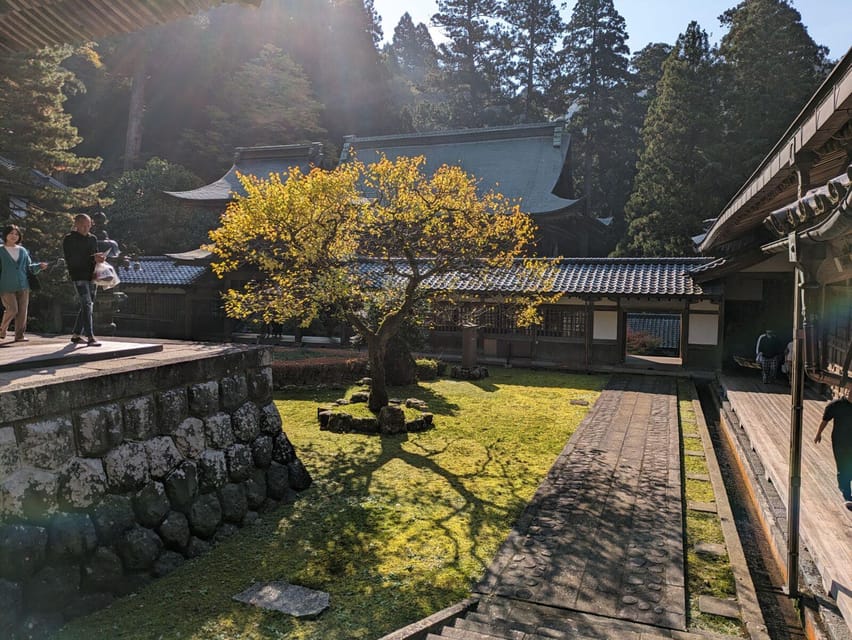
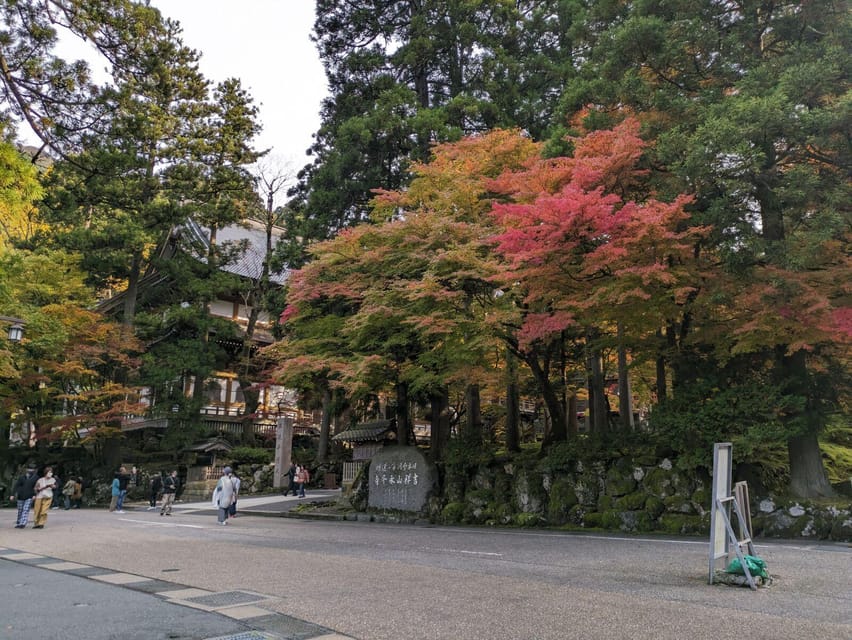
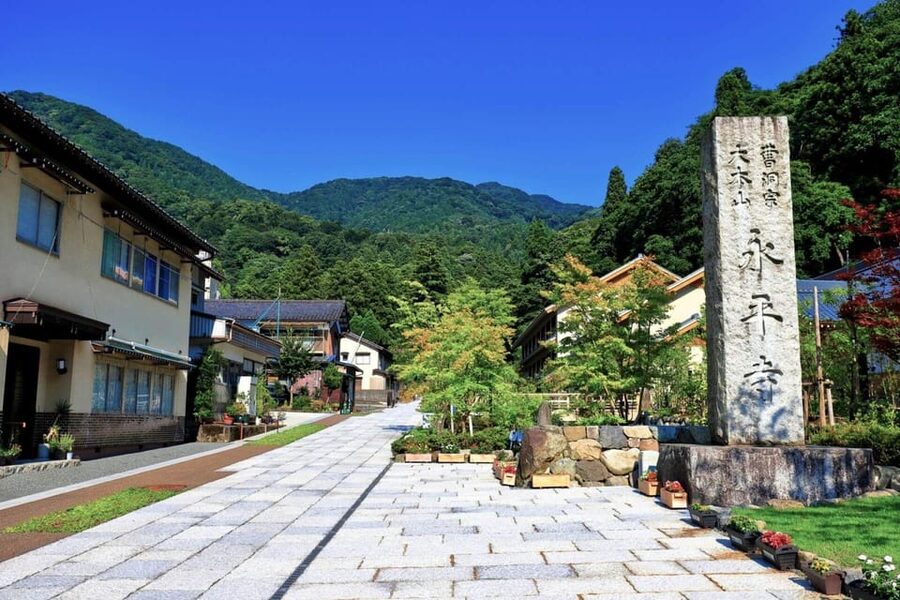
After lunch, a direct bus takes you to Eiheiji in about 30 minutes. Eiheiji is one of the head temples of the Zen Buddhist sect and has existed since the 1200s. The setting is a major part of its power: traditional buildings sit among tall cedar trees, with the mountain surroundings giving the complex a quiet, protected feeling.
You have about 110 minutes at the temple. Your guide walks with you through the complex and explains Zen Buddhism, Eiheiji’s place in Japanese religious life, and the temple’s role in Japanese history.
There is no single viewpoint you must find. The pleasure comes from looking carefully as you move through the grounds. Wooden buildings frame the trees, stairs lead to new angles, and the design encourages a slower pace. You may also observe monks at prayer or at their daily duties, depending on what is happening that day.
Some of the buildings and cedar trees are said to date from around the temple’s founding, though the complex has changed over time. That age is best understood through the atmosphere rather than a single spectacular object. Eiheiji feels like a working institution, not a preserved stage set.
The 110-minute limit is the clearest weakness. Eiheiji is large and offers many corners to explore, so you may wish for more time. The schedule does, however, protect the return connection and gets you back toward Fukui in time for the evening train.
The return journey keeps the day practical
A direct bus takes just under 30 minutes from Eiheiji back to Fukui Station. From there, the train to Kanazawa takes roughly another 30 minutes.
The route is simple, but the timing matters. You cannot treat the afternoon as open-ended. If you stop for too many photographs at Eiheiji, you risk reducing your time before the scheduled bus. Keep an eye on the meeting instructions your guide gives you.
For anyone staying in Fukui, the tour can end at Fukui Station. For those based in Kanazawa, the return around 18:00 makes this a practical full-day outing without changing hotels.
What the $143 price covers
At $143 per person, this is not the cheapest way to see Fukui. You are paying for more than transport, though. The price includes the train and bus connections associated with the Kanazawa start, the local Fukui bus, an English-speaking guide, and admission to Eiheiji and Zuigenji.
The value depends on how much explanation you want. If you are comfortable navigating Japanese trains and buses, finding the castle site, locating the temple rooms, and organizing Eiheiji yourself, an independent day may cost less. You would also have more freedom to stay longer at the big temple.
I think the price makes sense for you if the monk conversation and historical context are central to your trip. Zuigenji’s relocated rooms are easy to miss without guidance, and Eiheiji’s religious meaning is harder to grasp if you only walk through taking photographs.
Cancellation is free up to 24 hours before the start, and you can reserve now and pay later. Availability can affect the exact plan, so keep some flexibility if a venue needs to adjust the schedule.
Who will enjoy this day most
This tour suits you if you want a strong mix of history, religion, city views, and public transport without planning every connection yourself. It is especially good for first-time visitors to Fukui who want more than the station and a quick castle-site visit.
You should be comfortable with a full day out, several walks, a short stair climb, and a fixed bus schedule. The tour is also a good match for anyone interested in Japanese Buddhism, since it includes both a personal temple conversation at Zuigenji and a longer visit to Eiheiji.
It may be less suitable if you want a slow, private day at one temple. Eiheiji deserves more time than the schedule allows, and the group must leave for the return bus. It is also not the right choice if you need lunch included or prefer a relaxed morning with few walking sections.
The strongest parts are the meeting with a monk, the daimyo rooms, and the guide’s local knowledge. Garrett and Mike have both been singled out for their warmth, care, and clear explanations. One guide also helped older participants manage the day comfortably, which suggests the human side of the tour is as important as the route.
Should you book this Fukui and Eiheiji tour?
Book it if you want to understand Fukui through both its castle past and its Buddhist present. The combination is unusually well judged: original walls in the morning, a personal temple visit before lunch, and Eiheiji’s cedar-lined halls in the afternoon.
Skip it if your main goal is unlimited time at Eiheiji or if you prefer to explore independently. For most people staying in Kanazawa, though, the $143 fee is a reasonable trade for the guide, transport, admissions, and access to stories you might otherwise miss. Wear comfortable shoes, keep lunch flexible, and treat the day as a tightly organized introduction to Fukui rather than a slow temple retreat.
FAQ
Where does the tour start?
The main starting point is Kanazawa Station at 8:30 in the morning. Meet the guide in front of the Information Center near the Shinkansen ticket gates. A Fukui Station start is also available with some booking options.
How long is the tour?
It is a one-day experience. The return to Kanazawa should be around 18:00, while the exact schedule depends on the selected start option and transport connections.
Is the tour conducted in English?
Yes. The tour includes a live English-speaking guide.
Is lunch included?
No. You have about one hour for lunch and free time in Fukui, but you choose and pay for your own meal.
Are temple admission fees included?
Yes. Admission to Eiheiji and Zuigenji is included.
Does the tour include transportation?
Yes. The tour includes transportation connected with the Kanazawa start, the local Fukui bus, the bus to and from Eiheiji, and the train connections described for the route.
What can I see at Fukui Station?
You can see dinosaur statues at Dinosaur Square. Fukui Prefecture is known for a major archaeological dig, and several dinosaurs are named after the area.
What is special about Zuigenji?
Zuigenji contains two rooms moved from the former Fukui Castle. The rooms were used by the daimyo for private business and sleeping, and one is preserved with its original details and colors.
How much time is provided at Eiheiji?
The planned visit lasts about 110 minutes. You walk through the temple complex with the guide and also have free time to look around.
Can I cancel the booking?
You can cancel up to 24 hours in advance for a full refund. You can also reserve now and pay later, subject to availability.
New castle tours around Japan
- Peace Memorial Park, Hiroshima Castle, & Garden Private Tour★ 4.8 · 7 reviews
- From Osaka: Himeji Castle, Arima Onsen & Mt. Rokko Day Tour★ 4.6 · 339 reviews
- Osaka/kyoto: Himeji Castle, Kobe. Luxury Day Trip with Guide★ 5.0 · 2 reviews
- Osaka: Osaka Castle 3 hours Historical Walking Tour★ 4.6 · 14 reviews
- Osaka: Osaka Castle Guided Tour with Local Guide★ 4.7 · 78 reviews
- Osaka: Osaka Castle – Tsuruhashi – Tennoji (Spanish Guide)★ 4.7 · 10 reviews
- Osaka: Castle, Tea Ceremony, Calligraphy, and Samurai Armor!★ 5.0 · 4 reviews
- Osaka: Early Morning Osaka Castle Guided Tour, Avoid Crowds★ 4.9 · 12 reviews
Japan Castle Tours, compared.
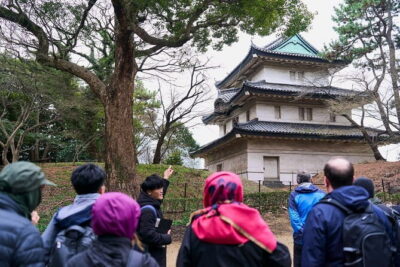
Tokyo Castle & Imperial PalaceーShogun Walking Tour
Read our review →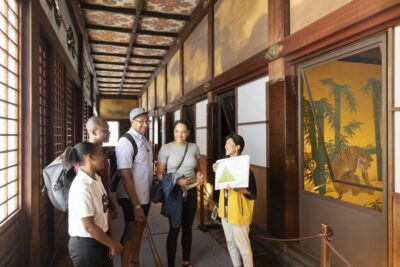
Kyoto: Nijo-jo Castle and Ninomaru Palace Guided Tour
Read our review →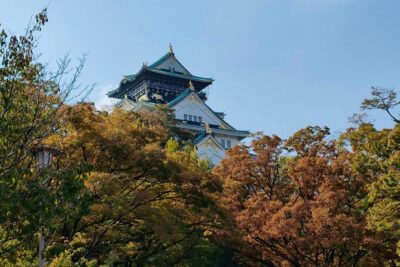
Ultimate Osaka Walking Tour: Castle, Dotonbori & Hidden Gems
Read our review →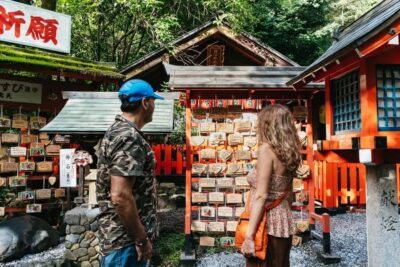
Kyoto: Nijo Castle, Kiyomizu & Fushimi Inari Guided Tour
Read our review →
Osaka Castle Walking Tour and Castle Tower Admission
Read our review →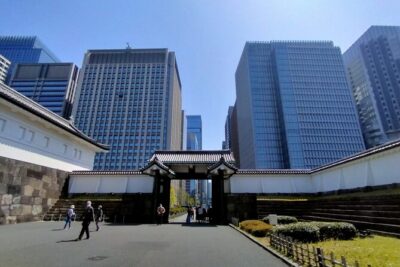
Imperial Palace East Garden and Edo Castle Walking Tour in Tokyo
Read our review →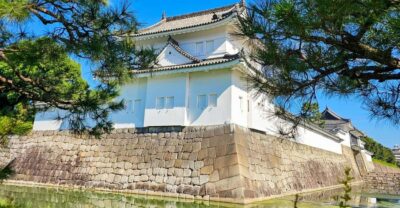
Kyoto: Imperial Palace & Nijo Castle Guided Walking Tour
Read our review →Browse the lists this tour appears in