
Review · OSAKA
Explore selectable area and Osaka castle (3hours)
Osaka is easier to understand when you connect its grand landmarks with everyday habits. This private walk begins at Osaka Castle Park, then uses the train to reach Shinsekai, with Dotonbori also included in the advertised route description. Along the way, you learn simple Japanese greetings, manners, chopstick use, and how to pray at a temple or shrine.
I like the small private format, which gives you room to ask about Japanese life instead of following a fixed crowd. I also like the practical touches, especially kendama, local food suggestions, photo help, and the chopsticks gift. The main consideration is pace: three hours is short for three major Osaka areas, and food, transport, and optional entry fees are extra.
Key points to know before booking
- Osaka Castle begins the tour: Allow about 90 minutes for history, photos, walking, and cultural explanation.
- Shinsekai brings the local flavor: The final 90 minutes focus on food, shopping, religious sites, and Osaka customs.
- Yuta and Yuka may guide you: Yuta leads the experience, with Yuka noted as a trainee guide on one booking.
- Food is not included: Bring about 2,000 yen for a meal, plus cash for train fares and any optional admission.
- You get hands-on culture: Practice Japanese greetings, try kendama, learn chopstick manners, and pray at a real temple or shrine.
- Confirm the exact route: The description includes Dotonbori, while the timed itinerary lists Osaka Castle and Shinsekai, so ask what your three-hour version covers.
Why this Osaka tour feels different
Many Osaka sightseeing walks give you a list of places and a few dates. This one tries to add the small social details that shape a visit to Japan: how to greet people, how to behave on public transport, how to use chopsticks, and how to approach a shrine or temple.
That makes the experience useful for a first visit. You are not only looking at Osaka Castle from the outside. You are also learning how to move through the city politely and confidently. The guide can explain customs as they come up, which is often more useful than hearing a long lecture all at once.
The private group setup matters here. You can stop to ask why a custom exists, request help with a phrase, or spend a little more time at a photo spot. The guide can also adjust the conversation to your interests, within the limits of a three-hour route.
The experience is offered in English or Japanese. Yuta is named as a guide, and Yuka is identified as a trainee guide who has helped with the tour. The English may not be perfect, but it has been described as understandable, and the format gives you a direct way to ask questions when something is unclear.
You should know what this tour is not. It is not a ticketed, inside-everything visit to Osaka Castle, and it is not a full food tour with meals included. Think of it as a private introduction to Osaka history, neighborhoods, manners, language, and food choices.
More Japanese castle tours around Osaka:
- Osaka Castle: Museum and Tower Entry Ticket
★ 4.5 · 2,380 reviews - Osaka Castle Walking Tour and Castle Tower Admission
★ 5.0 · 561 reviews - From Osaka: Himeji Castle, Arima Onsen & Mt. Rokko Day Tour
★ 4.6 · 339 reviews
Starting at Ōsakajōkōen Station
The meeting point is at one of the JR Osaka Loop Line stations, specifically Ōsakajōkōen Station for the published route. After leaving the ticket gate, look for the tiny 7-Eleven and wait in front of it.
That instruction is simple, but station exits in Japan can still take a moment to sort out. Arrive with your phone charged and the meeting details ready. The tour requires you to bring your own transportation fare, so keep some cash with you.
The route begins in Osaka Castle Park. This is a sensible starting point because the open park gives the guide room to explain the setting before the tour moves into denser city streets.
Wear comfortable clothes and proper walking shoes. One booking specifically warned that the route involved a lot of walking, and three hours on foot, plus the train, can feel tiring if you start in flimsy shoes.
Osaka Castle Park and 90 minutes of history
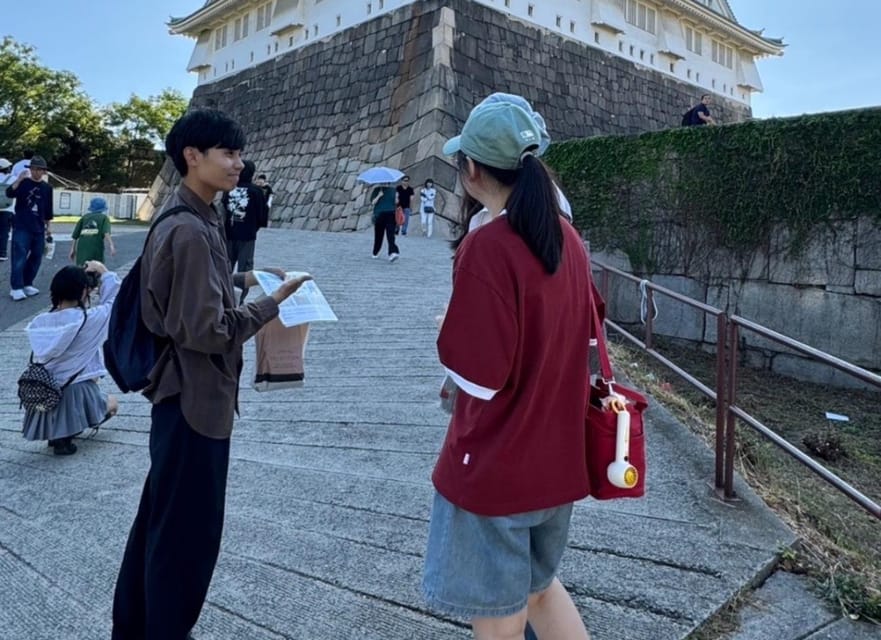
The first main stop lasts about an hour and a half. The guide explains how Osaka Castle was built and places the structure within Osaka’s past, while you walk, sightsee, take photos, and possibly shop around the area.
The castle is the grand visual anchor of the tour. Even if you choose not to pay for optional entry, the park and exterior provide plenty for the guide to discuss. Ask questions about the castle’s construction, rebuilding, and role in Osaka, since the exact depth of the explanation will depend on your guide and interests.
I like that the castle portion is not treated as a quick photo stop. Ninety minutes gives you time to understand why the site matters, rather than simply taking a picture and rushing away. The guide also promises help with good photo locations, which is useful in a large park where the best angle is not always obvious.
The optional entry policy is important. Admission to places is not included, so check with the guide about which areas you will visit and whether a ticket makes sense for your plans. If you have already seen the castle interior, you may prefer to spend the available time outdoors and focus on the cultural discussion.
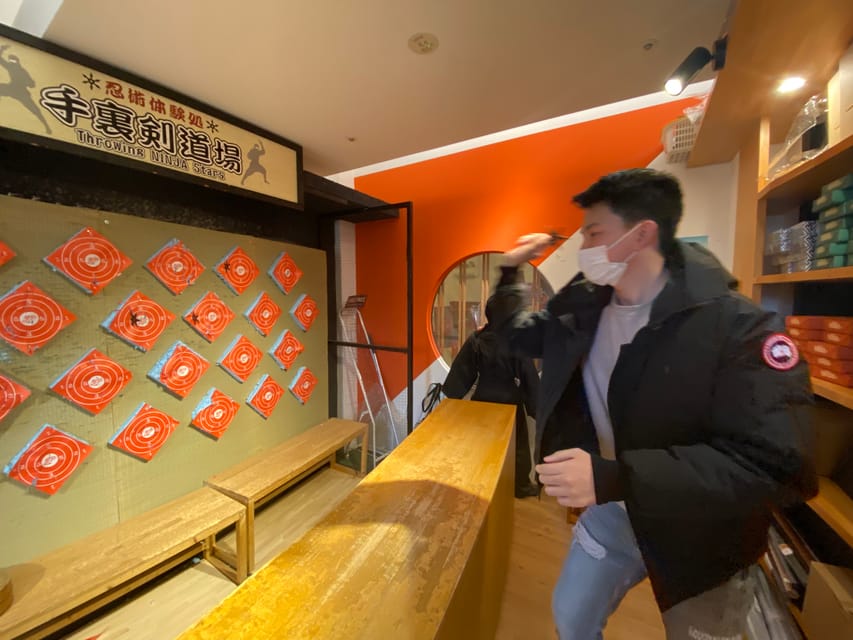
The tour also includes rented props and toys. Kendama, a traditional Japanese skill toy, may be used during the experience. This is a small detail, but it gives you something active to do and can make the cultural lesson easier to remember than a string of facts.
The 15-minute train ride to Shinsekai
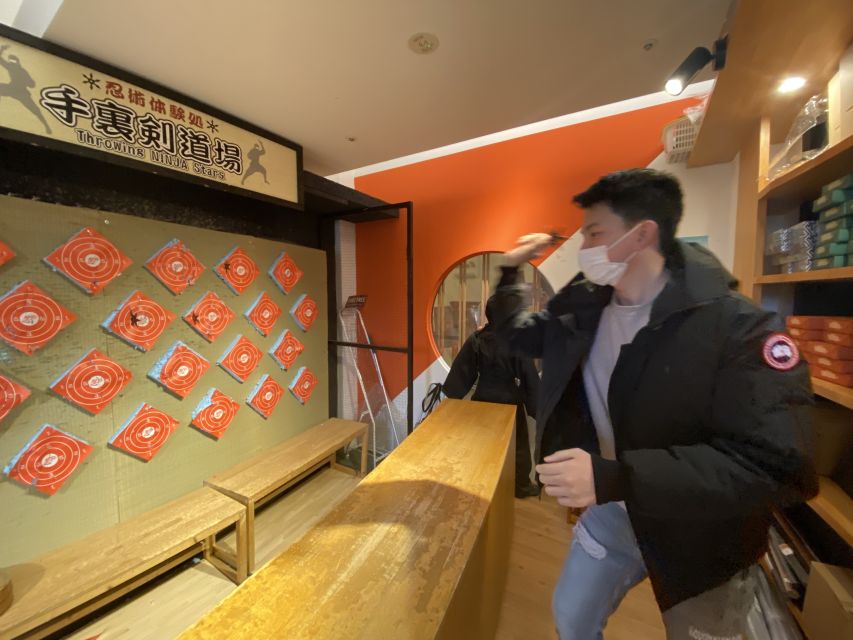
The move from Osaka Castle to Shinsekai takes about 15 minutes by train. Your fare is not included, so keep cash ready and follow the guide’s instructions at the station.
This short ride is part of the experience, not dead time. You can practice the rule about keeping quiet on public transport and observe how people move through an Osaka station. The guide can also help you use a few simple Japanese phrases in a real setting.
That said, the train segment leaves little room for delay. Station navigation, waiting time, or a crowded platform can reduce the time available in Shinsekai. If you have mobility concerns, ask how the transfers will work before you book, even though the activity is listed as wheelchair accessible.
More castles to explore around Osaka:
- Ultimate Osaka Walking Tour: Castle, Dotonbori & Hidden Gems
★ 5.0 · 862 reviews - Osaka Castle Guided Tour
★ 4.7 · 249 reviews - Osaka: Castle History Walking Tour / Castle Tower Admission
★ 4.9 · 230 reviews - Osaka: Osaka Castle Guided Tour with Local Guide
★ 4.7 · 78 reviews
Shinsekai: food, games, and local customs

The final scheduled stop is Shinsekai, with about 90 minutes for a break, walking, shopping, and guided sightseeing. This is where the food side of the tour becomes more important.
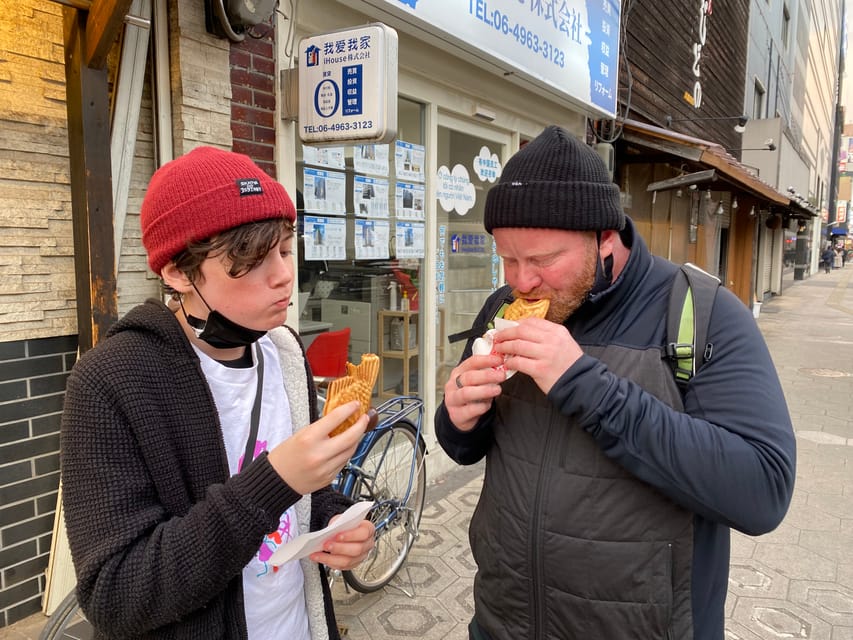
The guide does not provide meals, but can recommend Osaka specialties and explain how to order or eat them. You should budget about 2,000 yen for food, in addition to your train fare. Bring cash, since the tour specifically advises it.
I like the practical food coaching. Learning how to hold and use chopsticks, and receiving a pair as a gift, gives you something concrete to take home. You can ask the guide to point you toward dishes that suit your appetite and budget, rather than choosing at random.
The guide can also take you to places where local people often shop. The description does not promise a particular shop or dish, so you should treat the food portion as guided advice rather than a fixed tasting menu. That flexibility is useful if you have dietary limits, but you should explain those limits before ordering.
Kendama may appear here as well, or earlier near the castle. The tour uses traditional games to connect you with Japanese culture in a relaxed way. You do not need to be good at it. The point is to try something familiar to many Japanese people and ask questions as you play.
Where Dotonbori fits into the three hours

Dotonbori appears in the main description as one of the places to explore, along with Osaka Castle and Shinsekai. The timed itinerary, however, lists Osaka Castle and Shinsekai, ending at Shinsekai.
That difference matters. Dotonbori and Shinsekai are separate areas, and three hours is a tight window for all three, especially with a train ride and food stop. Contact the provider before booking if seeing Dotonbori is essential to you, and ask which places are included in your selected starting time.
If Dotonbori is included, expect the guide to help you see the well-known street area, practice greetings, and choose photo locations. If the route finishes in Shinsekai instead, you will still receive the castle and neighborhood contrast that forms the core of the scheduled experience.
The published meeting information also says the activity ends back at the meeting point, while the timed itinerary says the finish is in Shinsekai. Confirm the end location in advance. This is especially important if you have dinner reservations, a train to catch, or luggage waiting elsewhere.
The cultural lessons that make the route useful
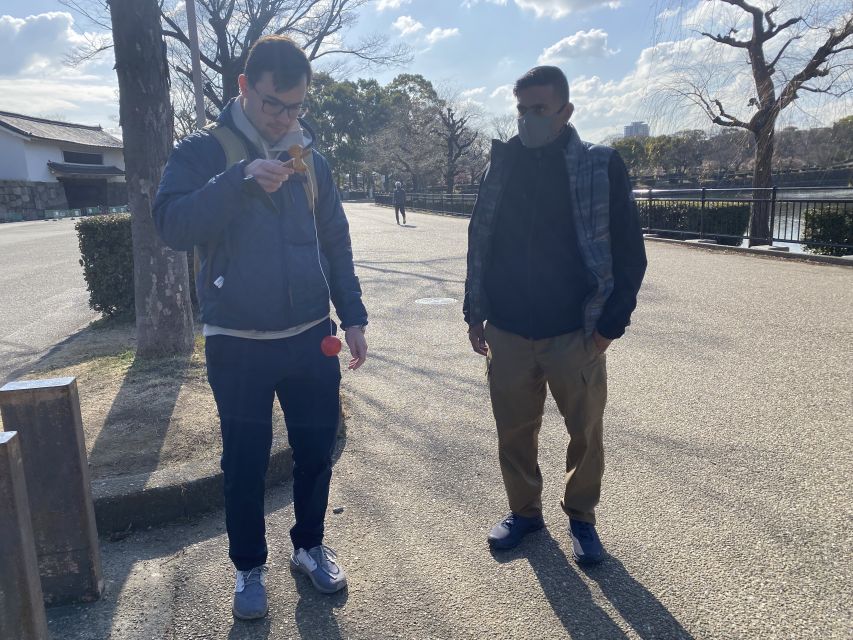
The strongest part of this experience is the way ordinary behavior becomes part of the sightseeing. You can learn a few Japanese phrases, practice greetings with locals, and discuss manners as you move through the city.
Do not expect a full language class. The tour focuses on simple phrases and basic confidence. That is enough to make a greeting, order food, or show respect at a religious site feel less intimidating.
The temple and shrine visit adds another useful layer. The guide can show you how to pray at a real Japanese religious site, rather than leaving you to guess from a distance. Please follow instructions quietly and respectfully, especially during the train portion and at places of worship.
The shopping element is also practical. The tour aims to show you places where local people often shop, but no particular market or store is guaranteed. If you want souvenirs, tell the guide early so the limited time can be used well.
Price, timing, and what you really pay for
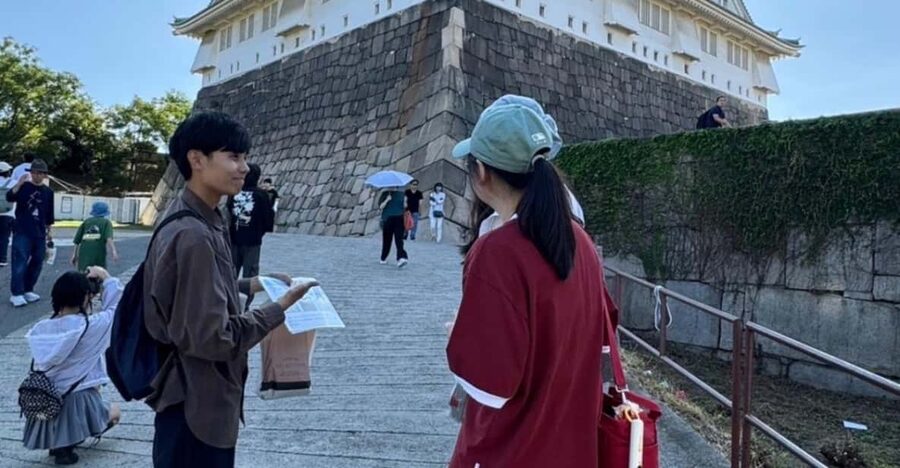
At $67 per person, the value depends on how much you want personal guidance. You are paying for a private three-hour introduction, not for meals, transport, or admission tickets. A private group can make the price reasonable if you want direct answers and help navigating cultural details.
Your extra costs include train fare, food, and optional entry fees. The suggested food budget is about 2,000 yen per person. Keep additional cash for shopping or optional purchases.
The tour is best for someone who values conversation over a packed checklist. If you want to enter every attraction and cover Osaka Castle, Shinsekai, and Dotonbori in depth, three hours will feel limited. If you want a compact orientation with a local guide, the timing works better.
The tour operates in rain unless the weather is risky. Bring suitable clothing and expect to walk outdoors. Bare feet are not allowed, so wear shoes and socks.
Free cancellation is available up to 24 hours before the activity for a full refund, and you can reserve now and pay later. The experience is listed as wheelchair accessible, but the provider also says it is not suitable for visually impaired people, pregnant women, or people over 80. Ask about your specific needs before booking.
Who should book this private Osaka walk

I would choose this tour for a first-time visitor who wants Osaka explained in plain language. It suits couples, families, or a small private party that wants to ask questions without holding up a large group.
It is also a good fit if you are curious about manners and food but do not know where to begin. The guide can connect the castle’s history with daily life in Shinsekai, then help you make sense of dining customs and simple Japanese phrases.
You may want a different plan if your main goal is a long meal, serious shopping, or detailed museum time. The route is active and compact, and its value comes from the guide’s personal help rather than from included tickets or a large number of attractions.
Should you book it?
Book this experience if you want a private cultural introduction with history, local food advice, Japanese greetings, and hands-on customs in one short outing. Yuta and Yuka bring a personal teaching element, and the small format lets you ask the questions that a large group often cannot.
Before paying, confirm two details: exactly how Dotonbori fits into the three-hour route, and whether the finish is in Shinsekai or back at the starting station. With those points clear, this is a sensible choice for a short Osaka visit, especially if you prefer local explanation and practical tips to a rigid sightseeing checklist.
FAQ
How long does the Osaka Castle and Shinsekai tour last?
The activity lasts three hours. The published schedule allows about 1.5 hours at Osaka Castle, a 15-minute train ride, and about 1.5 hours in Shinsekai.
Where does the tour start?
It starts at Ōsakajōkōen Station on the JR Osaka Loop Line. Meet outside the ticket gate, in front of the tiny 7-Eleven.
Where does the tour finish?
The timed route lists Shinsekai as the finish. The meeting information also says the activity ends back at the meeting point, so confirm the final location with the provider before booking.
Is Dotonbori included?
Dotonbori appears in the main activity description, but the timed itinerary lists Osaka Castle and Shinsekai only. Ask the provider which areas are included in your selected three-hour tour.
Are food and drinks included?
No. Food and drinks cost extra. You are advised to bring about 2,000 yen for a meal.
Are train fares included?
No. You must pay your own transportation fare during the tour.
What languages does the guide speak?
The tour is held in English or Japanese. Yuta is named as a guide, and Yuka is noted as a trainee guide who may assist.
Is the tour private?
Yes. It is offered as a private group experience with a short number of participants.
What should I bring?
Bring comfortable clothes, cash, and a charged smartphone. Wear shoes and socks because bare feet are not allowed.
New castle tours around Osaka
- From Osaka: Himeji Castle, Arima Onsen & Mt. Rokko Day Tour★ 4.6 · 339 reviews
- Osaka: Osaka Castle 3 hours Historical Walking Tour★ 4.6 · 14 reviews
- Osaka: Osaka Castle Guided Tour with Local Guide★ 4.7 · 78 reviews
- Osaka: Osaka Castle – Tsuruhashi – Tennoji (Spanish Guide)★ 4.7 · 10 reviews
- Osaka: Early Morning Osaka Castle Guided Tour, Avoid Crowds★ 4.9 · 12 reviews
- Osaka: Explore Every Bit of Osaka Castle in 3 Hours★ 5.0 · 5 reviews
- Osaka: Castle, Tea Ceremony, Calligraphy, and Samurai Armor!★ 5.0 · 4 reviews
- Osaka: Osaka Castle & Historical Museum Guided Tour★ 4.8 · 28 reviews
Japan Castle Tours, compared.
Tokyo Castle & Imperial PalaceーShogun Walking Tour
Read our review →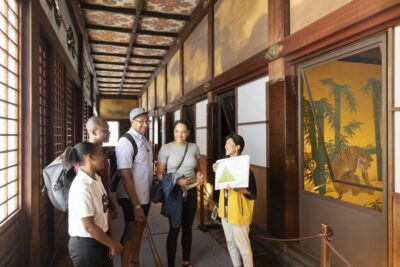
Kyoto: Nijo-jo Castle and Ninomaru Palace Guided Tour
Read our review →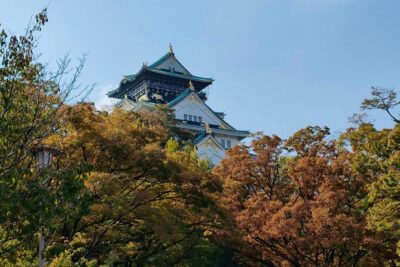
Ultimate Osaka Walking Tour: Castle, Dotonbori & Hidden Gems
Read our review →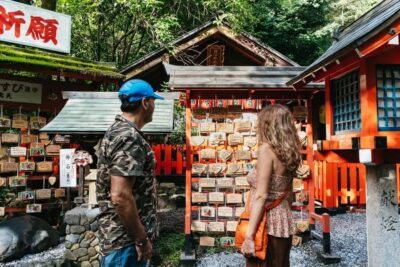
Kyoto: Nijo Castle, Kiyomizu & Fushimi Inari Guided Tour
Read our review →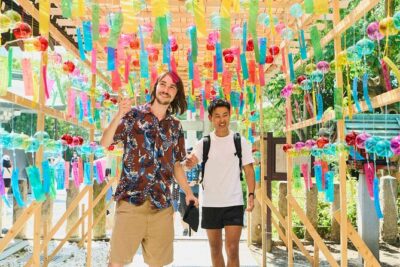
Osaka Castle Walking Tour and Castle Tower Admission
Read our review →
Imperial Palace East Garden and Edo Castle Walking Tour in Tokyo
Read our review →
Kyoto: Imperial Palace & Nijo Castle Guided Walking Tour
Read our review →Browse the lists this tour appears in