
Review · ITALY
Chianti Rufina: Wine Tour in Castle & Historical Villa
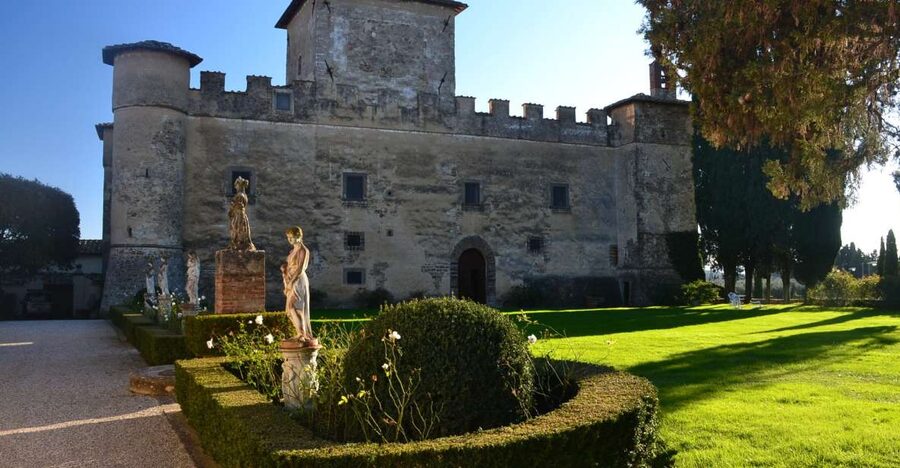
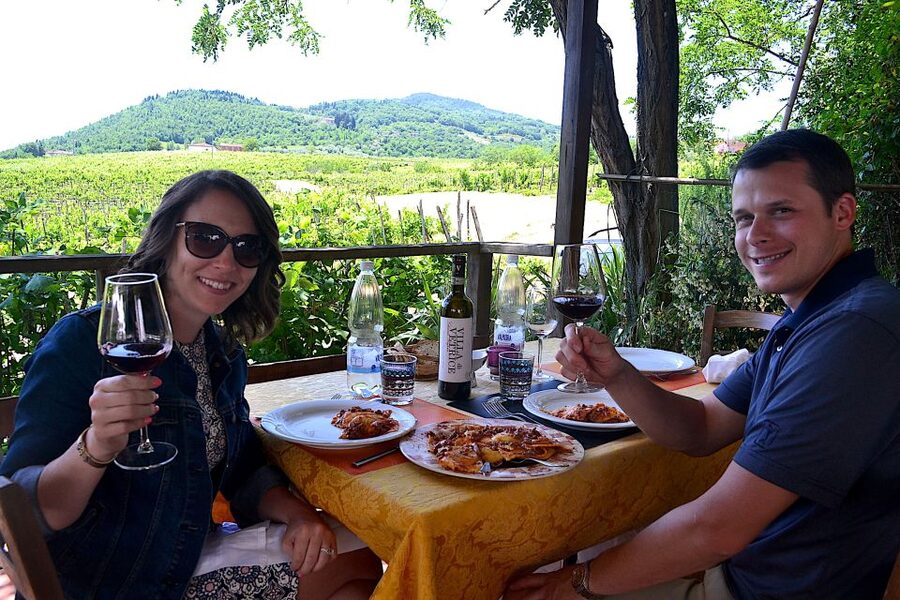
The best part of this day is the setting: you taste Chianti wines inside or around medieval castles and historic estates, not in a plain tasting room outside town. The two wineries, selected from estates such as Castello della Panereta, Castello di Monsanto, Fattoria Montecchio, and Castello dei Rampolla, give the day a strong sense of place.
I like the small group of no more than eight and the generous time at each wine stop. I also like the lunch, which turns the day into a proper Tuscan outing with pasta, cold cuts, and local cheeses. The main drawback is that the exact estates can vary, and the day is not a good fit if you have limited mobility or want a quick tasting rather than a full seven-hour excursion.
Key points to know before booking
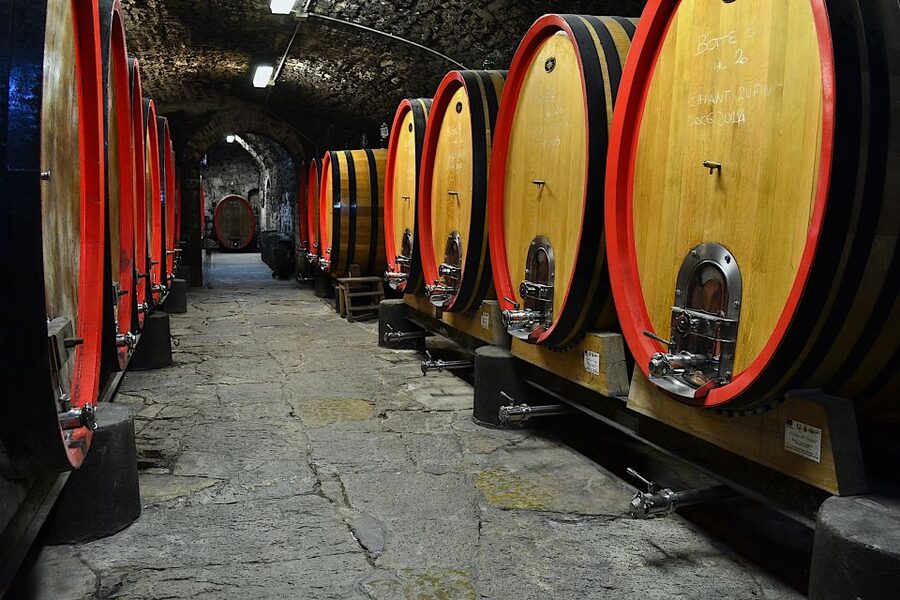
- Two estate visits: See historic Chianti wineries and taste several wines at each stop.
- Classico and Super Tuscan tastings: The lineup typically includes Chianti Classico, Chianti Classico Riserva, and a Super Tuscan.
- A real Tuscan lunch: Expect pasta, cold cuts, cheeses, and other local produce at a restaurant.
- Small-group format: The minivan carries no more than eight participants, allowing a more personal day.
- English-speaking guides: Guides such as Hillary and Matteo add wine instruction, local history, and humor.
- A countryside day from Florence: The tour leaves from Piazza dei Cavalleggeri and returns there after about seven hours.
Why this Chianti day feels different
Many wine outings from Florence focus mainly on the tasting itself. This one gives equal weight to the setting, the food, the road through the hills, and the stories behind the estates.
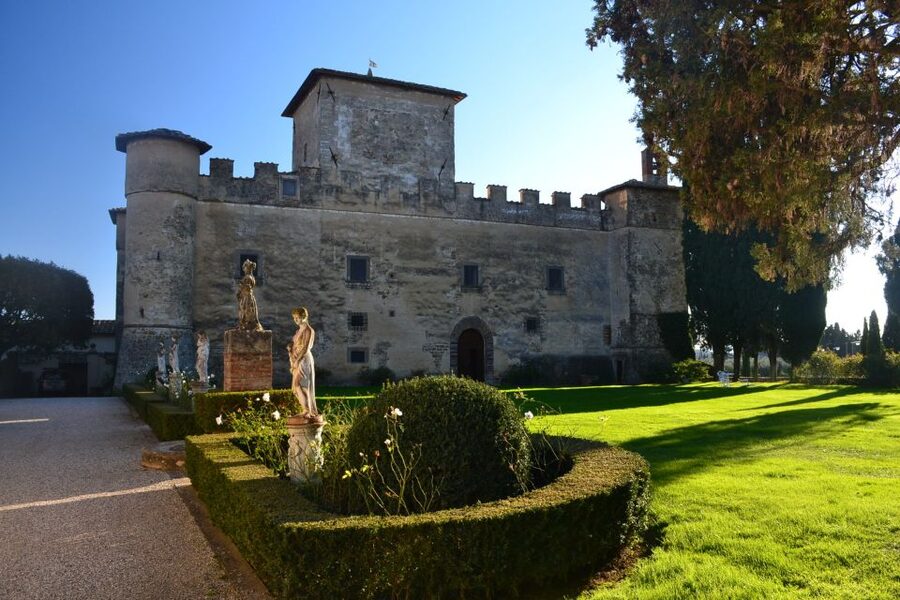
The wineries occupy grounds connected with old castles and fortified settlements. That matters because Chianti wine is not separate from Tuscan history. The vineyards, stone buildings, cellars, and hilltop positions all help explain why wine production became such an important part of local life.
You also get a useful comparison between estates. One visit takes place in the Rufina area, while the afternoon stop is in the Chianti Hills. The precise properties can change, but the plan remains the same: two winery visits, two rounds of tasting, a long lunch break, and time on the road to enjoy the countryside.
I would choose this outing for someone who wants more than a bottle of wine and a quick explanation. You will spend enough time with the guide to learn how to taste, how the wines differ, and how food affects what you notice in the glass.
More history behind the walls around Italy:
- Lake Garda: Historic Castle Cruise with Wine Tasting
★ 4.5 · 241 reviews - Edinburgh: Edinburgh Castle Guided History Tour with Tickets
★ 4.8 · 9,933 reviews - Charleston historical walking tour with a Professor of History at The Citadel
★ 5.0 · 1,284 reviews
Leaving Florence from Piazza dei Cavalleggeri
The meeting point is Piazza dei Cavalleggeri, in front of the staircase of the Biblioteca Nazionale. This is also where you return at the end of the day.
The drive out of Florence takes about 45 minutes. A small minivan is a practical choice here. It avoids the trouble of renting a car, keeps the group together, and lets you look out at the Tuscan countryside instead of worrying about roads and directions.
The ride is still part of the experience, though you should be ready for a full day with several hours in the vehicle. This is not a short trip that squeezes in one tasting before lunch. Plan on about seven hours from start to finish.
Bring comfortable shoes. You will be visiting old estate grounds and cellars rather than staying on smooth city pavement. Large bags and luggage are not allowed, so take only what you need for the day.
The first winery and Rufina tasting
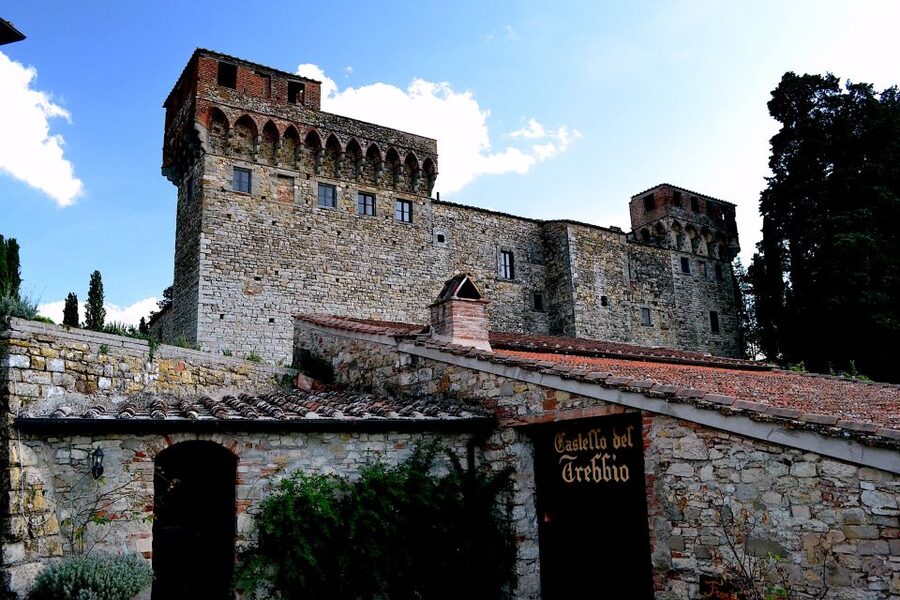
The first wine stop is scheduled in the Rufina area and lasts about two hours. Depending on the day, the estate may be Castello della Panereta or Castello di Monsanto.
The visit includes an explanation of the cellar and the wines made on the property. The usual selection includes a Chianti Classico, a Chianti Classico Riserva, and a Super Tuscan. That range gives you a useful progression, from the estate’s regular expression to a more developed reserve and then a wine made in a style that sits outside the traditional Chianti classification.
You are not simply handed three glasses with no context. The guide explains the wine-growing traditions of the area and helps you pay attention to aroma, taste, and food pairing. Hillary, one of the guides, is especially good at making the tasting less intimidating. She teaches you to trust your nose and palate, rather than treating wine as a test you can fail.
That is valuable for beginners. You do not need a trained palate to enjoy the stop, and you will get more from it if you ask questions and compare the wines instead of trying to identify every scent.
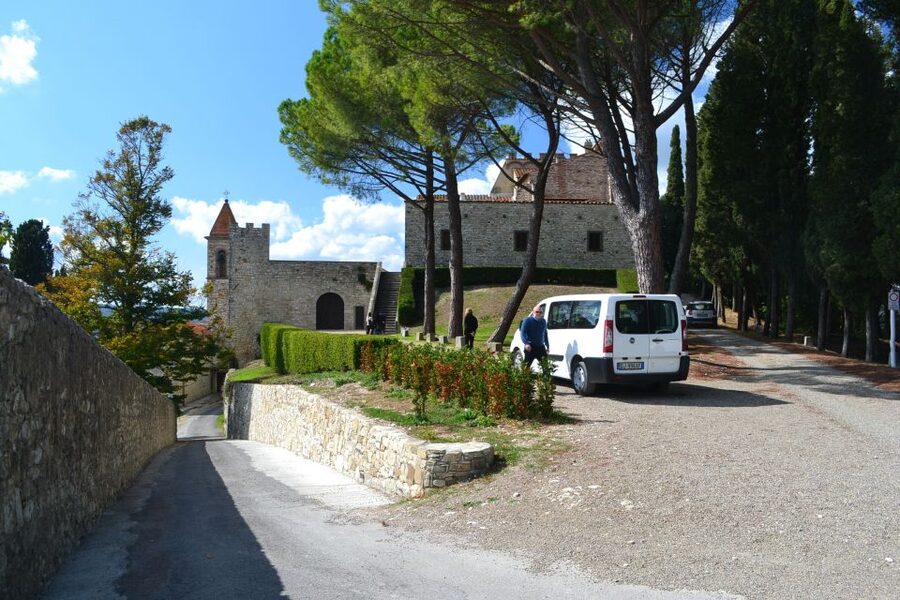
The castle setting adds plenty of atmosphere. Old stone, historic grounds, and working wine production make the tasting feel tied to the region. The exact character of the first estate depends on the schedule, so do not book this expecting one guaranteed castle interior or one specific bottle.
A two-hour Tuscan lunch in a local restaurant
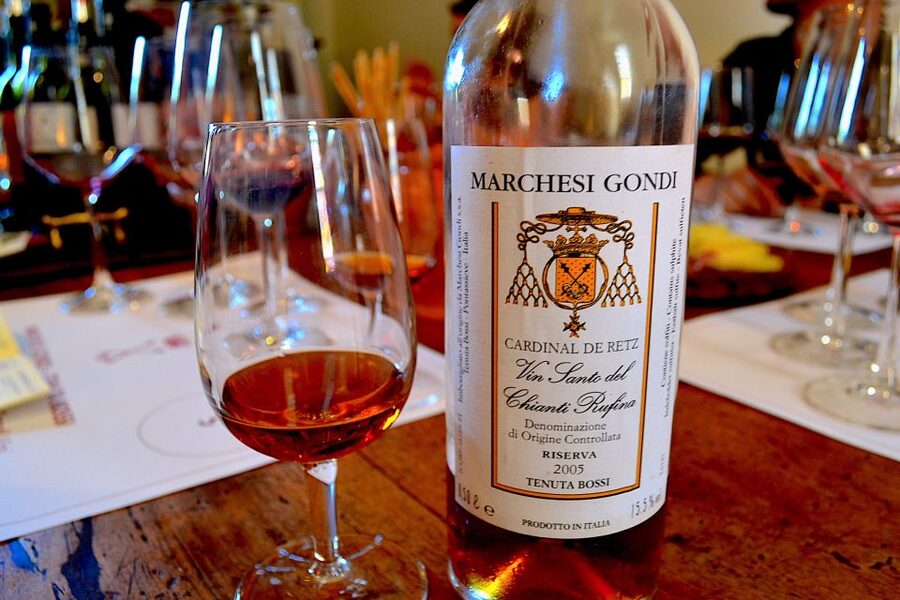
Lunch lasts about two hours and is more than a quick sandwich stop. The meal includes local Tuscan produce, with pasta, cold cuts, and cheeses among the expected dishes.
This is one of the strongest parts of the day for me. Wine makes more sense when you taste it with food, and the lunch gives you a chance to see how Tuscan reds work at the table. It also gives the day a slower rhythm after the first tasting.
The meal is described as light, but two hours is enough time to eat without being rushed. You should still keep your expectations realistic. This is not presented as a formal multi-course food tour, and no detailed menu is promised in advance.
The restaurant stop also breaks up the driving and gives you time to talk with the guide and the other people in the van. In a group capped at eight, conversation is usually easier than on a large coach. If you enjoy food as much as wine, this part adds real value to the price.
More castles to explore around Italy:
- Milan: Sforza Castle Entry Ticket with Digital Audio Guide
★ 4.0 · 2,675 reviews - Milan: Sforza Castle and Michelangelo’s Pietà Rondanini Tour
★ 4.7 · 1,119 reviews - From Siena: Chianti and Castles Tour with Wine Tastings
★ 4.6 · 631 reviews - Milan: The Last Supper & Sforza Castle Guided Tour
★ 4.6 · 610 reviews
Afternoon tasting in the Chianti Hills
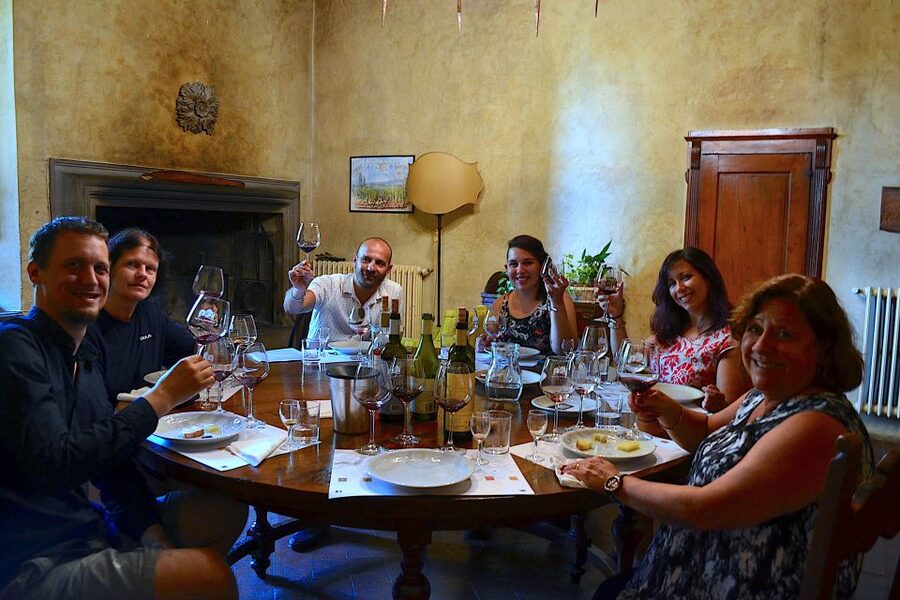
The second wine visit takes place in the afternoon, in the Chianti Hills. The possible estates are Fattoria Montecchio or Castello dei Rampolla.
Again, plan for roughly two hours. You will taste more Chianti wines and hear about the production methods and traditions of the estate. After the first visit, you have a point of comparison. Pay attention to how the wines differ in balance, finish, structure, or the way they suit food.
The second stop is also where the castle and villa setting becomes especially useful. Historic properties give you a sense of how wine estates grew around old settlements and fortified sites. You are seeing a working side of Tuscany, not only the polished views that appear on postcards.
The day is built for people who enjoy a gradual tasting. If you prefer only one winery and a short outing, two two-hour visits may feel long. The tour includes a fair amount of wine, so pacing yourself is wise. You do not need to finish every glass to take part fully.
The final drive back to Florence takes about 45 minutes. The tour ends at the same Piazza dei Cavalleggeri meeting point, which is convenient if you have evening plans in the city.
What the guides add to the day
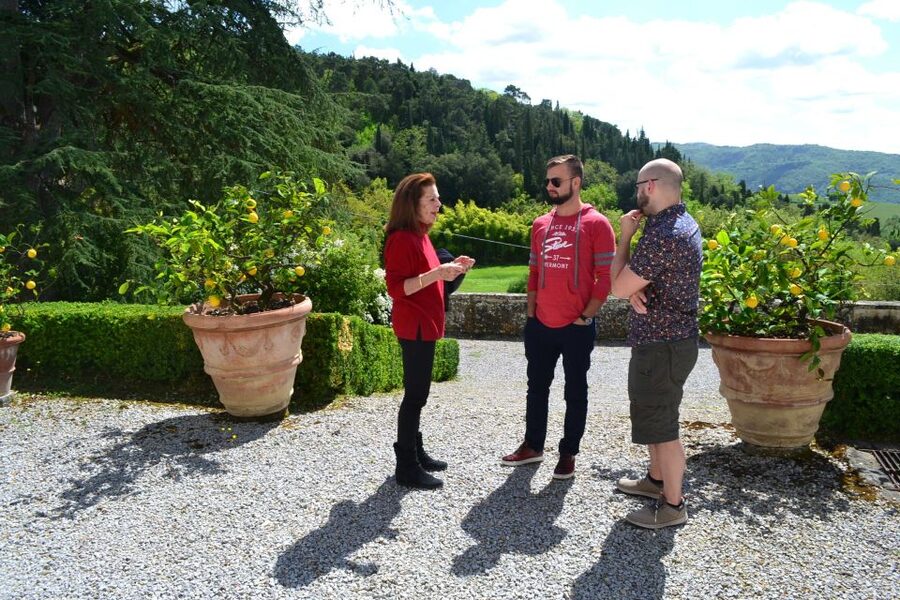
The guide can make or break a wine tour, and the strongest guide details here are worth noting. Hillary is described as patient, witty, and engaging, with a talent for explaining wine without making the subject feel stiff. She also covers practical matters such as opening wine, allowing it time before serving, and matching it with food.
Matteo brings a different strength. He is described as witty and well informed about both the wine and the area. Another guide is praised for excellent English and for connecting the wines with local history.
The guide is not only a driver who points out vineyards. You can expect help with tasting technique, background on the estates, and explanations of Chianti’s wine traditions. Since the tour is in English, the experience suits visitors who want their wine education in clear, conversational language.
Guide assignments are not guaranteed, so do not book solely to meet one named guide. Still, the pattern is clear: the human side of the tour is an important part of its appeal.
What you get for $283.21
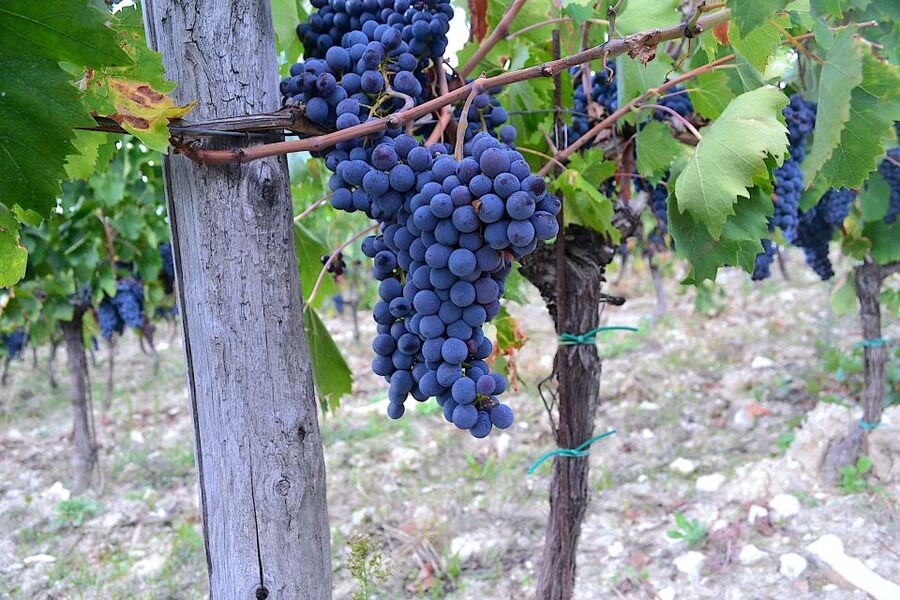
At $283.21 per person, this is not a budget wine stop. It is priced as a full-day experience from Florence, with transportation, an expert local guide, tasting fees, and lunch included.
To judge the value, add up what you would otherwise need to arrange yourself: transport into the countryside, a driver, two winery reservations, tasting fees, and a restaurant meal. Driving after several tastings is also a concern, so the minivan removes a practical problem.
The price makes the most sense if you want a ready-made day and care about the historical setting. It is less compelling if you already have a car, can arrange winery visits independently, or mainly want to buy inexpensive table wine.
The small group improves the value. With no more than eight people, the guide has a better chance to answer questions and adjust the explanation to the group. You are not paying only for transport. You are paying for access, interpretation, lunch, and a structured route through two wine areas.
A reserve-now-and-pay-later option is available, which can help if your Florence plans are still shifting. Check the exact cancellation terms before booking, since the supplied terms mention both free cancellation up to 24 hours and separate administrative charges for some cancellation windows.
Who should book this experience
I would recommend it to:
- Wine beginners who want friendly instruction rather than technical lectures
- Couples looking for a full day outside Florence
- History lovers who enjoy old castles and estate buildings
- Food-minded visitors who want lunch included
- Small groups who prefer a minivan to a large coach
- Anyone who does not want to drive after wine tasting
It is less suitable for people with mobility impairments, and the activity is not recommended for pregnant women. The day includes driving, walking around historic properties, and several tastings, so comfortable shoes and sensible pacing matter.
It is also not ideal if you want complete control over the schedule. The wineries may be Castello della Panereta or Castello di Monsanto in the morning, then Fattoria Montecchio or Castello dei Rampolla in the afternoon. The exact combination is part of the tour’s flexibility, but it means you should focus on the type of day rather than one guaranteed estate.
Small details that improve the day
Start with a light breakfast and drink water. The tour includes lunch, but the morning tasting begins before that meal, and the day continues with another winery in the afternoon.
At the tastings, listen for the guide’s food-pairing advice. The most useful lesson may not be identifying a particular aroma. It may be learning which wines work with pasta, cold cuts, or cheeses and how serving time affects the glass.
Keep your bag small. Large bags and luggage are not allowed, and a compact day bag is easier in a minivan and around old cellar spaces.
If you are choosing between this and a shorter wine visit, ask yourself how much time you want in the countryside. Seven hours is a real day trip. You get a fuller sense of the region, but you give up most of a day in Florence.
Should you book this Chianti wine tour?
Book it if you want two serious tastings, a castle setting, a proper Tuscan lunch, and an English-speaking guide without arranging the details yourself. The small group, included transport, and strong guide focus make the price easier to justify.
Skip it if you are looking for a brief tasting, have strict mobility needs, or want to choose every winery in advance. For the right visitor, this is a well-shaped day that connects wine with food, old estates, and the countryside around Florence.
FAQ
How long does the Chianti wine tour last?
The activity lasts about seven hours, including transportation, two wine tastings, lunch, and the return to Florence.
Where does the tour begin and end?
It begins and ends at Piazza dei Cavalleggeri, in front of the staircase of the Biblioteca Nazionale in Florence.
How many wineries do you visit?
You visit two Chianti wine estates, one in the Rufina area and one in the Chianti Hills.
Which wineries might be included?
The morning visit may be at Castello della Panereta or Castello di Monsanto. The afternoon visit may be at Fattoria Montecchio or Castello dei Rampolla.
What wines are included in the tastings?
The tastings typically include at least one Chianti Classico, one Chianti Classico Riserva, and a Super Tuscan, along with other prestigious Chianti wines.
Is lunch included?
Yes. Lunch at a local restaurant is included and features Tuscan specialties such as pasta, cold cuts, and cheeses.
Is the tour suitable for people with mobility impairments?
No. The activity is listed as unsuitable for people with mobility impairments. Comfortable shoes are recommended, and large bags or luggage are not allowed.
New castle tours around Italy
- Pastrengo: e-bike tour and wine tasting in the Castle★ 4.8 · 9 reviews
- Naples Express Tour: Castles, Legends & the Gulf★ 5.0 · 9 reviews
- Naples: San Martino and Sant’Elmo Castle Guided Tour★ 4.9 · 48 reviews
- Montone: Medieval Dinner in Cardaneto Castle★ 5.0 · 2 reviews
- Montone: Pasta Making and Dinner at Cardaneto Castle★ 5.0 · 4 reviews
- Montalcino: Brunello Wine Tasting & Lunch in a Tuscan Castle★ 4.6 · 324 reviews
- Montalcino: Castle and Vineyards Tour with Tasting★ 4.2 · 55 reviews
- Miramare: The most romantic, beautiful and sad castle.★ 4.2 · 6 reviews
Italy Castle Tours, compared.
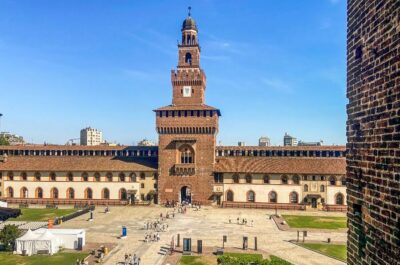
Milan: Sforza Castle Entry Ticket with Digital Audio Guide
Read our review →
Milan: Sforza Castle and Michelangelo’s Pietà Rondanini Tour
Read our review →
From Siena: Chianti and Castles Tour with Wine Tastings
Read our review →
Milan: The Last Supper & Sforza Castle Guided Tour
Read our review →
Montalcino: Brunello Wine Tasting & Lunch in a Tuscan Castle
Read our review →
Lake Garda: Historic Castle Cruise with Wine Tasting
Read our review →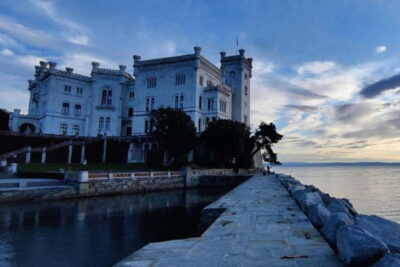
Trieste: Miramare Castle & Museum Entry Ticket & Audio App
Read our review →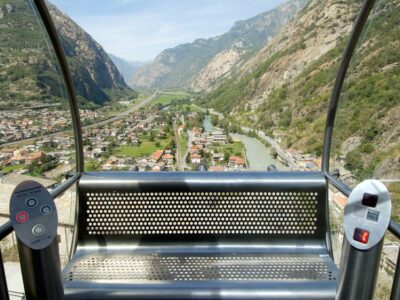
Fortress: Prisons, Museum of Fortifications and Alps Museum
Read our review →Browse the lists this tour appears in