
Review · JAPAN
Odawara: Castle Guided Tour with Panoramic Views
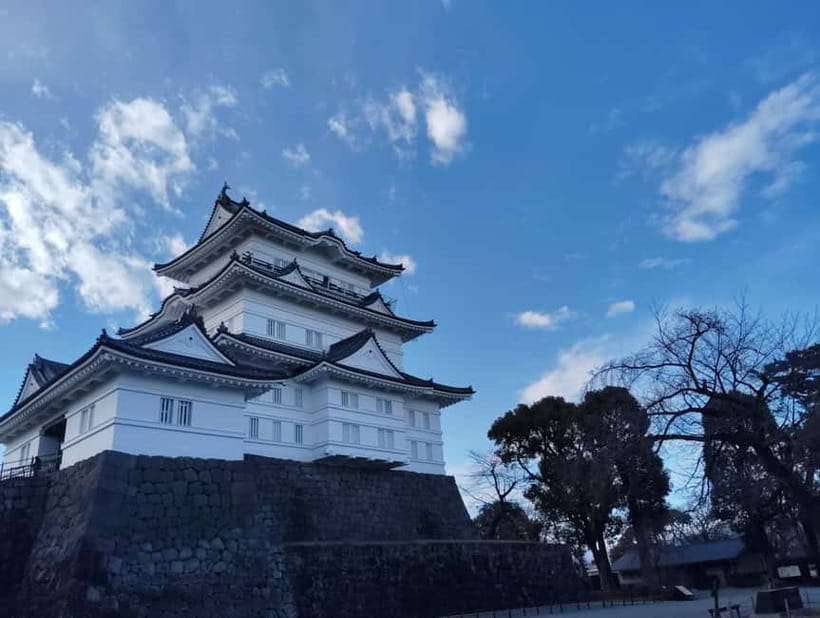
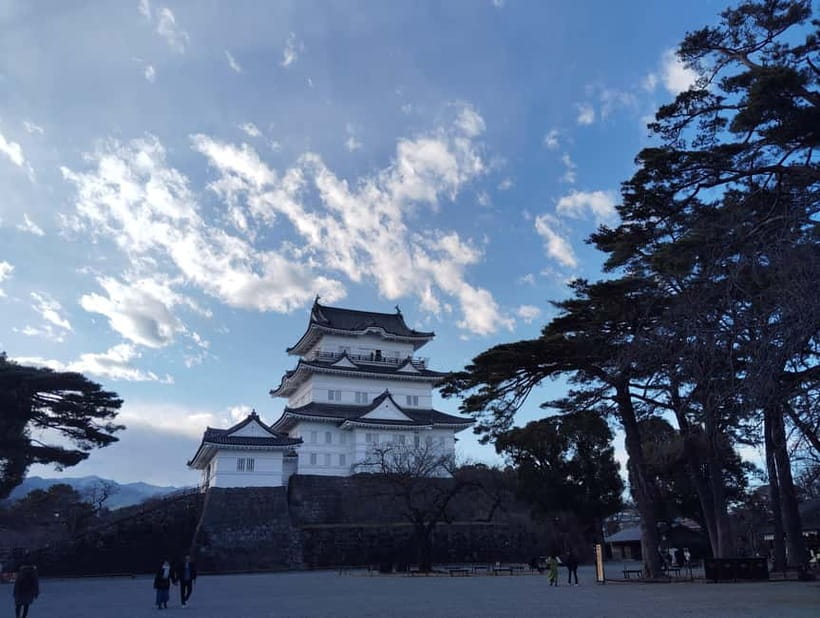
Odawara Castle is more than a handsome white building. Its real appeal is the story of a regional power that held off major warlords, then helped shape the future of eastern Japan. From the main keep, you can look across the area and see why this hilltop fortress mattered.
I like the tour’s focused 90-minute length and its private-group format. I also like the mix of Hojo clan history, Sengoku-era displays, and the climb to the top for views toward Tokyo Bay. A guide can turn walls and stairways into clues rather than letting you simply walk past them.
The main drawback is access. The tour is not suitable for wheelchair users or people with mobility impairments, and reaching the top requires walking through the castle grounds and main keep. The $49 price is reasonable if you want context and questions answered, but less so if you only want a quick look at the building.
Key points to know before you book
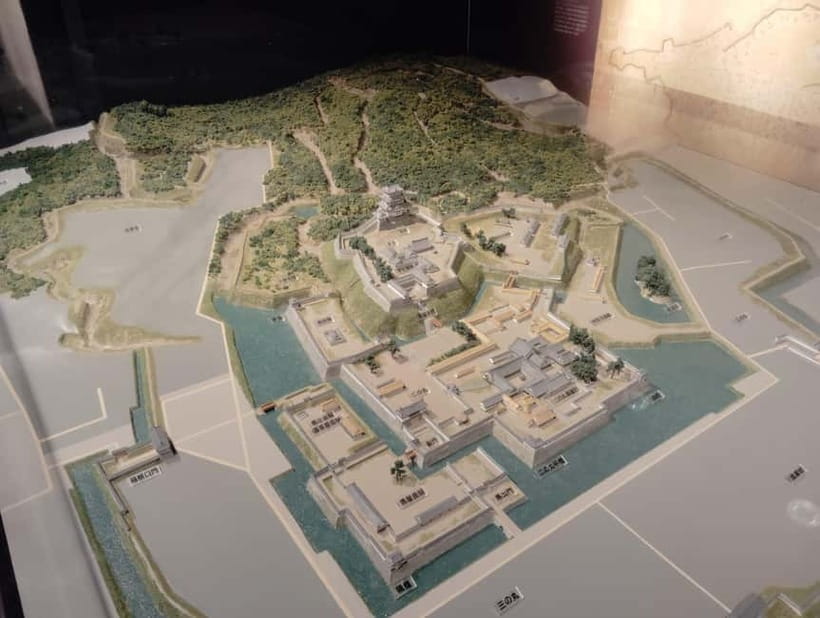
- The top of the main keep is the payoff: Clear weather may reveal the Boso Peninsula across Tokyo Bay.
- The Hojo clan takes center stage: You learn how its leaders built power across the Kanto region.
- Major Sengoku battles shape the story: The guide covers attacks linked to Takeda Shingen and Uesugi Kenshin.
- The private format keeps the pace personal: You can focus on history, architecture, or family questions as needed.
- Kai-San has guided adults and children: One highly rated visit praised the balance of history and culture for a mixed-age group.
- Weekdays are the calmer choice: The castle is generally less crowded then, making it easier to hear and look around.
Why Odawara Castle matters in Japan’s Sengoku era
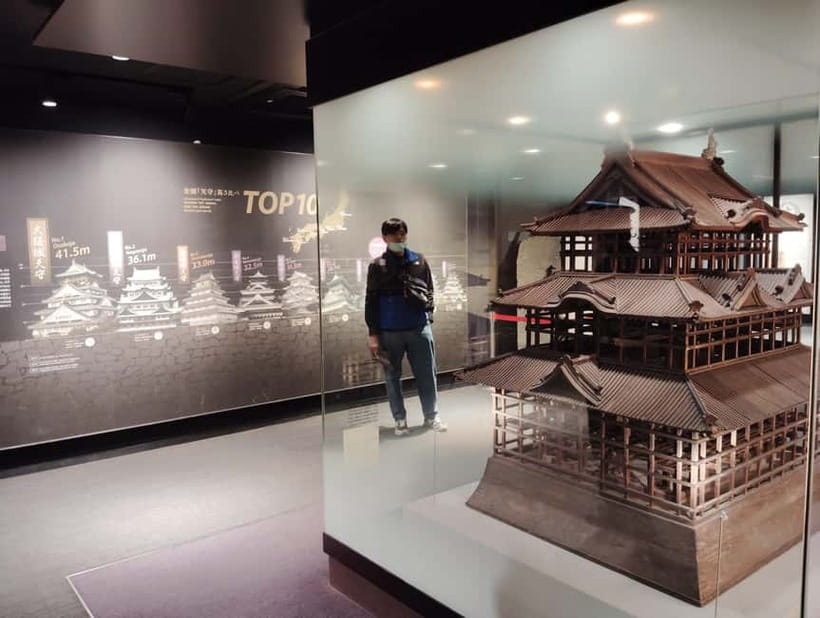
Odawara Castle was the stronghold of the Hojo clan, one of the key powers of Japan’s Sengoku era. This was a long period of conflict when regional warlords competed for land, influence, and control.
The Hojo family’s ambition reached well beyond one castle. Its leaders worked to unite much of the Kanto region, the broad area around present-day Tokyo and eastern Honshu. That makes Odawara useful for understanding Japan before national unification, when local power could shift with every campaign.
Your guide gives this political story a physical setting. A wall is not just a wall. Its placement, height, and approach help explain how a castle protected its rulers and controlled movement through the region.
The name Odawara also carries weight because the castle faced attacks from famous commanders, including Takeda Shingen and Uesugi Kenshin. The stronghold’s defenses allowed it to withstand repeated pressure. You will hear how its strategic position and fortifications shaped its reputation.
This is the sort of context that can be hard to grasp from a museum label alone. The guide connects the people, battles, architecture, and surrounding views so the castle becomes easier to read.
More Guided Castle Tours in Japan
- Kyoto: Nijo-jo Castle and Ninomaru Palace Guided Tour
★ 4.7 · 1,020 reviews - Kyoto: Nijo Castle, Kiyomizu & Fushimi Inari Guided Tour
★ 4.7 · 700 reviews - Kyoto: Imperial Palace & Nijo Castle Guided Walking Tour
★ 4.7 · 453 reviews
Starting at the Benzaiten Circle Ruins
The meeting point is Odawara Castle Benzaiten Circle Ruins, written locally as 小田原城 弁財天曲輪跡. Look for the guide holding a yellow DeepExperience sign.
This starting point is practical because it places you at the castle grounds rather than beginning with a long city walk. Still, give yourself enough time to find the exact meeting spot. Odawara Castle has several paths, gates, and open areas, and arriving early is wise if you are unfamiliar with the grounds.
The opening portion is a guided walk through the castle area. You can expect explanations of the site, the Hojo family, and the wider Sengoku period before reaching the main keep.
The ruins and surrounding grounds also help set the tone. You are not stepping into a preserved warlord residence exactly as it looked centuries ago. You are exploring a historic site with reconstructed and restored elements, museum displays, and traces of the earlier fortress. A good guide helps separate the physical remains from the stories tied to them.
Reading the castle defenses through stories of war
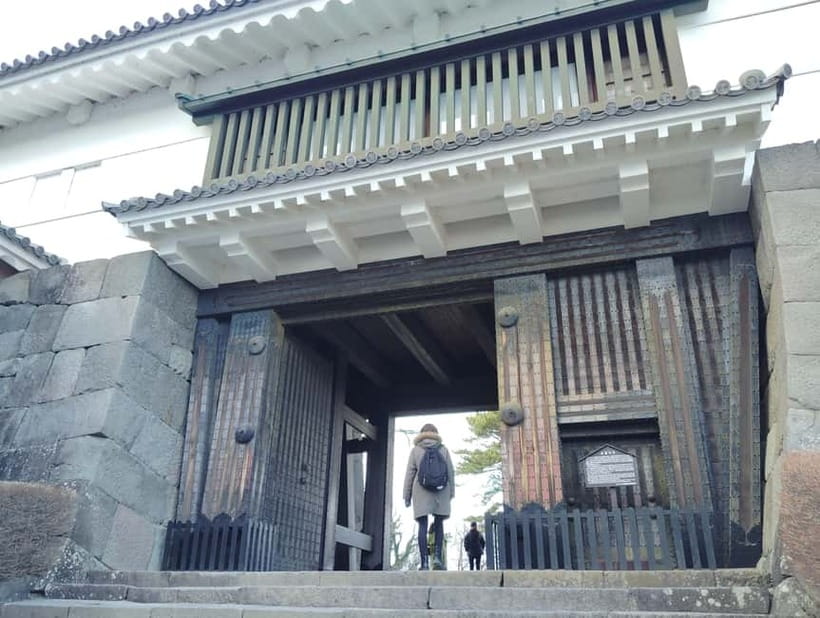
Odawara’s best lesson is its defensive role. The castle was not simply a residence with attractive views. It was a military base designed to protect the Hojo clan and support its regional power.
The tour covers the fierce conflicts that made the castle famous. Hearing about Takeda Shingen and Uesugi Kenshin gives you a sense of the level of competition around Odawara. These were not small local disputes. The castle sat within the struggles of major warlords seeking control over the Kanto region.
I find this part especially useful because it gives purpose to the walk. Instead of looking at stonework, gates, and elevated ground as separate sights, you can consider how they worked together. You may also come away with a clearer idea of why controlling Odawara mattered.
The guide’s explanations are in English, and the private-group setting should make it easier to ask for clarification. That matters if Japanese military history is new to you. Names, alliances, and battles can blur together quickly, so the chance to pause and ask a question has real value.
The tour is also suitable for a family group that wants more than a children’s activity. A highly rated visit with two adults and two children praised the balance of history and culture, with Kai-San leading the group. Your guide may be different, but the format can work well when ages and interests vary.
The main keep and the view from above
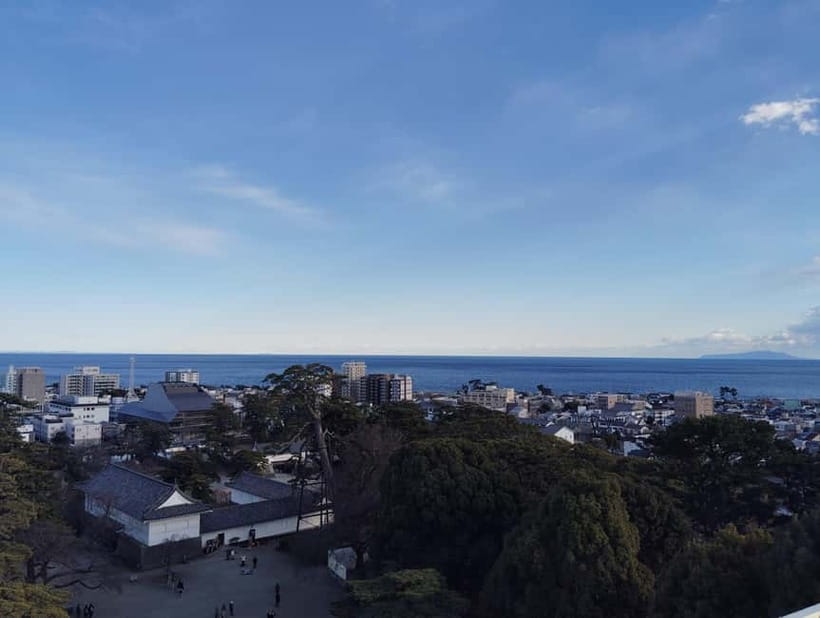
The highlight is access to the top of the main keep. From there, you get broad views of Odawara and the surrounding area. On a clear day, you may even see the Boso Peninsula across Tokyo Bay.
Weather matters here. The view is one of the tour’s strongest features, but haze, clouds, or rain can reduce what you see. Check the forecast and dress for the conditions rather than treating the climb as an indoor museum visit.
The panorama also adds meaning to the castle’s location. From above, you can better understand the value of a high defensive position and the relationship between the fortress and the surrounding area. It is a practical view, not just a photo stop.
Bring a camera, but remember that flash photography is not allowed. The tour also advises comfortable shoes and water. Those suggestions are worth taking seriously, since the visit involves walking through the grounds and moving inside the main keep.
The climb may be uncomfortable for anyone with limited mobility. The activity is specifically not suitable for people with mobility impairments or wheelchair users. If stairs, uneven surfaces, or extended walking are a concern, this is an important reason to choose another way to see Odawara Castle.
Same stronghold, another way through the gate:
- Osaka Castle: Museum and Tower Entry Ticket
★ 4.5 · 2,380 reviews - Tokyo Castle & Imperial PalaceーShogun Walking Tour
★ 4.7 · 1,068 reviews - Ultimate Osaka Walking Tour: Castle, Dotonbori & Hidden Gems
★ 5.0 · 862 reviews - Tokyo Castle & Imperial PalaceーShogun Walking Tour
★ 5.0 · 724 reviews
Exhibits that make the Sengoku period easier to picture
Inside the castle, historical exhibits and artifacts help you picture the period beyond the broad outline of battles. The displays support the guide’s explanations of the Hojo family, castle architecture, and the political forces around Odawara.
Do not expect a huge museum visit within the 90-minute schedule. The experience is designed as a guided introduction, not an entire day devoted to every display. The advantage is focus. You get a clear story and a planned route rather than wandering without knowing what deserves attention.
I like this balance for a first visit. If you already have a strong interest in the Sengoku era, you may want more time afterward to explore at your own pace. If you are new to the period, the guide should help you understand why the objects and rooms matter.
The historical material also adds texture to the Hojo story. You learn not only about battles, but about the family’s role in governing and expanding its influence. That wider frame keeps the tour from becoming a simple list of famous names.
What the 90-minute schedule feels like
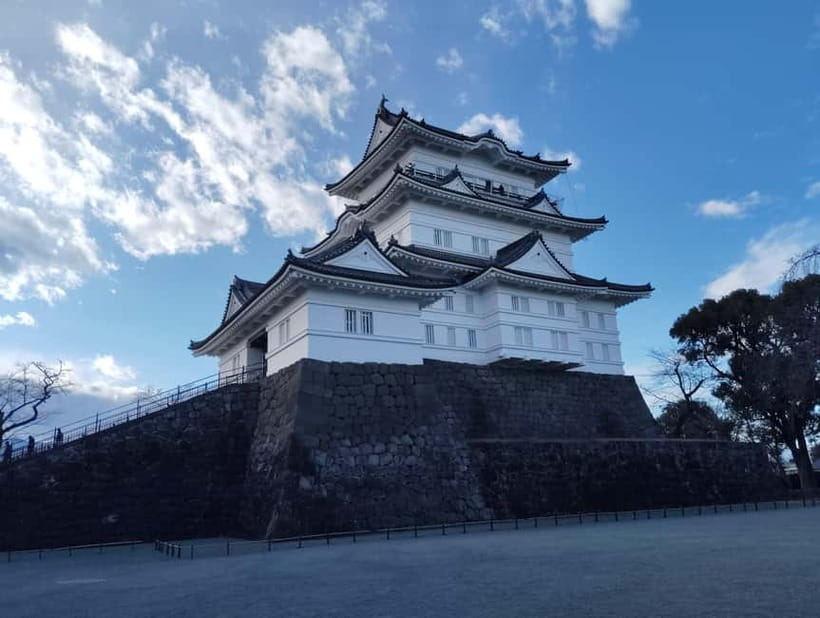
The total duration is 90 minutes, with the castle visit taking the full period. The route begins at the Benzaiten Circle Ruins and finishes at Odawara Castle.
That length works well for a stop in Odawara. You have enough time for a guided walk, historical explanations, exhibits, and the main keep without committing half a day. It can also fit neatly before or after other plans in the area.
The pace may feel brisk if you want to study every artifact or stop often for photographs. The tour includes sightseeing, walking, and a photo stop, but its main purpose is interpretation. You are paying for a guide who organizes the story and points out what deserves your attention.
A private group is helpful here. You are not tied to the interests of a large crowd, and a guide can spend more time on questions that match your group. Families may want simple explanations, while history fans may prefer more detail about the Hojo clan or the castle’s conflicts.
English is the tour language. One guide, Kai-San, received particular praise for working well with both adults and children and for mixing history with culture. That suggests the experience is not limited to military facts, though guide assignments can vary.
Is $49 a fair price?
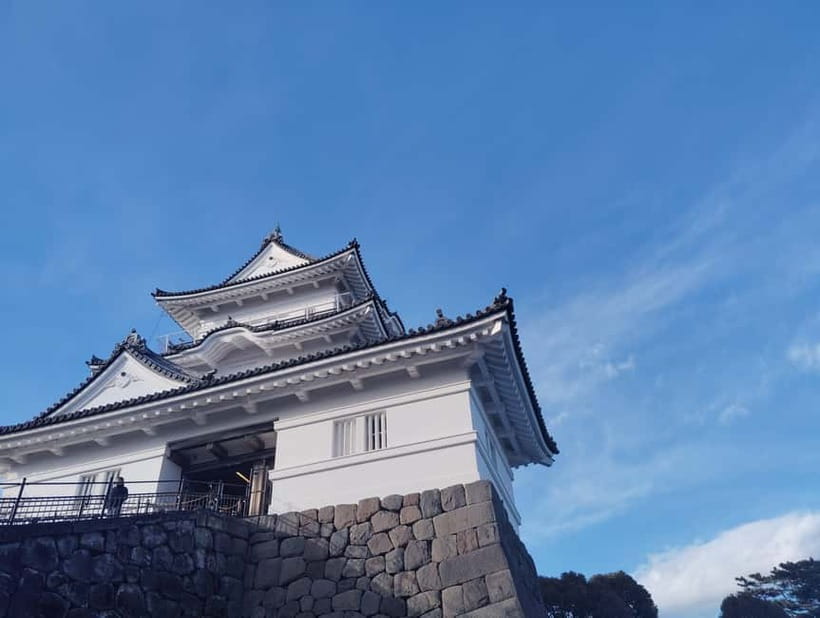
At $49 per person, this is not the cheapest way to enter Odawara Castle. Admission is included, but the real expense covers the professional English-speaking guide and the private-group format.
I see the value in two situations. First, book it if you want the castle explained in context. The Hojo clan, Sengoku politics, and battles involving major warlords are easier to follow when someone organizes the details. Second, book it if your group includes children or adults with different interests. A live guide can adjust the explanation better than a fixed display.
The price is harder to justify if you only want access to the main keep and a quick view. You could prefer a self-guided visit and spend as much time as you like with the exhibits and photographs.
The strong point is that the tour concentrates your time. In 90 minutes, you get the grounds, the main keep, the view, and a connected explanation of why the castle mattered. For a first visit to Odawara, that can be a fair trade.
Who will enjoy this castle walk most?
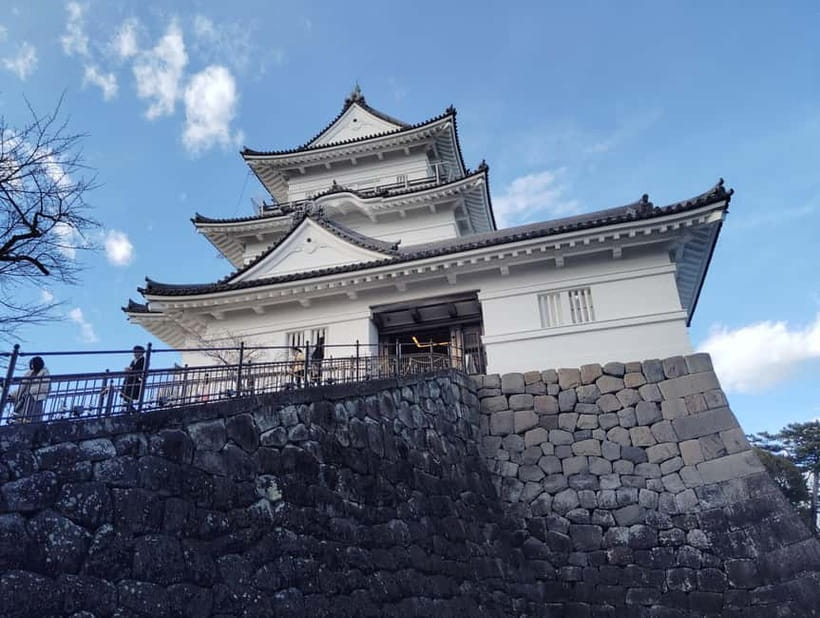
I would choose this experience for travelers who want Japanese history explained in plain English rather than read from signs alone. It also suits couples, families, and small private groups that prefer a set route with room for questions.
You will likely get the most from it if you have at least a little interest in the Sengoku era. You do not need specialist knowledge. The guide provides the basic political and military context, then connects it to the actual site.
Families should consider it if children can manage the walking and stairs. The visit with Kai-San included two children and received praise for balancing history and culture. The castle setting gives younger visitors something concrete to look at, while the battle stories add drama.
I would be cautious about booking if you use a wheelchair or have a mobility impairment. The activity is not suitable for wheelchair users, and the tour includes walking through the grounds and access to the main keep.
Photography fans should also check the forecast. Clear weather gives the best chance of seeing across Tokyo Bay, while poor weather can turn the top-floor view into a much shorter experience.
Small practical details that improve the visit
Wear comfortable shoes and bring water. The tour involves a walking route through the castle grounds, and the main keep requires moving through the structure to reach the top.
Check the weather before leaving. The castle view changes greatly with conditions, and appropriate clothing will make the outdoor parts more pleasant.
Weekdays are the better choice if your schedule allows. The castle is less crowded then, which can make it easier to hear the guide and spend a little more time looking at the exhibits.
Smoking is not allowed, and flash photography is prohibited. Bring a camera for the panoramic views, but plan to photograph without flash inside.
The meeting guide will hold the yellow DeepExperience sign at the Benzaiten Circle Ruins. The tour finishes at Odawara Castle, so you should not expect hotel pickup or drop-off. Food and drinks are also not included, as are personal expenses.
Free cancellation is available up to 24 hours before the tour for a full refund. You can also reserve now and pay later, which is useful when your Japan plans are still shifting.
Should you book the Odawara Castle tour?
Book this tour if you want the castle’s story to make sense, not just a quick look at a striking building. The Hojo clan, the attacks by Takeda Shingen and Uesugi Kenshin, and the view toward the Boso Peninsula give the visit real substance.
The private format, English guide, and 90-minute schedule are the main reasons to pay $49. Kai-San’s praised work with adults and children also suggests that the experience can suit a mixed-age group, though your assigned guide may differ.
Skip it if you only want independent sightseeing, need wheelchair access, or dislike walking and stairs. For everyone else, choose a weekday with clear weather, wear good shoes, and treat the main keep view as the reward for paying attention to the story below.
FAQ
How long does the Odawara Castle guided tour last?
The tour lasts 90 minutes.
What language is the tour conducted in?
The tour is conducted in English with a live English-speaking guide.
Is the tour private?
Yes. The activity is arranged for a private group.
Where does the tour meet?
Meet at Odawara Castle Benzaiten Circle Ruins, written locally as 小田原城 弁財天曲輪跡. The guide will hold a yellow DeepExperience sign.
Where does the tour finish?
The tour finishes at Odawara Castle.
Is admission to Odawara Castle included?
Yes. Admission to Odawara Castle and access to the main keep are included.
Can I see the Boso Peninsula?
On clear days, you may be able to see the Boso Peninsula across Tokyo Bay from the top of the main keep.
Is the tour suitable for wheelchair users?
No. The activity is not suitable for wheelchair users or people with mobility impairments.
What should I bring?
Bring comfortable shoes, a camera, and water. Check the forecast and dress appropriately for the weather.
Is cancellation available?
Yes. You can cancel up to 24 hours in advance for a full refund. Reserve now and pay later is also available.
New castle tours around Japan
- Peace Memorial Park, Hiroshima Castle, & Garden Private Tour★ 4.8 · 7 reviews
- From Osaka: Himeji Castle, Arima Onsen & Mt. Rokko Day Tour★ 4.6 · 339 reviews
- Osaka/kyoto: Himeji Castle, Kobe. Luxury Day Trip with Guide★ 5.0 · 2 reviews
- Osaka: Osaka Castle – Tsuruhashi – Tennoji (Spanish Guide)★ 4.7 · 10 reviews
- Osaka: Osaka Castle 3 hours Historical Walking Tour★ 4.6 · 14 reviews
- Osaka: Osaka Castle Guided Tour with Local Guide★ 4.7 · 78 reviews
- Osaka: Castle, Tea Ceremony, Calligraphy, and Samurai Armor!★ 5.0 · 4 reviews
- Osaka: Early Morning Osaka Castle Guided Tour, Avoid Crowds★ 4.9 · 12 reviews
Guided Castle Tours, compared.

Edinburgh Castle: Guided Walking Tour with Entry Ticket
Read our review →
Seville: Cathedral, Giralda & Alcazar Entry With Guided Tour
Read our review →
Stonehenge, Windsor Castle and Bath Full Day Guided Tour
Read our review →
Edinburgh Castle Guided Walking Tour in English
Read our review →
Seville: Alcázar and Cathedral Entry Ticket and Guided Tour
Read our review →
Alcázar of Seville Skip-the-Line Tickets and Guided Tour
Read our review →
Dublin Book of Kells, Castle and Molly Malone Statue Guided Tour
Read our review →
Browse the lists this tour appears in