
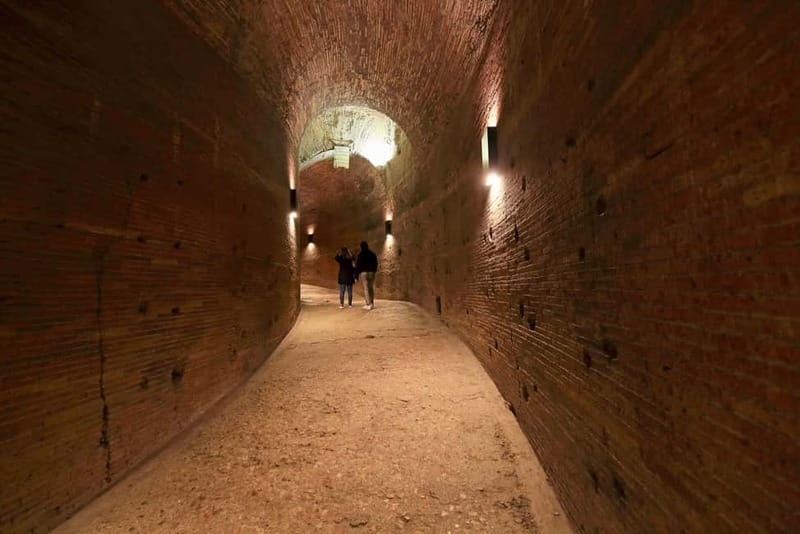
Review · ROME
Rome: Castle Sant’Angelo Ticket w/ audioguide option
Castel Sant’Angelo is one of Rome’s most unusual monuments because it has been a Roman emperor’s tomb, papal fortress, prison, and execution site. This ticket lets you move through those layers at your own pace, ending on a rooftop with a fine view of the Tiber and St. Peter’s Dome.
I like the separate entrance, which can save time, and the freedom to pause when the castle’s steep passages or dark chambers call for a slower look. The main drawback is that this is an entry ticket, not a guided tour, and the listed price of $30 feels worthwhile mainly if you value your own schedule and the optional audio guide.
Key points at a glance
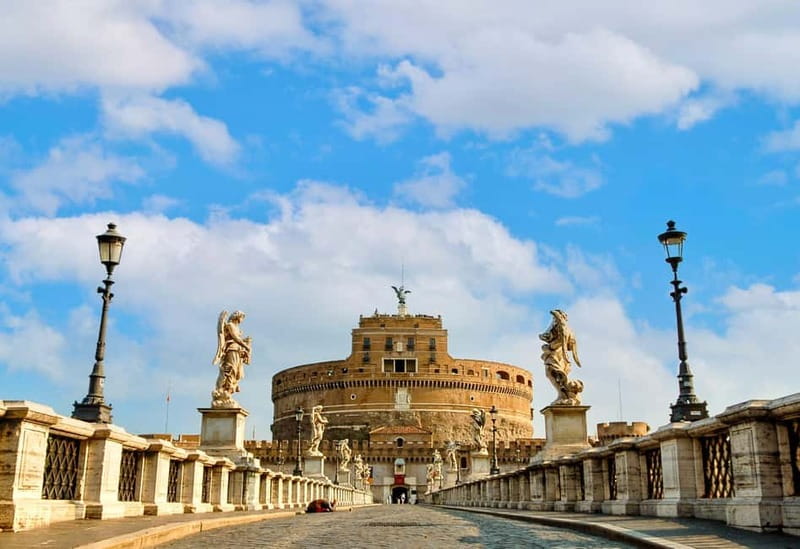
- Hadrian’s tomb at the core: The castle began as the burial monument of Emperor Hadrian, with his ashes kept inside from the second century AD.
- Four buildings in one: You pass through spaces linked to an imperial tomb, papal residence, fortress, prison, and execution site.
- Separate entrance: Skip-the-line access can make a difference in busy Rome, though you still need to find the host near the Angel Statue.
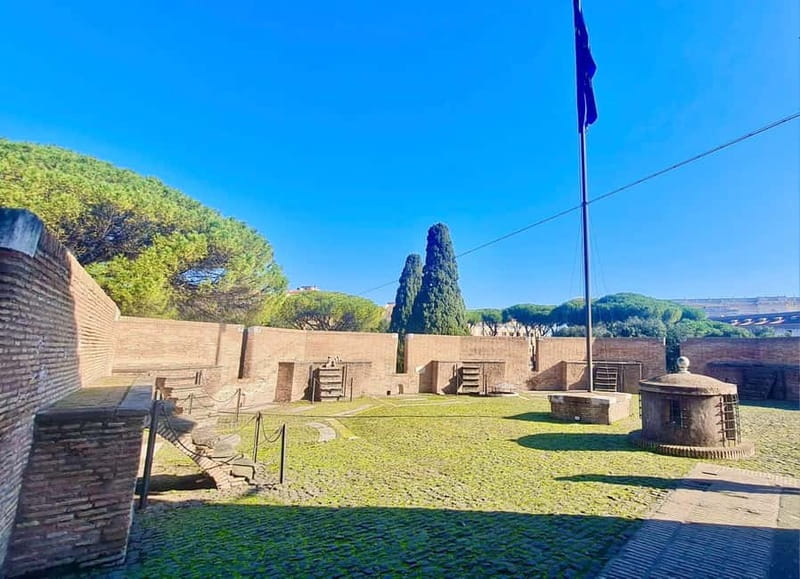
- Rooftop reward: The upper terrace gives you views toward Rome, the Tiber, and St. Peter’s Dome.
- Explore independently: You can set your own pace, with an optional audio guide in English, French, Italian, or Spanish.
- Important restrictions: Large bags, luggage, strollers, pets, weapons, and sharp objects are not allowed, and the site is not suitable for wheelchair users or people with mobility impairments.
Why Castel Sant’Angelo feels different from Rome’s other monuments
Many Roman monuments tell one main story. Castel Sant’Angelo keeps changing its role as you climb through it. At the center is the tomb built for Emperor Hadrian in the second century AD. Later, the structure became a papal fortress, a prison, and a place of execution.
That change is the reason I find this visit more interesting than a simple photo stop. You are not just looking at one ancient building. You are moving through a place that was repeatedly adapted for power, protection, confinement, and ceremony.
The castle is also tied to the secret passage leading toward the Vatican Palace. The protected walkway allowed popes to reach the fortress when danger threatened. It later gained wider fame through Angels and Demons, which used the passage as part of its story.
The walkway itself is not described as part of this ticket, so do not book this experience expecting access to every Vatican-connected route. The attraction here is the castle interior, its rooms, its heavy defensive character, and the views from above.
More castles to explore around Italy:
- Milan: Sforza Castle Entry Ticket with Digital Audio Guide
★ 4.0 · 2,675 reviews - Milan: Sforza Castle and Michelangelo’s Pietà Rondanini Tour
★ 4.7 · 1,119 reviews - From Siena: Chianti and Castles Tour with Wine Tastings
★ 4.6 · 631 reviews
Meeting the host near the Angel Statue
Your visit begins outside Castel Sant’Angelo, near the Angel Statue in front of the entrance. Look for the host wearing a light blue jacket or T-shirt. Hosts may speak English, French, Italian, Spanish, Portuguese, Norwegian, Thai, German, Polish, or Russian.
This meeting point matters. Rome’s monuments can have several nearby paths, ticket lines, and entrances, so give yourself enough time to locate the statue and the light-blue-shirted team. Your entry is tied to a selected time, and the activity is listed as valid for one hour.
The host or greeter helps with entry, but this is not a live guided visit. Once inside, you explore on your own. That arrangement suits you if you prefer to stop for photos, take breaks, or move quickly past rooms that interest you less.
There is no transportation included. You make your own way to the castle, and the activity ends back at the meeting point after your visit.
What the separate entrance really offers
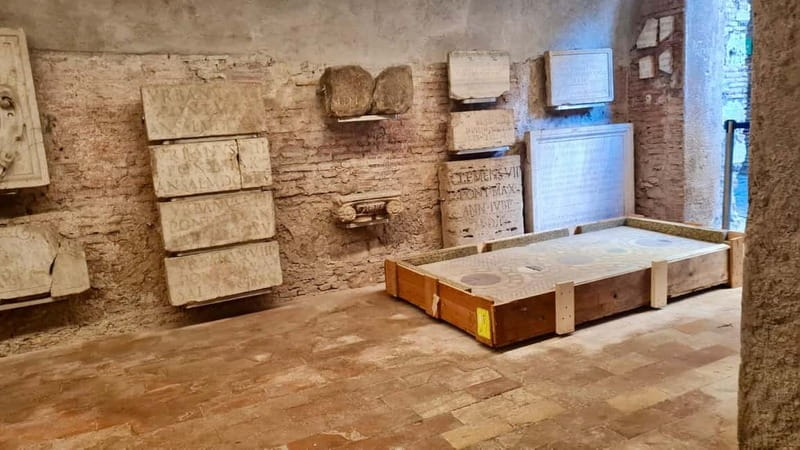
The skip-the-line feature is the most practical part of the ticket. Instead of relying on a regular queue, you use a separate entrance arranged through the host. In a city where a wait can interfere with the rest of your day, that can protect your plans for the Vatican, Piazza Navona, or other nearby sights.
Skip-the-line does not mean you should arrive casually at any time. You need to meet the host at the scheduled entry time. If you need to change the time, contact the provider about rescheduling for the same day. Include a country code and phone number in your reservation in case the team needs to reach you.
The activity is marketed at $30 per person. I would judge that price against three things: how busy Rome is on your chosen date, how much you value avoiding a regular line, and whether you want the optional audio guide. If you only want a fast look from outside, it is too much. If you want the interior and prefer independent sightseeing, the time saved may make the cost reasonable.
Inside the former tomb of Emperor Hadrian
The oldest layer of Castel Sant’Angelo is its role as Hadrian’s burial monument. The emperor’s ashes are kept inside, and the tomb chamber gives the visit its strongest connection to ancient Rome.
This part can feel less immediately dramatic than the rooftop or papal rooms, but it is the piece that explains why the whole building exists. The castle was not first built as a military stronghold. It began as a monument meant to preserve an emperor’s memory.
As you move through the structure, keep that starting point in mind. The fortress you see today grew around and over the original funerary purpose. Its later uses changed the mood of the building, but the imperial tomb remains at its center.
An audio guide can help here, especially if you want more explanation than the rooms themselves provide. The optional guide is available in English, French, Italian, and Spanish. Since there is no live guide included, choose the audio option if you want a more directed visit.
Same stronghold, another way through the gate:
- Small-Group Barolo Wine Tasting, Alba & UNESCO Piedmont Hills
★ 5.0 · 689 reviews - Milan: The Last Supper & Sforza Castle Guided Tour
★ 4.6 · 610 reviews - Milan: Last Supper and Sforza Castle Guided Tour
★ 4.6 · 498 reviews - Montalcino: Brunello Wine Tasting & Lunch in a Tuscan Castle
★ 4.6 · 324 reviews
Papal rooms and the fortress passages
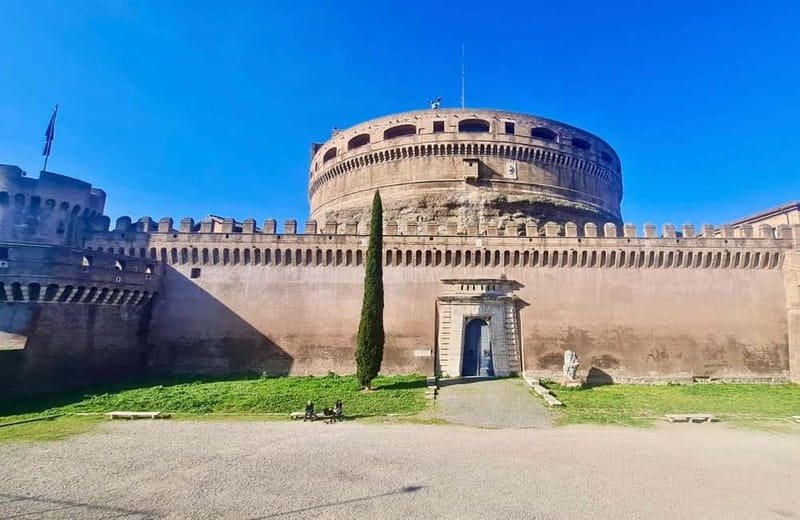
The early Renaissance brought a major change. Castel Sant’Angelo became a papal fortress, giving popes a protected refuge near the Vatican. The papal rooms show the building in a more ceremonial role, far removed from the dark purpose of its prison cells.
You will see papal rooms along with the castle’s defensive and connecting spaces. The contrast is useful. One area reflects authority and residence, while another reminds you that the structure was built to defend, control, and isolate.
The secret walkway to the Vatican adds another layer. When danger threatened, popes could run through the protected passage into the castle. It is easy to picture the urgency of that route, even though the ticket information does not promise entry into the passage itself.
For me, the appeal is in seeing how closely religion, government, and military protection were tied together in Rome. The castle was not a distant monument. It was part of the machinery of papal power.
The spiral staircase and the climb upward
The spiral staircase is one of the key interior features. It helps you understand the castle as a vertical building, with the route upward moving through very different periods and uses.
You should plan for a visit that involves walking and climbing. The attraction is specifically marked as unsuitable for people with mobility impairments and wheelchair users. Baby strollers are not allowed, so families with very young children should consider that before booking.
The climbing also affects how you plan your hour. If you want to study every room, use the audio guide, and spend time on the rooftop, avoid treating the visit as a quick entry and exit. The one-hour validity makes this more structured than an all-day museum ticket.
At the same time, the independent format lets you set your own rhythm. If the staircase is tiring, you can pause. A parent traveling with elderly relatives may find this freedom useful, since you are not trying to keep up with a group. One booking experience specifically praised the ability to move at a comfortable pace and take many breaks.
Prisons, executions, and the darker side of the castle
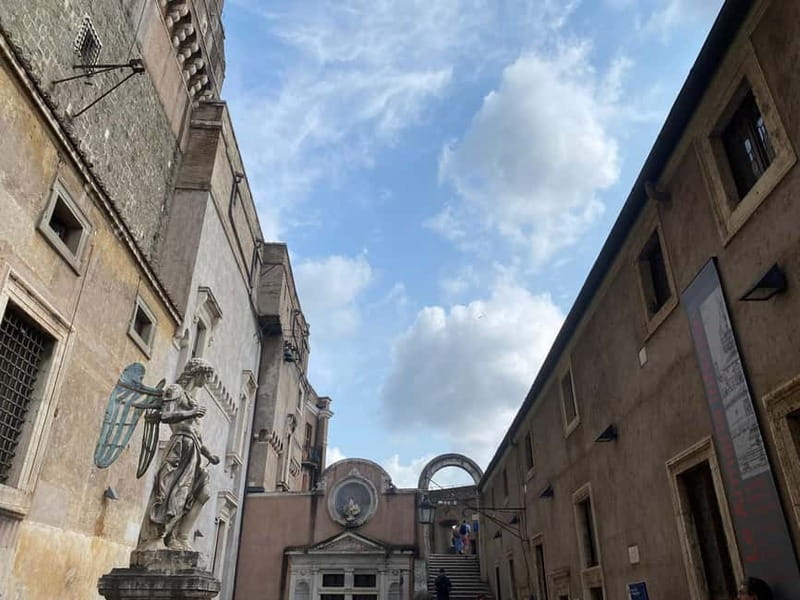
Castel Sant’Angelo was also a prison and execution site. Its cells give the monument a harder edge than the polished papal rooms. Famous prisoners included the goldsmith Benvenuto Cellini and the charlatan Cagliostro.
Those names help make the prison section more than a generic dark corridor. Cellini was a celebrated artist and goldsmith, while Cagliostro became known as an adventurer and fraudster. Their presence connects the castle to the colorful, often ruthless world of Renaissance and later Rome.
You may find these rooms less visually grand than the upper terrace, but they are essential to understanding the building. The castle protected popes, preserved an emperor’s ashes, housed powerful residents, and confined people who had fallen out of favor.
If you prefer monuments that show only beauty, this section may feel severe. I think that is precisely its value. Rome is not only marble façades and painted rooms. Places like this show the force behind the city’s institutions.
The rooftop view toward St. Peter’s Dome
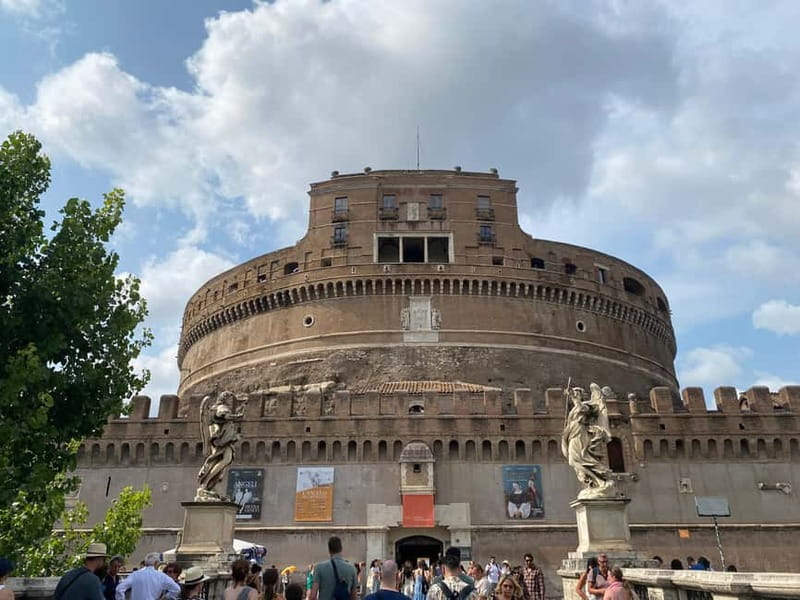
The final reward is the rooftop terrace. From above, you can look across Rome, follow the Tiber, and see St. Peter’s Dome. The Angel Statue outside gives the castle its name and visual identity, while the terrace gives you the best reason to look back over the building’s complicated past.
This is a good place to slow down. You have already passed through the tomb, papal rooms, staircase, and prison areas. From the roof, the city becomes the main subject, and the castle’s location near the Vatican becomes easy to understand.
The view is not a substitute for a full city tour, and the ticket does not include a guide to Rome beyond the castle. Still, it gives you a useful visual connection between Castel Sant’Angelo, the river, and St. Peter’s.
Bring your camera, but do not rush the final stop. The rooftop is the part most likely to make the ticket feel like a complete experience rather than a series of interior rooms.
Audio guide or independent exploring?
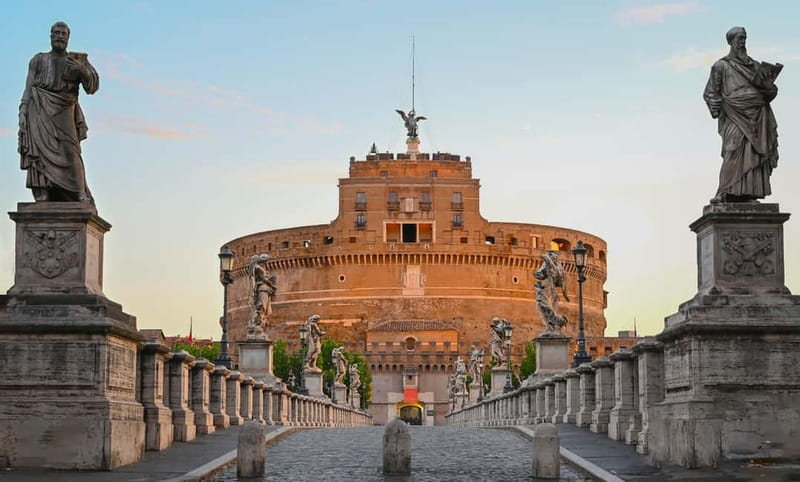
You can visit without an audio guide, and the ticket does not include one automatically. The optional audio guide is offered in English, French, Italian, and Spanish.
I would choose it if Castel Sant’Angelo is unfamiliar to you or if you want help connecting the tomb, fortress, papal refuge, prison, and rooftop into one story. Without it, the visit is more flexible, but you may need to rely on posted information and your own preparation.
The independent format is best for people who dislike fixed commentary and group movement. You can spend more time in the papal rooms, pause in the old prison areas, or move faster through the spaces that interest you less.
The tradeoff is simple: you get freedom, but not the personal explanation of a live guide. Since no guide names are provided and no live guide is included, do not book this expecting a historian to lead you from room to room.
What to bring, and what to leave behind
Bring your passport or ID card. You should also arrive with only a small amount of personal property, since luggage and large bags are not allowed.
The site does not allow weapons, sharp objects, alcohol, drugs, baby strollers, or pets. Assistance dogs are allowed. These restrictions can affect your plans if you are carrying luggage between hotels or train stations, so arrange storage before arriving.
The mobility warning deserves attention. This is not a wheelchair-friendly visit, and it is not suitable for people with mobility impairments. The spiral staircase and the castle’s vertical layout are central parts of the experience, not minor details you can easily avoid.
Cancellation terms in the supplied booking details are not fully consistent: one section says cancellation is possible up to three days in advance, while another says 24 hours. Check the exact rule shown when you reserve.
Who will get the most from this ticket?
I would recommend Castel Sant’Angelo to you if you enjoy monuments with several distinct uses rather than one polished historical story. It is especially good for first-time visitors who want a site near the Vatican area that combines ancient Rome, papal power, prisons, and city views.
It also suits independent sightseers. You can take breaks, move at your own speed, and choose whether the audio guide is worth adding. That flexibility may help if you are visiting with older family members who need regular pauses.
I would be more cautious if you have limited mobility, are traveling with a stroller, or need to carry luggage. The restrictions and climbing make this a poor fit. I would also skip it if your main goal is a live explanation from a specialist guide.
Should you book Castel Sant’Angelo?
Book this experience if you want to see the inside of a major Roman monument without committing to a group tour. The separate entrance, independent pace, optional audio guide, and rooftop view give the $30 ticket a reasonable case, especially on a busy day.
Go in with accurate expectations. This is not a guided history lesson, transportation service, or Vatican passage tour. It is a self-guided visit through an emperor’s tomb turned papal fortress, prison, and viewing terrace.
If those layers appeal to you, meet the host by the Angel Statue, carry your ID, leave large bags behind, and allow enough time for the climb and rooftop. Castel Sant’Angelo rewards curiosity more than speed.
FAQ
Is a live guide included?
No. The ticket includes skip-the-line entry only. A live guide is not included.
Is an audio guide available?
Yes. An optional audio guide is available in English, French, Italian, and Spanish. It is not included in the basic ticket.
Where do I meet the host?
Meet the team directly in front of the entrance, near the Angel Statue. Look for staff wearing a light blue jacket or T-shirt.
How long is the activity?
The ticket is listed as valid for one hour. Check the available starting times when booking.
What identification should I bring?
Bring your passport or ID card.
Are large bags or luggage allowed?
No. Luggage and large bags are not allowed. Weapons, sharp objects, baby strollers, alcohol, drugs, and pets are also prohibited. Assistance dogs are allowed.
Is the visit suitable for wheelchair users?
No. The activity is listed as unsuitable for wheelchair users and people with mobility impairments.
New castle tours around Italy
- Pastrengo: e-bike tour and wine tasting in the Castle★ 4.8 · 9 reviews
- Naples Express Tour: Castles, Legends & the Gulf★ 5.0 · 9 reviews
- Naples: San Martino and Sant’Elmo Castle Guided Tour★ 4.9 · 48 reviews
- Montone: Medieval Dinner in Cardaneto Castle★ 5.0 · 2 reviews
- Montone: Pasta Making and Dinner at Cardaneto Castle★ 5.0 · 4 reviews
- Montalcino: Brunello Wine Tasting & Lunch in a Tuscan Castle★ 4.6 · 324 reviews
- Montalcino: Castle and Vineyards Tour with Tasting★ 4.2 · 55 reviews
- Miramare: The most romantic, beautiful and sad castle.★ 4.2 · 6 reviews
Italy Castle Tours, compared.

Milan: Sforza Castle Entry Ticket with Digital Audio Guide
Read our review →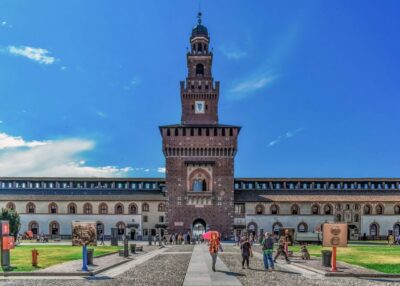
Milan: Sforza Castle and Michelangelo’s Pietà Rondanini Tour
Read our review →
From Siena: Chianti and Castles Tour with Wine Tastings
Read our review →
Milan: The Last Supper & Sforza Castle Guided Tour
Read our review →
Montalcino: Brunello Wine Tasting & Lunch in a Tuscan Castle
Read our review →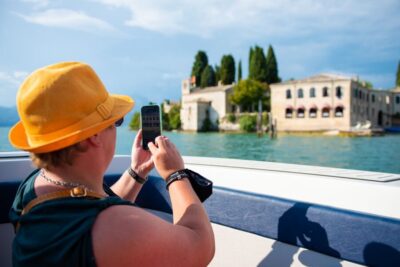
Lake Garda: Historic Castle Cruise with Wine Tasting
Read our review →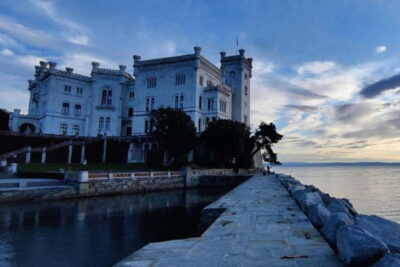
Trieste: Miramare Castle & Museum Entry Ticket & Audio App
Read our review →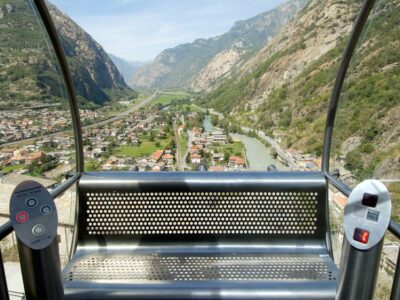
Fortress: Prisons, Museum of Fortifications and Alps Museum
Read our review →Browse the lists this tour appears in