
Review · BUDAPEST
Budapest: Buda Castle Walking Tour & Folk Music Performance
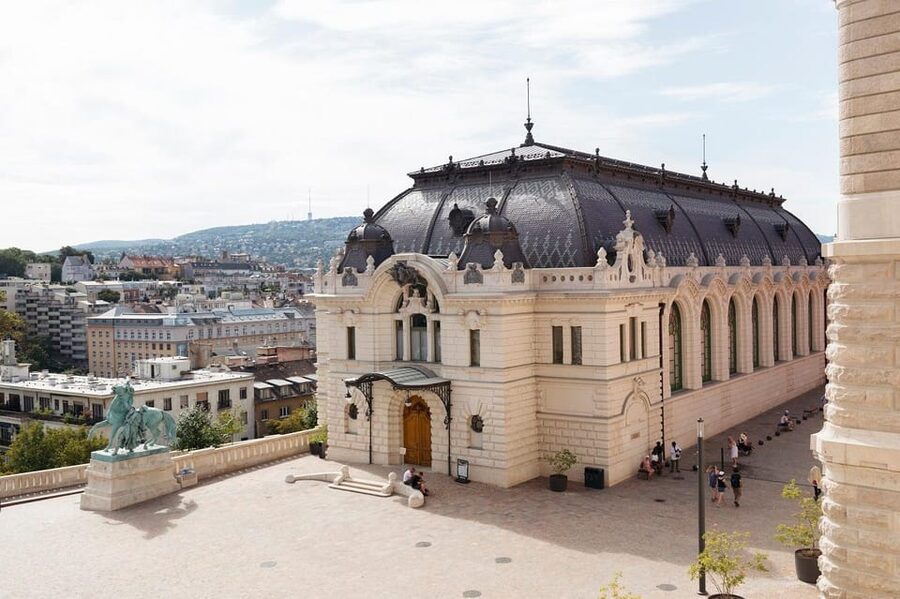
Buda Castle is more than a grand palace on a hill. It is a compact slice of Budapest’s past, with medieval fragments, royal stories, rebuilt streets, church towers, and sweeping views across the Danube. The unusual part of this tour comes at the end, when guide Kristóf Kovács sings Hungarian folk songs and demonstrates traditional dance steps.
I like the way the tour connects famous sights with smaller details, such as the old buildings along Tárnok Street and the pastry shop once loved by Queen Elisabeth. I also like that the folk performance is part of the guide’s own cultural background, not a staged theater show. The main drawback is simple: you only see the monuments from outside, and the hill involves steady walking for up to two and a half hours.
Key points to know before booking
- Kristóf’s personal folk performance: The tour ends with Hungarian songs and traditional dance steps performed by your guide.
- A full Castle Hill circuit: You visit Matthias Church, Fisherman’s Bastion, Tárnok Street, Buda Castle, and Tóth Árpád promenade.
- Strong Pest-side views: Several stops look across the Danube toward central Budapest.
- History with human detail: Stories about King Matthias, royal life, war, rebuilding, and local residents give the monuments context.
- Outdoor-only sightseeing: Entry tickets to the church and other monuments are not included.
- Small-group or private format: This suits people who want time for questions and conversation.
Why the folk music changes the usual castle tour
Most Buda Castle walks finish with a view, a date, or a photograph. This one finishes with music. Kristóf sings traditional Hungarian folk songs from different parts of the country and shows a few folk dance steps. It gives the tour a personal ending and helps connect grand royal buildings with everyday Hungarian culture.
The performance is also one reason this tour feels different from a standard sightseeing walk. You are not simply collecting facts about the castle district. You hear a local guide explain customs and songs in English, then present them himself. His stories about his grandmother and his evident affection for Hungarian traditions add a family connection that guidebooks cannot provide.
I would not book this tour if you want a formal concert or a long museum visit. The performance is a short part of a walking tour, and the buildings are viewed from the outside. But if you want history, city views, and a direct introduction to Hungarian music in one outing, the format works well.
More Castle Walking Tours in Budapest
- Budapest: Buda Castle Walk with Saint Stephen’s Hall
★ 4.5 · 3,012 reviews - Budapest: Buda Castle District Walking Tour
★ 4.6 · 2,108 reviews - Budapest: 3-Hour Grand City Tour and Castle Walk
★ 4.3 · 1,437 reviews
Starting at Holy Trinity Square
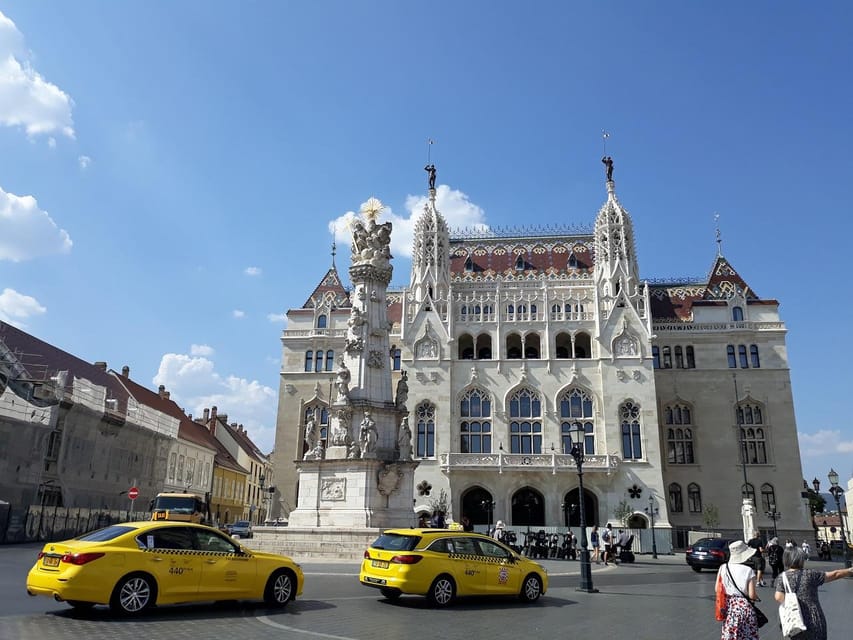
The meeting point is the Holy Trinity Statue, or Szentháromság-szobor, in Holy Trinity Square. Look for a guide holding a board with the Maggino logo, a dark blue stork carrying an orange musical note.
This is a sensible place to begin. You are already in the heart of the Buda Castle District, beside Matthias Church and Fisherman’s Bastion. Arrive with comfortable shoes and water. The route is not described as difficult, but it includes a good deal of walking, and the tour operates in all weather.
The guide speaks English. Private and small-group options are available, which matters here because the tour depends on questions and conversation. A small group should make it easier to hear the explanations and follow the visual details of the buildings.
Matthias Church and the first look at Castle Hill
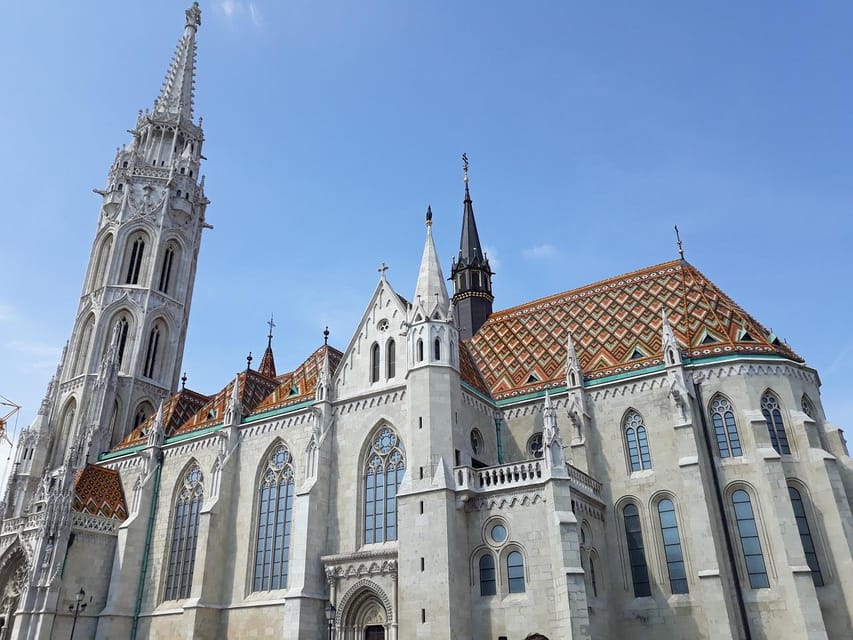
Matthias Church is the first major stop. Its patterned roof and ornate exterior make it one of the easiest sights in Budapest to recognize, but the value of a guide is in explaining how the church fits into the story of Castle Hill.
You will receive an exterior visit rather than a ticketed interior tour. That keeps the price lower, but it also means you should not expect to see the painted interior, chapels, or other indoor details. If entering the church matters to you, ask about buying a separate ticket. One private experience lasted longer because the participants purchased their own church tickets and received additional guidance inside, but that is not part of the standard advertised package.
The tour’s historical focus includes the people who lived around the castle over the centuries, not only the rulers who used it. That wider view helps the church feel like part of a working district rather than a single postcard monument.
Fisherman’s Bastion and the best city views
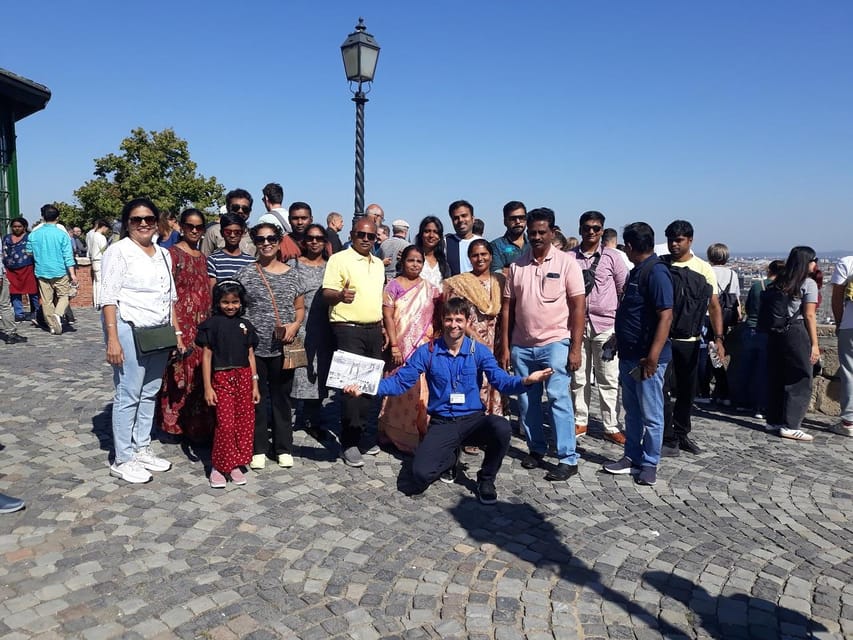
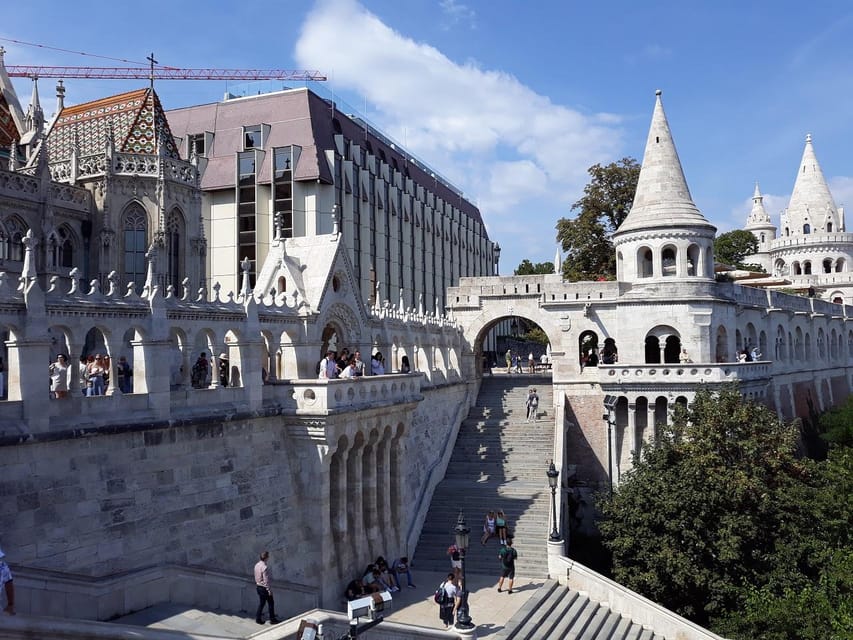
From Matthias Church, the walk continues to Fisherman’s Bastion. Its terraces and towers provide some of the clearest views toward Pest, the Danube, and the city’s grand central buildings.
This is one of the best places to pause and get your bearings. The tour points out major sights on the Pest side and includes a view of the second funicular built in Europe. The high position also makes the geography of Budapest easier to understand: Buda rises on one side of the river, while Pest spreads out across the flatter eastern bank.
Fisherman’s Bastion is photogenic, so this stop can become crowded and slow if you are trying to take pictures at every opening. The guide’s commentary gives you something useful to do while you wait for a clear view. Bring weather protection, too. The terraces are exposed, and the tour runs in rain or other poor conditions.
Same stronghold, another way through the gate:
- Budapest: Buda Castle Cave Tour
★ 4.7 · 5,677 reviews - Budapest: Buda Castle District Vampires and Myths Night Tour
★ 4.6 · 3,830 reviews - Buda Castle District Dark History, Legends and Vampire Night Tour
★ 4.5 · 1,240 reviews - Budapest: Buda Castle District Walking Tour with a Historian
★ 4.9 · 867 reviews
Tárnok Street and Hungary’s changing architecture
The walk along Tárnok Street adds variety to the big monuments. Here you see a mix of architectural styles associated with historical Hungary through the end of the nineteenth century, along with building parts that are nearly five hundred years old.
This is the kind of stop I value on a city walk. Famous sights tell you where to point your camera, but an ordinary street shows how a district was put together. Tárnok Street helps you notice changes in facades, older fragments, and the way royal surroundings were also a place for daily life.
The route includes about twenty minutes of walking between the early sights and another section along the street. That timing gives the guide room to explain details as you move instead of keeping you in one fixed spot. Still, anyone with limited walking tolerance should consider the total distance before booking.
Government buildings and the route to Buda Castle
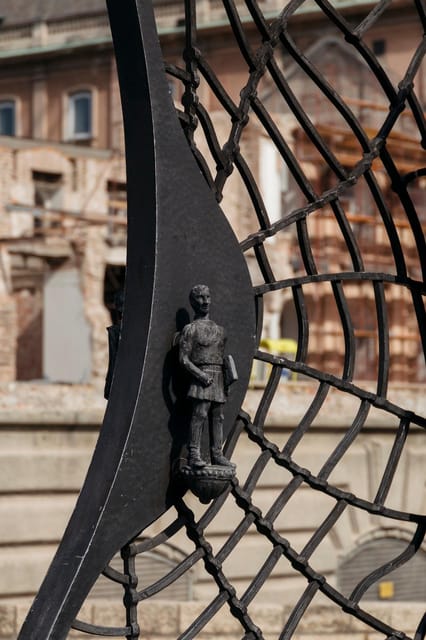
As you continue, the guide points out two major Hungarian government buildings. The tour does not turn into a civic architecture lecture, but these buildings help explain the modern importance of the Castle District.
The route then moves toward the Royal Buda Palace, also called Buda Castle. Along the way, there are more scenic views and opportunities to see how the hilltop district relates to the river below.
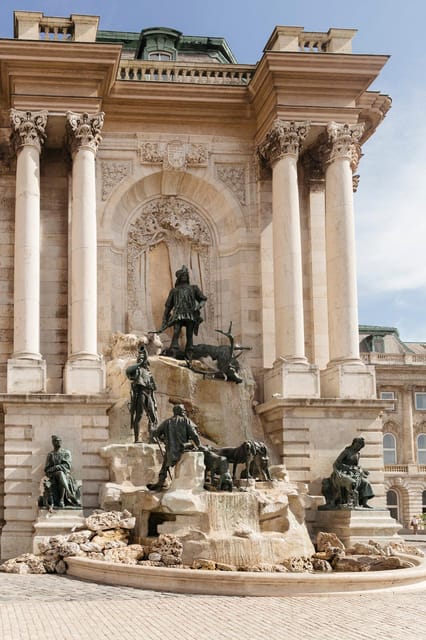
Buda Castle has served as the royal seat of Hungarian rulers for centuries. The guide gives special attention to King Matthias, who made the palace one of the important centers of Renaissance culture in Europe. The stories include an especially memorable detail: granite fountains at the palace were said to bubble with wine.
That kind of detail works best when placed beside the larger political story. King Matthias was not presented only as a name from a history book. The tour uses him to show the ambition, wealth, and cultural life associated with the royal court.
Buda Castle and the layers beneath the palace
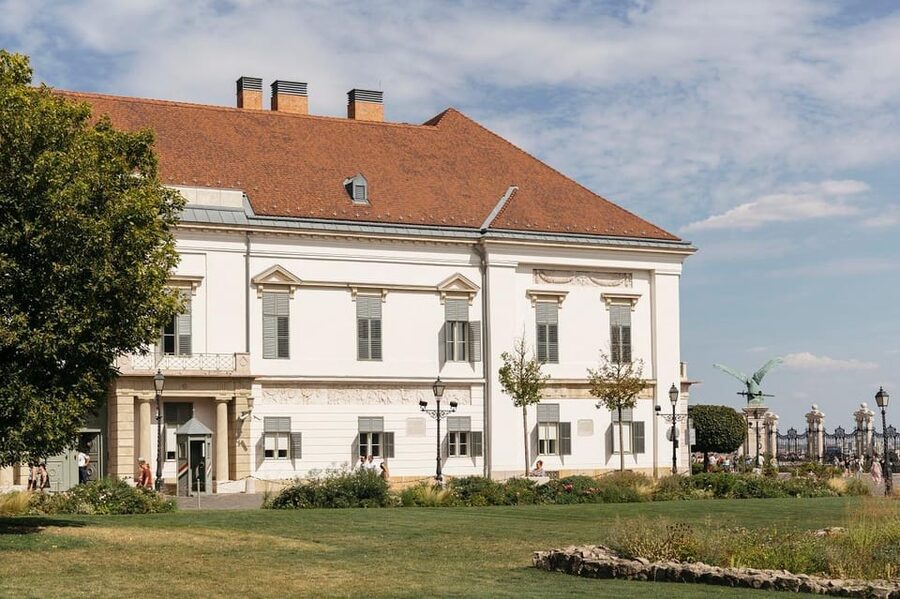
The Royal Palace is not just one old building preserved unchanged. Buda has been damaged, rebuilt, altered, and restored many times. The guide uses historical context and visual aids, including before-and-after views, to help you understand how the district changed over time.
This is particularly useful because the palace can be hard to read at first glance. Its scale and later rebuilding may hide the difference between medieval foundations, royal additions, and newer work. A guide can point out those layers while you are standing in front of the buildings rather than leaving you to piece everything together later.
You should keep expectations clear. The standard tour provides an exterior look at the palace and its surroundings. It does not include entry tickets to the palace or other visited monuments. If indoor collections are a priority, plan separate time and admission costs.
Tóth Árpád promenade and the quieter side of the hill
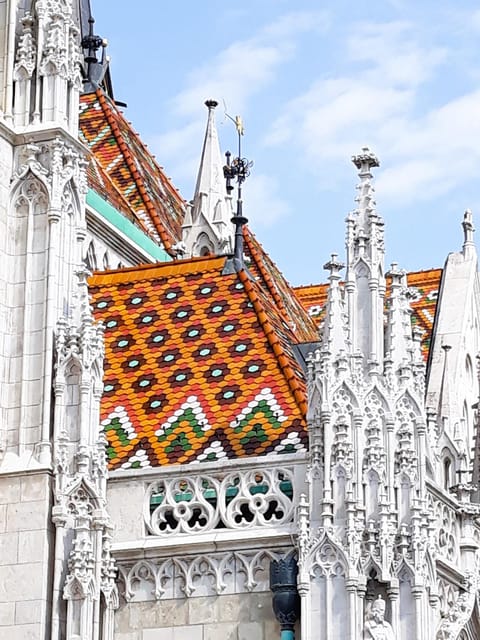
The route continues to Tóth Árpád promenade, a scenic walkway on Castle Hill. This section offers another chance to look over the city and gives the tour a calmer pace after the palace area.
I like the inclusion of the promenade because it prevents the walk from becoming a chain of only major attractions. You get a sense of the hill as a neighborhood and public space, not just a collection of royal monuments. The views also provide a natural place to ask questions before returning to Holy Trinity Square.
The tour then loops back to the starting point. The full experience takes about two to two and a half hours, though a private visit with extra church time can run longer. Build in some flexibility if you want photographs, questions, or a separate indoor visit.
A stop at Budapest’s oldest confectioner
The walk also includes a look at Budapest’s oldest confectioner. Its pastries were enjoyed by Queen Elisabeth, known as Sisi, the Empress of Austria and Queen of Hungary.
This is a small but useful detail because food gives royal history a familiar entry point. Instead of hearing only about palaces, rulers, and political events, you get a glimpse of what people ate and valued in the city’s social life.
The experience does not state that a pastry tasting is included, so do not book it expecting food. Treat the confectioner as a historical stop and a possible place to return to on your own.
What makes Kristóf’s guiding style effective
The guide’s strongest quality is his ability to make the walk conversational. Kristóf answers questions patiently, uses personal stories, and explains Hungarian culture with visible enthusiasm. That approach is especially helpful if you want more than dates and architectural labels.
Visual aids are another practical advantage. Before-and-after images can make the destruction and rebuilding of Budapest easier to follow. You can compare what you see today with earlier versions of the same street or building instead of trying to imagine every change from a spoken description.
The guide’s personal connection to the subject also matters. Stories about his grandmother and his interest in regional folk songs give the final performance a sense of purpose. You will hear about Hungarian culture from someone who treats it as part of his own family life, not as a decorative add-on.
The style may not suit you if you prefer to explore silently or keep a tight schedule. This is an interactive walk, and the best use of it comes from asking questions and allowing a little room for conversation.
Is $58 a fair price?
At $58 per person, the tour is not the cheapest way to see Castle Hill. You can walk to the main sights on your own and pay only for any monuments you choose to enter. The price makes more sense if you value a private or small-group guide, historical explanation, views, and a live cultural performance in one package.
Because entry tickets are not included, you should add those costs if you want to go inside Matthias Church or another monument. On the other hand, the tour’s outdoor format means you spend the full two to two and a half hours moving through the district rather than waiting in ticket lines.
I consider the price strongest for first-time visitors who want the area explained in English. It is also good value for people who would otherwise book a separate castle walk and a separate cultural activity. If you already know Buda Castle well, or if you only want independent photographs, the cost may be harder to justify.
Free cancellation is available up to 24 hours before the start time, and you can reserve now and pay later. Those policies are useful if your Budapest schedule is still changing.
Who should book this Buda Castle walk?
I would recommend it to you if:
- You want the main Castle District sights explained in one outing.
- You enjoy local stories as much as major historical facts.
- You like small groups or private guiding.
- You want a personal introduction to Hungarian folk music.
- You are comfortable walking for two to two and a half hours.
- You are happy to see the monuments from outside or arrange separate tickets.
Families and curious first-time visitors should find the mix of views, stories, and performance easy to enjoy. The guide’s willingness to answer questions also helps if your group includes people with different levels of interest in history.
I would look elsewhere if you need wheelchair-friendly planning, though the supplied details do not specify accessibility. I would also choose another activity if your priority is a long indoor visit to the palace or church. This is an outdoor history walk with a cultural finale, not a museum tour.
Final verdict: book it for the personal touch
Book this tour if you want Buda Castle to feel like more than a row of famous buildings. Matthias Church, Fisherman’s Bastion, Tárnok Street, the Royal Palace, and Tóth Árpád promenade give you the essential sights, while Kristóf’s stories and folk performance add the human side.
The strongest reason to choose it is the combination of serious historical explanation and personal Hungarian music. Just wear good shoes, check the forecast, bring water, and remember that monument entry is extra. For a first visit to Budapest, the $58 price is reasonable if you want a guided Castle Hill experience with something genuinely personal at the end.
FAQ
Where does the Buda Castle walking tour start?
It starts in front of the Holy Trinity Statue, or Szentháromság-szobor, in Holy Trinity Square. The guide holds a board with the Maggino logo.
How long does the tour last?
The advertised duration is two to two and a half hours. A private visit may last longer if you add time inside Matthias Church with a separate ticket.
What sights are included?
The route includes Matthias Church, Fisherman’s Bastion, Tárnok Street, Buda Castle, and Tóth Árpád promenade. It finishes back at Holy Trinity Square.
Are entry tickets included?
No. The tour includes exterior visits to the monuments, but entry tickets are not included.
Who leads the tour?
The English-speaking guide is Kristóf Kovács. He provides the historical commentary and performs Hungarian folk songs and dance steps at the end.
What should I bring?
Wear comfortable shoes and weather-appropriate clothing. The tour operates in all weather, and bringing water is recommended.
New castle tours around Budapest
- German guided tour through Budapest’s castle district★ 5.0 · 129 reviews
- Budapest: The WWII Siege of Buda Castle & Bomb Shelter Tour★ 4.8 · 130 reviews
- Budapest: Castle District Walking Tour★ 4.8 · 223 reviews
- Budapest: Private Walking Tour of the Castle District★ 5.0 · 2 reviews
- Budapest: Castle District Walk with Matthias Church Entry★ 4.8 · 33 reviews
- Budapest: E-Bike Guided Tour and Castle Hill★ 4.9 · 241 reviews
- Budapest Hike to Visegrád Castle w or wo Sauna/Danube beach★ 5.0 · 16 reviews
- Castle District & Pest Driving Tour with Danube River Cruise★ 4.6 · 15 reviews
Castle Walking Tours, compared.

Edinburgh Castle: Guided Walking Tour with Entry Ticket
Read our review →
Prague: 3-Hour Walking Tour of Old Town & Prague Castle
Read our review →
Edinburgh Castle Guided Walking Tour in English
Read our review →
Budapest: Buda Castle Walk with Saint Stephen’s Hall
Read our review →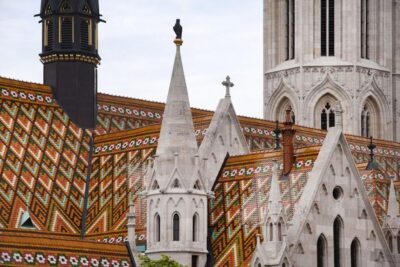

Prague 3-hour Afternoon Walking Tour including Prague Castle
Read our review →
Royal Mile and Edinburgh Castle – Small Group Walking Tour
Read our review →
Browse the lists this tour appears in