
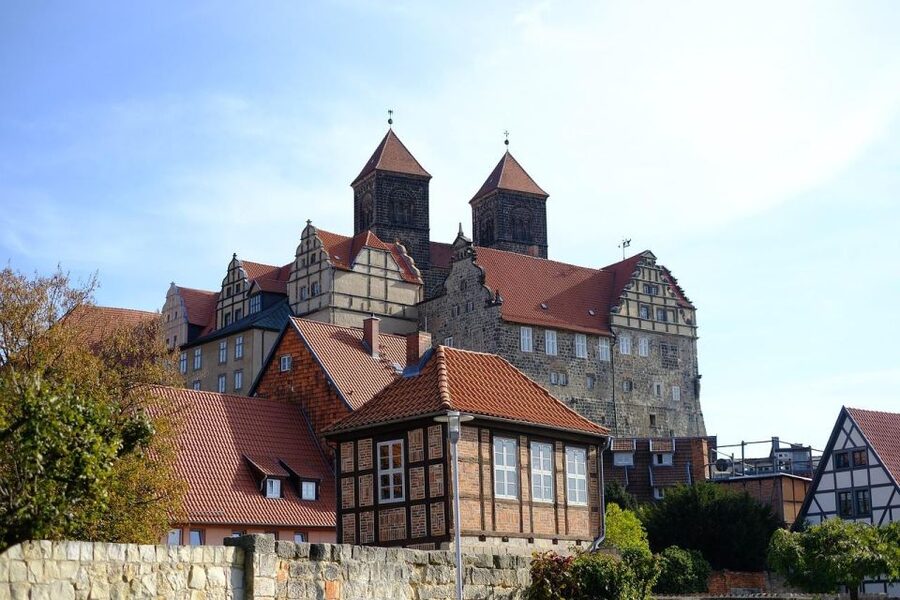
Review · GERMANY
Premiumstadtführung (historische Altstadt und Schlossberg)
Quedlinburg’s old town is the real star here: a UNESCO World Heritage Site packed with medieval lanes, timber-framed houses, churches, and stories spread across more than 1,100 years. This two-hour walk connects the market square with the Schlossberg, so you get both the town’s everyday face and its grandest monument.
I like the low price and the clear route through major sights, including Schuhhof, Hölle, the Blasii Church, Klopstock-Haus, and the Schlossgarten. I also like that children and teenagers up to 16 go free. The main caution is the Schlossberg climb, which includes cobblestones and a steeper section, and the tour is conducted only in German.
Key points
- Two hours through old Quedlinburg: See the market square, town hall, churches, lanes, and half-timbered houses on foot.
- The Schlossberg is the grand finale: Reach St. Servatii, the city’s imposing collegiate church, from the historic hilltop setting.
- A close look at timber-framed architecture: The route shows how varied Quedlinburg’s historic building styles can be.
- German-speaking guide: The tour suits you best if you can follow spoken German.
- Food advice included: You receive recommendations for culinary stops in town.
- Good family value: Children and adolescents up to age 16 are free.
Starting at Quedlinburg’s Market Square
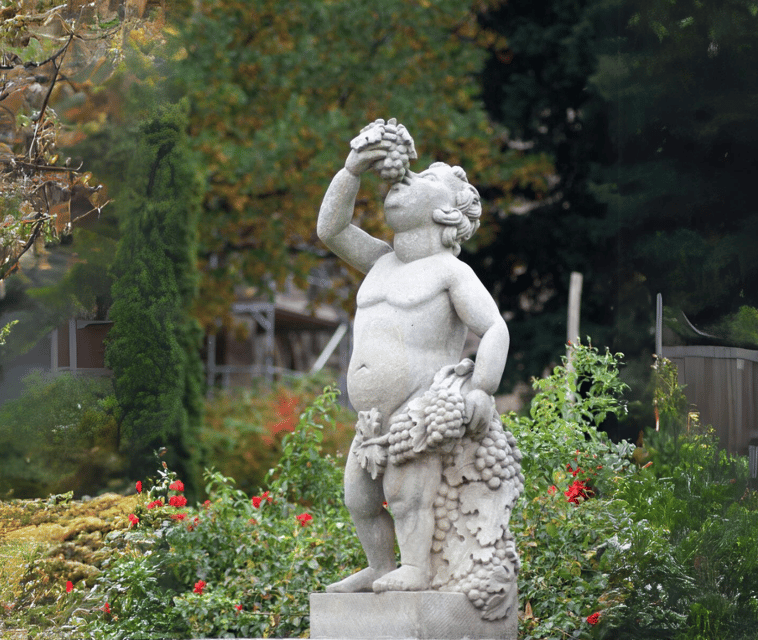
The tour begins outside the Quedlinburg city information office on the Marktplatz. Look for the green sign, then show your ticket to the guide at the agreed meeting time.
This is a useful starting point because the market square puts you right in the middle of the old town. You do not spend the first part of the tour finding a distant meeting point or walking in from the edge of town. From here, the guide can quickly set the scene: Quedlinburg is not just a pretty collection of old houses, but a town shaped by royal power, religious life, trade, and changing building styles.
The tour lasts two hours, which is long enough to cover a broad route without turning into an all-day history class. Expect a steady walking pace, with frequent stops for buildings and stories. One recent rating described the guide as friendly and detailed, with enough time for questions. That is exactly what you want in a town like this, where a quick glance often misses the best details above doorways, in courtyards, and along narrow lanes.
The tour is in German, and no English-language option is provided. If your German is limited, you can still admire the buildings, but you may miss much of the historical explanation. This matters more here than on a simple photo walk because the value comes from understanding why the town developed as it did.
More castles to explore around Germany:
- From Munich: Neuschwanstein & Linderhof Castle Full-Day Trip
★ 4.6 · 14,646 reviews - Neuschwanstein & Linderhof Castle-Fairytale Day Tour from Munich
★ 4.5 · 7,275 reviews - Neuschwanstein Castle Tour from Munich
★ 4.5 · 5,117 reviews
Town Hall, St. Benedikti, and the Medieval Lanes
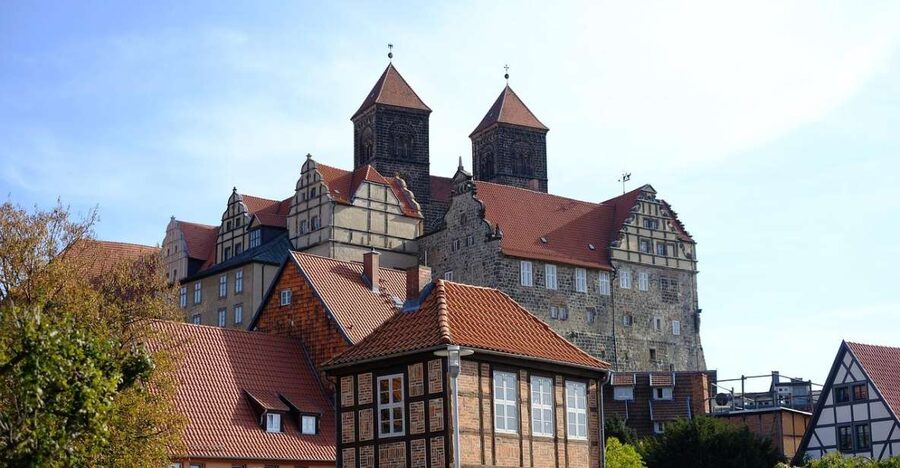
The first section covers Quedlinburg’s old town, beginning with the town hall and the market church of St. Benedikti. These landmarks give the tour a useful contrast between civic authority and religious life.
The town hall is one of the obvious focal points around the market square. It helps you read the square as a working center rather than just a scenic backdrop. The market church adds another layer, showing how closely daily town life and church life once operated.
From there, the route moves through picturesque medieval alleys. This is where a guide earns the ticket price. Quedlinburg’s streets can look like a postcard at first glance, but the narrow passages become more interesting when you know what to watch for. The guide points out the character of the lanes, the buildings, and the people connected with the town.
Schuhhof is one of the named stops. Its name and setting reflect the compact, craft-based feel of the old town. Hölle is another distinctive lane, and its unusual name makes it an easy detail to remember. These smaller places are useful because they keep the tour from becoming a parade of only the largest monuments.
You will also pass the Blasii Church and the Half-Welfare Museum, as identified in the tour route. Together, these stops broaden the picture beyond the market square. The church adds another historic religious site, while the museum connects the town’s architecture with the craft and building traditions that make Quedlinburg so recognizable.
Half-Timbered Houses Worth Looking Up At
Quedlinburg is famous for its half-timbered architecture, and the tour gives you a chance to see more than a few attractive facades. The important point is variety. Timber framing is not one single style repeated across town. Different periods, building sizes, patterns, and decorative details create a visual record of changing tastes and wealth.
I recommend looking above eye level. Timber patterns, carved details, signs, and upper-story construction can tell you as much as the ground-floor shops. A guided walk helps because the most interesting feature may not be the largest or brightest building in front of you.
The route is also useful for understanding how the old town fits together. The half-timbered houses are not isolated museum pieces. They form streets, corners, courtyards, and tight passages that still define the shape of Quedlinburg. That gives the architecture a stronger sense of place than a single historic house ever could.
The tour also introduces famous people connected with Quedlinburg. The supplied information does not name the individual figures in advance, so you should ask the guide about them if a particular story catches your attention. The route includes Klopstock-Haus later on the Schlossberg, giving the literary side of the town a clear place in the walk.
Climbing the Schlossberg
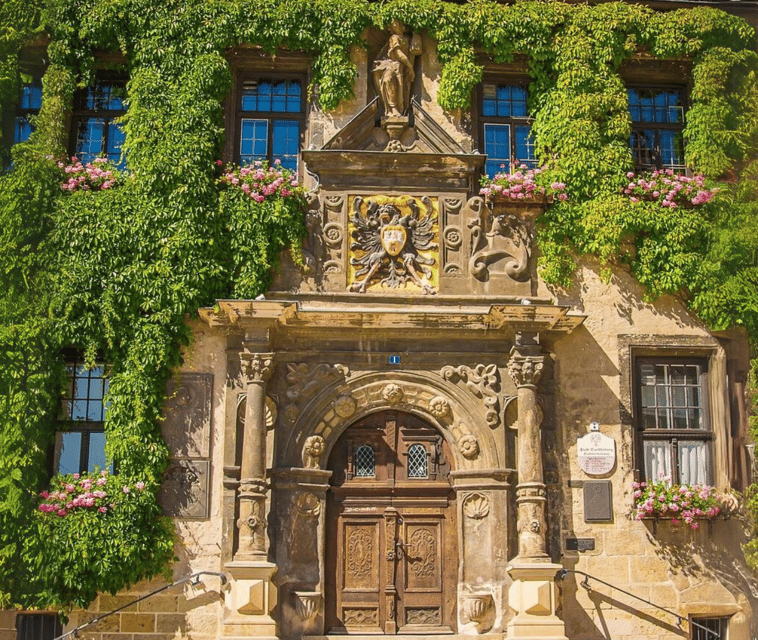
The high point of the tour is the Schlossberg, the hill above the old town. This is the section that changes the feel of the walk. Down below, you are reading Quedlinburg through streets and house fronts. On the hill, the town’s political and religious importance becomes easier to understand.
The climb includes cobblestone surfaces and a steeper section. You do not need specialist equipment, but sturdy shoes are a sensible choice. Take extra care in wet or icy conditions. One winter booking was canceled because the Schlossberg was considered too slippery, with a later departure offered instead. That is a practical reminder that the route can be affected by weather, even though the tour normally runs in rain or sunshine.
The hilltop setting is the reason the climb is worthwhile. It gives you the Schlossberg’s major sights in one connected section: Klopstock-Haus, the Lyonel-Feininger Museum, the Schlossgarten, and St. Servatii.
This part also makes the tour more than a flat architectural stroll. The change in elevation gives you a better sense of how the old town and hilltop complex relate to each other. The effort is modest for most walkers, but it may be uncomfortable if you have trouble with slopes, uneven paving, or winter conditions.
Same stronghold, another way through the gate:
- From Munich: Neuschwanstein Castle Full-Day Trip
★ 4.7 · 3,977 reviews - Potsdam: City and Castles Tour
★ 4.7 · 3,721 reviews - Premium Neuschwanstein Castle and Linderhof VIP Tour from Munich
★ 5.0 · 2,480 reviews - Dresden: Elbe River Cruise to Pillnitz Castle
★ 4.5 · 2,411 reviews
Klopstock-Haus and the Lyonel-Feininger Museum
Klopstock-Haus is included from the outside as part of the Schlossberg route. It connects the tour with Quedlinburg’s literary history and with one of the well-known personalities associated with the town.
The Lyonel-Feininger Museum adds a modern artistic note to an otherwise medieval and early historic route. You should not expect a full museum visit during this walking tour. The itinerary lists the museum as a stop along the Schlossberg, not as an included indoor admission. Still, its presence shows that Quedlinburg’s cultural story does not end with timber-framed houses and church buildings.
The guide can help place these figures and institutions within the wider story of the town. If you are interested in literature or art, note the names and return later for a longer visit if your schedule allows. The tour itself is designed to give you orientation and context, not to replace a museum tour.
Schlossgarten and St. Servatii
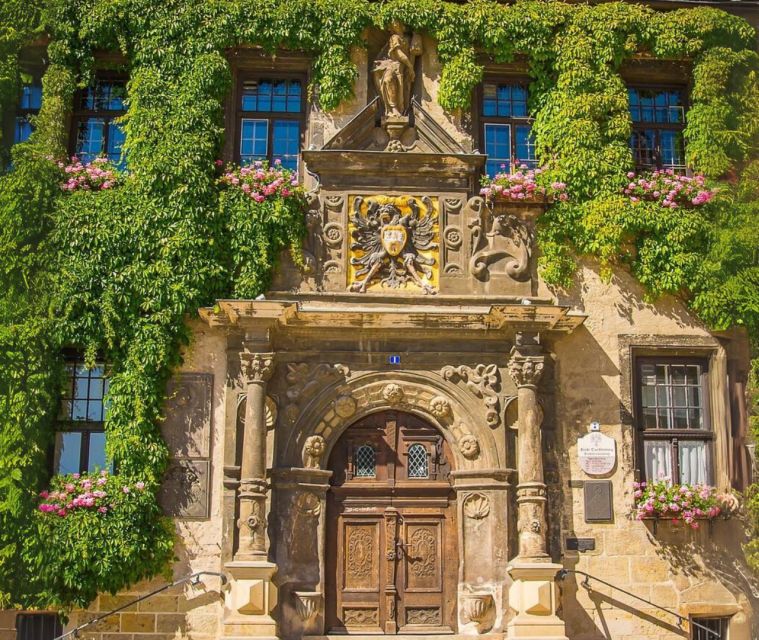
The Schlossgarten provides a quieter part of the hilltop route before the final focus on the collegiate church. Gardens can be easy to rush through, but here the setting matters. You are near the top of Quedlinburg’s historic power center, with the old town below and the church complex ahead.
St. Servatii is the tour’s main landmark and the high point of the itinerary. The collegiate church is included from the outside, but entrance inside is not part of the $10 price. That distinction is important. If the church interior is a priority, you will need to arrange or pay for entry separately, assuming access is available during your visit.
Even without an interior visit, the exterior and hilltop position give the church strong visual impact. The guide’s explanation helps connect it to Quedlinburg’s long religious and political story. This is where the 1,100-year theme comes together most clearly.
The tour does not promise a panoramic viewpoint, and you should not book it solely for a sweeping city vista. Its strength is the historical route and the relationship between the old town and the Schlossberg.
Food Advice Along the Way
The guide also points out culinary spots and offers recommendations. That is a small but useful addition, especially because the tour starts and ends in the center of town.
Food advice is most helpful when you are staying in Quedlinburg for more than a few hours. You can ask the guide which places fit your timing, budget, or preferred meal. The information provided does not name specific restaurants, so treat this as local orientation rather than a promised restaurant stop or tasting.
One January note is worth keeping in mind: several restaurants may close at the same time during the quieter winter season. If you visit in January, do not leave lunch until the last minute. The tour can help you identify options, but it cannot guarantee that every restaurant will be open.
Is Two Hours Enough?
Two hours is enough for a strong first look, not enough for every museum and interior. The route includes a lot: the town hall, St. Benedikti, Schuhhof, Hölle, Blasii Church, the Half-Welfare Museum, Klopstock-Haus, the Lyonel-Feininger Museum, the Schlossgarten, and St. Servatii.
That list sounds ambitious, but the tour works because many stops are viewed from outside and explained during the walk. You get a connected story rather than long indoor visits at each site.
I would use this tour early in a Quedlinburg stay. It gives you a mental map of the old town and points out places you may want to revisit at a slower pace. If you have only one day, the route covers the essential historic core efficiently. If you have several days, it still helps you understand what you are seeing before exploring museums on your own.
The group size can make a real difference. A recent booking described the group as a good size, with enough space for questions. The provider does not guarantee a particular group size, so conditions may vary, but the format allows for interaction when numbers are manageable.
Price, Families, and Practical Value
At about $10 per person, this is a strong value for a two-hour guided walk, especially because it covers both the old town and the Schlossberg. You are paying for structure, local explanation, and a route that links sites you might otherwise see as separate pieces.
The family price is even better: children and adolescents up to 16 years old are free. That makes the tour a sensible choice for families who want historical context without adding a large cost for every person.
The price does not include entry inside St. Servatii, and it is not a food tour. Keep those limits in mind. You are buying a guided orientation walk, not a package of admissions or tastings.
Free cancellation is available up to 24 hours before the start time, and you can reserve while paying later. Starting times vary, so check availability for your date. The tour runs in all normal weather, but slippery conditions on the Schlossberg can lead to a change or cancellation.
Who Should Book This Walk?
I would choose this tour if you want a clear introduction to Quedlinburg and can follow German conversation. It suits first-time visitors, families, architecture fans, and anyone who prefers a guide to explain the details behind attractive streets.
It is also a good fit if you want to see the old town and Schlossberg in one outing. Many short city walks stay in the flat center. This one adds the hilltop church and the cultural stops around it.
I would hesitate if you need an English-language tour, dislike cobblestones, or want extensive time inside museums and churches. The steep section can also be a real concern in icy weather or for anyone who finds uneven ground difficult.
FAQ
How long does the Quedlinburg tour last?
The tour lasts two hours.
Where does the tour begin?
It begins at the Quedlinburg city information office on Quedlinburger Marktplatz. Look for the green sign and show your ticket to the guide.
What language is the tour conducted in?
The live guided tour is conducted in German.
Is entry to St. Servatii included?
No. The tour visits the Schlossberg and St. Servatii, but entry into the collegiate church is not included.
Is the tour suitable in bad weather?
The tour normally runs in rain or sunshine. However, the route includes cobblestones and a steeper section on the Schlossberg, and slippery conditions can affect the schedule.
Are children charged for the tour?
Children and adolescents up to 16 years old are free.
Should You Book It?
Book this walk if you want the best-value introduction to Quedlinburg’s historic center and hilltop complex. The route packs a lot into two hours, covers the most important named sights, and adds useful food suggestions. The strongest reasons to go are the low price, free admission for younger children, and the chance to connect the half-timbered old town with St. Servatii on the Schlossberg.
Skip it if you need English, want interior visits included, or prefer a completely flat route. For most German-speaking visitors, though, this is a practical first step into Quedlinburg, with enough detail to make the town’s streets feel like more than a pretty walk.
New castle tours around Germany
- Potsdam: The evening Wannsee tour. Castles, parks, and villas.★ 4.7 · 63 reviews
- Nuremberg:Complete Tour! Castle/Old Town/World War history★ 5.0 · 45 reviews
- Nuremberg: Castle and Old Town Tour – incl. Tickets and red beer tasting★ 4.9 · 68 reviews
- Munich: Neuschwanstein Castle and Linderhof Palace Day Trip★ 4.8 · 5 reviews
- Munich: Neuschwanstein Castle Chinese Day Tour★ 4.9 · 26 reviews
- Munich – Neuschwanstein Castle+Linderhof Private Tour★ 5.0 · 2 reviews
- Lichtenwalde Castle: Guided tour★ 4.6 · 2 reviews
- Kombi Ticket Neuschwanstein and Hohenschwangau Castle★ 4.2 · 32 reviews
Germany Castle Tours, compared.
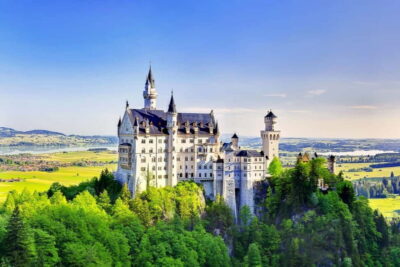
From Munich: Neuschwanstein & Linderhof Castle Full-Day Trip
Read our review →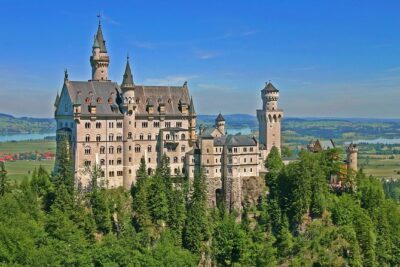
Neuschwanstein & Linderhof Castle-Fairytale Day Tour from Munich
Read our review →

Premium Neuschwanstein Castle and Linderhof VIP Tour from Munich
Read our review →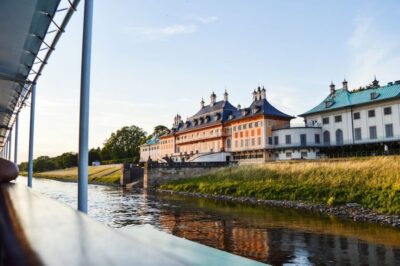
Dresden: Elbe River Cruise to Pillnitz Castle
Read our review →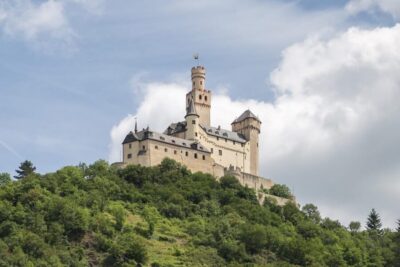
Koblenz: Rhine Valley Castles and Palaces Boat Tour
Read our review →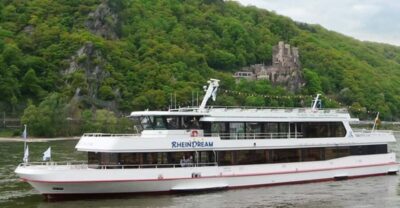
Rhine Valley Castles: 1.5-Hour Boat Tour from Rüdesheim
Read our review →Browse the lists this tour appears in