
Review · Castles worldwide
Mexico City: Visit Chapultepec Castle and the Anthropology Museum
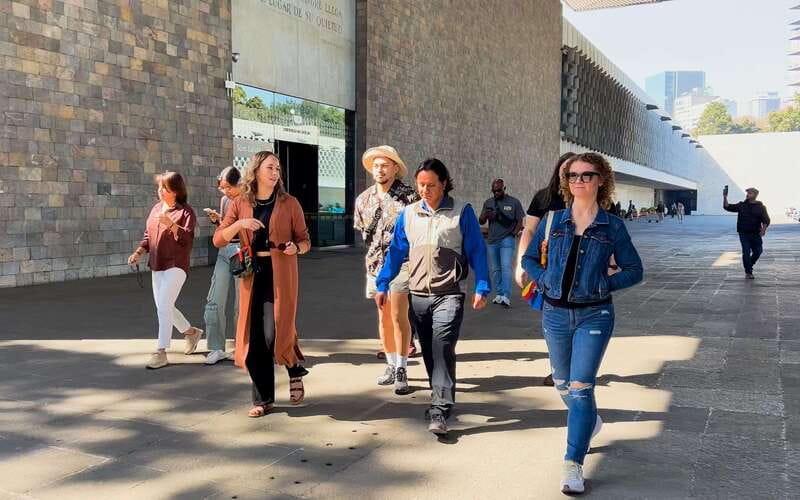
The Aztec Sun Stone is the star, but it is only the beginning. This five-hour outing links Mexico City’s most important museum with Chapultepec Castle, where murals, royal rooms, gardens, and broad city views show how Mexico’s past continued into the modern era. I like that the two sites tell one connected story instead of leaving you to piece it together alone.
I especially like the way the guide-led format brings order to a very large museum, and I like the short walk through Chapultepec Forest between the two major stops. Antonio and Leonardo have earned praise for making difficult history easy to follow. The main drawback is time: five hours sounds generous, but both places deserve far longer, and rainy weather can close the castle without warning.
Key points to know before you book
- The Sun Stone is only one part of a major collection: You will also see material linked to Mayan, Mexica, and Toltec cultures.
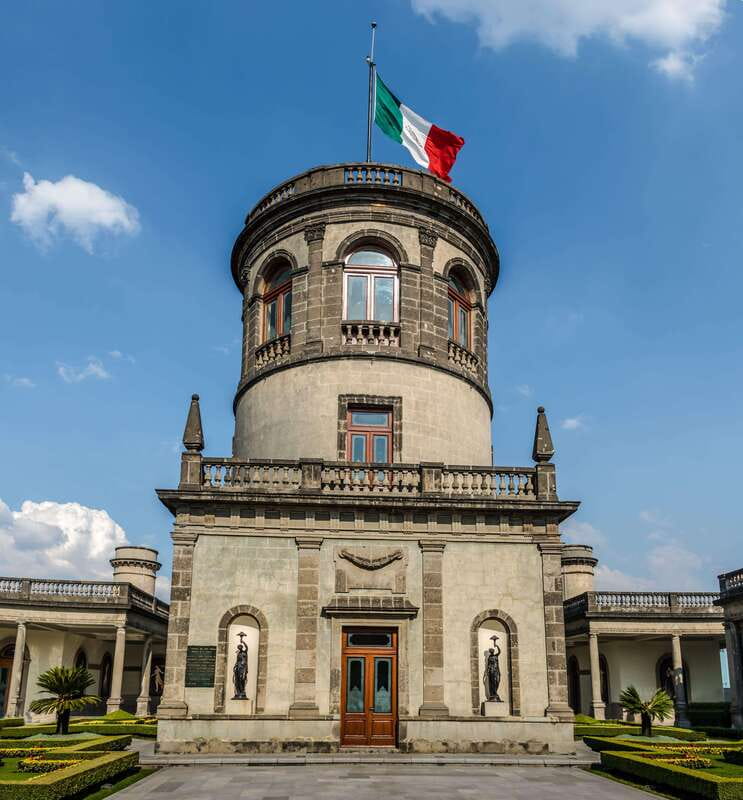
- Chapultepec Castle is unusually grand: It served as an imperial palace and later as a presidential residence until 1940.
- The tour connects two major sights on foot: Allow for a 10-minute walk, a 20-minute coffee break, and another walk of about 25 minutes.
- Guides are central to the experience: Antonio and Leonardo are specifically praised for clear storytelling, patience, humor, and help with photographs.
- The five-hour format offers focus, not total coverage: You will see important sections, but not every room or display.
- Rain can change the plan: Chapultepec Castle may close for safety reasons, with a partial refund if that happens.
Why these two sights belong together
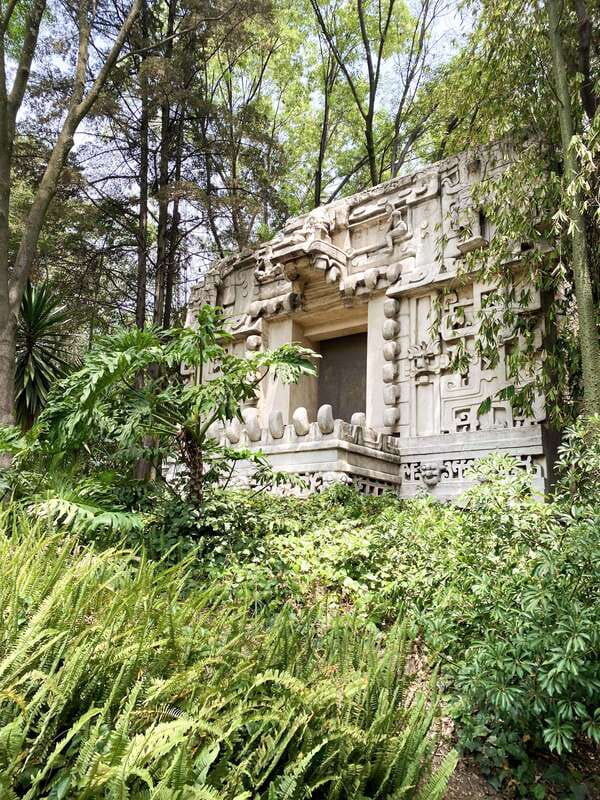
Mexico City can feel like several cities layered on top of one another. The National Museum of Anthropology presents the civilizations that shaped the region long before modern Mexico. Chapultepec Castle then carries the story into the colonial, imperial, and republican periods.
That link gives this tour its value. You are not simply ticking off a museum and a palace. You are moving from ancient cultures and ritual objects to political power, national identity, and 20th-century Mexican art.
The experience lasts five hours and costs $75 per person. That price includes admission to both attractions and a specialized guide, but not food or drinks. I consider it a reasonable price if you want context and efficient sightseeing, especially since the museum is large and the castle’s story can be easy to miss without explanation.
If you prefer wandering at your own speed, stopping often, and reading every label, a guided tour may feel brisk. If you want the important pieces explained in plain language, the price makes more sense.
More Chapultepec Castle tours around the world:
- Chapultepec Castle & Anthropology Museum Tour
★ 4.5 · 1,348 reviews - Mexico City: Chapultepec Castle and Anthropology Museum Tour
★ 4.5 · 637 reviews - 5 Hour Tour through Chapultepec, Anthropology Museum and Castle
★ 5.0 · 239 reviews
Starting at the National Museum of Anthropology
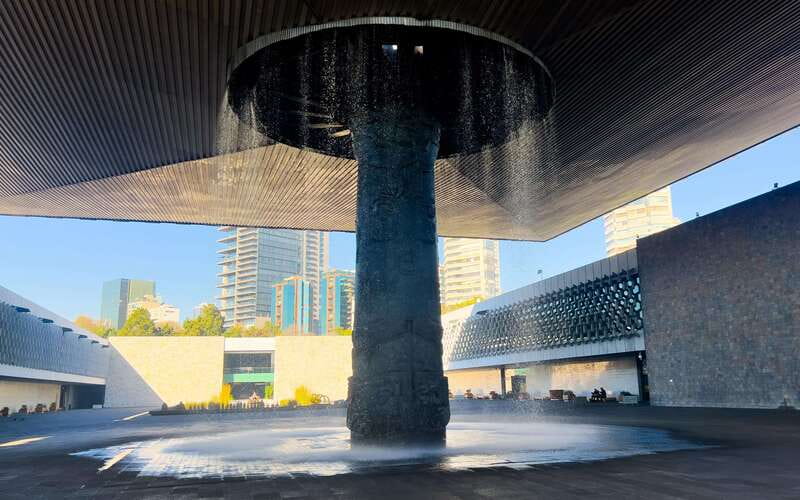
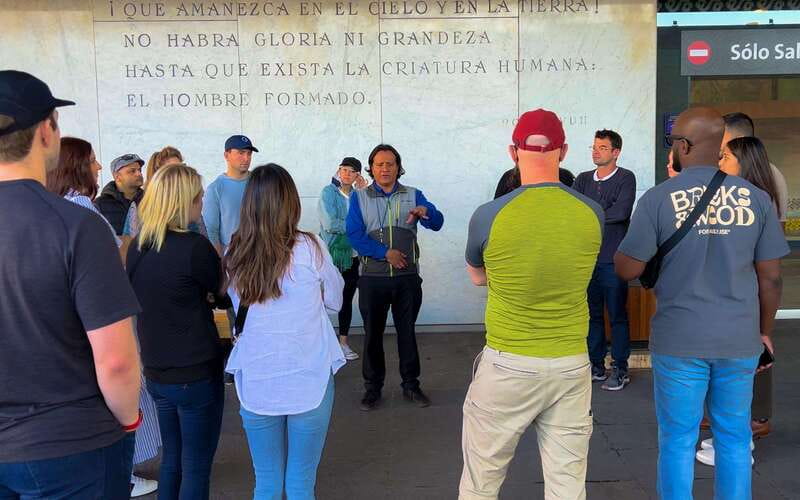
The meeting point is at the main entrance of the National Museum of Anthropology on Avenida Paseo de la Reforma, though the exact meeting point can vary with the option you book. Check that detail carefully before setting out.
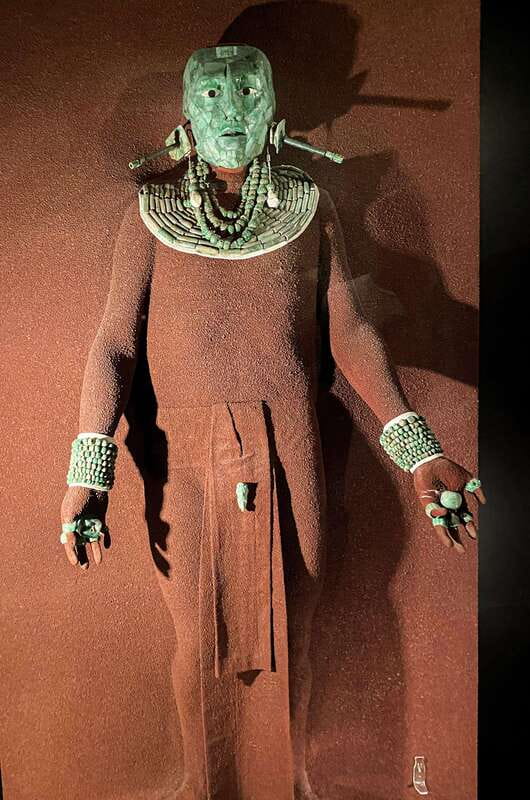
This is not a small local museum. It is one of Latin America’s major museums, with collections covering cultures that occupied Mexico centuries ago and whose customs, symbols, and artistic traditions still matter today.
Your guide will focus on the Mayan, Mexica, and Toltec cultures. That selection gives you a useful frame for understanding the museum, though it cannot cover every culture represented in the building during a 100-minute visit.
I like having a guide here because the objects can be visually striking without being immediately clear. A stone carving, ceremonial object, or monumental figure may look impressive, but the meaning depends on details such as its setting, use, and connection to a larger tradition.
Guides such as Antonio and Leonardo have been praised for explaining the relationships among Mesoamerican cultures rather than treating each group as an isolated chapter. That approach matters. You begin to see Mexico’s ancient past as a network of ideas and traditions, not a short list of names to memorize.
Seeing the Piedra del Sol
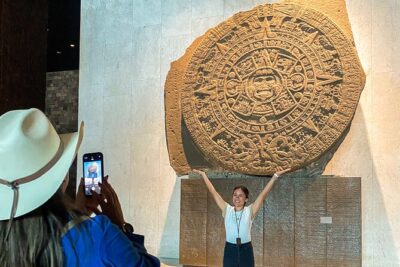
The Piedra del Sol, often called the Aztec calendar, is the museum’s most famous object. You will want time to look at its carved face, but the guide’s explanation is what turns it from a famous photograph into a historical object.
The name can create confusion. It is widely known as the Aztec calendar, but the stone represents much more than a simple device for marking dates. Your guide can help you read its symbols and place it within Mexica culture.
This is one of the moments when a live guide earns the admission price. The museum holds many objects that can seem mysterious when viewed alone. A clear explanation helps you notice patterns and understand why certain pieces matter.
Do not expect a quiet, leisurely study of every display in 100 minutes. The museum is too large for that. Instead, you will see selected highlights and gain a working outline of Mexico’s ancient cultures.
The 10-minute walk and coffee break
After the museum, the group walks for about 10 minutes before a 20-minute coffee and free-time stop. This is a useful pause after the museum’s dense concentration of information.
Food and drinks are not included, so you should plan to pay for your own coffee or snack. The break also gives you a chance to ask your guide about something you saw before moving on.
This is a small part of the day, but it helps the pace. Five hours of museum and castle visits with no pause would feel demanding, especially for anyone who prefers to take notes or ask questions.
More castle museums around the world:
- Osaka Castle: Museum and Tower Entry Ticket
★ 4.5 · 2,380 reviews - Cairo: Egyptian Museum, Citadel, and Old Cairo Guided Tour
★ 4.7 · 853 reviews - Amboise: Clos Lucé Castle, Da Vinci Park and Museum Ticket
★ 4.7 · 779 reviews - Museum of Egyptian Civilization, Citadel & Old Cairo Tour
★ 4.7 · 530 reviews
Walking through Chapultepec Forest
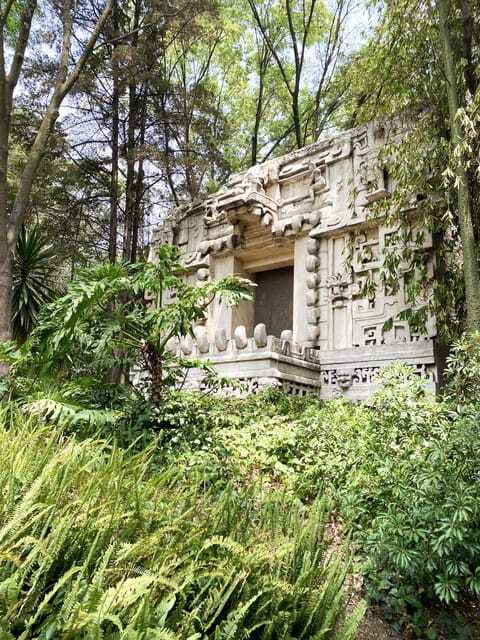
The tour then continues through Bosque de Chapultepec, or Chapultepec Forest, with about 20 minutes set aside for sightseeing. The forest is not just a route between attractions. It gives you a change of pace and a sense of the large setting around the castle.
Another walk of about 25 minutes follows before the castle visit. The exact experience can depend on the route and the group’s pace, but you should be ready for a fair amount of walking during the day.
Wear comfortable shoes. That is simple advice, but it matters here. The tour combines indoor museum floors, outdoor paths, a large public park, and a hilltop castle. The information is the main attraction, but your feet will still have an opinion.
The forest also helps explain why Chapultepec Castle has such a commanding position. The castle sits above the city, and the approach gives the palace a sense of distance from the streets below.
Entering Chapultepec Castle
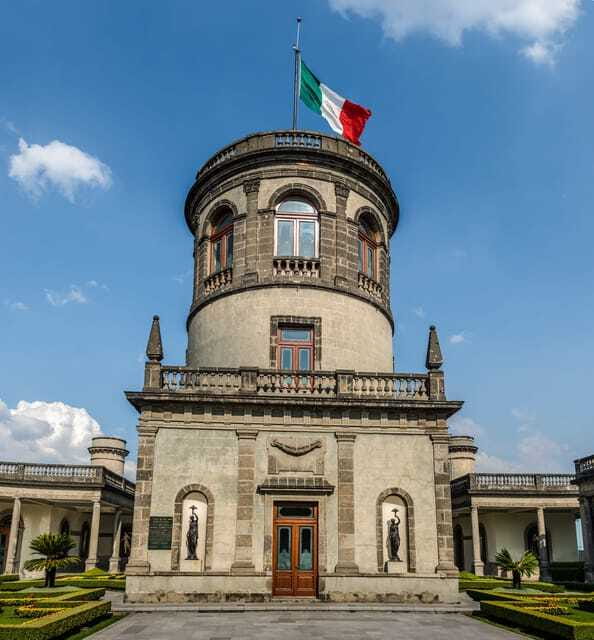
Chapultepec Castle is the second major visit, with about 100 minutes for a guided tour and sightseeing. It is known as the only royal residence in the Americas, and its later role as an imperial palace and presidential residence gives it several layers of political history.
The building served as a presidential residence until 1940. That fact alone makes it different from a palace preserved only as a royal relic. The rooms connect to Mexico’s changing forms of government and the people who held power there.
Your guide will help connect the building to the broader story introduced at the museum. The castle is not simply about grand rooms and fine views. It also reflects how Mexico presented itself, governed itself, and argued over its future.
You will see murals by 20th-century Mexican artists, including David Alfaro Siqueiros. These works add a modern voice to a building associated with older power. They also show how Mexican artists used public art to tell national stories and interpret political change.
The castle’s gardens are another highlight. After the museum’s display cases and galleries, the open spaces feel different. You can take in the city from the top of the hill and see why this location has mattered for so long.
The views from the hilltop
The panoramic view of Mexico City is one of the most rewarding parts of the afternoon. You get a broader sense of the capital after spending time with individual objects and rooms.
I like this contrast. The museum asks you to look closely at artifacts. The castle asks you to look outward across the city. Together, the two viewpoints make the day feel more complete.
The best photo opportunities are around the castle’s gardens and viewpoints. Your guide can also help with photographs, a detail that may sound minor but is useful when you are traveling alone or want a group picture.
Keep expectations realistic. The view is a major feature, but weather and visibility can affect it. Rain is the more serious concern because the castle may close without prior notice for security reasons. If that happens, a partial refund is provided.
How much can you cover in five hours?
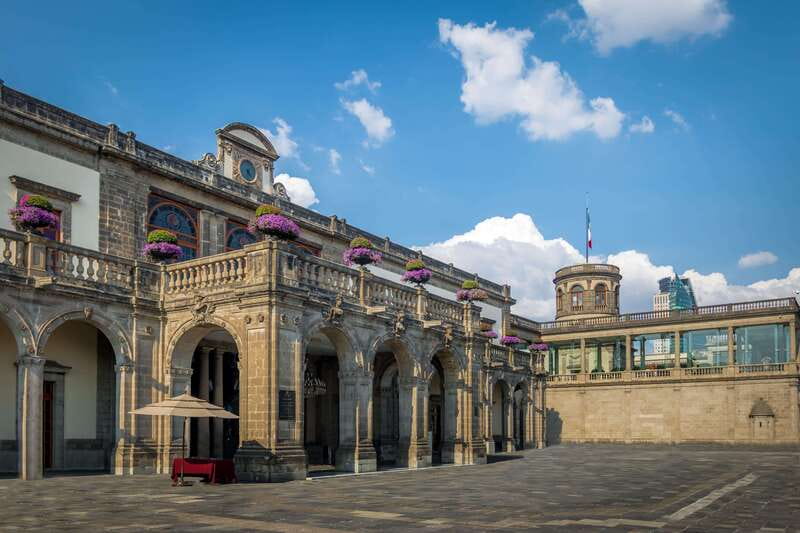
The museum and castle each receive about 100 minutes of guided time. That is enough to see major highlights and understand the main themes, but not enough to explore every gallery at length.
The rest of the schedule includes walking, a coffee break, and time in Chapultepec Forest. The day is active without being an all-day marathon, though the amount of walking may feel substantial for some people.
I would choose this tour if you have limited time in Mexico City and want a strong first look at its cultural institutions. It works especially well for first-time visitors, families who want explanations, and anyone who finds large museums hard to approach alone.
You may want separate visits if you are a serious art or archaeology enthusiast. The museum and castle both reward slow exploration, and a half-day can only introduce them.
The guide makes the difference
The strongest part of this experience is the guide’s role. Antonio is praised for laying out Mexican history in a way that is easy to absorb, while Leonardo is praised for explaining the connections among Mesoamerican cultures and traditions.
Those details point to the kind of help you can expect: not just facts, but a clear path through them. A good guide can tell you what deserves your attention, answer questions, and keep the day from becoming a procession of unexplained objects.
Patience also matters. The tour is available in English and Spanish, and some content is presented in its original language. If you have questions about a term, a symbol, or a historical figure, this is the time to ask.
The experience has a rating of 4.7 out of 5 from seven reviews. The praise is consistent around the guides’ explanations, patience, humor, and help with photographs. That does not mean every guide will have the same personality, but the human element is clearly central to the tour.
Private groups are available, which may suit you if you want more control over the pace or prefer a more personal setting. The standard group option may be better value if you are comfortable sharing the day with others.
Price, pacing, and practical value
At $75 per person, the cost includes both entrance fees and the guide. It does not cover food or beverages, so bring money for the coffee stop.
The value depends on how you like to visit museums. If you are happy to read labels and make your own route, buying separate admission may offer more freedom. If you want the main objects explained and the day organized around two major sites, this price is easier to justify.
The reserve-now, pay-later option also keeps your plans flexible. You can cancel up to 24 hours in advance for a full refund.
The activity is wheelchair accessible, though the exact walking route and conditions at each site can still affect comfort. Ask for current meeting details and accessibility information when booking, particularly if you need a specific route.
The tour is offered in English and Spanish. The meeting point may vary depending on the option selected, so do not assume every booking begins in exactly the same place.
Who should book this Mexico City tour?
Book it if you want a guided introduction to ancient Mexican cultures, national art, and the political story of Chapultepec Castle in one half-day.
It is a good fit for you if:
- You have limited time in Mexico City.
- You want to see the Sun Stone and major cultural highlights.
- You prefer a guide to explain symbols, dates, and connections.
- You enjoy combining indoor museums with walking and city views.
- You want the option of an English- or Spanish-speaking guide.
- You are comfortable with several walks and a five-hour schedule.
You may want to skip it if you dislike fixed timing or want several hours in each museum. The itinerary gives you a useful overview, but it does not leave much room for lingering.
Should you book it?
I would book this tour for a first visit to Mexico City, especially if the Anthropology Museum feels intimidating or you want the museum and castle tied together by one clear story.
The best reason to choose it is the guide-led interpretation. Antonio and Leonardo show the level of explanation this experience aims for: clear, patient, and focused on connections rather than random facts.
Just keep the limits in mind. Five hours is enough for a strong introduction, not a full study of either site. If rain is forecast, check the castle status before you go, since closure can happen without prior notice.
FAQ
How long does the tour last?
The tour lasts five hours, including the museum and castle visits, walking time, a coffee break, and sightseeing in Chapultepec Forest.
What does the $75 price include?
The price includes a specialized guide and entrance fees to the National Museum of Anthropology and Chapultepec Castle. Food and beverages are not included.
Which languages are available?
The live tour guide is available in English and Spanish. Some content is shown in its original language.
Where does the tour begin?
The listed starting point is the main entrance of the National Museum of Anthropology on Avenida Paseo de la Reforma. The meeting point may vary depending on the option booked.
Is the activity wheelchair accessible?
Yes, the activity is listed as wheelchair accessible.
Can I book a private group?
Yes, a private group option is available.
What happens if Chapultepec Castle closes because of rain?
For security reasons, the castle may close without prior notice on rainy days. If it closes, a partial refund is provided.
New castle tours around the world
- From Prague: Karlštejn Castle & Koněprusy Caves Tour★ 4.9 · 183 reviews
- Prague: 2.5-Hour Vyšehrad Castle with Gorlice & Tickets★ 4.5 · 118 reviews
- Prague: Alchemy & Mysteries Bridge and Castle Evening Tour★ 5.0 · 8 reviews
- Prague Castle: 1-Hour Introduction Tour with Entry Ticket★ 4.2 · 41 reviews
- Potsdam: The evening Wannsee tour. Castles, parks, and villas.★ 4.7 · 63 reviews
- Prague: Stunning Viewpoints, Castle, City & Park Bike Tour★ 4.6 · 38 reviews
- Prague: River & Park Bike Tour to Troja Chateau★ 5.0 · 8 reviews
- Ljubljana: Postojna cave & Predjama castle small group tour★ 4.9 · 29 reviews
Chapultepec Castle Tours, compared.
Chapultepec Castle & Anthropology Museum Tour
Read our review →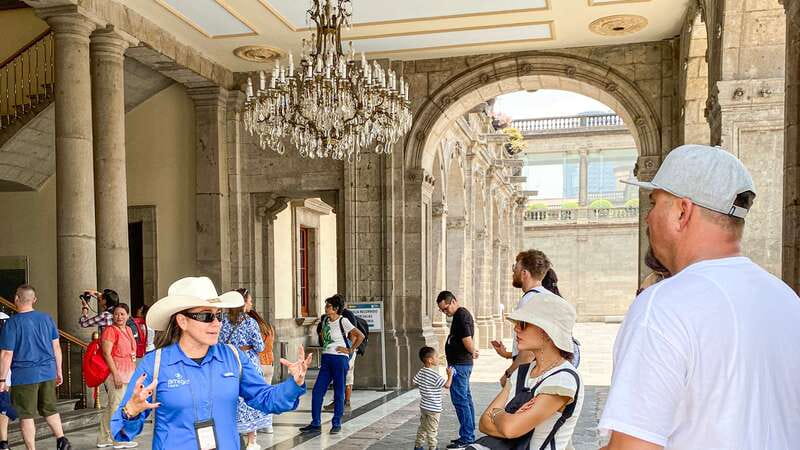
Mexico City: Chapultepec Castle and Anthropology Museum Tour
Read our review →
5 Hour Tour through Chapultepec, Anthropology Museum and Castle
Read our review →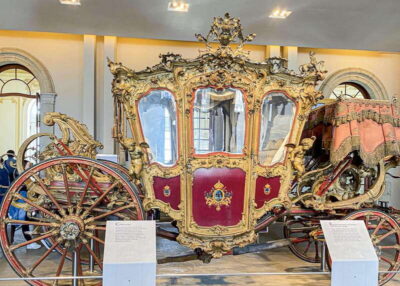
Mexico City: Chapultepec Castle Skip-the-Line Ticket
Read our review →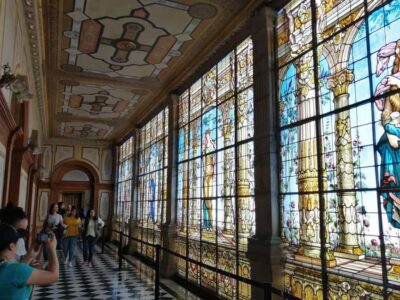
Mexico City: Chapultepec Castle After-Hours Guided Tour
Read our review →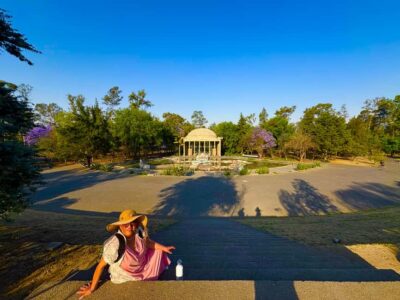
Mexico City: Chapultepec Castle and Forest Guided Tour
Read our review →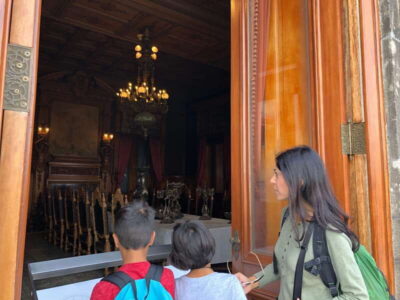
Mexico City: Art, History & gossip about Chapultepec Castle
Read our review →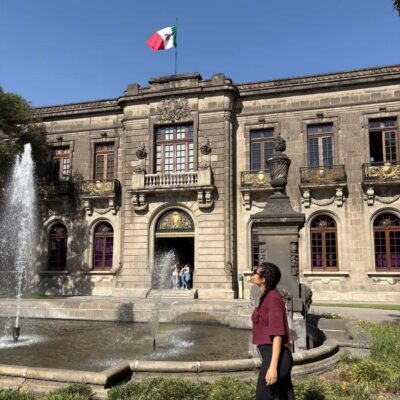
Chapultepec Castle: Private tour with local guide, tickets included
Read our review →Browse the lists this tour appears in