
Review · LJUBLJANA
Ljubljana: Guided Walk & Funicular Ride to Ljubljana Castle
Ljubljana Castle gives you the city’s best outlook, but the real value of this tour comes before you reach the funicular. You walk through the compact center with a local guide, linking famous sights with stories about Slovenian language, daily life, architecture, and the city’s past.
I like the well-planned route, which covers the core sights without wasting time, and I like the guides’ lively approach. Urban, Tina, Jagoda, Anze, and Natasha are among the guides praised for clear English, humor, and personal stories. The main consideration is group size: one group of more than 20 found the funicular too small for everyone at once, and a few people missed part of the castle commentary.
Key points
- Two-hour introduction: A brisk but manageable route through Ljubljana’s central squares, bridges, market, cathedral, and castle.
- Plečnik’s Ljubljana: See several works linked to architect Jože Plečnik, including the Triple Bridge, Cobblers’ Bridge area, market, and nearby public spaces.
- One-minute funicular ride: The railway climbs 70 vertical meters to Ljubljana Castle in about a minute.
- Strong local guiding: Guides such as Urban, Tina, Jagoda, and Anze are noted for humor, clear English, and stories about Slovenian life.
- Useful first-day orientation: The route helps you decide which squares, streets, cafés, and sights deserve a second look.
- Good value at $23: You get a guided city walk plus funicular access, making this a sensible choice for a first visit.
Why this two-hour route works so well
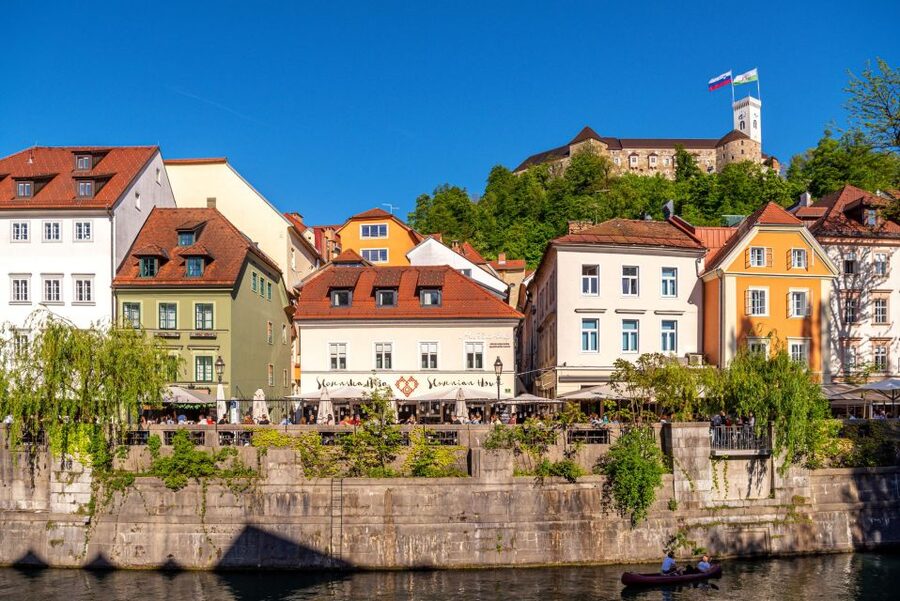
Ljubljana’s center is compact, but it is easy to pass through without understanding what you are seeing. A statue, bridge, or church may look attractive, yet its meaning can be hard to spot on your own. This walk gives you the basic framework first, so the city makes more sense when you explore it later.
The tour begins at the Ljubljana Tourist Information Center, then heads to Town Hall and the Robba Fountain. From there, you follow a logical route through the old center rather than zigzagging between isolated sights.
The pace is generally steady, with short stops for explanations. That matters because two hours can feel long if a guide holds the group in one place, but several people found this tour moved along well. One guide was also careful not to keep a large summer group in direct sun for too long.
You should still expect to be on your feet for most of the experience. Comfortable shoes are the sensible choice. Smoking is not allowed, and large bags or luggage are not suitable for the walk.
More Castle Walking Tours in Ljubljana:
- Ljubljana wonderful castle on foot and new places 🙂
★ 4.9 · 13 reviews - Edinburgh Castle: Guided Walking Tour with Entry Ticket
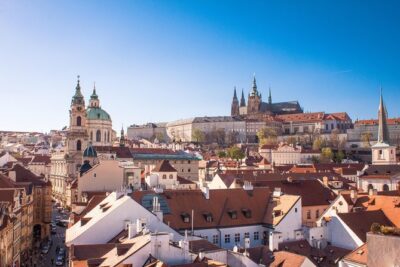
★ 4.7 · 11,699 reviews - Prague: 3-Hour Walking Tour of Old Town & Prague Castle
★ 4.7 · 5,696 reviews
Town Hall and Robba Fountain set the scene
Town Hall is a useful starting point because it connects the modern city with Ljubljana’s civic past. It remains the seat of the City Municipality of Ljubljana, so this is not simply a decorative old building. Your guide begins here by placing the center’s streets and squares in context.
The Robba Fountain in front of Town Hall gives the first strong visual pause. It is an easy place to gather the group and begin learning how Ljubljana’s public spaces fit together. From here, you are already in the heart of the pedestrian center.
This opening is especially helpful if you arrive in Ljubljana without much background. The guide can point out the layout of the old center and explain how the river, bridges, squares, and castle relate to one another. I would book this early in your stay if you want help getting your bearings before exploring alone.
Crossing Cobblers’ Bridge and meeting Plečnik’s city
The route continues toward Cobblers’ Bridge, one of the important crossings over the Ljubljanica River. Bridges are a major part of Ljubljana’s character, and this walk lets you see how the riverfront connects the old center rather than treating each sight as a separate stop.
The tour also passes the National and University Library and Križanke Summer Theater. These stops give the walk a broader architectural range. You are not seeing only medieval or Baroque Ljubljana. The route also shows how the city’s identity was shaped by later design and cultural institutions.
This is where a good guide adds real value. The physical route is easy to follow, but the buildings can blur together if you do not know what to notice. Guides such as Urban, Tina, and Anze were repeatedly praised for explaining architecture and history in clear, entertaining English, without turning the walk into a classroom lecture.
One practical point: busy streets and weekend crowds can make it harder to hear. A guide may choose quieter spots to speak, but you should stay close enough to the group to catch the commentary. The route is central and popular, so complete silence is not part of the deal.
Kongresni trg and Prešeren Square
Kongresni trg is the next major pause. This broad square gives you room to understand the scale of central Ljubljana after the narrower streets near Town Hall and the river.
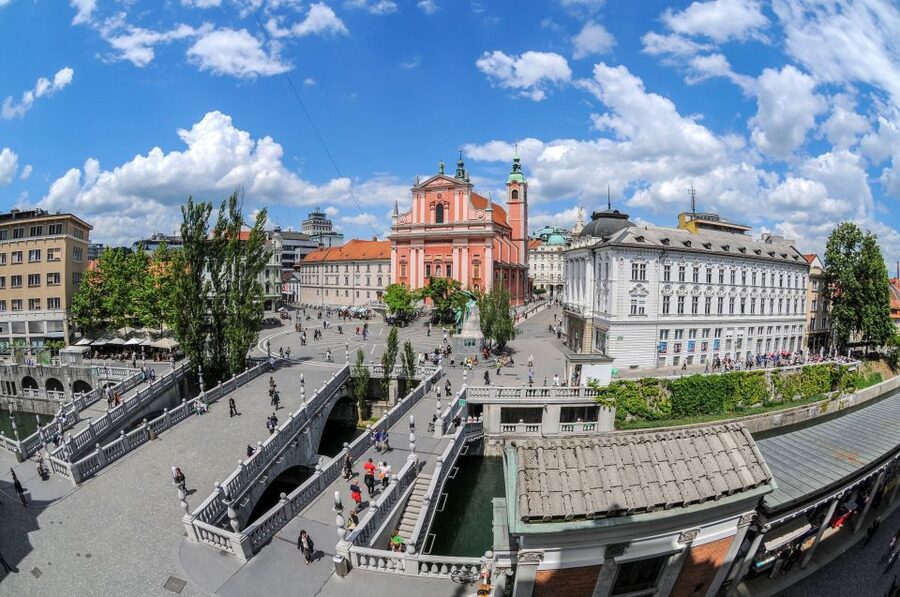
From there, you continue to Prešeren Square, the city’s main meeting place. The Franciscan Church dominates one side, while the Triple Bridge links the square to the market and the opposite riverbank. This is one of the clearest moments in the tour because several defining sights come together in one view.
The Triple Bridge is closely associated with Jože Plečnik, the architect whose work shapes much of central Ljubljana. You will see his influence again near the market and along the river. A guide can help you connect these places as parts of one city plan rather than a random series of attractive buildings.
I like this section for practical reasons. It shows you where Ljubljana’s pedestrian heart is, and it gives you several locations worth revisiting later. If you want photographs, Prešeren Square and the Triple Bridge are natural stops, though the group will not pause forever for every camera.
The guides also bring in more than dates and building names. The best commentary connects the city to Slovenian identity, food, language, and everyday life. Tina was especially praised for explaining the survival of the Slovenian language, while other guides used personal stories and humor to make the city’s past feel connected to the present.
More castles to explore around Ljubljana:
- Ljubljana: Postojna Cave & Predjama Castle Tickets and Tour
★ 4.9 · 2,146 reviews - From Ljubljana: Trip to Lake Bled and Bled Castle
★ 4.7 · 1,426 reviews - Postojna Cave and Predjama Castle – Entrance Tickets Included
★ 5.0 · 938 reviews - Slovenia in One Day: Lake Bled, Postojna Cave and Predjama Castle
★ 5.0 · 879 reviews
The market and cathedral before the castle
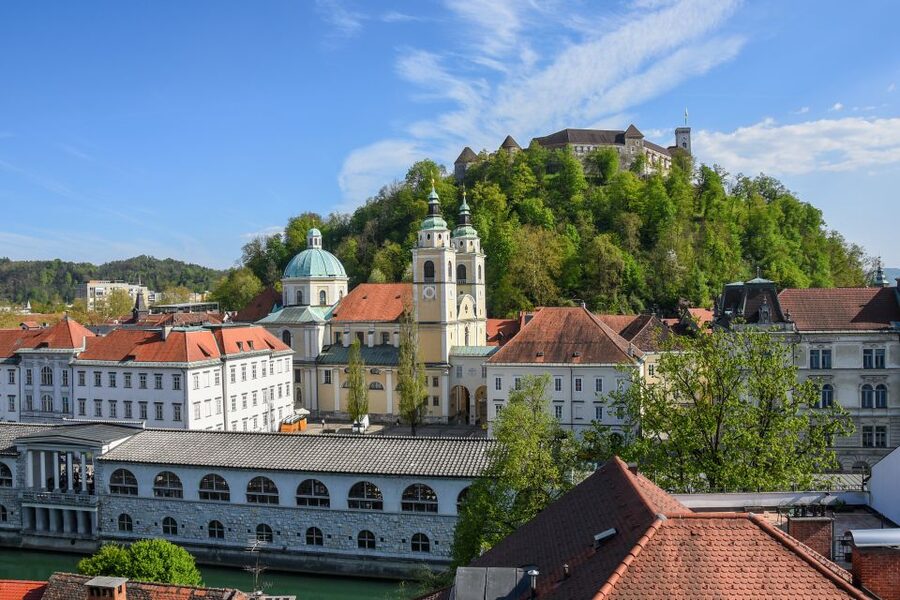
After Prešeren Square, the group heads toward Plečnik’s Market and Ljubljana Cathedral. This part of the route keeps the focus on the city as a living place. Markets, churches, public squares, and bridges are not just monuments. They are the spaces where daily routines and major events meet.
The market is also a useful orientation point for the rest of your visit. You may want to return later at your own pace, especially if you prefer to browse rather than follow a group. The tour gives you the basic layout, but it does not leave time for a leisurely market stop.
Ljubljana Cathedral adds another layer to the center’s architecture and religious history. The tour is designed as a broad introduction, so you should not expect a long interior visit at every landmark. The advantage is coverage. In two hours, you see many of the places that first-time visitors usually want to find.
This is a good balance for most people. You receive enough information to understand the city, then you can choose what deserves a closer look later. If your main goal is detailed museum time, a specialist architecture or art tour would be a better fit.
The funicular climbs 70 meters to Ljubljana Castle
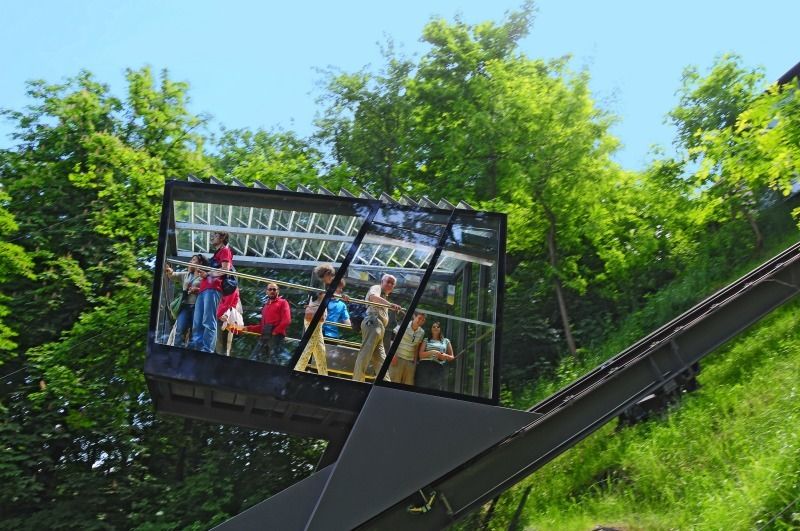
Near the cathedral, the walking portion reaches the bottom station of Ljubljana’s funicular. The railway climbs 70 vertical meters in about one minute, making the change from city streets to castle hill quick and easy.
The ride is one of the tour’s most enjoyable transitions. After walking through the center, you suddenly rise above it. The short journey saves you from a longer uphill approach and gives the castle visit a clear sense of arrival.
Group size can affect this part. A funicular car may not take everyone at once, especially when the tour has more than 20 people. One group found that a few participants were left behind and missed the final castle explanation. Stay aware of your guide and follow instructions at the station.
The supplied experience includes the funicular ride to Ljubljana Castle. A past participant also used the included castle access flexibly after the walk, stopping for lunch before going up. If your schedule matters, confirm the exact arrangement on the day, since the group’s movement and the railway’s capacity can affect timing.
Ljubljana Castle and the outlook tower
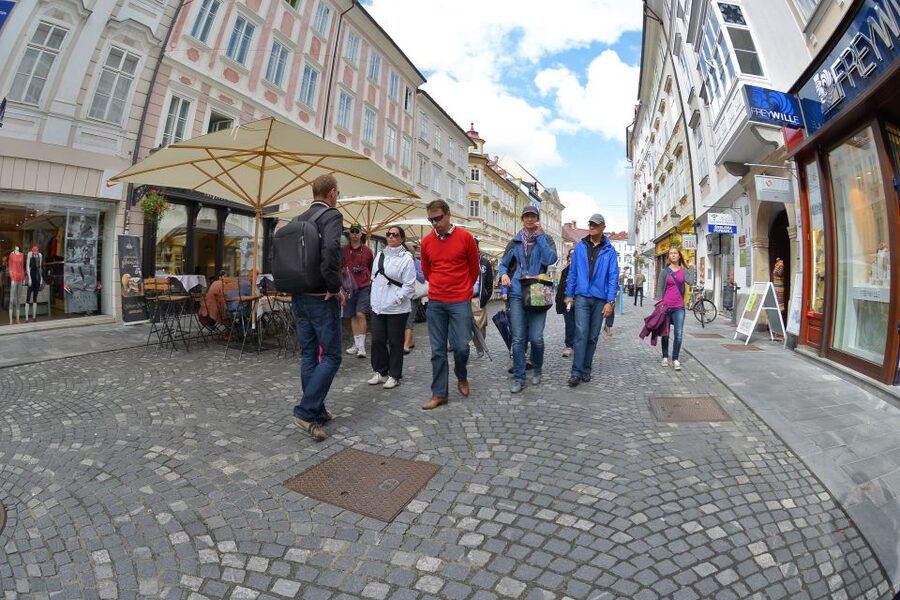
Ljubljana Castle is the city’s most prominent sight, and the outlook tower is the payoff for the route. From above, you can see the compact center you have just crossed, with the river and surrounding parts of Ljubljana opening out below.
This view is more useful after the walking tour than before it. You have already seen the bridges, squares, market, and cathedral at street level, so the tower helps you understand how they fit together. It turns a pleasant view into a simple mental map of the city.
The castle interior includes several displays and exhibitions. These include Slovenian History, The Prison, and Virtual Castle. The tour gives you access to the castle setting, but two hours is not enough for a long, careful visit to every display.
Plan your expectations accordingly. The guided walk is the main event, while the castle offers a strong finish and a chance to continue exploring. If you enjoy exhibitions, you may want extra time after the guide’s formal portion ends.
The castle can also be a good place to slow down after the faster parts of the walk. The city route has a set schedule, but once the guided portion is over, you can decide how long the view and displays deserve.
What the guides add to the experience
The tour uses English-speaking local guides, and the quality of the commentary is central to its appeal. Urban is praised for humor and a clear explanation of the city’s stories. Tina is noted for speaking clearly and answering many questions. Jagoda brings a funny, considerate style, while Anze is praised for linking architecture, history, and humor.
Other guides, including Natasha, Alan, Martina, Milo, Vida, and Marijana, have also led this experience. That means the exact personality of the tour will vary by departure. Still, the repeated pattern is clear: guides tend to focus on local context rather than reciting a string of dates.
You should feel free to ask questions. The guides are particularly useful when you want to understand how Slovenian history connects to daily life, language, food, and national identity. One guide was also praised for sharing practical tips about places to return to after the tour.
Group size changes the feel. A small group allows more questions and easier conversation. A larger group can still work well when the guide projects clearly, but you need to stay close. One participant in a group of more than 20 could hear the guide well, while another found the funicular capacity awkward.
Is $23 a fair price?
At $23 per person, this is a good-value introduction to Ljubljana. You receive a two-hour guided walk, an English-speaking local guide, and the funicular ride to the castle.
The value is strongest if you are visiting for the first time. A self-guided walk costs less, but you would need to research the sights, plan the route, and pay separately for any castle transport or access. Here, the city walk and castle connection are handled in one compact outing.
The tour is less useful if you already know central Ljubljana well or have visited the castle before. One solo participant had already seen the castle, and the guide adapted the walk to show more of the city. That flexibility can help, but the standard appeal remains the overview of both center and castle.
The price also makes sense for families and short stays. An 11-year-old enjoyed the structured information, and the two-hour length is manageable for many children who might not tolerate a full-day historical tour.
Who should book this Ljubljana tour?
I would choose this tour if you want a first-day overview with enough history to make later wandering easier. It suits couples, families, solo visitors, and anyone who prefers a guide to explain the city’s design and local identity.
It is also a good choice for visitors with limited time. The route reaches many of the central sights, then adds the castle without requiring a separate uphill walk.
You should think twice if you need step-free access. The experience is not suitable for wheelchair users. It also requires walking and standing, and large luggage is not allowed.
Book it if you value human explanation more than long interior visits. Skip it if you prefer to move entirely at your own pace, spend an hour at one church or museum, or revisit Ljubljana Castle with no schedule.
Final verdict: a smart introduction at a sensible price
I recommend this tour for most first-time visitors to Ljubljana. Its route is efficient, the castle view gives the outing a clear finish, and the strongest guides add humor and personal insight instead of only listing facts.
The main cautions are simple: wear good shoes, stay near the guide in a large group, and allow for the possibility that the funicular may require more than one departure. If you want a friendly, useful introduction to the center and castle for $23, this is an easy choice.
FAQ
Where does the Ljubljana walking tour begin?
Meet the guide at the Ljubljana Tourist Information Center.
How long does the experience last?
The tour lasts two hours.
What language is the tour conducted in?
The live tour guide speaks English.
Which sights are included on the walking route?
The route includes Town Hall, the Robba Fountain, Cobblers’ Bridge, the National and University Library, Križanke Summer Theater, Kongresni trg, Prešeren Square, the Franciscan Church, the Triple Bridge, Plečnik’s Market, and Ljubljana Cathedral.
How high does the funicular travel?
The funicular carries you 70 vertical meters up to Ljubljana Castle in about one minute.
What can I see at Ljubljana Castle?
The castle has an outlook tower with city views and displays including Slovenian History, The Prison, and Virtual Castle.
Is the funicular ride included?
Yes. The experience includes a funicular ride to Ljubljana Castle.
What should I bring?
Bring comfortable shoes. Smoking and large bags or luggage are not allowed.
Is the tour suitable for wheelchair users?
No. The experience is not suitable for wheelchair users.
New castle tours around Ljubljana
- Ljubljana wonderful castle on foot and new places 🙂★ 4.9 · 13 reviews
- Ljubljana: Škocjan Caves, Rakov Škocjan & Predjama castle★ 4.2 · 9 reviews
- From Ljubljana: Postojna Cave, Predjama Castle, & Piran Tour★ 5.0 · 244 reviews
- Ljubljana and Ljubljana Castle Sightseeing Tour★ 4.9 · 96 reviews
- Ljubljana: Postojna Cave and Predjama Castle Tour★ 4.9 · 247 reviews
- From Ljubljana: Postojna Cave, Predjama Castle and Lake Bled★ 4.7 · 220 reviews
- From Ljubljana: Lake Bled, Postojna Cave and Predjama Castle★ 5.0 · 34 reviews
- Ljubljana: Castle Entry Ticket with Optional Funicular Ride★ 4.3 · 718 reviews
Castle Walking Tours, compared.
Edinburgh Castle: Guided Walking Tour with Entry Ticket
Read our review →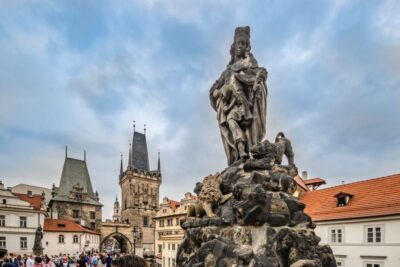
Prague: 3-Hour Walking Tour of Old Town & Prague Castle
Read our review →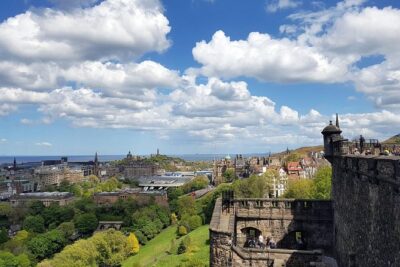
Edinburgh Castle Guided Walking Tour in English
Read our review →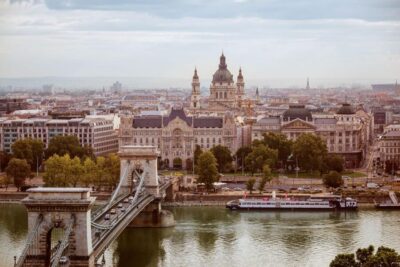
Budapest: Buda Castle Walk with Saint Stephen’s Hall
Read our review →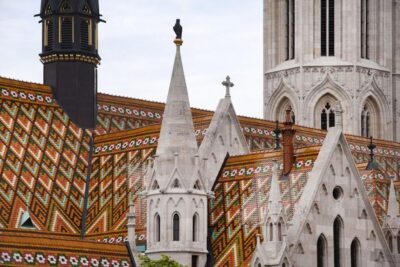
Prague 3-hour Afternoon Walking Tour including Prague Castle
Read our review →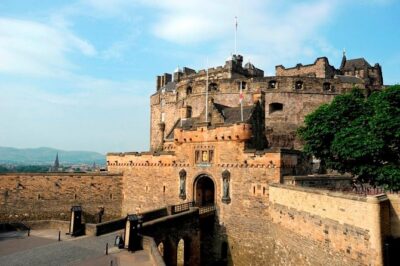
Royal Mile and Edinburgh Castle – Small Group Walking Tour
Read our review →
Browse the lists this tour appears in