
Review · AUSTRIA
Innsbruck: Tickets for Schloss Ambras
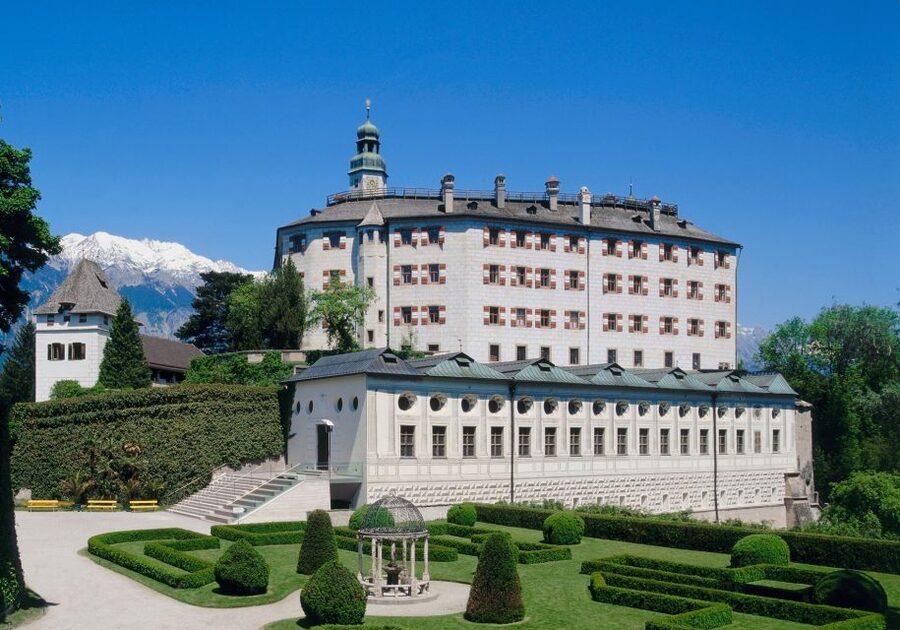
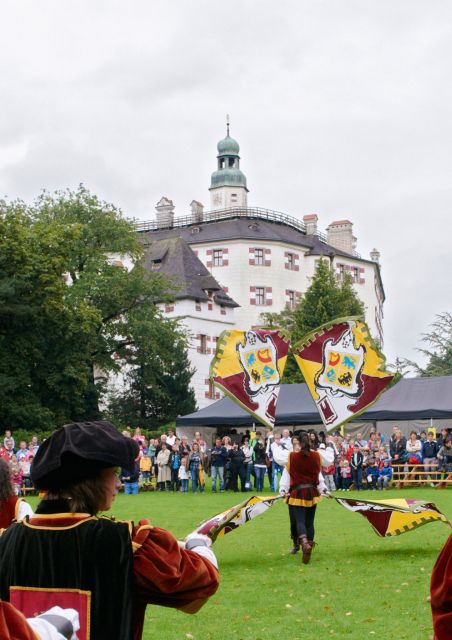
Schloss Ambras gives you one of Innsbruck’s most unusual museum visits: a Renaissance prince’s personal collection of armor, paintings, scientific objects, curiosities, and treasures from distant lands. I especially like the Chamber of Art and Wonders, where a compass, coral, ivory, unusual instruments, and portraits of people once considered miracles sit side by side. The Habsburg portrait gallery adds more than 200 paintings, including works linked to Cranach, Arcimboldo, Rubens, van Dyck, and Velázquez.
At $16, admission is good value if you enjoy art, court history, or odd old objects. It is also a solid family choice because the displays include striking armor and strange curiosities, not only formal paintings. The main consideration is that your ticket covers entry only. An audio guide and guided tour cost extra, so you will need to read the displays or arrange your own guide.
Key points to know before you go
- Ferdinand II’s collection: See how a 16th-century prince organized art, science, nature, foreign objects, and curiosities under one roof.
- The Chamber of Art and Wonders: Look for ivory and coral objects, a compass attachment, the Ryukyu bowl, unusual musical instruments, and the famous hairy man portrait.
- Rare armor: The armories include tournament equipment, ceremonial armor, generals’ armor, and the Turkish Chamber.
- Habsburg portraits: More than 200 paintings trace the dynasty from Albrecht III to Emperor Franz II, with works by major European artists.
- A flexible one-day visit: Your admission is valid for one day, and you can explore at your own pace rather than follow a fixed group schedule.
- Good value for independent visitors: The $16 ticket includes museum admission, while an audio guide or private guide is optional.
Why Schloss Ambras feels different from a usual palace visit
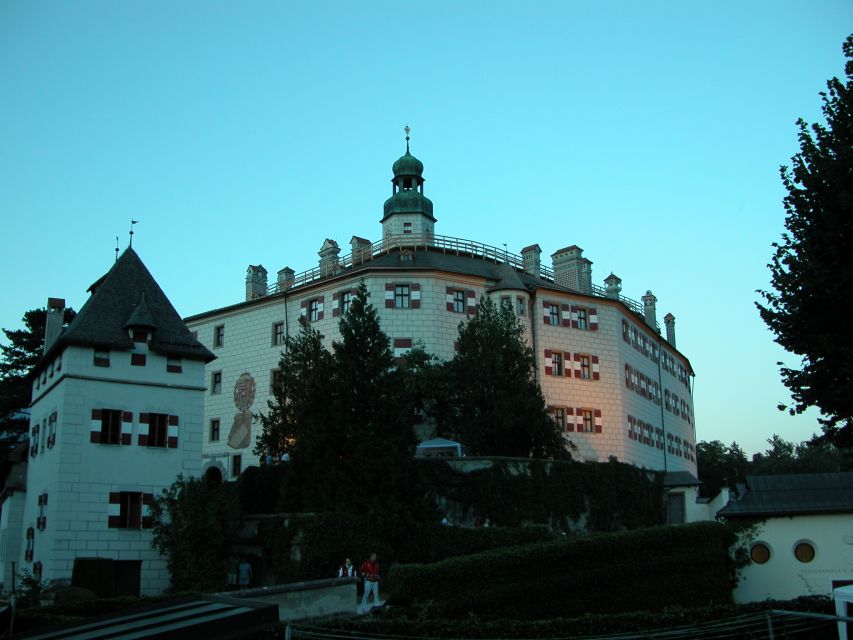
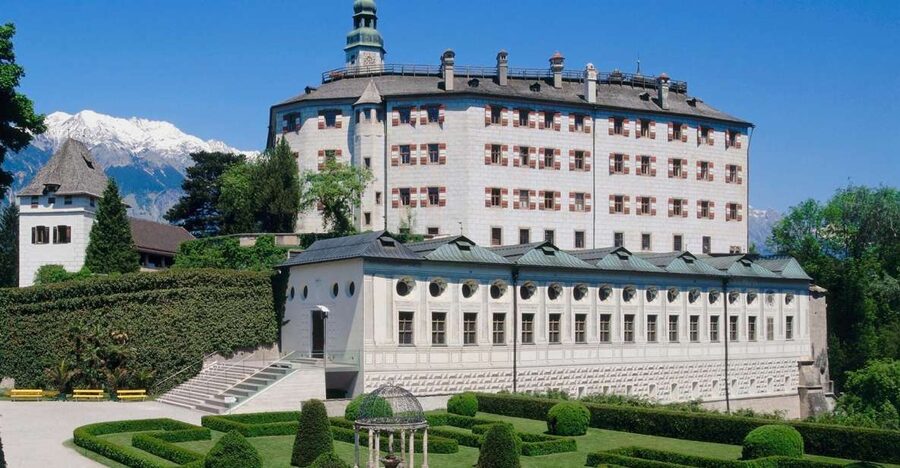
Many European palaces show you grand rooms, royal beds, painted ceilings, and formal gardens. Schloss Ambras offers some of that courtly atmosphere, but its real appeal is more personal. You are seeing the interests of Ferdinand II, a Renaissance prince who collected objects to show the breadth of the known world.
That idea gives the visit a clear thread. Instead of looking at unrelated museum cases, you can ask what each object meant to its owner. A scientific instrument reflects curiosity. A coral object suggests the value placed on rare natural materials. A distant bowl points to trade, travel, and the fascination with places beyond Europe.
I like this kind of collection because it does not separate art neatly from science or fact from legend. In the 16th century, a collection could contain a beautiful carving, a tool for measurement, a natural oddity, and a portrait of an unusual person. Schloss Ambras lets you see that older way of organizing knowledge.
The museum is also a useful change of pace from Innsbruck’s mountain scenery and historic center. You can spend much of your time indoors with focused exhibits, making it a practical choice if you want a cultural stop that is not simply another church or city square.
More castles to explore around the world:
- Stonehenge, Windsor Castle, and Bath from London
★ 4.5 · 18,662 reviews - Bucharest: Dracula’s Castle, Peles Castle, & Brasov Old Town
★ 4.5 · 17,858 reviews - From Munich: Neuschwanstein & Linderhof Castle Full-Day Trip
★ 4.6 · 14,646 reviews
Start with Ferdinand II’s Chamber of Art and Wonders
The Kunst- und Wunderkammer, or Chamber of Art and Wonders, is the heart of the visit. It was intended as an encyclopedic collection, meaning it aimed to represent the world as people understood it during the Renaissance.
You will find objects made from precious materials such as ivory and coral. These pieces matter not only because they are attractive, but because they show the skill of craftsmen and the high status of rare materials at court. A small carved object could take enormous effort to make, and its presence in the collection signaled wealth, learning, and access to faraway goods.
The collection also includes scientific objects. One highlighted piece is an attachment with a compass, a reminder that measurement and navigation were part of a Renaissance prince’s interests. It is easy to rush past an object like this if you expect only paintings, but it helps explain how Ferdinand II connected art with practical knowledge.
Look also for the Ryukyu bowl, an object from distant Asia. Its presence shows how a European court collection could include things that most people in the region would never see. The point is not simply that the bowl is old or rare. It represents a wider fascination with foreign cultures and the expanding reach of trade.
Some of the most memorable displays are the objects that modern eyes find strange. The collection includes portraits of people considered miracles, including the hairy man, known in German as the Haarmensch. You may find these images unsettling, but they reveal how Renaissance society treated unusual human appearances as subjects for wonder, study, and display.
The room also contains games and unusual musical instruments. These details keep the collection from feeling like a dry history lesson. I would give this section time, especially if you are visiting with children or with anyone who prefers objects with an immediate visual hook.
Take your time with the ivory, coral, and strange objects
The Chamber of Art and Wonders rewards close looking. You do not need to know every name or date to enjoy it. Start with the materials. Ask yourself why ivory, coral, metal, wood, or painted surfaces were chosen, then consider what the object was meant to show.
Ivory often allowed artists to carve tiny details. Coral was valued as a rare natural material and could be treated as both decorative and meaningful. Scientific instruments, meanwhile, reveal an interest in how the world worked. These objects tell you about taste, belief, trade, and learning at the same time.
The collection is strongest when you resist the urge to treat it as a room of random oddities. Ferdinand II was trying to create a picture of the world. His collection included nature, technology, art, foreign goods, music, and human difference because all of these could inspire wonder.
This is also where the absence of a guide matters most. An audio guide or private guide is not included, so you will get more context if you bring some patience and read carefully. Independent visitors can still enjoy the displays, but the meaning behind an object may not always be obvious at first glance.
See tournament armor and the Turkish Chamber
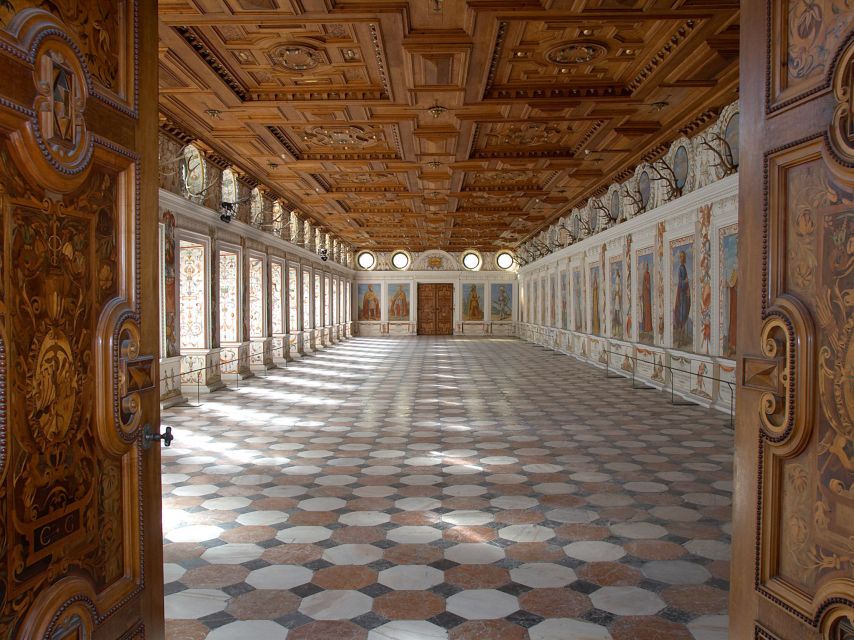
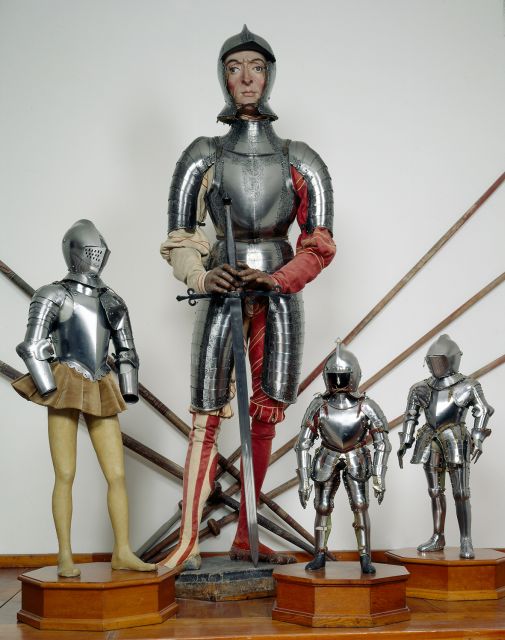
The armories provide a more direct visual experience. Here you can see rare tournament armor, ceremonial armor made for courtly celebrations, and armor connected with famous generals.
Tournament armor was not simply battlefield equipment. It was designed for public contests, status, and spectacle. The heavy metal forms can look almost theatrical, and that is part of the point. Court life included ceremony and display, and armor could communicate rank as clearly as a portrait or jewel.
Ceremonial armor offers another angle. It was linked to festivals and formal events rather than ordinary fighting. You can look at it as clothing for a highly structured society, where a prince’s appearance sent a message before he spoke a word.
The collection also includes the Turkish Chamber, or Türkenkammer, of Ferdinand II. This section documents two opposing attitudes toward the Ottoman world: fear of Turkish military power and fascination with the Orient.
That tension is worth keeping in mind as you look at the objects. The Turkish Chamber is not simply a display of foreign decoration. It reflects the political anxiety of the 16th century, along with the court’s interest in the unfamiliar. The objects show how conflict and curiosity could exist together.
I find the armories especially useful for visitors who are less drawn to portrait painting. Armor has a strong physical presence, and it helps you picture the ceremonies and power struggles behind the court collection. It also gives younger visitors something easy to recognize before they move on to the more subtle art displays.
Same stronghold, another way through the gate:
- Edinburgh Castle: Guided Walking Tour with Entry Ticket
★ 4.7 · 11,699 reviews - Prague: Skip-the-line Castle Ticket and Optional AudioGuide
★ 4.3 · 11,121 reviews - Bucharest: Dracula Castle, Peles Castle & Brasov Old Town
★ 4.6 · 10,891 reviews - Prague: Castle Tour with Local Guide and Entry Ticket
★ 4.6 · 10,422 reviews
Meet the Habsburgs through more than 200 portraits
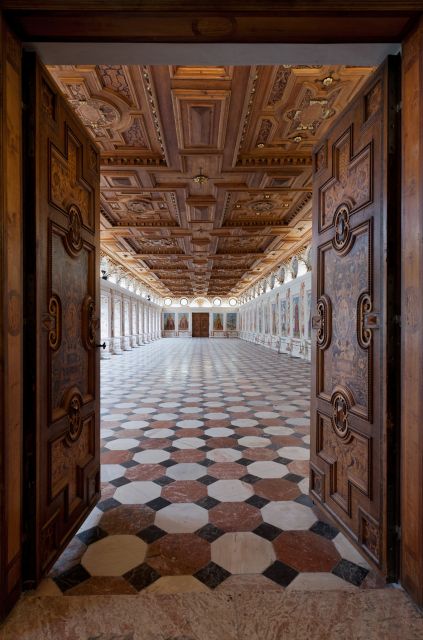
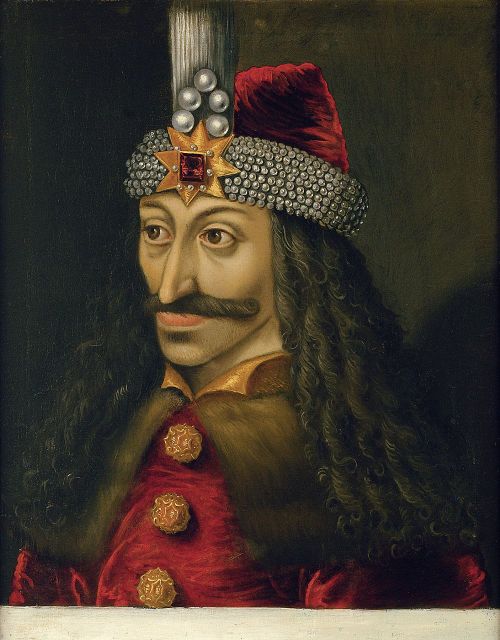
The Habsburg portrait gallery shifts the mood from objects and armor to people. It includes more than 200 paintings, covering the period from Albrecht III, who lived from 1349 to 1395, through the reign of Emperor Franz II, also known as Franz I, who lived from 1768 to 1835.
That broad time span lets you watch portrait styles change. Clothing, posture, facial expression, and background details all tell you something about how rulers wanted to be seen. A portrait was not just a likeness. It was a political image, a family record, and a statement of rank.
The gallery includes works by major artists such as Lukas Cranach, Giuseppe Arcimboldo, Peter Paul Rubens, Anton van Dyck, and Diego Velázquez. You do not need to be an art specialist to appreciate the range. Arcimboldo’s work is likely to catch your eye for its unusual approach, while Rubens, van Dyck, and Velázquez bring the authority and polish associated with court portraiture.
I recommend looking beyond the famous names. Compare the faces, costumes, and poses across generations. The gallery works best when you treat it as a long family story rather than a checklist of masterpieces.
This section may take longer than expected because there is so much to see. If you have limited energy, choose a few artists or periods rather than trying to inspect every painting closely. If you have a full day available, you can return to paintings that caught your eye after seeing the collection as a whole.
How to plan a one-day visit
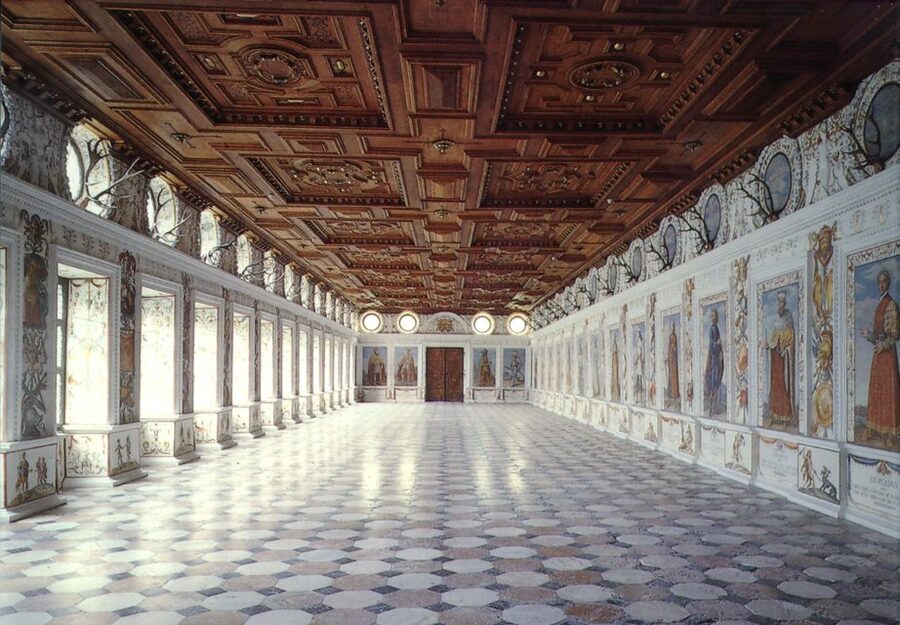
Your ticket is valid for one day, and no fixed tour time is specified. That gives you room to set your own pace. You can focus on the Chamber of Art and Wonders, move quickly through the armories, or spend more time with the Habsburg portraits.
The meeting point is Schloss Ambras at Schlossstrasse 20, 6020 Innsbruck. The admission ticket covers entry to the museum. It does not include an audio guide or a guided tour, although you can come with a private tour guide.
If you want help interpreting the collection, plan for that before arrival. A private guide may suit a group that wants a clear story about Ferdinand II, the Habsburgs, and the objects on display. For a group of at least 10 people, one tour guide accompanying the group receives free admission. For groups under 10, a guide does not receive free admission. State-certified tourist guides always receive free admission.
Those rules matter mainly for organized groups. If you are visiting alone, as a couple, or with family, the simplest option is the $16 entry ticket and a self-guided visit.
Allow enough time to avoid turning the museum into a hurried checklist. The exact length depends on how closely you study the collection, but the one-day validity means you are not pressured by a short entry window. You can also build the visit around your wider day in Innsbruck without committing to a group schedule.
Is the $16 ticket good value?
For $16, this is a strong choice if you want several different museum experiences in one place. You get the Chamber of Art and Wonders, the armories, the Turkish Chamber, the Antiquarium, and the Habsburg portrait gallery.
The value comes from variety. A single collection can appeal to the art lover, the history enthusiast, the person fascinated by unusual objects, and the child who wants to see armor. You are not paying for one narrow exhibit.
The price is less attractive if you only want a quick look at a palace interior or if formal portrait galleries lose your attention quickly. Since the audio guide is extra, visitors who want a detailed explanation should budget for that separately or arrange a private guide.
I also like the flexibility of booking now and paying later, with free cancellation up to 24 hours in advance. That is useful when your Innsbruck plans depend on weather or changing day schedules. It does not change the museum itself, but it lowers the risk of committing too early.
Who will enjoy Schloss Ambras most?
I would recommend this visit to anyone interested in Renaissance collecting, Habsburg history, armor, court culture, or unusual museum objects. It is particularly well suited to people who like to connect small objects with larger ideas.
Families may find it easier than a museum filled only with paintings. Armor, musical instruments, strange portraits, and objects from distant countries give children several ways into the collection. A recent booking note described the visit as interesting for children, and I can see why the displays offer more visual variety than a standard royal portrait gallery.
Art lovers will have plenty to study in the Habsburg collection, especially with works associated with Cranach, Arcimboldo, Rubens, van Dyck, and Velázquez. History-minded visitors will get the clearest picture by linking the armories, Turkish Chamber, portraits, and collecting rooms together.
You may want an audio guide or private guide if you prefer a strong narrative. Independent visitors who enjoy reading and making their own connections can do well with the admission ticket alone.
Should you book Schloss Ambras?
Book it if you want an Innsbruck sight that combines art, armor, science, foreign objects, and Renaissance curiosity. The Chamber of Art and Wonders is the main reason to go, while the armories and Habsburg portrait gallery give the visit enough range to justify the $16 price.
Skip it if you are looking only for dramatic mountain views or a short, highly guided activity. This is a museum visit, and it rewards attention rather than speed. For most visitors with an interest in history, art, or unusual collections, the flexible one-day ticket is a practical and worthwhile addition to an Innsbruck itinerary.
FAQ
What does the Schloss Ambras ticket include?
The ticket includes admission to Schloss Ambras in Innsbruck. It covers the museum areas featuring the Chamber of Art and Wonders, the armories, the Turkish Chamber, the Antiquarium, and the Habsburg portrait gallery.
How much does admission to Schloss Ambras cost?
The listed price is $16 per person.
How long is the ticket valid?
The ticket is valid for one day. You should check availability for the available starting times when booking.
Is an audio guide included?
No. An audio guide and guided tour are not included. You can visit independently or come with a private tour guide.
Can I cancel the booking?
Yes. You can cancel up to 24 hours in advance for a full refund.
Does a tour guide receive free admission?
For a group of at least 10 people, one tour guide accompanying the group receives free admission. State-certified tourist guides always receive free admission. Groups with fewer than 10 people do not receive free admission for a guide.
New castle tours around the world
- From Prague: Karlštejn Castle & Koněprusy Caves Tour★ 4.9 · 183 reviews
- Prague: 2.5-Hour Vyšehrad Castle with Gorlice & Tickets★ 4.5 · 118 reviews
- Prague: Alchemy & Mysteries Bridge and Castle Evening Tour★ 5.0 · 8 reviews
- Prague Castle: 1-Hour Introduction Tour with Entry Ticket★ 4.2 · 41 reviews
- Potsdam: The evening Wannsee tour. Castles, parks, and villas.★ 4.7 · 63 reviews
- Prague: Stunning Viewpoints, Castle, City & Park Bike Tour★ 4.6 · 38 reviews
- Prague: River & Park Bike Tour to Troja Chateau★ 5.0 · 8 reviews
- Ljubljana: Postojna cave & Predjama castle small group tour★ 4.9 · 29 reviews
Austria Castle Tours, compared.
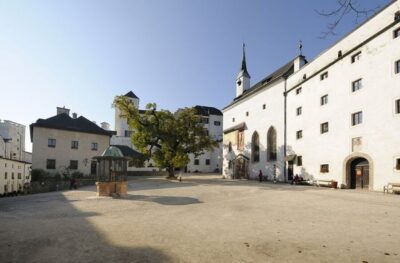
Salzburg: Hohensalzburg Fortress Admission Ticket
Read our review →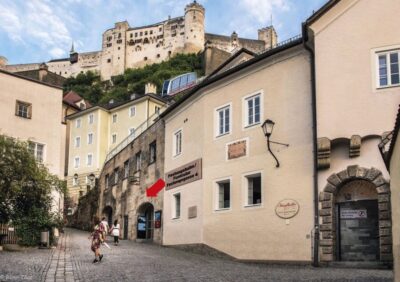
Salzburg: Best of Mozart Fortress Concert and Dinner
Read our review →
Best of Mozart Concert and Dinner or VIP Dinner at Fortress Hohensalzburg
Read our review →
Salzburg: River Cruise, Dinner & Fortress Concert
Read our review →
Bratislava: DayTrip: Castles around Vienna +underground lake
Read our review →
3 Castles & Wine Private Tour in Wachau Valley (incl. Melk Abbey)
Read our review →
Forchtenstein Castle Admission Ticket & Optional Guided Tour
Read our review →
Browse the lists this tour appears in