
Review · ITALY
Guided tour of the Castle of Chignolo Po
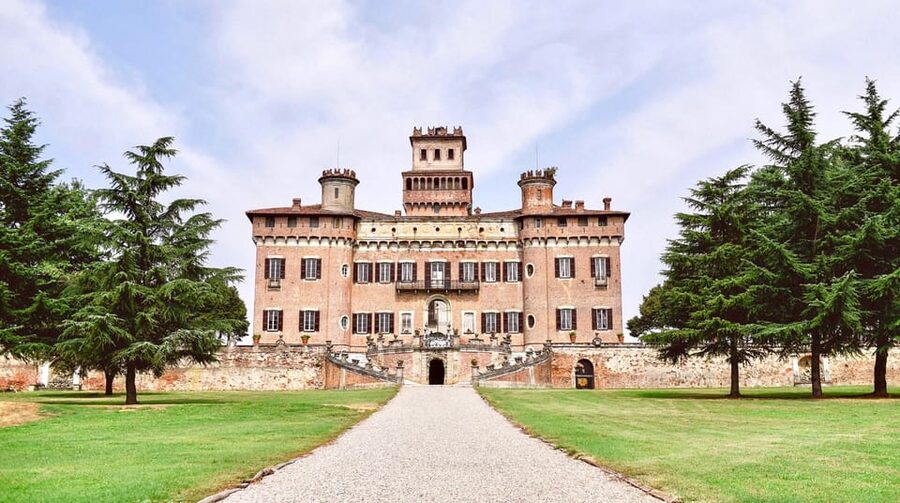
Chignolo Po Castle gives you two attractions in one: a medieval fortress with moat and defenses, followed by an 18th-century palace filled with frescoes, stuccoes, and formal rooms. The shift from hard military lines to theatrical Baroque decoration is the heart of the visit.
I like the mix of art and architecture, especially the feast hall, gallery, and Baroque facade. I also like the practical value: admission is $19, and indoor parking, toilets, and a small magnet are included.
The main limitation is language. The live guide speaks Italian, and the castle is not suitable for wheelchair users, so this tour works best if you can follow Italian and manage stairs or uneven access.
Key points before you book
- Two eras in one castle: See the medieval ravelin, moat, and feudal court, then move into a lavish Baroque residence.
- The Baroque rooms are the main event: Frescoes, stuccoes, the feast hall, and the gallery provide the strongest visual moments.
- A rare hunting pavilion: The Theatre of the Birds later became the Palazzina della Caccia in 1800.
- Guided visit in Italian: The tour includes a live Italian-speaking guide, not just self-guided entry.
- Good value at $19: Indoor parking, toilets, admission, and a castle magnet are included.
- Plan for access limits: The castle is not suitable for wheelchair users.
From medieval fortress to Baroque palace
The castle’s appeal comes from its changes over time. You begin with the practical side of a fortified residence, where moats, defensive structures, and controlled entrances mattered. Later, the building was reshaped into a more polished and theatrical country residence.
This contrast helps you read the site. The medieval elements tell you how the castle was protected. The Baroque rooms show how its owners wanted to be seen. One part speaks of security and feudal power. The other speaks of ceremony, hunting, art, and comfort.
The visit is sometimes promoted as the Versailles of Lombardy, but you should treat that as a comparison, not a promise of scale. The useful point is that the property combines formal architecture, decorated interiors, and landscaped outdoor areas in a way that goes beyond a simple fortress tour.
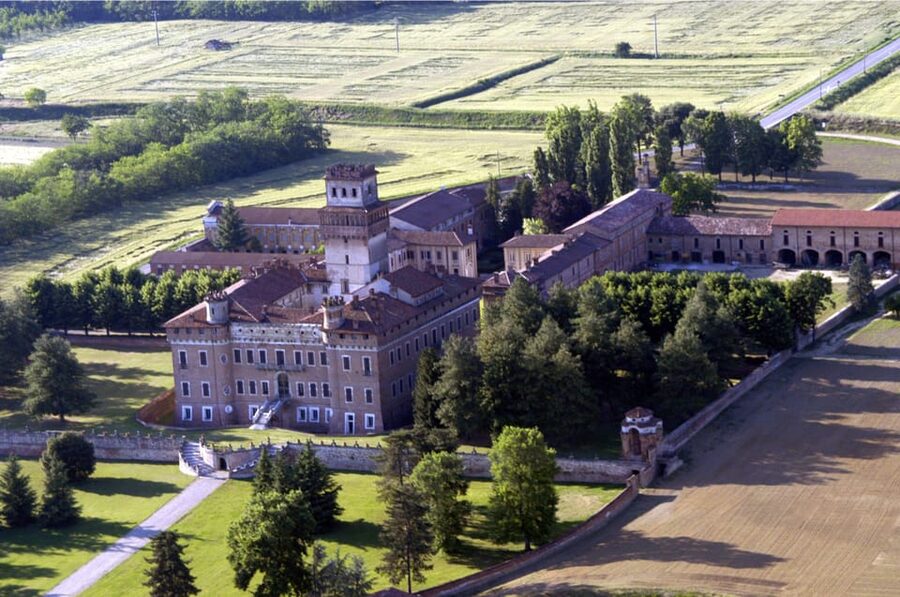
The tour route is designed to show both sides of the property. You are not just walking through a grand room after another grand room. The approach includes walls, terraces, views over the moat, courtyards, and defensive features. That gives the palace interiors a stronger context.
More Guided Castle Tours in Italy
- Milan: The Last Supper & Sforza Castle Guided Tour
★ 4.6 · 610 reviews - Milan: Last Supper and Sforza Castle Guided Tour
★ 4.6 · 498 reviews - Valpolicella: Amarone Chateau Guided Tour and Wine Tasting
★ 4.5 · 164 reviews
The Theatre of the Birds and Palazzina della Caccia
One of the more unusual stops is the Theatre of the Birds. In 1800, it became the Palazzina della Caccia at the request of Marquis Francesco Cusani, who owned the castle at the time.
The name points to the property’s connection with hunting and aristocratic country life. The building was not only about defense or residence. It also provided a setting for leisure and display.
You should pay attention here to the way the castle’s purpose changed. A defensive complex could be adapted for the pleasures of an aristocratic estate. The Palazzina della Caccia is a useful reminder that old castles often survive by changing roles.
The information supplied for the tour does not give the exact length of the stop or describe every object inside. Still, its history makes it one of the more distinctive parts of the route, especially for anyone interested in hunting traditions and the lives of noble families.
Baroque facade, gazebos, and terraces
The Baroque facade provides the clearest first impression of the palace side of Chignolo Po. Expect a more formal and decorative appearance than the medieval sections, with an emphasis on symmetry and presentation.
The eastern and western gazebos add another layer to the visit. These outdoor structures help connect the building to its grounds. You will also see the terraces, which give the property a more open, formal feel than a fortress courtyard alone.
The terraces matter because they let you experience the castle as a residence, not just a military structure. The building was meant to be approached, viewed, and enjoyed from several angles. Art and nature work together here, which explains the tour’s focus on both.
The crown of the moat, seen from above, is another useful viewpoint. From ground level, a moat can look like a simple ditch or strip of water. From above, you get a better sense of how it framed the castle and separated the feudal lord’s court from the outside world.
The ravelin and feudal court
The ravelin guarded the feudal lord’s court. This is one of the stops that gives the visit its medieval backbone.
A ravelin is a detached defensive feature placed in front of a main entrance or fortified area. You do not need a military background to appreciate it. Its position helps you understand how someone approaching the castle would have encountered layers of control rather than one open doorway.
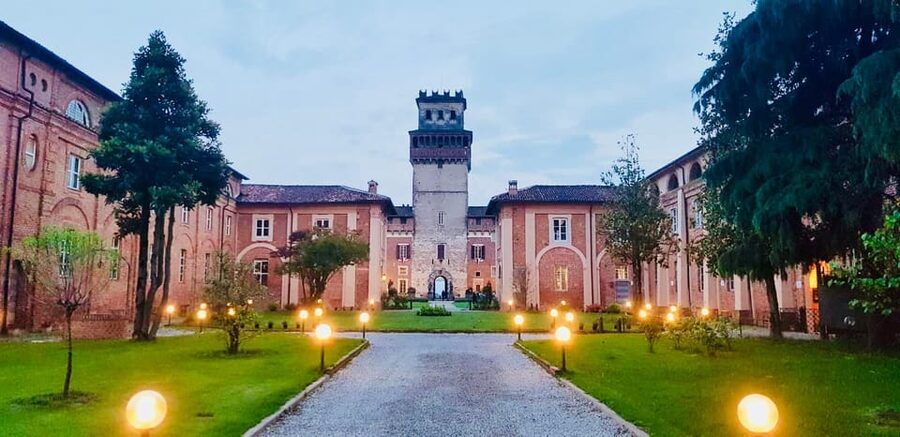
The tour also includes the courtyard of honor. This formal space marks the transition from defensive architecture to ceremonial residence. A courtyard of honor is not simply a practical yard. It is part of the palace’s public face, where arrival and status mattered.
I like this part of the route because it makes the later interiors easier to understand. After seeing the defenses and the formal court, you can read the palace rooms as part of a carefully ordered world.
Same stronghold, another way through the gate:
- Milan: Sforza Castle Entry Ticket with Digital Audio Guide
★ 4.0 · 2,675 reviews - Milan: Sforza Castle and Michelangelo’s Pietà Rondanini Tour
★ 4.7 · 1,119 reviews - Small-Group Barolo Wine Tasting, Alba & UNESCO Piedmont Hills
★ 5.0 · 689 reviews - From Siena: Chianti and Castles Tour with Wine Tastings
★ 4.6 · 631 reviews
The monumental staircase and courtyard of honor
The monumental staircase is one of the architectural highlights. Stairs in a palace are rarely just a way to change floors. Their size and placement can make arrival feel important, turning movement through the building into a small ceremony.
Here, the staircase links the public and private sides of the residence. It prepares you for the more decorated rooms above or beyond it. It is also a reminder that the owners wanted visitors to notice the building itself, not merely pass through it.
The courtyard of honor works with the staircase in the same way. Together, they create a clear sequence: approach, enter, cross the formal court, and move into the palace. The castle’s design tells you where to look and how to feel.
Because the tour is guided, you can expect the route to follow this architectural logic instead of sending you freely through the property. That is useful in a historic building where it is easy to miss why one room leads to another.
The feast hall and four seasons fresco
The feast hall is one of the strongest interior stops. Its fresco celebrates the apotheosis of the four seasons, bringing nature into a room designed for formal meals and entertainment.
This subject suits the building. The estate links the castle, gardens, hunting traditions, and changing seasons. In the feast hall, those ideas become decoration. The fresco is not merely a pretty ceiling or wall painting. It turns the calendar and the natural world into part of the owner’s display.
You may find this room more immediately impressive than the medieval areas, particularly if you prefer painted interiors to defensive architecture. That is not a flaw in the fortress section. It is simply the point at which the castle’s artistic ambitions become most visible.
Allow time to look upward and across the room rather than treating it as a quick pass-through. Frescoed rooms are easy to reduce to a single photograph, but the design works best when you notice how the decoration fills the space.
The gallery and Tiepolesque decoration
The gallery contains a flight of drawing rooms decorated with stuccoes and frescoes from the Tiepolesque school. This is likely the most sustained sequence of Baroque decoration on the route.
The phrase Tiepolesque refers to the artistic style associated with the work of Giambattista Tiepolo and his circle. You do not need to identify individual artists to enjoy the effect. Look for the combination of painted scenes, shaped plaster decoration, and rooms arranged as a connected display.
The sequence of drawing rooms matters. Instead of one isolated decorated chamber, you move through a set of spaces that form a visual progression. This is where the castle earns much of its comparison with grand European residences.
One practical tip: do not rush the gallery because the earlier outdoor stops took your attention. The supplied information specifically points to the frescoes and stuccoes here, and the Baroque section is generally the more interesting side of the property for art lovers.
At the same time, the medieval portion has its own appeal. The best visit is not about choosing one period over the other. It is about seeing how the castle moved from feudal defense to aristocratic display.
Library, ceramics room, bedroom, and dining room
The smaller rooms give the tour a more personal scale. The library suggests study and private life. The ceramics room points to domestic objects and decorative taste. Together, they add detail to the larger story told by the facade and grand gallery.
The bedroom helps you imagine the castle as a lived-in home rather than a collection of public rooms. The dining room returns to the social side of aristocratic life, but on a more domestic scale than the feast hall.
The available information does not specify the exact furnishings, designers, or dates for these rooms. You should therefore approach them as parts of the guided route rather than expecting a fully catalogued museum display.
Their value is in the contrast. After the grand staircase and painted salons, these rooms show how the building functioned day to day. They also give the guide a chance to connect architecture with ordinary habits such as reading, sleeping, eating, and collecting household objects.
What $19 gets you
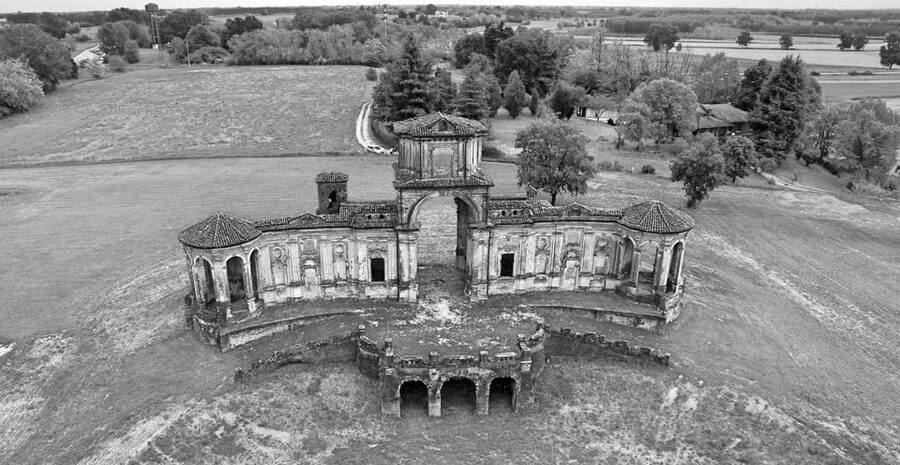
At $19 per person, this is a strong-value castle visit if you are interested in both architecture and historic interiors. Admission includes the guided tour, indoor parking, use of the toilets, and a free magnet.
The magnet is a small extra, not a reason to book. The real value is the combination of a live guide and access to a property with several different types of interest: medieval defenses, Baroque rooms, frescoes, terraces, and formal grounds.
A guided visit also helps at a site like this because the castle’s importance is not always obvious from a quick look. The Italian-speaking guide can explain the change from fortress to residence and point out details you might otherwise pass without notice.
The tour is advertised with flexible booking, including reserve now and pay later. You can cancel up to 24 hours before the activity for a full refund. Starting times vary, so check availability for the date you want.
The duration is presented as one day, with the actual starting time shown during availability checks. The information does not provide a precise number of touring hours, so do not plan tightly timed connections immediately afterward.
Who should book this castle tour?
I would recommend Chignolo Po Castle to you if you like historic buildings that show more than one period. The combination of medieval defenses and Baroque interiors gives you a fuller visit than a palace with no visible earlier structure.
Art lovers should focus on the feast hall and the gallery of drawing rooms. Architecture fans will get more from the ravelin, moat, monumental staircase, courtyards, and facade. Anyone interested in aristocratic life can follow the story through the hunting pavilion, library, bedroom, dining room, and ceremonial spaces.
This is less suitable if you need an English-language tour. The guide speaks Italian, and no other tour language is listed. It is also not suitable for wheelchair users, so check your access needs before paying.
The small number of published ratings gives the experience a perfect score of 5, but the sample is only two ratings. I would treat that as encouraging rather than final proof. The clearest takeaway is that the Baroque section has the stronger appeal, while the medieval section adds atmosphere and character.
Should you book Chignolo Po Castle?
Book it if you want an affordable guided visit that combines a medieval fortress with a richly decorated Baroque residence. At $19, the included parking and guided admission make the price easy to justify, especially if you are already exploring Lombardy and enjoy historic interiors.
Choose another activity if you require wheelchair access or an English-language guide. For everyone else, give special attention to the feast hall, Tiepolesque gallery, monumental staircase, moat, and hunting pavilion. Those stops explain why Chignolo Po is more than a standard castle visit.
FAQ
Where is Chignolo Po Castle?
Chignolo Po Castle is in Lombardy, Italy.
How much does the guided castle tour cost?
The tour costs $19 per person.
What language is the guided tour in?
The live tour guide speaks Italian.
What does admission include?
Admission includes entry to the castle with a guided tour, free indoor parking, free use of the toilets, and a free magnet.
Where does the tour begin and end?
The tour begins at the ticket office and ends back at the same meeting point.
Can I cancel the booking?
Yes. You can cancel up to 24 hours in advance for a full refund.
Is the tour suitable for wheelchair users?
No. The activity is listed as not suitable for wheelchair users.
New castle tours around Italy
- Pastrengo: e-bike tour and wine tasting in the Castle★ 4.8 · 9 reviews
- Naples: San Martino and Sant’Elmo Castle Guided Tour★ 4.9 · 48 reviews
- Naples Express Tour: Castles, Legends & the Gulf★ 5.0 · 9 reviews
- Montone: Medieval Dinner in Cardaneto Castle★ 5.0 · 2 reviews
- Montone: Pasta Making and Dinner at Cardaneto Castle★ 5.0 · 4 reviews
- Montalcino: Brunello Wine Tasting & Lunch in a Tuscan Castle★ 4.6 · 324 reviews
- Montalcino: Castle and Vineyards Tour with Tasting★ 4.2 · 55 reviews
- Miramare: The most romantic, beautiful and sad castle.★ 4.2 · 6 reviews
Guided Castle Tours, compared.

Edinburgh Castle: Guided Walking Tour with Entry Ticket
Read our review →
Seville: Cathedral, Giralda & Alcazar Entry With Guided Tour
Read our review →
Stonehenge, Windsor Castle and Bath Full Day Guided Tour
Read our review →
Edinburgh Castle Guided Walking Tour in English
Read our review →
Seville: Alcázar and Cathedral Entry Ticket and Guided Tour
Read our review →
Alcázar of Seville Skip-the-Line Tickets and Guided Tour
Read our review →
Dublin Book of Kells, Castle and Molly Malone Statue Guided Tour
Read our review →
Browse the lists this tour appears in