
Review · Castles worldwide
From Chisinau:Transnistria and Castle Mimi Winery by car
Transnistria feels like a separate chapter of Europe. On this seven-hour trip from Chisinau, you pass through a checkpoint into Pridnestrovie, walk around Bender Fortress, and see Tiraspol’s Lenin statue, war memorials, and Soviet-style streets. The day ends with wine at Castel Mimi, a sharp change from military monuments to polished cellars.
I like the contrast between Soviet-era Tiraspol and Castel Mimi’s wine rooms. I also like the small group, hotel pickup, and the fact that Bender Fortress admission and a three-wine tasting are already covered. The main drawback is the political tone of the visit: you will see tanks, military symbols, and monuments to figures viewed very differently across Eastern Europe. English communication may also vary.
Key points to know before booking
- Bender Fortress gives the day a serious historical start, with walls and towers linked to Moldovan, Ottoman, and Soviet periods.
- Tiraspol is a visual time capsule, with Lenin, a T-34 tank memorial, Suvorov Square, and socialist symbols still part of public life.
- The border checkpoint is part of the experience, so bring your passport and expect a temporary migration card or entry slip.
- Castel Mimi changes the mood completely, replacing military memorials with cellars, barrels, and a tasting of three wines.
- Cash is essential in Pridnestrovie, since international cards and ATMs do not work there.
- The group is limited to six people, which helps with questions and border procedures.
Why this Chisinau day trip is so unusual

Most day trips from Chisinau focus on Moldova’s wine culture, monasteries, or rural villages. This one takes a different route. It combines a disputed territory with a historic fortress and one of Moldova’s best-known wineries, all in a single day.
The first half is about political memory and Soviet identity. The second is about Moldova’s modern wine industry. That contrast is the chief reason to book. You are not simply moving from one sightseeing stop to another. You are comparing two very different versions of the region: one built around military history and Soviet symbols, the other built around restored architecture, hospitality, and wine production.
At $212 per person, this is not a budget outing. Still, the price includes transport from your hotel, a guide, the Bender Fortress ticket, Castel Mimi admission, and three wine samples. Since the group is capped at six, the cost buys convenience and a more personal setting than a large coach tour.
I would see the price as reasonable for someone who wants both destinations and does not want to deal with the border, driving, currency, and route planning alone. It is harder to justify if you only want a winery visit or only want to see Soviet monuments.
More castles to explore around the world:
- Stonehenge, Windsor Castle, and Bath from London
★ 4.5 · 18,662 reviews - Bucharest: Dracula’s Castle, Peles Castle, & Brasov Old Town
★ 4.5 · 17,858 reviews - From Munich: Neuschwanstein & Linderhof Castle Full-Day Trip
★ 4.6 · 14,646 reviews
Crossing into Pridnestrovie with your passport ready
You leave Chisinau by car and head toward Bender, also called Tighina. The journey includes a checkpoint before entering the territory known internationally as Transnistria. Locally, the official name is the Pridnestrovian Moldavian Republic, or Pridnestrovie.
Bring a valid passport. An identity card may be listed as acceptable in the general requirements, but the border instructions specifically emphasize a passport, so I would not rely on anything else. At the checkpoint, you receive a migration card or entry slip. Keep it safe during the visit.
A local guide is particularly useful here. The guide can explain the procedure, help with communication, and make the crossing less awkward. The tour is offered in English, Moldavian, and Russian, though the quality of English communication can vary depending on who leads the day.
Do not bring oversized luggage or valuables. A small day bag with your passport, money, phone, and water is the sensible choice.
One practical point matters more than almost anything else: cash only. Visa and Mastercard do not work, and there are no international ATMs. Bring Moldovan lei or euros, then exchange money inside Pridnestrovie for local rubles. You cannot exchange leftover rubles outside the region, so change only what you expect to spend.
Bender Fortress and the military crossroads
The first major stop is Bender Fortress, where you spend about an hour and a half with time for a guided visit, photographs, and sightseeing. The fortress dates from the 15th century and is associated with Stephen the Great. It was later strengthened under Ottoman rule in the 16th century.
The appeal is easy to understand. You can walk along fortress walls, look at the towers, and picture the site as a strategic stronghold between different powers. The setting gives you a physical introduction to the region’s complicated past before the tour moves into modern Pridnestrovie.
Do not expect a quiet fairytale castle. This is a defensive site, and its appeal comes from thick walls, military purpose, and layers of control. The visit is best for people who enjoy political and military history more than decorative interiors.
The fortress also prepares you for the tone of the next stop. The day does not treat history as a distant museum subject. Military power remains visible in monuments and public spaces, especially in Tiraspol.
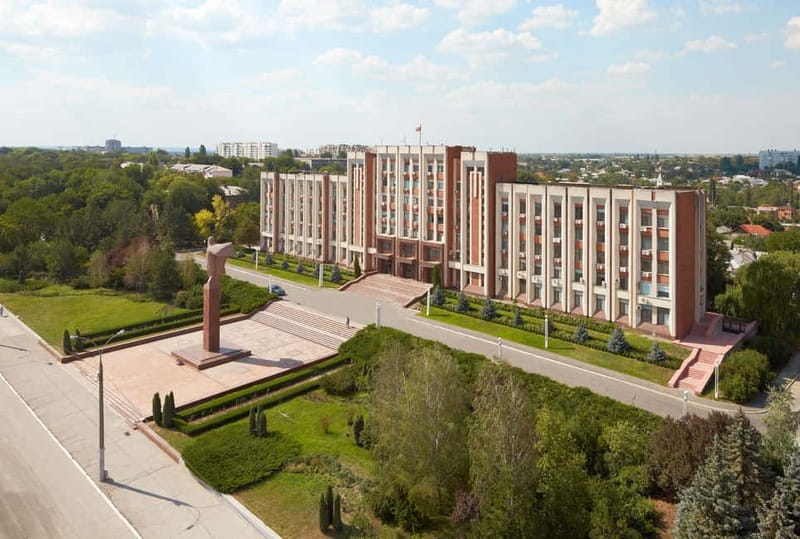
Tiraspol, Lenin, tanks, and Suvorov Square
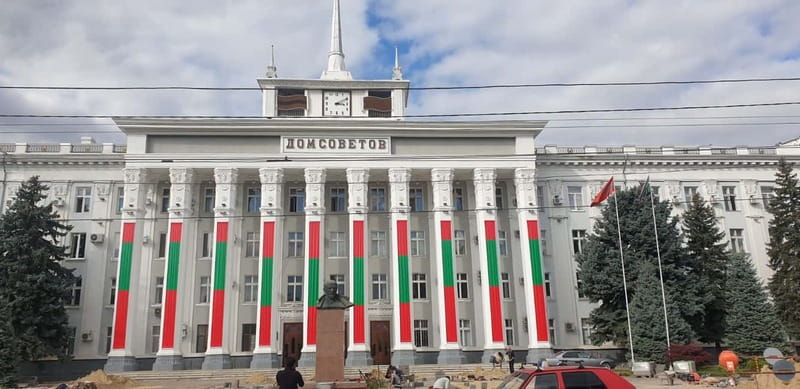
You continue to Tiraspol, the capital and largest city of Pridnestrovie, for roughly two hours. The city lies along the Nistru River and is known for its strong Soviet visual identity.
The guided city tour focuses on several prominent landmarks:
- Lenin’s Monument
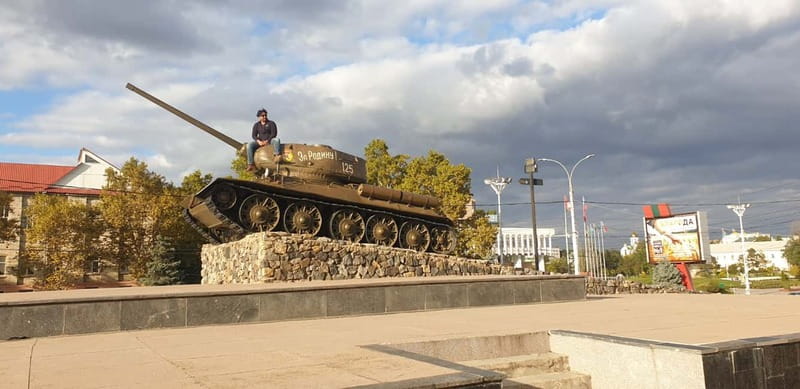
- The T-34 Tank Memorial
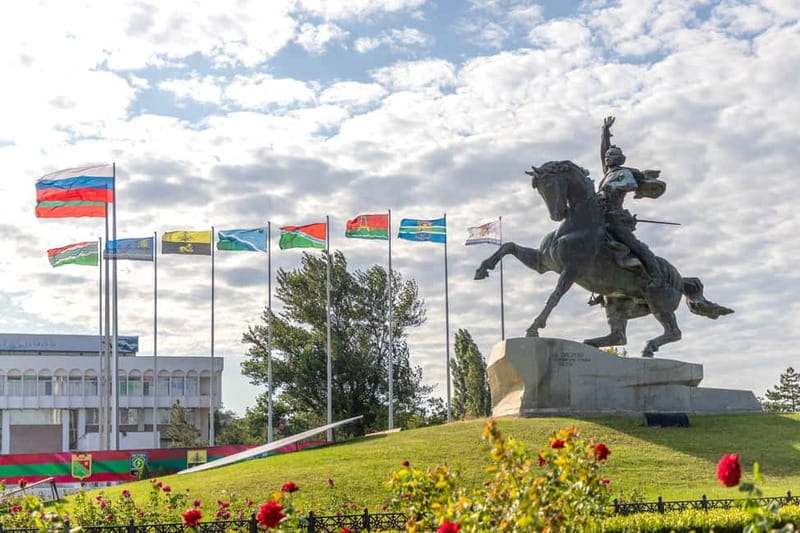
- Suvorov Square
- Soviet-era buildings and public symbols
- Propaganda murals and socialist imagery
The T-34 is a World War II relic and a powerful example of how military memory shapes the city. Lenin’s monument offers another reminder that the Soviet period here is not presented as a closed museum chapter. Suvorov Square adds another layer, with a monument to Alexander Suvorov, the Russian military commander associated with the city’s founding.
This can be fascinating, but it may also feel politically uncomfortable. You will see monuments to figures regarded very differently in Poland, Moldova, Ukraine, and other parts of the region. One visitor specifically found that the city’s military symbols and Lenin imagery did not convey a strong sense of individual freedom, and also felt that the tour guide did not always provide enough ideological distance.
That is useful advice. You should not expect a neutral political seminar at every monument. The experience is more valuable if you treat it as a chance to observe how a self-declared republic presents its identity. Ask direct questions, listen carefully, and remember that public symbols tell you what a place chooses to honor, not the whole story of its people.
Tiraspol may be the most memorable part of the day if you have an interest in Soviet history, unresolved borders, or political geography. If you prefer relaxed sightseeing, the military focus may feel heavy.
Same stronghold, another way through the gate:
- Edinburgh Castle: Guided Walking Tour with Entry Ticket
★ 4.7 · 11,699 reviews - Prague: Skip-the-line Castle Ticket and Optional AudioGuide
★ 4.3 · 11,121 reviews - Bucharest: Dracula Castle, Peles Castle & Brasov Old Town
★ 4.6 · 10,891 reviews - Prague: Castle Tour with Local Guide and Entry Ticket
★ 4.6 · 10,422 reviews
Lunch in Tiraspol and what the day does not include
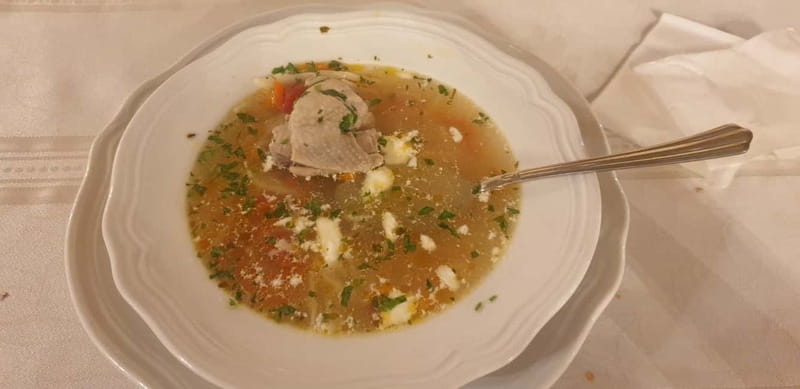
There is a lunch break at a local restaurant, but food is not included. The expected cost is about €8, which keeps the meal fairly manageable, but you should budget for it separately.
The meal is an opportunity to try classic Transnistrian and Slavic dishes. The exact restaurant and menu are not specified, so treat lunch as a practical stop rather than a promised culinary event.
Since the tour lasts seven hours and combines several stops, keep lunch efficient. A long meal would leave less time for Tiraspol or Castel Mimi. You can also use the break to ask your guide about the border, local currency, and daily life in Pridnestrovie.
Castel Mimi Winery changes the mood
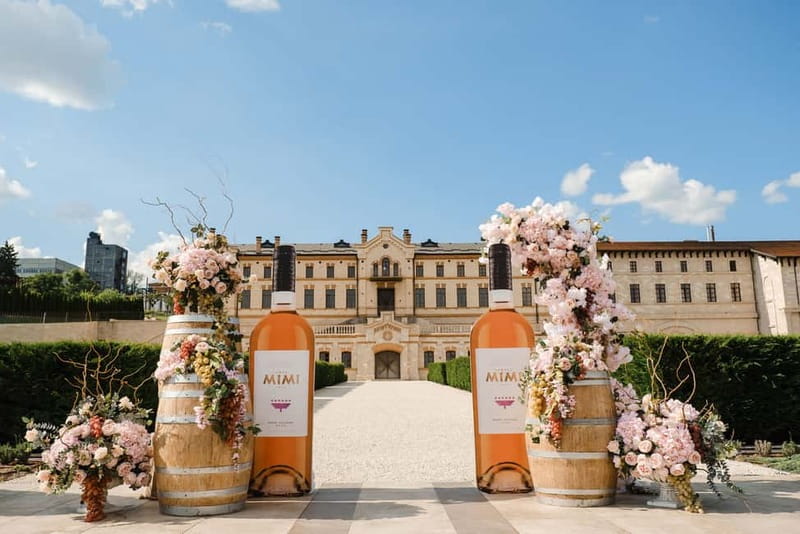
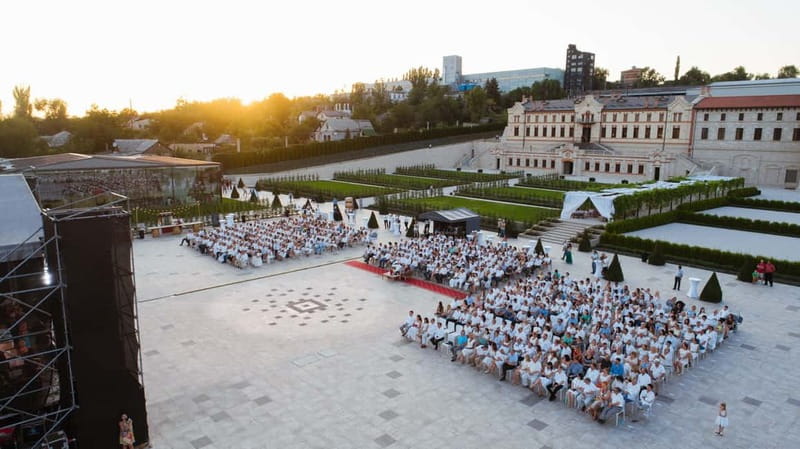
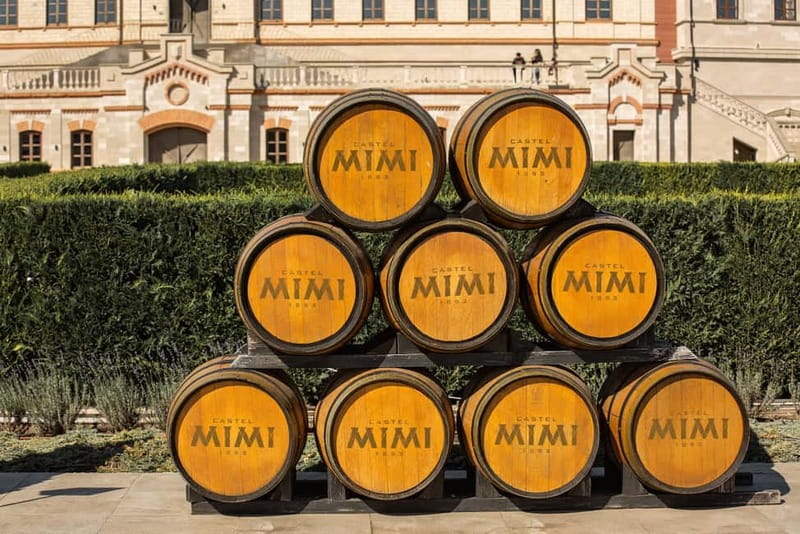
After Tiraspol, the car heads to Bulboaca and Castel Mimi Winery. The winery visit lasts about two hours and includes a guided tour, wine tasting, and champagne tasting.
This is a smart final stop. After several hours of fortifications, tanks, and political symbols, Castel Mimi offers a more polished and hospitable side of Moldova. You can see historic cellars and barrel rooms, learn about local winemaking, and taste three wines included in the tour.
Depending on the season, you may also sample wine from tanks or barrels while it is still maturing. That detail gives the visit a working-winery feel rather than making it only a formal tasting. You are learning how wine develops, not just drinking finished bottles.
Castel Mimi is known for its striking architecture and is presented as one of the world’s notable wine destinations. The supplied information does not promise a particular wine list, so do not book expecting specific labels. The value is in the setting, the guided explanation, and the chance to connect Moldova’s wine identity with the country you have seen earlier in the day.
If you are mainly interested in wine, you may wish the winery had more time. The itinerary gives you about two hours, which is enough for the tour and tasting, but not an entire afternoon of slow cellar exploration.
Transport, group size, and the seven-hour pace
Hotel pickup and drop-off in Chisinau are included. That matters here. Driving yourself would mean dealing with the checkpoint, unfamiliar roads, local currency, and the possibility of explaining your plans at the border.
The group is limited to six participants. I consider that a strong feature for this particular outing. Small groups make it easier to hear explanations at the fortress, ask questions in Tiraspol, and manage the border process without the delay of a large bus.
The listed duration is seven hours, though the day contains a lot: travel from Chisinau, a border crossing, Bender Fortress, Tiraspol, lunch, and Castel Mimi. It is a full schedule. You should expect a day of moving between places rather than long periods of free time.
Pickup instructions ask you to wait in your hotel lobby ten minutes before the scheduled time. Starting times depend on availability, so confirm the departure time when booking.
The experience is wheelchair accessible, which is useful information, though the exact conditions at every historic surface and fortress area are not described. Babies under one year old and people over 95 are listed as unsuitable for the activity.
The guide can shape the whole experience
A good guide matters more than usual on this route. The border needs explanation, and Tiraspol’s political symbols benefit from context. Without a clear guide, the day could become a sequence of monuments with little connection between them.
Natalia is named in one booking as the guide, with Vlad handling the driving. The feedback describes Natalia as attentive and willing to shape the day around the group’s interests, while Vlad is described as a careful driver. Those are valuable qualities for a route where safety, timing, and communication all matter.
At the same time, English communication was described as uneven on another booking. I would keep your questions clear and direct, especially when discussing sensitive subjects. You should also expect the guide’s personal view to affect how Soviet history and local politics are explained.
The best approach is to listen, ask for clarification, and avoid assuming that every monument has one agreed meaning. That makes the day more interesting and helps you understand the place on its own terms.
Who should book this experience
I would recommend this tour to you if you want a day that combines:
- Borderland politics and unusual destinations
- Soviet-era public art and monuments
- Fortresses and military history
- Moldova’s wine culture
- Small-group transport with a local guide
It is especially suitable for first-time visitors to Moldova who want more than the standard wine route. It also suits people who are comfortable with a serious subject and do not need every stop to feel cheerful or easy.
I would hesitate if you want a purely scenic day, a long winery lunch, or a politically neutral presentation. The Tiraspol portion can feel ideologically loaded, and the itinerary is busy. You should also be comfortable carrying cash and presenting your passport at the checkpoint.
The wine tasting helps balance the day, but it does not erase the fact that the central experience is a visit to a disputed territory with a strong military identity.
Should you book the Transnistria and Castel Mimi tour?
Book it if you value unusual places, clear contrasts, and a guided border experience. Bender Fortress and Tiraspol offer a look at a political world that most visitors will not encounter elsewhere in Moldova, while Castel Mimi provides a welcome change of pace and a taste of the country’s more polished wine culture.
At $212, the tour costs more than a simple winery outing, but the price covers transport, guide service, both main admissions, and three wines in a group of no more than six. For convenience and access, that is fair.
Skip it if Soviet monuments and military symbolism sound tiring, or if you would rather spend a full day among vineyards. For everyone else, this is one of the more distinctive ways to understand Moldova’s past and present in one carefully packed day.
FAQ
Is a passport required for this tour?
Yes. A valid passport is mandatory for the checkpoint into Pridnestrovie. You receive a migration card or entry slip after entering.
Does the tour include hotel pickup?
Yes. Pickup and drop-off in Chisinau are included. You should wait in your hotel lobby ten minutes before the scheduled pickup time.
How long does the experience last?
The tour lasts seven hours. Starting times depend on availability.
What places does the tour visit?
The route includes Bender Fortress, Tiraspol, and Castel Mimi Winery in Bulboaca, followed by a return to Chisinau.
Is lunch included?
No. Food is not included. Lunch in Tiraspol costs approximately €8.
How much wine is included in the tasting?
The tour includes a tasting of three wines. The winery visit may also include champagne tasting and, depending on the season, samples from maturing tanks or barrels.
Can I use a credit card in Pridnestrovie?
No. Credit and debit cards are not accepted, and international ATMs do not work there. Bring cash in Moldovan lei or euros and exchange it for local rubles inside the region.
How many people are in the group?
The tour is limited to six participants. It is offered with a live guide in English, Moldavian, or Russian.
New castle tours around the world
- From Prague: Karlštejn Castle & Koněprusy Caves Tour★ 4.9 · 183 reviews
- Prague: 2.5-Hour Vyšehrad Castle with Gorlice & Tickets★ 4.5 · 118 reviews
- Prague: Alchemy & Mysteries Bridge and Castle Evening Tour★ 5.0 · 8 reviews
- Prague Castle: 1-Hour Introduction Tour with Entry Ticket★ 4.2 · 41 reviews
- Potsdam: The evening Wannsee tour. Castles, parks, and villas.★ 4.7 · 63 reviews
- Prague: Stunning Viewpoints, Castle, City & Park Bike Tour★ 4.6 · 38 reviews
- Prague: River & Park Bike Tour to Troja Chateau★ 5.0 · 8 reviews
- Ljubljana: Postojna cave & Predjama castle small group tour★ 4.9 · 29 reviews