Review · AMMAN
From Amman: Umayyad Desert Castles Tour with Transfer
The Umayyad desert castles are not really castles in the storybook sense. They are scattered desert complexes built for travel, trade, farming, diplomacy, and leisure. At Quseir Amra, delicate frescoes and early Islamic art reward close attention, while Azraq’s dark basalt fort brings the story forward to Lawrence of Arabia and the Arab Revolt.
I like two things here. First, you get far beyond Amman without having to arrange a car or navigate the Eastern Desert yourself. Second, the sites are often quiet, giving you time to look closely at the art instead of being pushed through a crowded monument. Drivers such as Omar, Mohammad, and Tasir have also added useful history and local context during the long drives.
The main point to check is the guide arrangement. The tour includes a professional English-speaking driver, transport, entrance fees, and transfers, but a separate tour guide is not included. Some drivers provide plenty of explanation, while one booking reported having only a driver with little sightseeing information. If detailed guiding matters to you, confirm this before paying.
Key points to know before you go
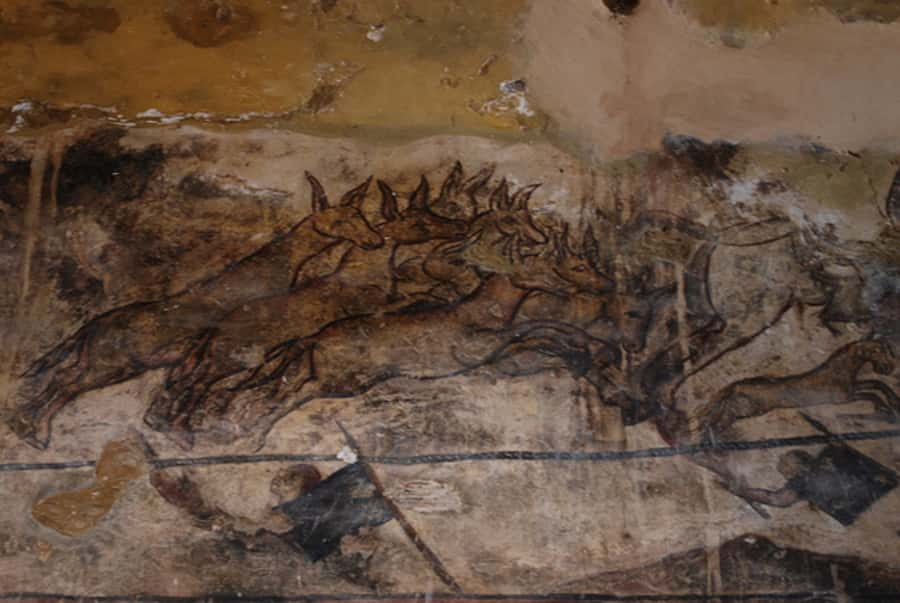
- Quseir Amra is the artistic prize: This UNESCO World Heritage Site contains rare early Islamic frescoes, mosaics, and carved decoration.
- Azraq adds a different period: Its black basalt fort was used from Roman times and later became a headquarters for Lawrence of Arabia.
- The six-hour schedule is efficient: You can see several remote sites from Amman and often return with time left in your day.
- The drive is part of the tour: An air-conditioned vehicle makes the long desert route far easier than arranging transport alone.
- Guiding can vary: Omar, Mohammad, Tasir, Salim, Ibrahim, and Yazan are among the drivers praised for friendly help, but the booking does not include a dedicated guide.
- Bring your own basics: Wear comfortable shoes and pack sunglasses, a sun hat, water, and a snack.
Why these desert castles matter
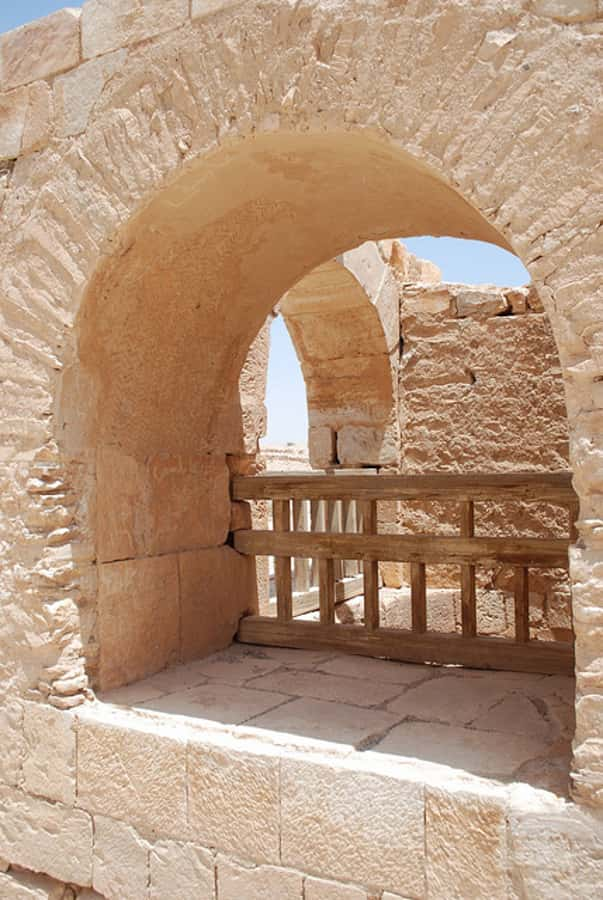
Jordan’s Umayyad castles date largely from the 8th century, when the Umayyad caliphs ruled a large part of the Middle East. Their purpose was practical and political as much as defensive.
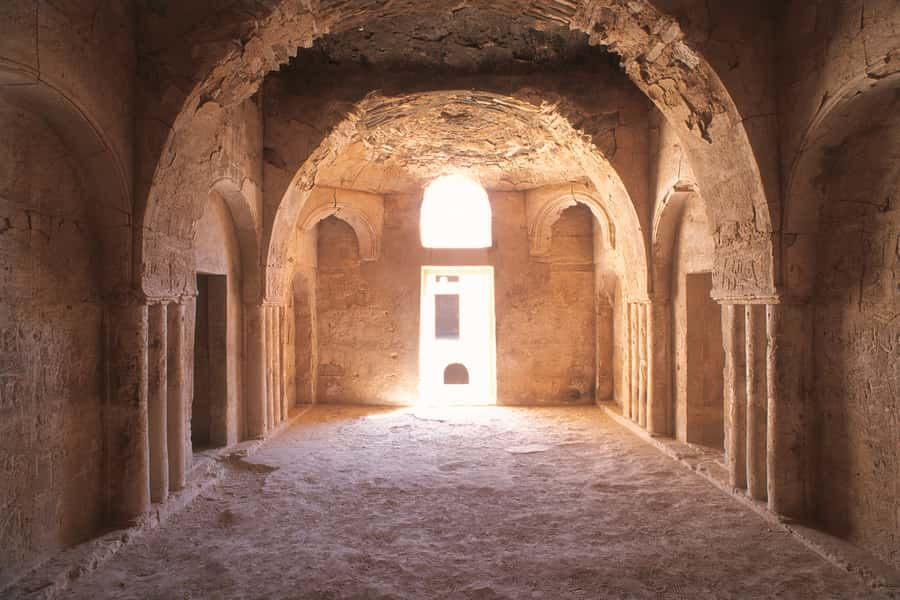
Some sites helped caravans cross the desert. Others supported agriculture, trade, or contact with Bedouin communities. A few served as private retreats and pleasure pavilions for rulers. Their heavy outer walls make them look military, but inside you find bathing rooms, decorated halls, water systems, and fine art.
That contrast is what makes the trip worthwhile. From the outside, a building may look like a plain block of stone in a wide stretch of desert. Step inside, and you may find painted figures, carved plaster, patterned floors, or traces of a sophisticated court culture.
I find this setting especially useful for understanding early Islamic art. The decoration was not created in isolation. It drew on Persian, Byzantine, and Graeco-Roman styles, showing how ideas moved along trade routes and through ruling courts.
More castles to explore around the world:
- Stonehenge, Windsor Castle, and Bath from London
★ 4.5 · 18,662 reviews - Bucharest: Dracula’s Castle, Peles Castle, & Brasov Old Town
★ 4.5 · 17,858 reviews - From Munich: Neuschwanstein & Linderhof Castle Full-Day Trip
★ 4.6 · 14,646 reviews
Leaving Amman for the Eastern Desert
The tour lasts about six hours, including pickup and return to your Amman hotel. You travel in a new air-conditioned vehicle with an English-speaking driver, a major comfort on a route where the sites are spread far apart.
Pickup is arranged in the hotel lobby. You are told to look for a driver holding a sign with your last name. Since one booking had some confusion over pickup time, I would confirm the start time with the provider in advance rather than wait for the morning to sort itself out.
The first part of the ride gives you useful space to ask questions. Drivers Omar and Mohammad have been praised for explaining Jordanian history and local areas as they drove. Tasir was also praised for his friendly manner, humor, and broad information about Jordan.
That said, you should not assume the same level of commentary every time. The formal inclusions name a driver, not a dedicated guide. One person specifically expected an English-speaking guide and found that the driver offered no sightseeing explanation. If you want a lecture at each ruin, ask for a private guide or confirm exactly what your driver will provide.
Quseir Amra and its remarkable frescoes
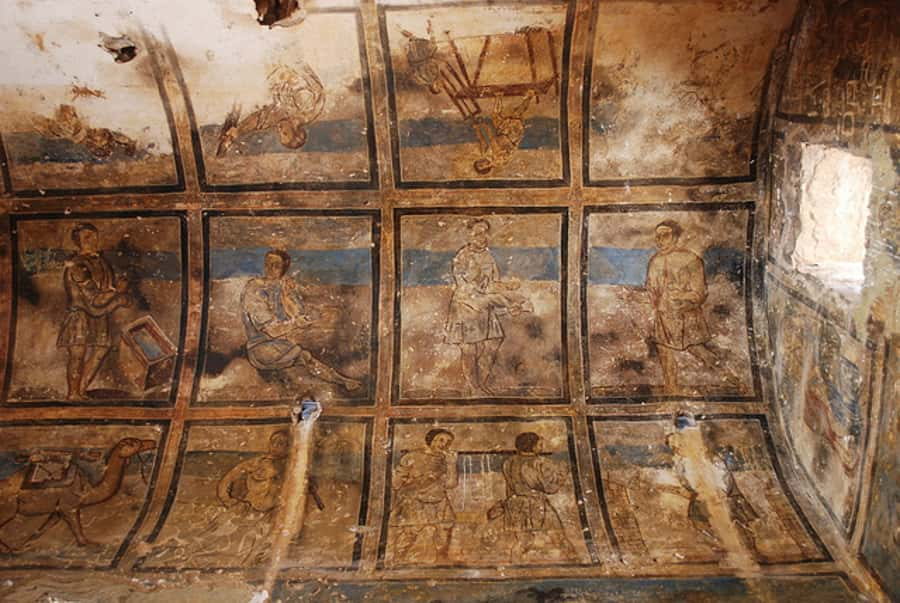
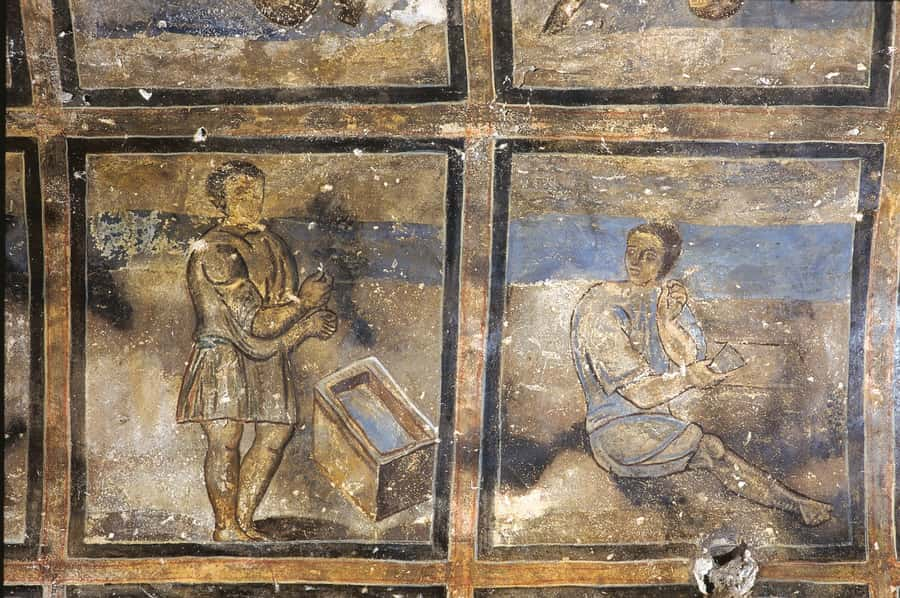
Quseir Amra is the essential stop. It is the most visually distinctive site on this route and the place where the artistic side of the Umayyad period comes through most clearly.
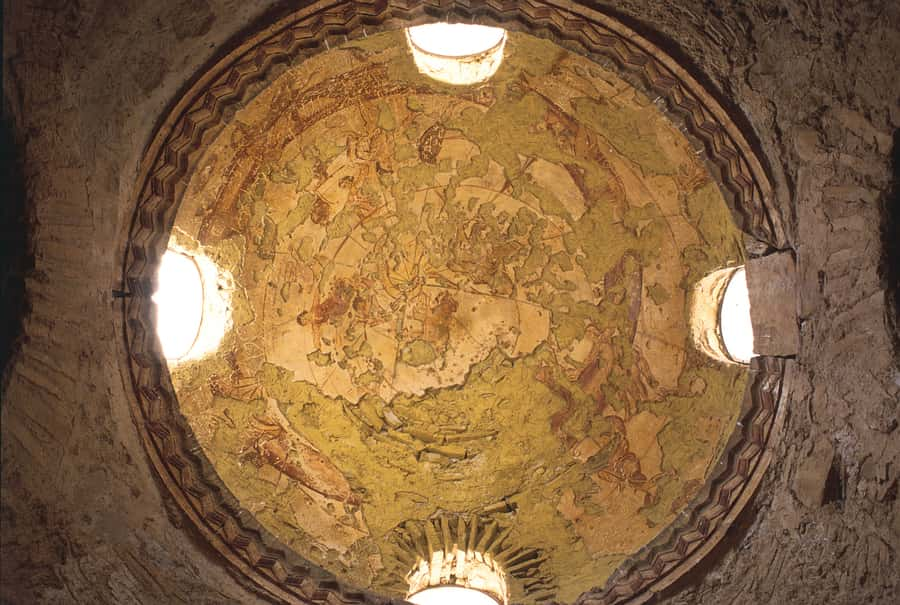
The small desert building contains early Islamic frescoes, along with mosaics and stone and stucco carving. The decoration reflects Persian and Graeco-Roman artistic traditions. It offers a rare look at the tastes, interests, and daily world of an 8th-century ruling elite.
Look beyond the broad idea of a desert palace. The details are the point. Painted scenes and ornamental work show that these buildings were not simply military outposts. They were places where rulers could rest, meet, bathe, entertain, and display their status.
Quseir Amra is also a UNESCO World Heritage Site, so entrance is included in the tour price rather than added as a surprise expense. The included entry fees make the $82 cost easier to assess, especially for a solo visitor who would otherwise need to arrange a car and pay for access separately.
Allow yourself time to study the interior. The building is not enormous, and the visit can be fairly quick, but rushing would miss the reason to come. Comfortable shoes are useful, though this is not presented as a demanding hike.
Azraq Fort and the story of Lawrence of Arabia
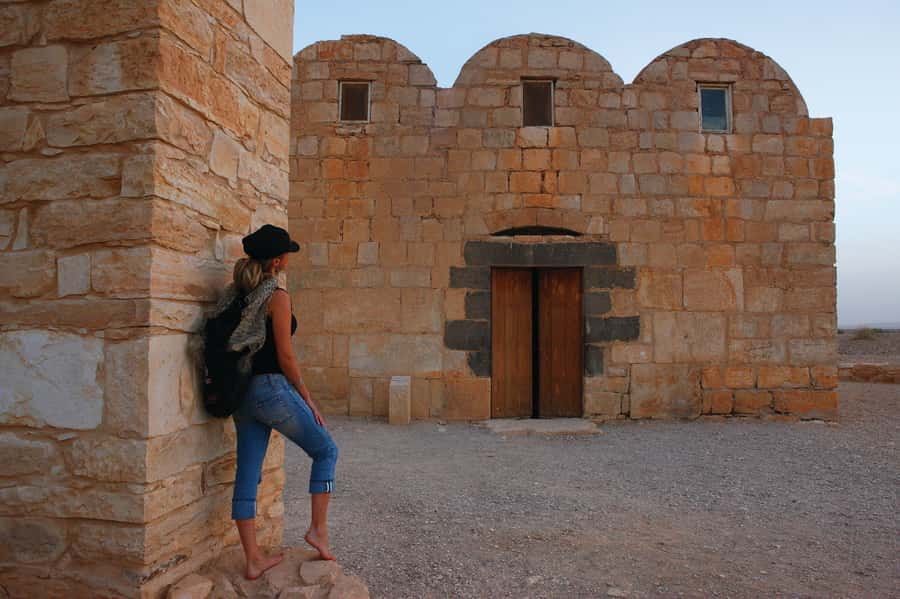
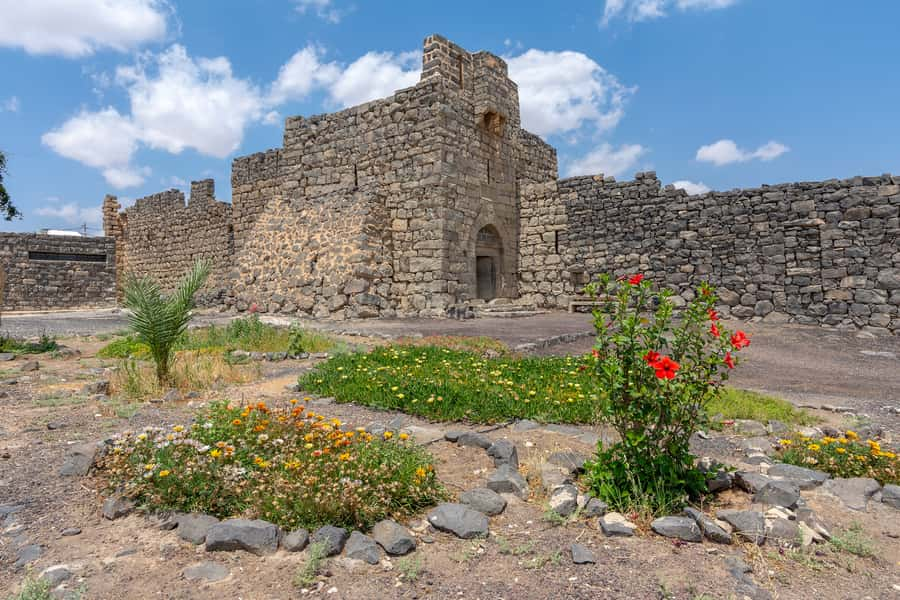
Azraq brings a different mood. Built from black basalt, the fort has a darker, more rugged appearance than Quseir Amra. Its use reaches back to late Roman times, and it remained in service across several periods.
The fort is best known in the tour description for its connection with Lawrence of Arabia. During the Arab Revolt, it served as his headquarters. That link gives the visit a clear place in the modern history of Jordan, after you have spent time with the much older Umayyad sites.
The black stone also helps you see how local materials shaped the buildings. This is not a polished palace with bright decoration. It is a hard, defensive structure that tells a story through walls, location, and later use.
The contrast between Quseir Amra and Azraq is one of the trip’s strengths. One is intimate and art-filled. The other feels like a fort built to endure. You are not seeing the same type of ruin repeated several times.
Same stronghold, another way through the gate:
- Edinburgh Castle: Guided Walking Tour with Entry Ticket
★ 4.7 · 11,699 reviews - Prague: Skip-the-line Castle Ticket and Optional AudioGuide
★ 4.3 · 11,121 reviews - Bucharest: Dracula Castle, Peles Castle & Brasov Old Town
★ 4.6 · 10,891 reviews - Prague: Castle Tour with Local Guide and Entry Ticket
★ 4.6 · 10,422 reviews
The remaining desert structures
The route includes several Umayyad desert sites, and past bookings describe visits to three main structures. The supplied information does not name every stop, so the precise order and length of each visit can vary.
That uncertainty is worth keeping in mind. The tour is not a long archaeological expedition with extended time at every ruin. It is a half-day circuit from Amman, designed to show you a useful selection of the Eastern Desert sites before returning to the city.
The extra structures help explain the wider purpose of the castle network. A complex might have supported passing caravans, nearby agriculture, trade, or contact with local Bedouin groups. Taken together, the buildings show how rulers connected distant centers of power with the desert communities around them.
Some people will find the visits short. One booking described the journey as comfortable and returned early enough to continue on to Ma’in hot springs. That can be a benefit if you want to combine this outing with another plan, but it also means you should not expect hours of wandering at each site.
What the ride is really like
Transportation is one of the strongest parts of the arrangement. You are collected in Amman and returned to your hotel in an air-conditioned vehicle, with all transfers described in the program included.
A comfortable car matters here because the attraction is spread across a large area. You are not simply walking from one building to another. Much of the six-hour outing is spent moving between sites, and an air-conditioned vehicle gives you a reliable place to rest between visits.
The vehicle has also been praised as a clean, comfortable Mercedes. One driver offered tea, coffee, and water, while another stopped at a knafeh place on the way back. These extras are not guaranteed, and food and drinks are officially excluded, but they show how much the driver can shape the day.
This is also a good choice for a solo visitor who does not want to hire a car. Sara specifically found the organization suitable for a solo female trip, and the hotel pickup and return remove much of the stress of arranging transport in an unfamiliar area.
The guide question deserves attention
This is the one part I would clarify before booking. The tour information promises a professional English-speaking driver, but it also says a tour guide is not included.
Those are different services. A driver may give excellent commentary, answer questions, and help you understand what you are seeing. Mohammad, Omar, Tasir, Salim, Ibrahim, and Yazan have all been praised for some mix of courtesy, local information, communication, and practical help.
Still, the quality of explanation can depend on the person assigned. One booking reported no guide and no sightseeing information from the driver. That does not make the trip worthless, since the buildings remain impressive, but it changes the experience from a guided history tour to a comfortable private transfer with site visits.
If you are happy to read the signs, explore independently, and ask questions when your driver has information to share, the arrangement should work well. If you want formal interpretation at every stop, request that clearly before departure.
Is $82 a fair price?
At $82 per person, this is not the cheapest way to see a few ruins. It becomes better value when you count the distance from Amman, hotel pickup and return, an air-conditioned vehicle, the driver, entrance fees, and the time saved by not planning the route yourself.
The value is strongest for solo visitors and short-stay visitors. Hiring a car, paying for fuel, finding each site, and arranging entry can easily turn a half-day outing into a logistical project. Here, you pay for a ready-made trip into an area that is less convenient to reach than Amman’s central sights.
For two or more people, compare the price with a private car and driver arranged locally. The tour may still be worthwhile if you prefer a fixed booking and included entry, but the cost difference could matter.
The price does not include food, beverages, hotels, or a separate tour guide. Bring water and a snack so you are not relying on an informal stop. Tea, coffee, or a food stop may happen, but you should treat those as personal hospitality rather than part of the promised package.
Who will enjoy this tour most
I would choose this outing if you have already seen Amman’s main sights and want a very different half-day. The open desert setting, sparse ruins, and long stretches between sites make it feel unlike a city tour or a visit to Petra.
It suits history fans, architecture fans, photographers, and anyone curious about early Islamic art. Quseir Amra is especially rewarding if you care about murals and decorative detail. Azraq is a good addition if modern Jordanian history and Lawrence of Arabia interest you.
It also works well for travelers with a tight schedule. The route can fit into a morning or afternoon depending on the available start time, and one booking returned early enough for an evening plan in Ma’in.
I would think twice if you dislike car journeys, need a fully structured lecture, or have heart problems, since the experience is specifically listed as unsuitable for people with heart problems. The tour involves a long drive and several site visits, even though it is only six hours.
Wear comfortable shoes, sunglasses, and a sun hat. The desert sun can be strong, and there is little reason to arrive unprepared.
Booking details that matter
You can cancel up to 24 hours before the activity for a full refund, and the reserve-now, pay-later option keeps your plans flexible. Starting times depend on availability, so check the schedule rather than assuming a fixed departure.
The tour includes entrance fees and says you can skip the ticket line. It does not include hotels, restaurants, personal expenses, food, or beverages.
The pickup process is simple: wait in your hotel lobby for a driver holding a sign with your last name. I would still confirm the pickup time, especially after one report of initial confusion.
Should you book it?
Book this tour if you want an efficient, comfortable way to reach Jordan’s Eastern Desert without renting a car. The combination of Quseir Amra’s rare art, Azraq’s black basalt fort, and the quiet desert setting gives you a side of Jordan that many short itineraries miss.
The best reason to go is Quseir Amra. The best practical reason is the transport. The main caution is the guide issue: you may receive a driver who offers excellent commentary, or you may need to explore with limited explanation.
For a first visit to Jordan, I would book it after confirming what guiding is included. Bring water, protect yourself from the sun, and leave room in your schedule for the possibility of an early return.
FAQ
How long does the Umayyad Desert Castles tour last?
The tour lasts six hours, including hotel pickup, transportation between sites, visits, and return to Amman.
What sites are included?
The experience includes Quseir Amra, the Umayyad desert castles, and the black basalt fort at Azraq. Past bookings describe visits to three desert structures, but the exact name and order of every stop is not specified.
Is Quseir Amra a UNESCO World Heritage Site?
Yes. Quseir Amra is a UNESCO World Heritage Site and is known for early Islamic frescoes, mosaics, and carved decoration.
Is a tour guide included?
A professional English-speaking driver is included, but a separate tour guide is not. Some drivers provide historical information during the drive and at the sites, while this may vary by assignment.
Is transportation from Amman included?
Yes. Round-trip transportation from your Amman hotel is included in a new air-conditioned vehicle, with all listed transfers covered.
What should I bring?
Bring comfortable shoes, sunglasses, a sun hat, water, and a snack. Food and beverages are not included in the price.
Can I cancel the booking?
You can cancel up to 24 hours in advance for a full refund. The tour also offers a reserve-now, pay-later option.
New castle tours around the world
- From Prague: Karlštejn Castle & Koněprusy Caves Tour★ 4.9 · 183 reviews
- Prague Castle: 1-Hour Introduction Tour with Entry Ticket★ 4.2 · 41 reviews
- Prague: 2.5-Hour Vyšehrad Castle with Gorlice & Tickets★ 4.5 · 118 reviews
- Prague: Alchemy & Mysteries Bridge and Castle Evening Tour★ 5.0 · 8 reviews
- Potsdam: The evening Wannsee tour. Castles, parks, and villas.★ 4.7 · 63 reviews
- Prague: Stunning Viewpoints, Castle, City & Park Bike Tour★ 4.6 · 38 reviews
- Prague: River & Park Bike Tour to Troja Chateau★ 5.0 · 8 reviews
- Ljubljana: Postojna cave & Predjama castle small group tour★ 4.9 · 29 reviews
Amman Castle Tours, compared.
From Amman: Private Jerash, Ajloun Castle, and Umm Qais Tour
Read our review →