
Review · THE UK
Dover Castle Admission Ticket
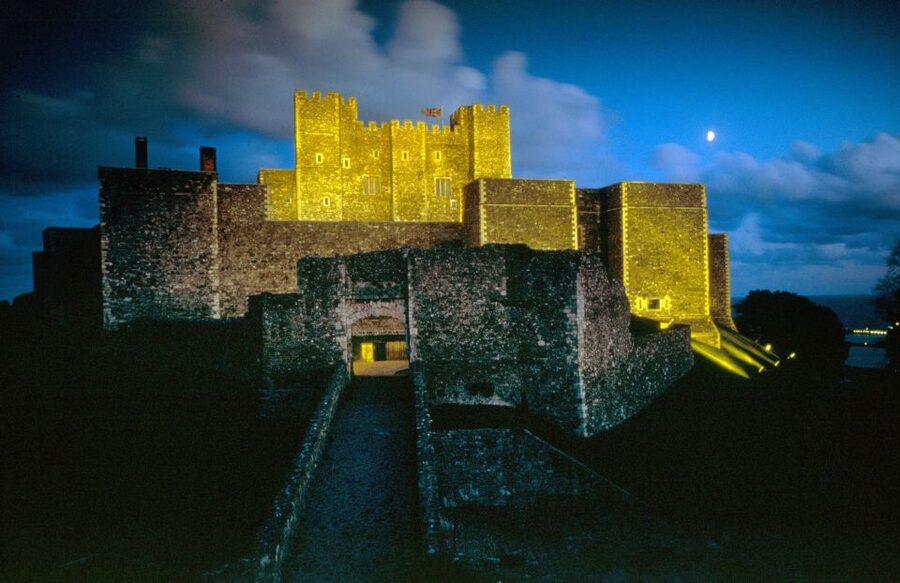
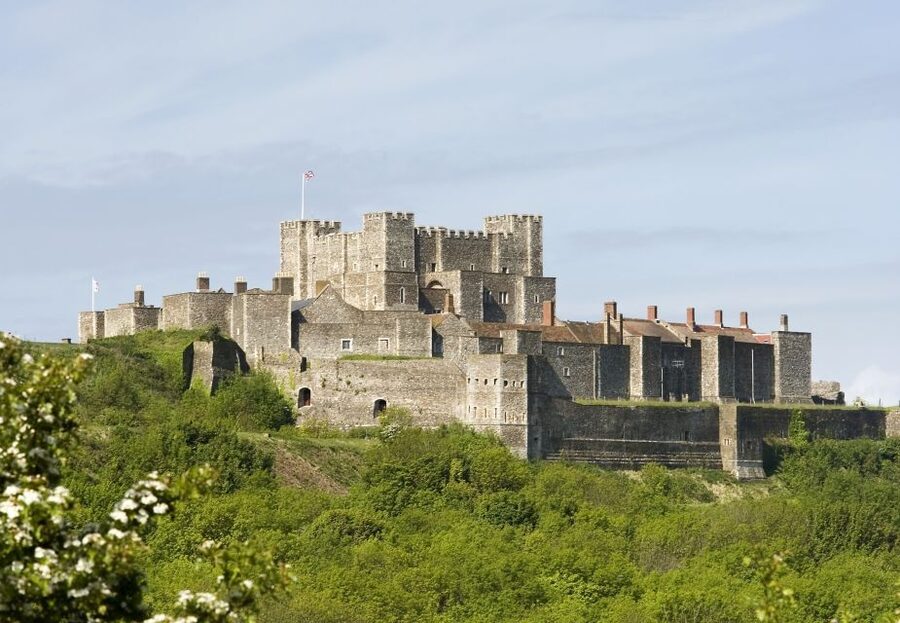
Dover Castle’s biggest surprise is how much history sits beneath and around the famous medieval walls. You can move from Henry II’s royal palace to wartime command tunnels, then climb the Great Tower for broad views over the castle and the white cliffs.
I like the way the site connects grand royal life with ordinary wartime work. The recreated rooms use lifelike figures and scenes, while the tunnels show hospitals, command rooms, film, sound, and archive images. I also like that staff-led tours add useful detail instead of leaving you to read every panel alone.
The drawback is physical: this is a large, hilly site with slopes, rough surfaces, and plenty of stairs. Arrive early, allow three to four hours, and do not expect to see everything if you arrive late or need frequent rests.
Key points to know before you go
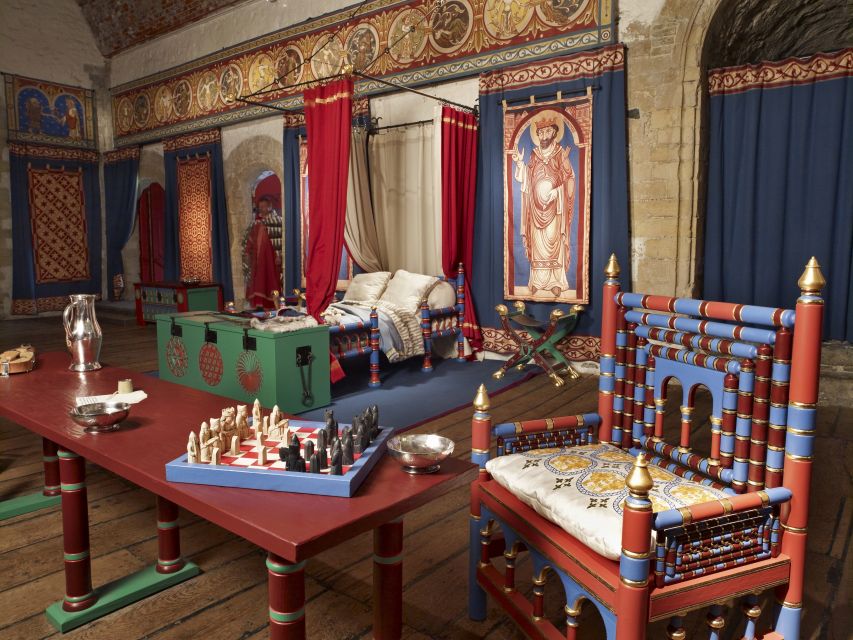
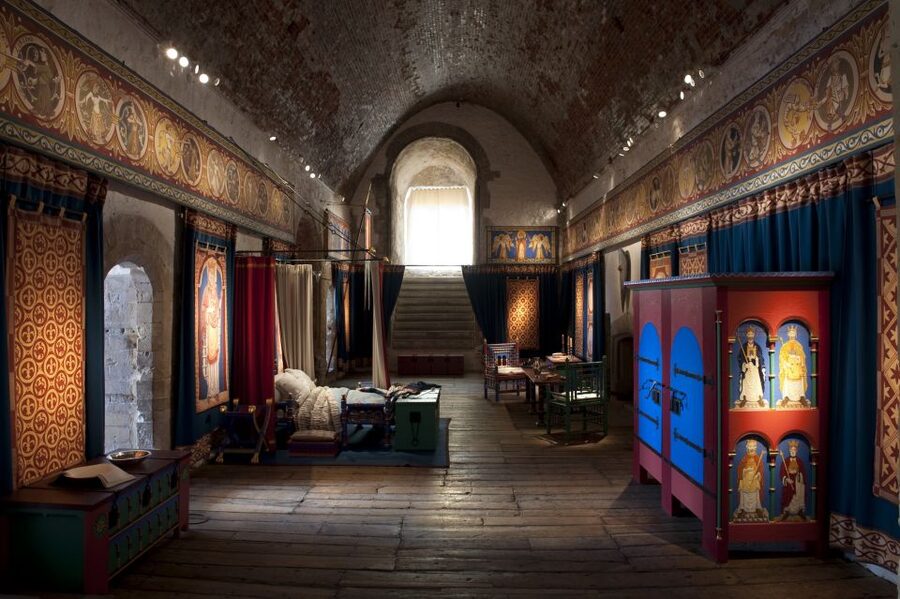
- Henry II’s palace: Walk through the great hall, private chambers, guest rooms, kitchen, and armories with lifelike figures recreating court life.
- Great Tower views: Climb to the roof for wide views over the castle and the Dover area.
- Wartime tunnels: See the underground hospital and secret tunnels linked to the 1940 evacuation from Dunkirk.
- New siege displays: Dover Castle Under Siege adds interactive material about the castle’s hardest moments and reopens medieval tunnels.
- A full-day visit: Two hours covers the main areas at a brisk pace, but three to four hours is a better target.
- Practical warning: The last entry is two hours before closing, and tunnel queues can cost you valuable time.
Why Dover Castle feels like several historic sites in one
Dover Castle is not a single building you enter, photograph, and leave. It is a large defensive complex where different centuries occupy the same hill.
The medieval castle is the obvious starting point. Its walls, towers, gates, and central keep show why Dover was one of England’s strongest fortresses. But the visit becomes more interesting when you follow the site underground and discover how the hill remained useful long after medieval warfare had changed.
You can trace a broad story from Roman use of the area through the medieval monarchy, Napoleonic defenses, the world wars, and the Cold War. That range gives the admission real value, especially if you enjoy military history or want more than a traditional castle tour.
The site works well for families because the history is presented in several ways. You get furnished rooms, costumed or lifelike displays, guided walks, film, audio, and interactive exhibits. You can spend time with formal history, then switch to a more theatrical presentation when younger members of your group need variety.
More Castle Entry Tickets in the UK
- Edinburgh Castle: Guided Walking Tour with Entry Ticket
★ 4.7 · 11,699 reviews - Windsor Castle Admission Ticket
★ 4.7 · 7,032 reviews - Edinburgh Castle: Guided Walking Tour with Entry Ticket
★ 5.0 · 5,540 reviews
Henry II’s palace inside the Great Tower
The Great Tower is the medieval heart of the visit. Henry II built it as a royal residence as well as a place of defense, and the interior presentation helps you picture court life rather than just admire thick stone walls.
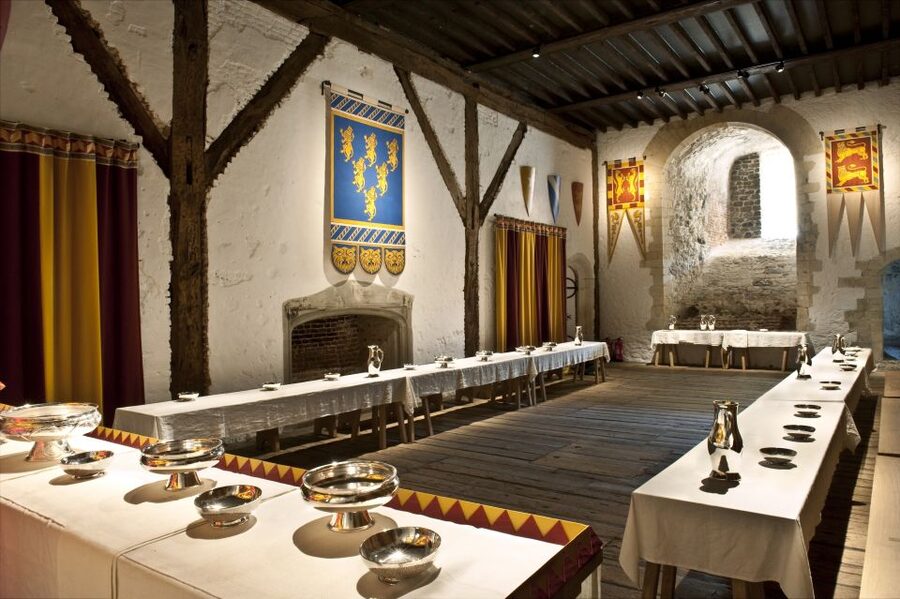
Inside, lifelike hologram figures guide you through the private chambers, guest rooms, great hall, kitchen, and armories. These scenes give the rooms a human scale. Instead of seeing an empty chamber and trying to imagine its purpose, you get a sense of how people moved through the building and how royal life was organized.
The great hall is the star for many visitors. It explains the public side of medieval power, where ceremony, meals, administration, and political theater came together. The private rooms offer a useful contrast, showing that the king’s household needed both display and privacy.
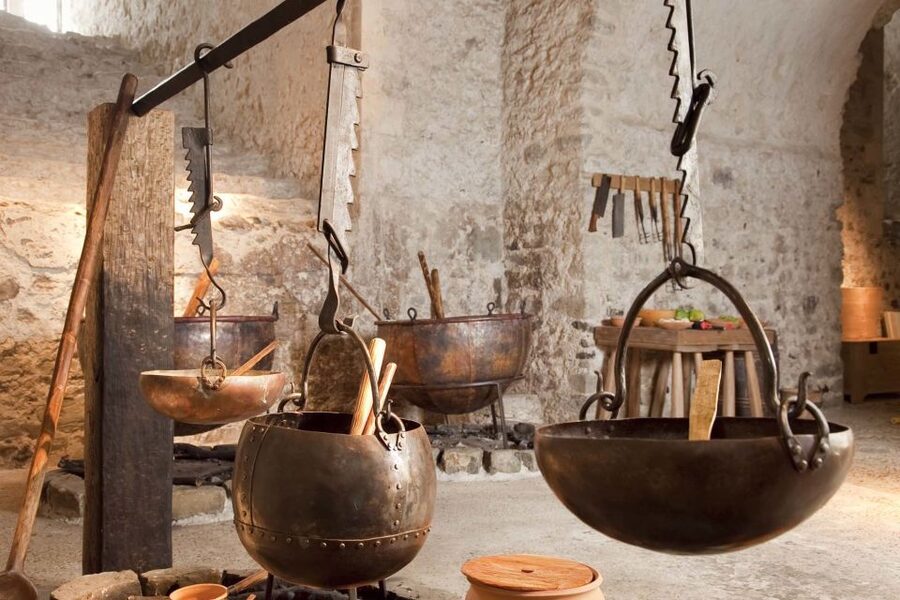
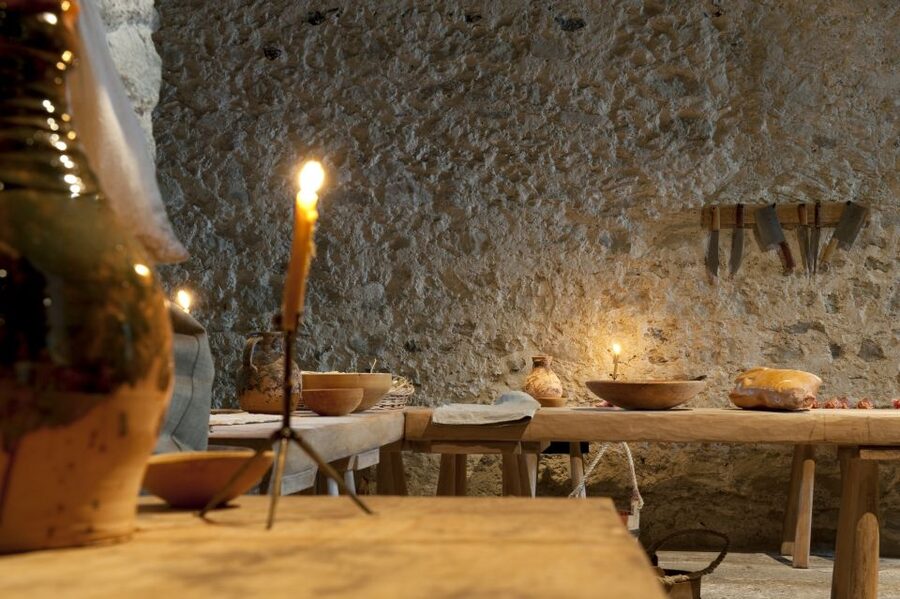
The kitchen and armories help keep the story practical. They remind you that a royal residence depended on food preparation, storage, equipment, and a large working household. I like these areas because they help you picture the castle as a functioning place, not just a monument.
Give yourself time here. The presentation is easy to rush through, especially when you are eager to reach the roof, but the reconstructed interiors are among the most distinctive parts of the visit.
The Great Tower roof and the climb
The climb to the top of the Great Tower rewards you with wide views across the castle grounds and toward the Dover area. On a clear day, the setting helps explain the castle’s purpose better than any map can. From above, you see the scale of the walls and the commanding position above the coast.
You should treat the climb as part of the exercise of the day. Stairs and uneven surfaces appear throughout the site, and one visitor specifically found a roof step easy to miss. Watch your footing, particularly when looking outward at the view or moving through crowded areas.
The roof is also exposed to the weather. On hot days, the climb and open ground can feel tiring. On wet or windy days, the stone surfaces may be less comfortable. Sensible shoes and water will make the visit easier, even though the ticket itself requires little planning.
The tunnels and the 1940 Dunkirk story
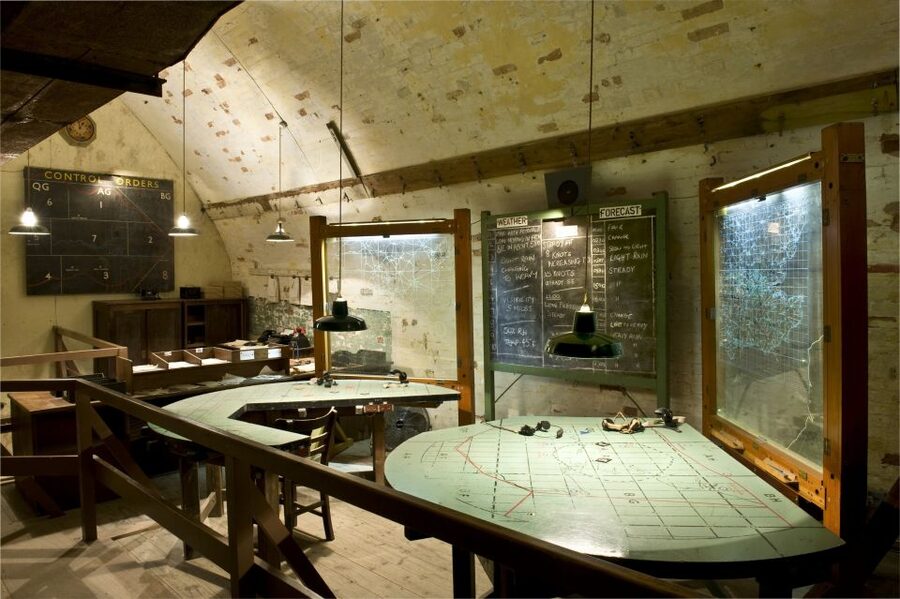
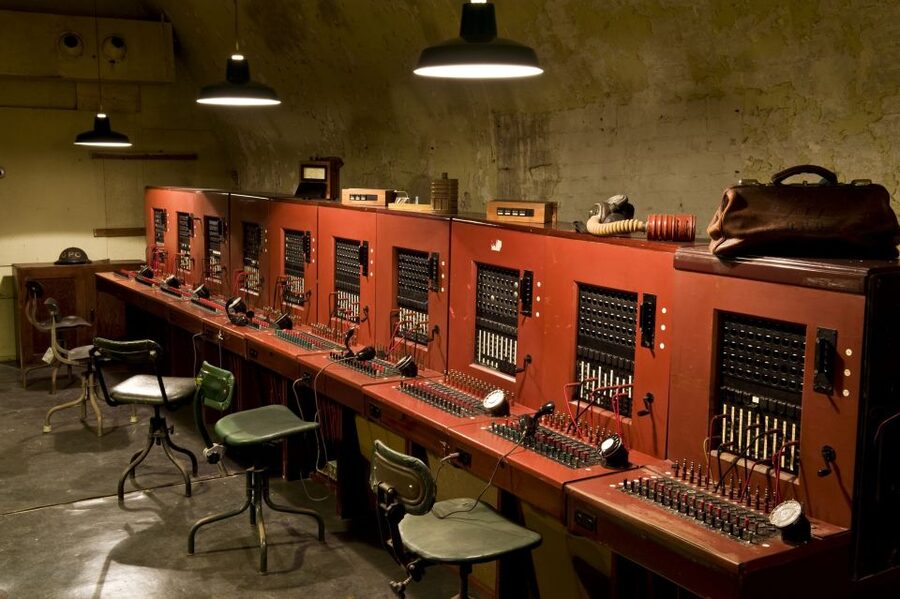
The underground tunnels are the emotional center of Dover Castle. The secret wartime passages present the 1940 evacuation from Dunkirk through film, audio, and archive photography.
The story focuses on the rescue of more than 300,000 British and allied troops. Instead of treating the evacuation as a distant date in a textbook, the presentation places you in the command setting where the operation was organized. The combination of sound, images, and underground rooms gives the subject weight.
The experience is especially useful for anyone interested in the Second World War, but you do not need specialist knowledge to follow it. The format explains the events clearly and keeps the focus on decisions, pressure, and the scale of the rescue.
Plan for a queue. The ticket office may direct people toward the tunnels, and at busy times a large line can form before you realize what is happening. Arriving early gives you a better chance of joining the guided tunnel experiences and still having enough time for the Great Tower and palace.
The tunnels can be cool and enclosed compared with the open castle grounds. If you dislike confined spaces, keep that in mind. For most people, the underground setting is what makes the wartime story feel immediate.
Same stronghold, another way through the gate:
- Stonehenge, Windsor Castle, and Bath from London
★ 4.5 · 18,662 reviews - Edinburgh: Edinburgh Castle Guided History Tour with Tickets
★ 4.8 · 9,933 reviews - Stonehenge, Windsor Castle and Bath with Pub Lunch in Lacock
★ 4.5 · 7,402 reviews - Stonehenge, Windsor Castle and Bath Full Day Guided Tour
★ 4.5 · 5,346 reviews
The underground hospital and other guided areas
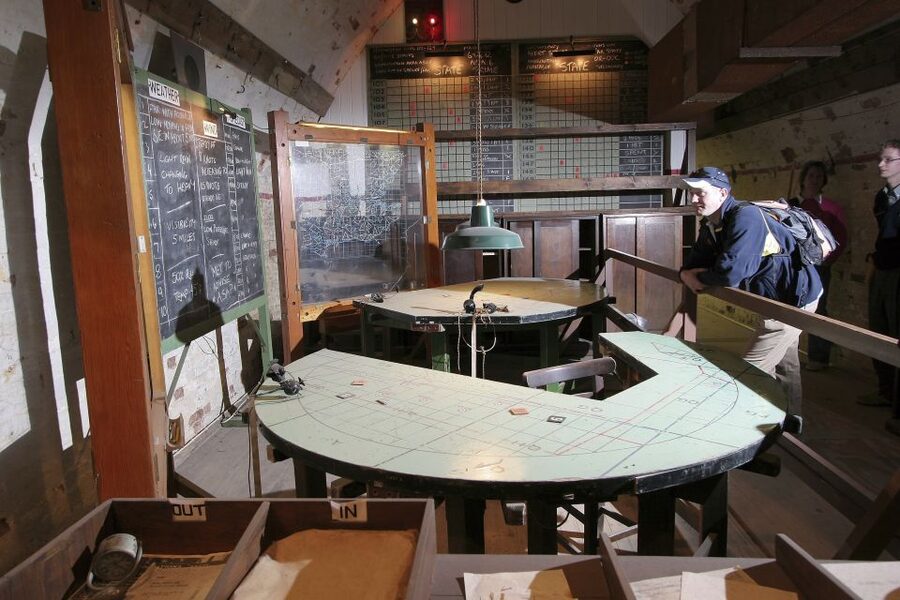
The wartime hospital is another strong part of the visit. The tour shows how the underground complex supported military operations and medical work during difficult periods.
A guide makes a clear difference here. The hospital and tunnel tours contain details that are easy to miss if you simply walk past doors and signs. Staff can explain what each area was used for and answer questions about life underground.
The guided format also helps you manage the site. You are not left guessing which tunnel matters most or how the different periods connect. If you arrive late, though, you may miss a scheduled tour or have to wait for the next available opportunity.
I would place the wartime tunnel and hospital visits high on your list, particularly if you have only a few hours. Several people who arrived late missed some guided activities, while those with around four hours were able to explore much more fully.
Dover Castle Under Siege and the medieval tunnels
Dover Castle Under Siege adds a newer way to understand the fortress. Interactive displays focus on the castle’s most challenging periods, and reopened medieval tunnels add another layer to the defensive story.
This is a useful counterpoint to the royal rooms. The Great Tower shows power at the center of the castle, while the siege material shows how the wider fortress faced attack, shortages, and military pressure.
The medieval tunnels are valuable because they reveal the practical side of defense. Walls look impressive from the outside, but underground passages show how people watched, moved, planned, and protected the castle. Check the current opening details on the day, since specific areas and activities can vary.
Do not assume every tunnel is a quick walk-through. The site is spread out, and moving between the keep, walls, tunnel entrances, and other buildings takes time. That is why a full morning or most of a day is a better plan than a short stop between other appointments.
The anti-aircraft gun and hands-on moments
The rare anti-aircraft gun demonstration adds a direct connection to modern military history. Seeing the gun in action gives you a sense of the equipment used to protect the coast during wartime.
This type of demonstration is particularly useful for families. Children can watch the mechanism operate instead of only reading about it, while adults get a clearer idea of how the castle remained relevant after medieval weapons had disappeared.
Other family-friendly touches may appear around the grounds, including period-style activities and opportunities connected with armor and shields. These do not replace the serious history, but they make it easier for different ages to enjoy the same visit.
The activity schedule matters. If you arrive late, you may miss demonstrations or guided sessions even though the admission ticket remains valid for the day.
How much time should you allow?
Two hours is enough to see the main castle areas at a brisk pace, but it is not enough for a relaxed visit with the key tours. I would allow three to four hours if you want the Great Tower, medieval rooms, grounds, and underground areas.
A full day is reasonable if you like to read displays, join guided tours, pause for food, and explore at a slower speed. The grounds are extensive, and the slopes mean that moving around takes longer than the map may suggest.
A sensible order is:
- Arrive as early as possible.
- Confirm the day’s tunnel tours and demonstrations.
- Visit the wartime tunnels before queues grow.
- Explore the Great Tower and Henry II’s rooms.
- Climb to the roof when the weather is best.
- Leave time for the siege displays, medieval tunnels, and outer grounds.
Do not make the mistake of treating Dover Castle as a quick photo stop. One two-hour visit covered most of the site for a fast-moving visitor, but it left little room for missed tours, queues, or unplanned pauses.
Price, access, and the practical trade-offs
At $33 per person, the admission is not a bargain-basement attraction. I think it earns the price if you will spend several hours inside and make use of the tunnel tours, Great Tower, palace rooms, and siege displays.
The value is weaker if you only have an hour or two and mainly want an exterior photograph. The castle’s size and the number of areas are the reason to pay the admission, so build your day around the visit rather than squeezing it into a rushed schedule.
The meeting point is Castle Hill, Dover, Kent, CT16 1HU. The ticket is valid for one day and includes admission. Free cancellation is available up to 24 hours in advance, and you can reserve now and pay later if you need flexibility.
The site is wheelchair accessible, but accessibility should not be confused with an effortless visit. The grounds include hills, uneven surfaces, and stairs, and some areas may be physically demanding. Anyone with limited stamina should plan rests and ask staff for help deciding which sections are most practical.
The last entry time is two hours before closing. You need to reach the ticket office to exchange the voucher for your ticket at least two hours before closing, so check the closing time before setting out.
A family ticket covers two adults and up to three children aged 5 to 17. On dates marked as closed, the site may still open, so check directly with English Heritage before you travel.
Who will enjoy Dover Castle most?
I would recommend this admission to anyone who likes castles but wants more than medieval stonework. The mix of royal rooms, siege defenses, hospitals, wartime command spaces, and modern military displays gives the visit unusual range.
It is a strong choice for families because the site offers visual scenes, guided tours, outdoor walking, and working equipment. Older children who can manage the walking will find more to engage with than at a castle made up mainly of empty rooms.
History enthusiasts should allow the full day. The Second World War material is particularly strong, and the Dunkirk presentation gives the underground tunnels a clear purpose.
You should think twice if you dislike hills, stairs, uneven ground, or enclosed passages. You can still see important areas, but you may not enjoy the site at its best without taking your time.
Should you book Dover Castle admission?
Book it if you can give Dover Castle at least three hours and want a visit that covers medieval royal life as well as the Second World War. I especially recommend arriving early so you can join the tunnel and hospital tours before queues build.
The ticket offers solid value for a full day, but the site rewards planning. Wear comfortable shoes, watch for uneven steps, and do not leave the tunnels until the end. If your schedule allows only a short visit, choose the Great Tower and one wartime tour rather than expecting to see everything.
FAQ
How much does Dover Castle admission cost?
The listed price is $33 per person. A family admission ticket allows entry for two adults and up to three children aged 5 to 17.
How long is the Dover Castle ticket valid?
The ticket is valid for one day. You can spend the day exploring the castle grounds, Great Tower, palace rooms, tunnels, and other displays.
Where is the meeting point?
The meeting point is Castle Hill, Dover, Kent, CT16 1HU.
What is the latest time I can enter?
The last entry time is two hours before closing. You should reach the ticket office to exchange your voucher at least two hours before closing.
Is Dover Castle wheelchair accessible?
Yes, the site is wheelchair accessible. However, the castle includes hills, rough surfaces, and stairs, so the physical demands can still vary by area.
Can I cancel the ticket?
Yes. You can cancel up to 24 hours in advance for a full refund.
Can I reserve now and pay later?
Yes. The booking option allows you to reserve your place and pay nothing at the time of booking.
How much time should I allow at Dover Castle?
Allow at least three to four hours if you want to see the main castle areas and take the tunnel tours. Two hours is possible at a brisk pace, but you may miss guided activities or some displays.
New castle tours around the UK
- Poole: Old Harry Rocks and Corfé Castle Guided E-bike Tour★ 5.0 · 11 reviews
- Perth: The Black Watch Castle and Museum Entry Ticket★ 4.8 · 5 reviews
- Oxford Castle and Prison: Guided Tour★ 4.7 · 251 reviews
- NORTH HIGHLAND TOUR, DUNROBIN CASTLE & MORE FROM INVERGORDON★ 5.0 · 7 reviews
- North Highland Tour: Dunrobin Castle, Dornoch, & Much More★ 5.0 · 3 reviews
- Newcastle: True Crime Guided Tour★ 4.6 · 40 reviews
- Newcastle: Walking Custom Tour with a Local Guide★ 4.7 · 9 reviews
- Newcastle Unveiled Tour: History, Bridges, and Secrets in Spanish★ 5.0 · 2 reviews
Castle Entry Tickets, compared.

Edinburgh Castle: Guided Walking Tour with Entry Ticket
Read our review →
Prague: Castle Tour with Local Guide and Entry Ticket
Read our review →
Prague Castle 2.5-Hour Tour Including Admission Ticket
Read our review →

Prague: Prague Castle and Lobkowicz Palace Entry Tickets
Read our review →
Seville: Alcázar and Cathedral Entry Ticket and Guided Tour
Read our review →
Carcassonne: Castle and Ramparts Entry Ticket
Read our review →Browse the lists this tour appears in