
Review · FRANCE
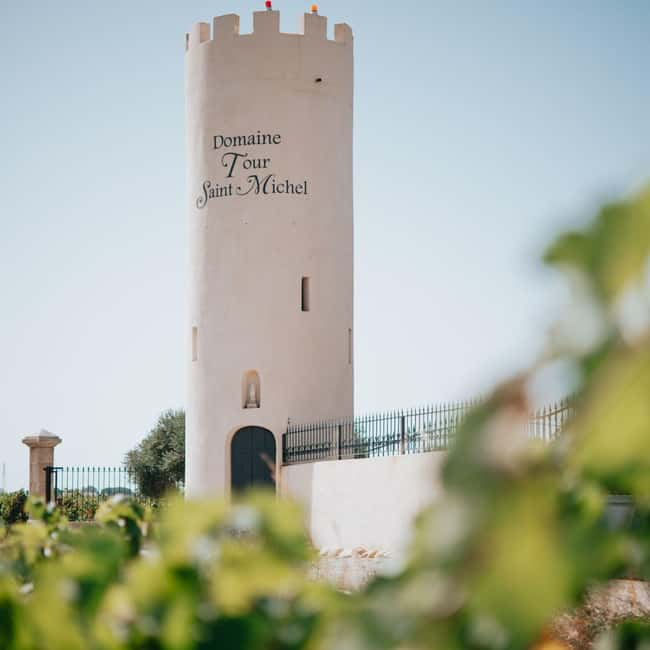
Châteauneuf-du-Pape: tour/tasting in the heart of Domaine Tour St Michel
Domaine Tour Saint Michel gives you a close look at how a family winery turns grapes into bottles, right in the heart of Châteauneuf-du-Pape. In one hour, you move from the reception area to the vinification cellar, then the aging cellar, before sitting down with at least three wines.
I like the family connection and the clear, step-by-step route. I also like the generous tasting, the friendly English-speaking guidance, and the fact that you can ask questions without feeling pushed to buy.
The only drawback is the short format. Thirty minutes for the cellar and thirty minutes for tasting works well for a first introduction, but serious wine students may want more time with the winemaking details or a wider tasting.
Key points to know before you book
- A real working family estate: The tour connects the wine to the people who make and sell it.
- Three cellar areas in 30 minutes: You see reception, vinification, and aging rather than only the tasting room.
- At least three wines: The selection may include Châteauneuf-du-Pape, Côtes-du-Rhône, Côtes-du-Rhône Villages, Lirac, and Vin de France.
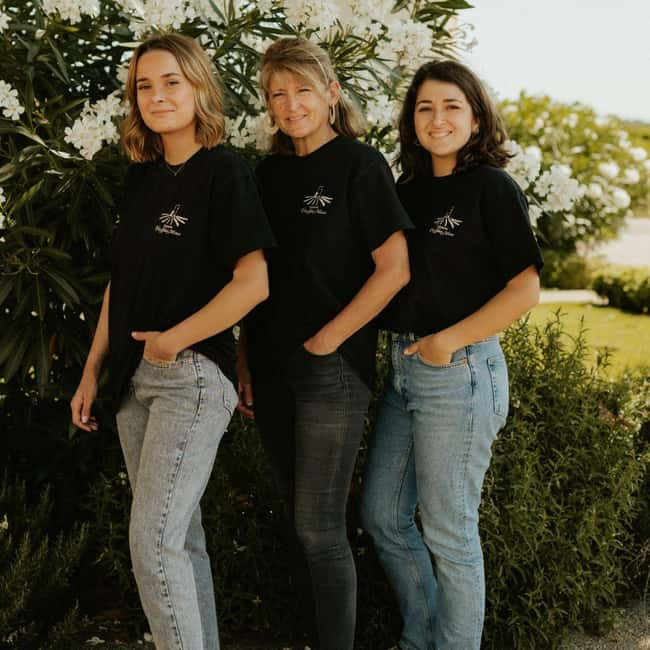
- Guides who know the estate: Magali, a granddaughter of the founder, has led visits, while other guides include wine-industry students and family members.
- Private and bilingual: The experience is offered in French or English for a private group.
- Good value at $20: Parking and water on request are included, with no stated pressure to purchase.
Why this small estate visit works
Many wine visits in the southern Rhône follow a familiar pattern: a quick explanation, a few bottles on the table, and a sales pitch. Domaine Tour Saint Michel takes a more personal route. You begin by seeing where the work happens, then taste the results with some context behind each glass.
That order matters. When you taste a red after seeing the production rooms, the wine is no longer just a label from Châteauneuf-du-Pape. You have a better sense of the estate’s daily rhythm and the steps between grape harvest and finished bottle.
The family story is another strong point. This is not presented as a grand corporate operation. The experience focuses on the family, the estate, and the traditions that continue alongside modern production. Magali has guided some visits as a granddaughter of the founder, which gives her connection to the property a personal edge. Other tours may be led by a family member or by a guide studying the wine industry.
You should not expect a long vineyard walk or a technical master class. The visit stays focused on the cellar and the tasting. For many people, that is a plus: you get the essentials without giving up half a day.
More towers, keeps and ramparts to walk around France:
- Loire Valley Castles Day Trip from Paris with Complementary Wine
★ 4.5 · 3,907 reviews - Carcassonne: Castle and Ramparts Entry Ticket
★ 4.6 · 2,884 reviews - Chambord: Entry Ticket to the Castle
★ 4.6 · 1,841 reviews
Arriving at 1700 CR de Sorgues
The meeting point is Domaine Tour Saint Michel at 1700 CR de Sorgues. You can park in the courtyard, which removes one common headache at a winery visit. Still, give yourself extra time to find the entrance. One visitor had trouble locating the property and arrived early, so clear directions and a little patience will help.
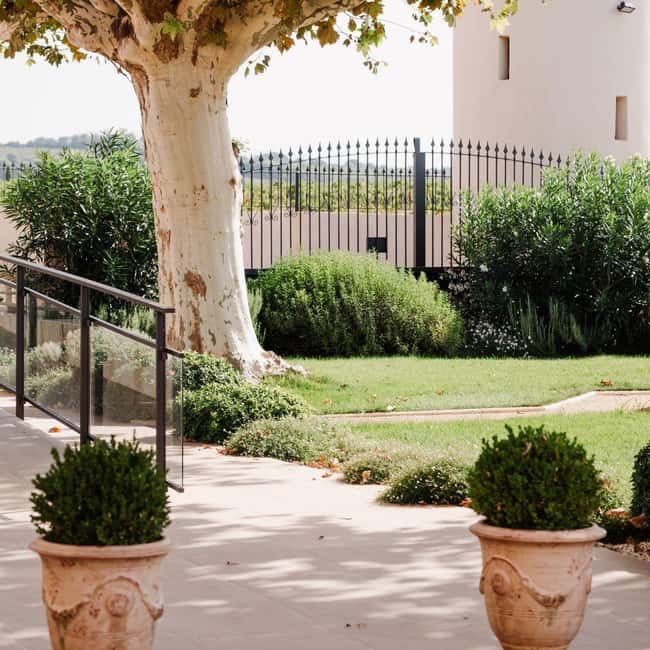
The setting is described as attractive grounds, but the useful part is the practical access. You do not need to spend time searching for street parking or walking a long distance from the car. If you are visiting several wineries around Châteauneuf-du-Pape, this easy parking arrangement makes the stop simpler to fit into your day.
The tour is designed for a private group, though the supplied details do not specify a maximum group size. That private format should make it easier to ask questions and steer the conversation toward your interests. One guide has tailored both the explanation and wine selection to a visitor’s preferences, a good sign for anyone who does not want a fixed speech from start to finish.
The first 30 minutes: from grape reception to vinification
The guided cellar tour lasts about 30 minutes. It begins in the reception area, where you learn about the first stage of the process. This is the practical starting point, because wine production begins long before a bottle reaches a shop shelf.
From there, you enter the vinification cellar. This is where the guide explains how the estate turns harvested grapes into wine. The supplied details do not list specific equipment, grape varieties, or fermentation schedules, so you should not expect a technical inventory of every tank and vessel. Instead, the value lies in following the sequence and understanding how each part connects to the next.
A good guide can make this section useful even if you already know a little about wine. Ask how the estate’s methods reflect local tradition, what separates the different appellations in the tasting, and which parts of production are still done in a traditional way. The family’s approach is described as traditional yet modern, so those questions should help you get beyond general facts.
The tour is offered in French or English. English-speaking visitors have been guided by people with strong command of the language, including Magali and a guide studying the wine industry. If you have detailed questions, the guide’s background may vary, but the experience is set up for conversation rather than a silent walk through the cellar.
The aging cellar and the family story
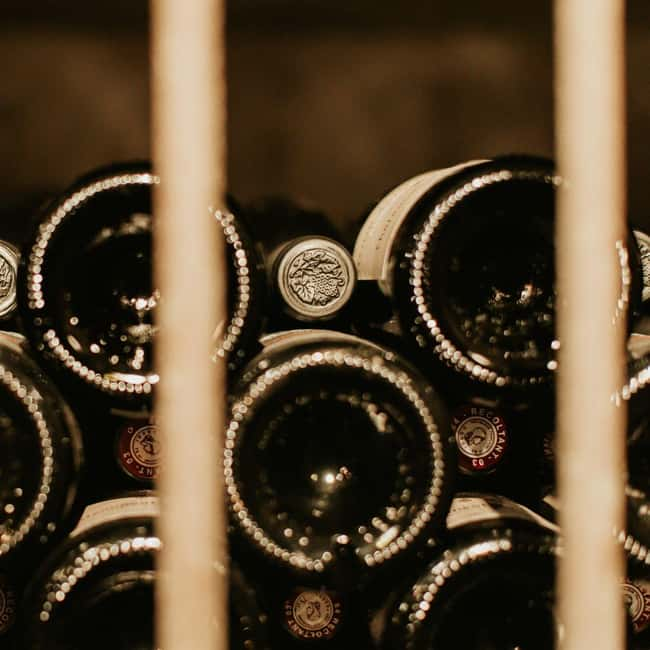
The final cellar stop is the aging area. This part gives the production story a sense of time. Wine does not end when fermentation is finished, and the aging cellar helps explain why bottles from the same estate can differ in character, style, and price.
The guide also shares the history of the family and estate along the way. That personal layer is what I would value most here. You are not only hearing a general account of Rhône wine. You are learning how one family estate fits into the work of producing, aging, promoting, and selling its wines.
The tour also touches on marketing. That may sound less romantic than barrels and cellars, but it is useful. A winery must explain its wines, reach buyers, and move bottles beyond the property. Seeing that the experience covers the route from winemaking to marketing gives you a fuller picture of the business.
Keep your expectations in check. The tour lasts only half an hour, so the guide cannot spend long on every cellar or answer every possible question in depth. Still, the compact route has a clear advantage: you see the key stages without getting bogged down in technical detail.
Same stronghold, another way through the gate:
- From Paris: Loire Valley Castles Day Trip With Wine Tasting
★ 4.6 · 1,727 reviews - Chenonceau Castle Admission Ticket
★ 4.7 · 1,515 reviews - Medoc or Saint Emilion Wine Tasting and Chateau from Bordeaux
★ 5.0 · 1,415 reviews - ★ Walking Tour of Old Nice and Castle Hill
★ 5.0 · 1,318 reviews
The final 30 minutes: a guided tasting of at least three wines
The tasting takes about 30 minutes and includes at least three wines from the estate’s collection. The exact lineup can change, but it may include:
- Châteauneuf-du-Pape
- Côtes-du-Rhône
- Côtes-du-Rhône Villages
- Lirac
- Vin de France
This range lets you compare wines from different categories rather than tasting only the estate’s most famous bottle. That is important in the Rhône Valley, where a less expensive appellation can offer excellent drinking at a lower price.
The guide comments on the wines, so you have help connecting what is in the glass to the cellar tour. If you are new to Rhône wines, ask the guide to compare the appellations directly. If you already know the region, ask which bottle best expresses the estate’s style or which wine is most suitable for a particular meal.
The tasting is described as generous, and one guide adjusted the selection to match a visitor’s interests. That personal touch can make a short tasting feel more worthwhile. It also helps if you are unsure what to buy, since you can compare before making a decision.
Just as important, the experience does not require you to purchase wine. You may decide to buy a bottle, but there is no stated pressure at the end. That matters when you are visiting several estates in one day and do not want every tasting to turn into a sales conversation.
Water is available on request. If you want water between samples, ask for it rather than assuming it will already be on the table.
The wines and what you can learn
The tasting offers more than a chance to sample a prestigious name. It can show you how the estate works across several wine categories. Châteauneuf-du-Pape is likely to be the headline bottle, but comparing it with Côtes-du-Rhône, Lirac, or Vin de France can make the regional structure easier to understand.
I would use the tasting to ask three simple questions:
- What is the main difference between these wines?
- Which bottle is best value for everyday drinking?
- Which wine reflects the family’s preferred style?
The available information does not promise a fixed number beyond at least three wines, nor does it guarantee a particular vintage. That is worth remembering if you arrive hoping to taste one exact bottle. The selection may depend on what the estate is presenting on the day.
The pricing of the wines is described as reasonable for their quality. That does not mean every bottle will suit every budget, but it does suggest the tasting is useful for finding a good-value purchase rather than simply admiring an expensive label.
Is $20 a fair price?
At $20 per person, this is a strong value for a private, one-hour visit that includes a guided cellar tour, at least three wines, courtyard parking, and water on request.
The price works especially well if you want an introduction to Châteauneuf-du-Pape without committing to a longer or more formal wine program. You get both production and tasting, not just a flight of wines. The private-group setup adds value because you have more room for questions and personal attention.
The limit is time. If you compare it with a half-day wine excursion, this visit naturally covers less ground. It does not include transportation from Avignon or another nearby town, a meal, or a broader regional tour. You will need to reach the estate yourself.
For a one-hour stop in a wine-focused day, though, the balance is good. You can learn the basics, taste several wines, and continue on without losing an entire afternoon.
Who will enjoy this visit most?
I would recommend Domaine Tour Saint Michel to:
- First-time visitors to Châteauneuf-du-Pape
- Couples or small private groups who prefer direct conversation
- Wine drinkers who want both cellar information and tasting
- English-speaking visitors who want a fluent guide
- People comparing several Rhône appellations
- Anyone looking for a reasonably priced winery stop
It is also a good choice for visitors who care about the human side of wine. Meeting a family member such as Magali can make the estate feel more personal than a large commercial tasting room.
It may be less suitable if you want a long vineyard walk, a highly technical lecture, or a full meal. The format is compact and cellar-based. Pregnant women and children under 18 are not permitted, so this is an adults-only wine activity.
The property is wheelchair accessible, which makes it a practical option for visitors who need that feature. The available information does not describe the exact route or surfaces, so you may want to confirm any specific mobility needs when booking.
Planning the hour well
Set aside the full hour, with a few extra minutes for finding the property. Since the location can be easy to miss, arriving early is sensible. Parking in the courtyard means you can go directly from your car to the estate once you arrive.
Wear something comfortable for walking through cellar areas. The supplied details do not specify cellar temperatures or floor conditions, so a light layer is a reasonable precaution without overplanning.
If English is your preferred language, request it when arranging the visit. French and English are available, and the English ability of guides such as Magali has been praised. If you have a particular interest, tell the guide at the start. The tasting can be shaped around your preferences, and the half-hour tour will be more useful if the guide knows what you want to learn.
The booking terms are flexible: you can cancel up to 24 hours in advance for a full refund, and you can reserve now and pay later. Check the available starting times before building the rest of your day around it.
Should you book Domaine Tour Saint Michel?
Book it if you want a personal, affordable introduction to a Châteauneuf-du-Pape family estate. The strongest reasons are the family connection, the clear cellar route, the English and French guidance, and a tasting that covers at least three wines without pressure to buy.
Skip it if you are seeking a much longer wine course or a large regional tour. For everyone else, the one-hour format is easy to fit into a day, the $20 price is sensible, and the experience gives you enough background to taste the wines with a better understanding of where they came from.
FAQ
Where does the Domaine Tour Saint Michel tour begin?
The experience begins and ends at Domaine Tour Saint Michel, located at 1700 CR de Sorgues.
How long does the experience last?
The full visit lasts one hour, with about 30 minutes for the guided cellar tour and 30 minutes for the wine tasting.
How many wines are included?
The tasting includes at least three wines from the estate’s collection. The selection may include Châteauneuf-du-Pape, Côtes-du-Rhône, Côtes-du-Rhône Villages, Lirac, and Vin de France.
Is the tour available in English?
Yes. The tour is offered in French and English. Some guides include family members such as Magali, while other visits may be led by guides with wine-industry training.
Is parking included?
Yes. Parking is available in the courtyard at the estate.
Who cannot join the experience?
The activity is not suitable for pregnant women or children under 18. The property is wheelchair accessible.
New castle tours around France
- Pierrefonds: Château de Pierrefonds Entrance Ticket★ 4.7 · 152 reviews
- Paris: Loire Valley Castles Tour with Wine Tasting★ 4.9 · 22 reviews
- PARIS: Private transfer Château Versailles van 7 people 4H★ 3.0 · 4 reviews
- Paris: Château de Vincennes Entry Ticket★ 4.5 · 342 reviews
- Paris to Loire Valley Castles Chambord & Chenonceau -DayTrip★ 4.7 · 2 reviews
- Paris: Loire Valley Castles Tour with Chambord & Chenonceau★ 4.8 · 51 reviews
- Avignon: Full-Day Wine Tour around Châteauneuf-du-Pape★ 4.9 · 83 reviews
- Paris: O Chateau’s Wine Tasting Dinner★ 4.2 · 30 reviews
France Castle Tours, compared.
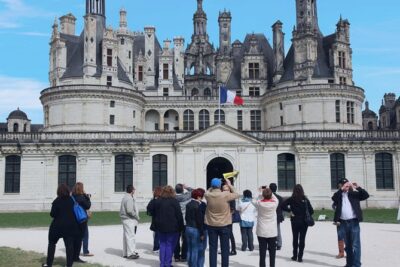
Loire Valley Castles Day Trip from Paris with Complementary Wine
Read our review →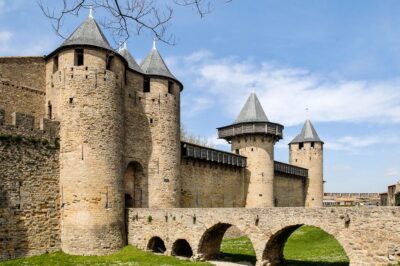
Carcassonne: Castle and Ramparts Entry Ticket
Read our review →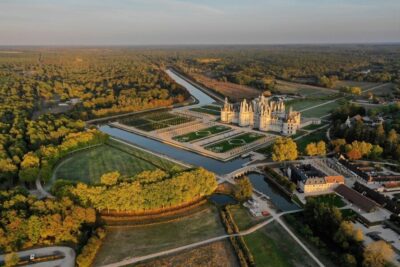

From Paris: Full-Day Loire Valley Chateaux Tour
Read our review →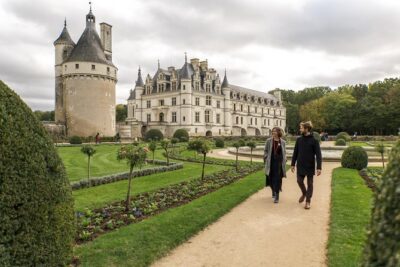
Loire Valley Castles Trip with Chenonceau and Chambord from Paris
Read our review →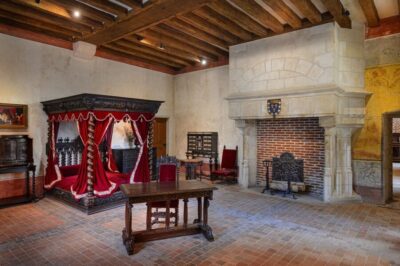
Amboise: Clos Lucé Castle, Da Vinci Park and Museum Ticket
Read our review →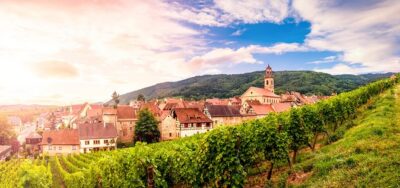
Colmar, Medieval Village & Castle Small Group from Strasbourg
Read our review →Browse the lists this tour appears in