
Review · BARCELONA
Barcelona Best Views: Old Town, Cable Car and Montjuic Castle
Barcelona is at its best from above, and this tour builds its afternoon around that simple idea. You begin among the narrow streets of the Old Town, then ride up Montjuïc for cable-car views, castle walls, and a 360-degree lookout over the city and port.
I especially like the mix of city neighborhoods and open-air viewpoints. The Old Town and Raval give you local streets, markets, and architecture, while the included tapas and local wine or beer add a welcome break. The main caution is that there is plenty of walking, and the Magic Fountain is currently switched off under drought rules.
Key points to know before booking
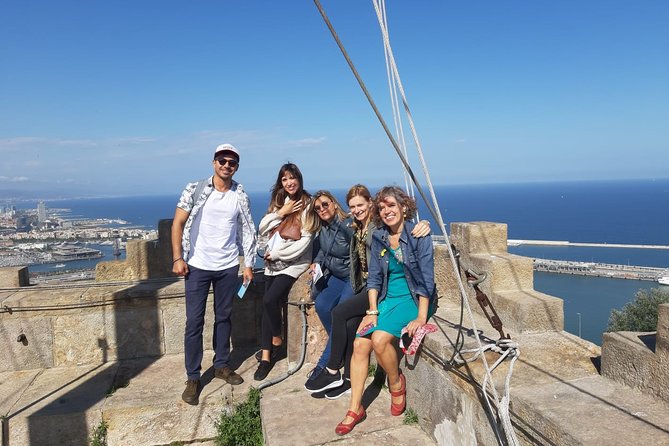
- The route covers two very different Barcelonas: Old Town lanes and Raval streets lead to the broad views of Montjuïc.
- Montjuïc Castle is the tour’s main attraction: Your ticket includes the castle, dungeons, and access to the tower for 360-degree views.
- The small group matters: With a maximum of 12 people, it is easier to ask questions and keep a relaxed pace.
- Tapas and a drink are included: You sample traditional food with local wine or beer at a terrace along the route.
- The tour starts at 3:30 p.m.: Expect the experience to run into the evening, ending near Plaça d’Espanya.
- The fountain show is not operating now: The advertised Magic Fountain stop remains part of the route, but drought restrictions have switched off the water display.
A five-and-a-half-hour view across Barcelona
At $91.11 per person, this is not the cheapest way to see Montjuïc. It is a reasonable package if you want the castle admission, transport tickets, a guide, and food handled in one afternoon.
The value comes from the range. In roughly five and a half hours, you cover Las Ramblas, La Boqueria, Palau Güell, the Raval, Montjuïc Castle, the Olympic grounds, Plaça d’Espanya, and a tapas stop. You are not simply paying for a ride up a hill. You are paying for a guide who connects central Barcelona with its political past, public spaces, and grand exhibition sites.
I would not choose this tour if you want a slow museum visit or hours at the market. The stops are short, often around 20 minutes, so the pace is designed for an overview. I would choose it for a first or second day in Barcelona, especially if you want your afternoon and evening organized without arranging several tickets yourself.
The maximum group size is 12. That is small enough for a more personal feel, and several guides named in the feedback, including Montse, Pepa, Katty, Kathy, Miguel, Pepe, and Juan, were praised for their warmth, historical explanations, and ability to adjust the pace.
More Medieval Old Town Tours in Spain:
- Barcelona: Old Town, Montjuic Castle, Cable Car Small Group Tour
★ 4.5 · 445 reviews - Medieval Route in Navarre: Olite, Ujué, Javier Castle, and Monastery of Leire
★ 4.8 · 6 reviews - Bucharest: Dracula’s Castle, Peles Castle, & Brasov Old Town
★ 4.5 · 17,858 reviews
Starting among Las Ramblas and La Boqueria
The meeting point is Palau Moja on Carrer de la Portaferrissa, close to Las Ramblas. The 3:30 p.m. start gives you the city center during the late afternoon, when the route can shift from shopping streets toward the cooler heights of Montjuïc.
Las Ramblas is a useful starting point because it places you in the middle of Barcelona’s central story. The tour spends about 20 minutes here, enough for orientation rather than a full treatment of the boulevard. Your guide can help you understand how the street connects the Old Town with the market, harbor, and surrounding quarters.
Next comes Mercat de la Boqueria, one of Barcelona’s most famous food markets. Its modernist design and broad range of produce make it more than a place to buy a snack. It shows how food, trade, and daily city life meet in the old center.
You should expect this to be a guided look rather than a long, leisurely market meal. The stop is listed at about 20 minutes, so keep your eyes open and stay with the group. If you want extensive browsing or time to eat at the market, you will need a separate visit.
The route also passes Palau Güell. You look at the exterior of this private house associated with the Güell family and the young Antoni Gaudí. The facade gives you an early glimpse of his skill with light, shape, and limited urban space. This is a quick architectural stop, not an interior tour, so do not book the experience expecting entry to the building.
Raval and the Botero cat
The walk continues into Raval, one of the Old Town’s most multicultural districts. This part of the tour gives you a change of mood from the famous central boulevard. You see a side of Barcelona shaped by many communities and a less polished street feel.
At Rambla del Raval, the group pauses by Fernando Botero’s enormous Cat sculpture. It is an easy photo stop and one of the route’s lighter moments. The statue’s rounded shape and comic expression make it memorable, but the real benefit is the chance to hear how the Raval fits into the wider Old Town.
The walking section is one reason to wear comfortable shoes. You move through streets, public spaces, and changes in level before reaching Montjuïc. One of the strongest practical points from the feedback is that guides can sometimes adapt the route. Pepa shortened the walk and added breaks for an 82-year-old participant and others with limited mobility.
That flexibility is useful, but it is not a promise that the tour is easy. You should be ready to walk for much of the afternoon, stand during explanations, and move between transport stops. Children must be accompanied by an adult. Most people can take part, and service animals are allowed.
Riding toward Montjuïc’s best views
After the Old Town, you take the Montjuïc funicular and continue by cable car toward the castle. The transport is included, which simplifies the afternoon and keeps you from working out the connections yourself.
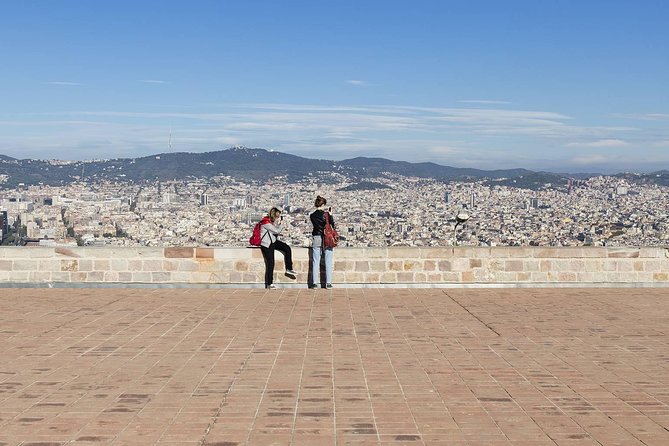
The cable-car ride is the visual centerpiece. As you rise, Barcelona opens below you, with the city, port, and skyline spreading out in different directions. The ride itself is listed at about 20 minutes, but the time spent taking photographs and looking from the upper stations adds to the appeal.
Bring a camera, but do not let the photo stop replace the view. The height gives you a useful sense of Barcelona’s layout. From above, the compact Old Town, the broad avenues, the port, and the hill of Montjuïc read as one city rather than separate sightseeing stops.
Weather matters here. Clear skies make a major difference, and one review specifically credited good weather for an excellent experience. The tour still operates as planned, but cloud or haze can reduce the payoff of the cable car and castle tower.
More castles to explore around Spain:
- Seville: Priority Access Cathedral, Giralda & Alcázar Tour
★ 4.8 · 7,563 reviews - Córdoba: Jewish Quarter, Mosque, and Alcázar Tour
★ 4.6 · 5,143 reviews - Seville: Alcázar and Cathedral Entry Ticket and Guided Tour
★ 4.6 · 5,056 reviews - Alcazar and Cathedral of Seville Tour with Skip the Line Tickets
★ 4.5 · 4,579 reviews
Inside Montjuïc Castle and its political past
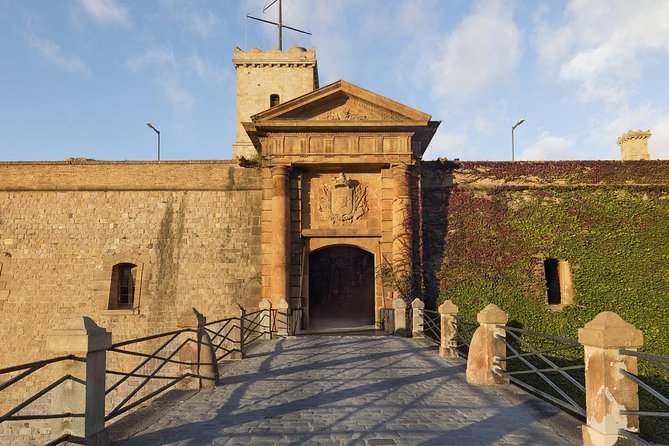
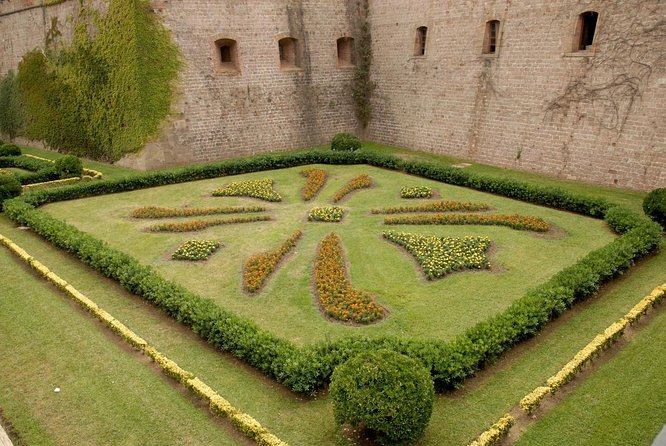
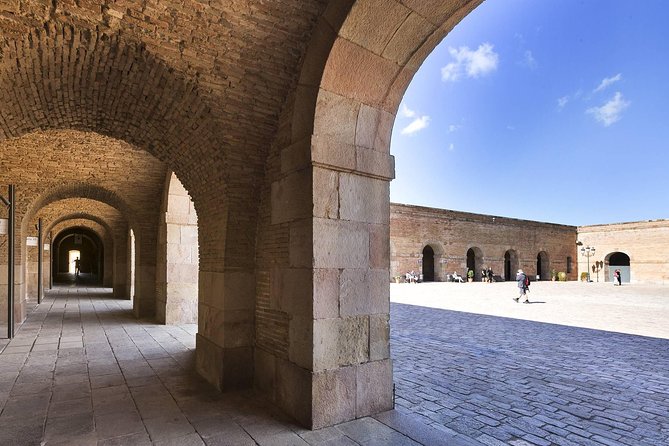
Montjuïc Castle receives about an hour, making it the most substantial stop. The fortress has served a military role and witnessed shifts in political power in Barcelona. The tour places special focus on the dungeons, where political prisoners were held.
That emphasis gives the castle more weight than a simple photo stop. You are not only looking at stone walls and city views. You are also hearing about the darker chapters tied to the fortress and the people held there.
The experience includes castle admission and a private visit for the small group. The route described includes access to the dungeons and the castle tower, areas not presented as part of the standard public visit. Since this is a guided visit, your guide’s storytelling will shape much of what you take away.
The tower is the high point in both senses. From the top, you can look across Barcelona and its surroundings in a full 360-degree sweep. The tour aims for sunset timing, though the exact light will depend on the season and conditions.
Allow yourself time to pause here. The castle can feel like a busy stop if you rush through it, but the tower and walls reward a slower look. You get some of the best photographs of the afternoon from this point.
Olympic Barcelona, Miró, and the walk downhill
After the castle, the route moves through Parc de Montjuïc and passes the Olympic Stadium and Palau Sant Jordi. These venues connect the hill with the 1992 Olympic Games and with Barcelona’s modern public identity.
You also pass the Fundació Joan Miró. The foundation was created by Miró and began with works from his private collection, with the goal of creating an international center for his art and contemporary art study in Barcelona.
The tour does not include entry to the Miró foundation. Treat the stop as an introduction for a later visit. The same applies to the Olympic venues: you pass by them, hear context, and continue rather than taking a full stadium tour.
This section helps break up the castle visit with broader views and open spaces. It is also where you may feel the day’s walking most clearly. The group usually keeps moving, so bring water and wear shoes that can handle several hours on foot.
Tapas with a local drink
Along the way, the guide stops at a terrace for traditional tapas paired with local wine or beer. This is included in the price, although extra food and drinks are not.
The food stop is important because it changes the rhythm of the tour. After the castle, you can sit, eat, and talk with the guide and the group rather than moving from one sight to the next. The experience has included dishes such as patatas in the descriptions of the meal, along with sangria in one account, but the exact selection can vary.
Do not think of this as a full dinner. It is a tasting break, not an all-you-can-eat meal. If you are hungry or have dietary needs, plan accordingly and ask the provider what can be accommodated before booking. The supplied details only confirm tapas with wine or beer, not a specific menu.
The setting adds much of the charm. Some groups have eaten outdoors with views over Barcelona, including from a terrace near the hill. That makes the stop feel tied to the place rather than like a meal in a generic restaurant.
The Magic Fountain problem
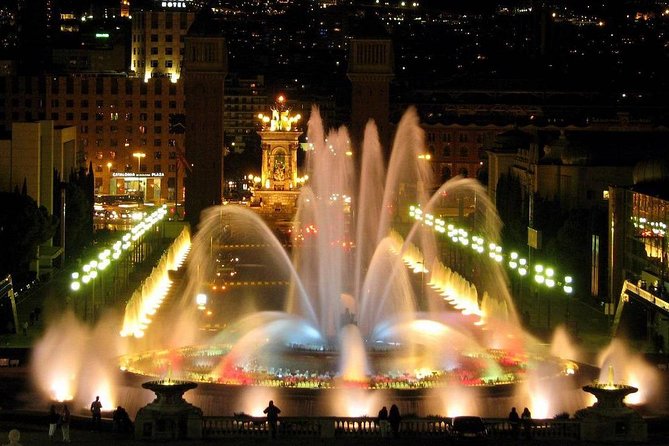
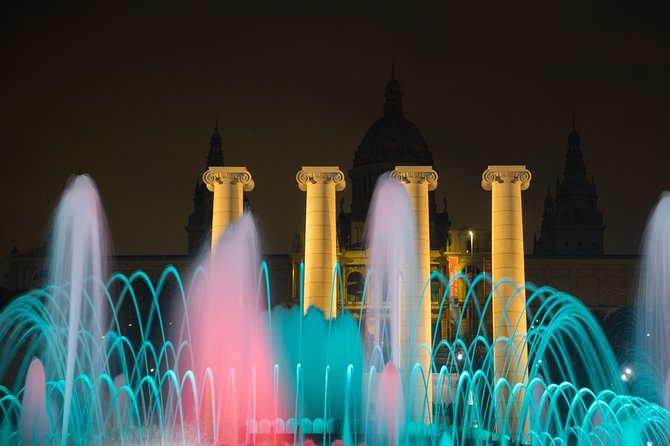
The tour was designed to finish with the Magic Fountain near Plaça de Carles Buïgas. The fountain was built for the 1929 Universal Exhibition and became a permanent Barcelona attraction after people took to its evening water and light displays.
At present, the fountain is switched off because of drought protocol. This is the biggest practical issue with the experience. The stop remains on the published route, but you should not pay expecting the colorful water show.
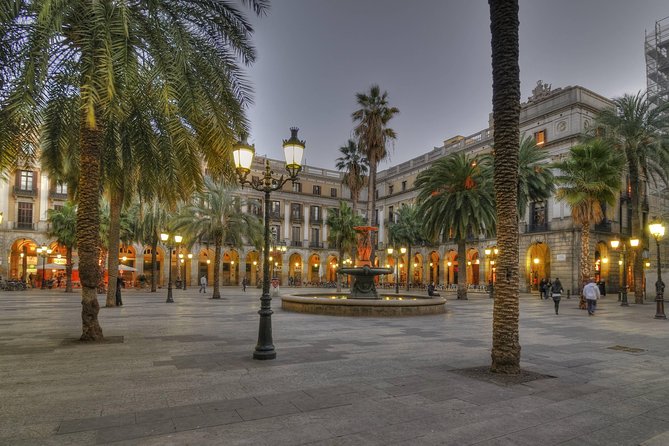
The end point is still useful. From there, you are close to bars and restaurants, and the tour finishes near Plaça d’Espanya. You can also visit the roof terrace of Arenas de Barcelona, a former bullfighting arena turned shopping center, for views of the area. The terrace is optional and not described as part of the included admission.
Plaça d’Espanya was built for the 1929 International Exhibition and remains one of the city’s major squares. Even without the fountain show, the area provides a practical end to the tour, with public transport and places to eat nearby.
One important warning: the official end point is the Magic Fountain, not your hotel. You must make your own way back after the tour. A complaint about poor communication and a closed tapas stop shows why it is wise to confirm the meeting details and current stop arrangements shortly before departure.
What the guides add
The strongest part of this experience is the guide. Montse is repeatedly praised for her energy, Catalan point of view, historical explanations, and care with transport and city navigation. Pepa is noted for adapting the pace and making the tour feel relaxed, while Katty and Kathy are praised for clear explanations, enthusiasm, and attention to comfort.
Miguel is described as handling transport, tickets, breaks, and the tapas setting with care. Other named guides include Pepe, Juan, and Edo. Your guide will depend on the departure date, so you cannot assume one particular person unless the operator confirms it.
The small group helps here. A guide can answer questions, explain where to stand for photographs, and notice when someone needs a break. Several descriptions also point to guides giving practical help with the metro and other city movements, which is valuable if Barcelona’s transport system feels unfamiliar.
Is $91.11 good value?
The price makes the most sense when you want several inclusions in one afternoon. Your fee covers the Montjuïc funicular, cable-car transport, castle admission, the walking portion in Raval, a professional local guide, and tapas with a local wine or beer.
It is less compelling if you already have a Montjuïc plan, want to visit the Miró foundation inside, or prefer to choose your own restaurant and spend more time at the Boqueria Market. The fountain being off also reduces the value compared with the original advertised experience.
Group discounts are available, and children under two can join free. Children from three to eight receive 30 percent off. The tour is offered in English and uses a mobile ticket.
You can cancel for a full refund up to 24 hours before the 3:30 p.m. start. Changes or cancellations inside that window are not refunded, so keep the local cut-off time in mind.
Who should book this Barcelona tour?
I would book this for a first visit, a short stay, or an afternoon when you want a guide to connect central Barcelona with Montjuïc. It is a good fit if you value views, local food, transport taken care of, and a steady stream of places rather than a long stay at one museum.
You should skip it if you dislike walking, want a completely free schedule, or are mainly booking for the Magic Fountain. The fountain is currently off, and that fact should be part of your decision.
For most people, the strongest reason to go is Montjuïc Castle. Add the cable car, the tower view, the Raval walk, and tapas, and $91.11 becomes a fair price for a well-filled afternoon. Just arrive ready to walk, expect the fountain to be dark, and confirm the current food arrangements before you set out.
FAQ
How long does the Barcelona Old Town and Montjuïc tour last?
The tour lasts approximately five hours and 30 minutes. It begins at 3:30 p.m. and runs into the evening.
Where does the tour start?
The meeting point is Palau Moja, at Carrer de la Portaferrissa, 1, in Barcelona’s Ciutat Vella, close to Las Ramblas.
Where does the tour end?
The tour ends at the Magic Fountain of Montjuïc near Plaça de Carles Buïgas. The area is close to bars, restaurants, and public transport.
Is the cable car included?
Yes. The Montjuïc cable-car experience and the Montjuïc funicular tickets are included.
Is Montjuïc Castle admission included?
Yes. The price includes admission to Montjuïc Castle, including the guided visit described for the dungeons and castle tower.
Is the Magic Fountain show operating?
No. The Magic Fountain is currently switched off because of drought protocol. The route still finishes at the fountain area.
Is food included?
Yes. The tour includes a tapas tasting paired with local wine or beer. Food and drinks beyond that tasting are not included.
How large is the tour group?
The tour has a maximum of 12 participants. Children must be accompanied by an adult, and children under two may join free of charge.
New castle tours around Spain
- Ponferrada: Castle of the Templars Entry and Guided Tour★ 4.7 · 52 reviews
- Ponferrada: City & Castle of the Templars Tour★ 4.5 · 12 reviews
- Peñiscola: Castle & Walled City Spanish Guided Tour★ 4.7 · 113 reviews
- Peníscola Tour Castle Tickets & Game of Thrones locations★ 4.1 · 6 reviews
- Córdoba: Mosque and Alcazar Private Tour with tickets★ 5.0 · 5 reviews
- Medieval Route in Navarre: Olite, Ujué, Javier Castle, and Monastery of Leire★ 4.8 · 6 reviews
- Madrid Trip: Segovia, Toledo, Alcazar Discovery★ 5.0 · 2 reviews
- Malaga Walking Tour with Gibralfaro Castle & Alcazaba Visits★ 5.0 · 3 reviews
Medieval Old Town Tours, compared.
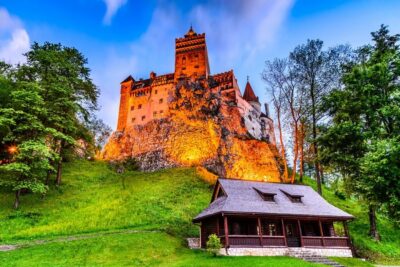
Bucharest: Dracula’s Castle, Peles Castle, & Brasov Old Town
Read our review →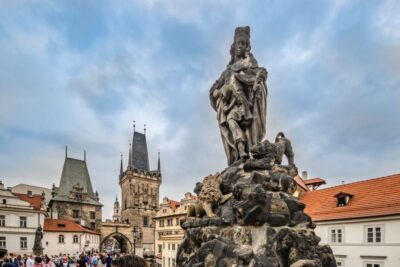
Prague: 3-Hour Walking Tour of Old Town & Prague Castle
Read our review →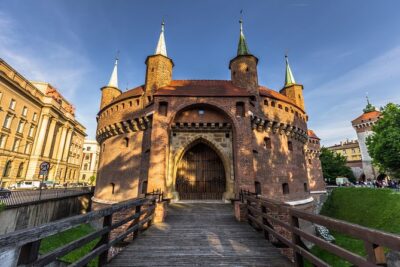
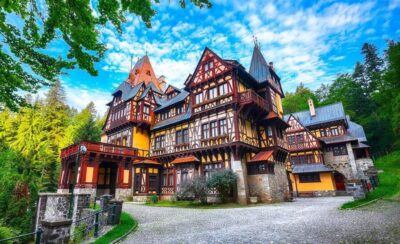
Bucharest: Peles Castle, Bran Castle, & Brasov Old Town Tour
Read our review →
Colmar, Medieval Village & Castle Small Group from Strasbourg
Read our review →
From Frankfurt: Heidelberg, Castle and Old City Guided Tour
Read our review →
Heidelberg Castle and Old Town Tour from Frankfurt
Read our review →
Kraków: Old Town & Wawel Castle Walking Tour in English
Read our review →Browse the lists this tour appears in