
Review · KHIVA
Ayazkala, Toprakkala & Kizilkala Fortress Tour From Khiva
The best part of this trip is the sudden change from Khiva’s tiled streets to the wide, dry country of Karakalpakstan, where ancient mud-brick fortresses rise from the steppe. Toprakkala, Kizilkala, and Ayazkala give you a glimpse of the old Khorezm oasis, once dotted with so many forts that the region became known as Ellikkala, or the Land of Fifty Fortresses.
I like the private car for up to three people, which keeps the price reasonable and the day flexible. I also like the range of the stops: Toprakkala brings royal and archaeological importance, Kizilkala adds a smaller military fort, and Ayazkala delivers the strongest views. The main drawback is simple: this is transport with a driver, not a history tour with a guide, and English ability can vary.
Key points to know before you go
- Three very different fortresses: Toprakkala was a royal center, Kizilkala served as a garrison fort, and Ayazkala is a larger defensive complex.
- A private group of up to three: The $90 vehicle price works best when shared by two or three people, before entrance fees.
- Ayazkala requires effort: Expect a walk across sand and a climb up uneven ground to reach the upper fortress.
- No dedicated guide is included: Your driver handles the route and transport, but detailed explanations are not part of the standard service.
- The scenery is part of the reward: Cotton fields, desert, and open steppe fill the journey between Khiva and the forts.
- Pickup is flexible: You can arrange collection from a hotel in Ichan Kala, Khiva railway station, Urgench airport, or Urgench railway station.
Why these forts are worth a day from Khiva
Khiva is easy to love, but its walled old town can make Uzbekistan feel smaller than it is. This outing takes you beyond the blue tiles and carved wooden columns into the old Khorezm oasis, a broad zone of settlements, farmland, desert, and defensive forts.
The forts were built around the edges of the oasis to guard against raids from nomadic groups coming from the north. They were not all identical. Some served as royal centers, some as military posts, and others as defensive links in a larger network.
That variety gives the day its shape. You are not simply visiting three piles of old brick. You are seeing three parts of a system that once protected and organized life in Khorezm.
The remains are made largely from clay and mud brick, so they look earthy and plain compared with Khiva’s decorated monuments. That is precisely their appeal. You can see the walls, towers, slopes, and open spaces without modern decoration covering the original form.
More fortresses and citadels around the world:
- Carcassonne: Castle and Ramparts Entry Ticket
★ 4.6 · 2,884 reviews - Salzburg: Hohensalzburg Fortress Admission Ticket
★ 4.6 · 2,236 reviews - Salzburg: Best of Mozart Fortress Concert and Dinner
★ 4.5 · 1,424 reviews
The five-hour route from Khiva to the steppe
The stated route runs from Khiva to Toprakkala, then Kizilkala, then Ayazkala, before returning to Khiva. The total duration is about five hours, so this is a compact outing rather than a full day of slow archaeological study.
You ride in a private air-conditioned vehicle. That matters in this part of Uzbekistan, particularly when the sun is strong and there is little shade at the monuments. The vehicle also gives you a place to rest between stops, which is welcome after climbing at Ayazkala.
Pickup can be arranged at the west gate of Ichan Kala, known as Ata Darwaza, or at your hotel in Khiva. You can also begin or finish at Urgench airport or either Urgench railway station. If you are changing cities, this transfer option can make the tour more useful than a simple return trip.
The standard arrangement is for a private group of up to three people. At $90 per group, the value is fair for two or three passengers. A solo visitor pays the full vehicle price, so the cost per person becomes much higher. Entrance fees are separate and usually run about $1 to $2 per monument per person.
Toprakkala, the clay capital of Khorezm
Toprakkala is usually the most important stop for understanding the political side of ancient Khorezm. Its name means Clay Fortress, a fitting description for a large settlement built from the local earth.
The site is linked with the first capital of Khorezm and is especially important because archaeologists found early city plans there. Those remains help show that an organized state existed in the area by the fourth century BC, according to the historical description provided for the site.
Toprakkala also produced some of the earliest written sources connected with Khorezm. Finds included a calendar and plaster figures of singers. Even if you are not an archaeology specialist, these details give the ruins more meaning. You can picture Toprakkala not simply as a defensive wall, but as a place with administration, ritual, art, and court life.
The scale and exposed setting are the main attractions. You get a sense of how much work went into raising a city from clay in a dry region. You also begin to understand why these sites need protection. Mud brick can survive for centuries, but wind, rain, and careless footsteps slowly wear it down.
Without a guide, you will need to read whatever information is available on site or prepare beforehand. The driver may get you there reliably, but the meaning of the ruins is largely yours to supply.
Kizilkala, the smaller red fortress
Kizilkala is the briefest and most military-feeling stop on the route. Its name means Red Fortress, referring to the color of the clay. It served as one of the garrison forts in the oasis.
This visit helps you see the defensive network on a smaller scale. Toprakkala can feel like a capital, while Kizilkala feels more like a post built to watch, protect, and support the surrounding area.
Do not expect a large museum complex or a fully reconstructed building. The value is in the setting and the shape of the fort. The red-brown walls contrast with the pale steppe, and the stop breaks up the drive between the larger sites.
Kizilkala also shows why your expectations should be realistic. These are open archaeological remains, not polished attractions with extensive visitor services. Bring water, sun protection, and comfortable shoes. The basic entrance charge is not included in the tour price.
More castles to explore around the world:
- Stonehenge, Windsor Castle, and Bath from London
★ 4.5 · 18,662 reviews - Bucharest: Dracula’s Castle, Peles Castle, & Brasov Old Town
★ 4.5 · 17,858 reviews - From Munich: Neuschwanstein & Linderhof Castle Full-Day Trip
★ 4.6 · 14,646 reviews - Edinburgh Castle: Guided Walking Tour with Entry Ticket
★ 4.7 · 11,699 reviews
Ayazkala and the climb that changes the day
Ayazkala is the dramatic finish. The name is translated as Severe Frost Fortress, a reference to the bitter cold of the steppe in winter. The site consists of three parts and is described as one of the better organized and more strongly protected fortress groups in the oasis.
The upper fort is the part most people picture when they think of Ayazkala. Reaching it involves walking across sandy ground and climbing uneven terrain. The climb is not a technical hike, but it can be tiring, especially in heat or wind. One solo visitor found the ascent uncomfortable without company, and that is useful advice: take your time and watch your footing.
The reward is the view. From above, you can see the open steppe, low desert, and the broad setting that made these forts useful. Ayazkala’s position makes the old defensive purpose easier to understand than at the smaller sites.
Wear shoes with a firm sole. Sunglasses and a sun hat are sensible, not optional extras. Comfortable clothing will make the climb easier, and you should carry water even though the supplied information does not specify refreshments.
Ayazkala is also where a guide would add the most value. The walls and layout are striking, but a clear explanation of the three sections, their purpose, and their place in the wider defense system would turn a scenic stop into a stronger history lesson.
The driver question: transport or guided tour?
This experience includes a driver and vehicle, but no dedicated guide. That distinction deserves attention because the title may sound like a fully guided excursion.
Some drivers speak English or Russian, but language ability is not guaranteed in practice. One booking had a friendly, punctual driver named Sascha who was praised as an excellent driver, while other passengers found that their driver spoke little or no English. If detailed communication matters to you, ask about the driver’s language before confirming, or bring a translation app.
The lack of a guide is not automatically a problem. If you have read about Khorezm beforehand, you may enjoy the freedom to explore at your own pace and take photographs without a running commentary. The private format also avoids waiting for a large group.
Still, you should not book this expecting a professional archaeological explanation at every stop. You are paying mainly for private transport, route planning, and access to three major sites. If you want expert interpretation, ask whether a guide or guide-driver can be added.
Driver quality can also vary. Most of the praise focuses on punctual pickup, a comfortable private car, and safe or capable driving. One account describes fast driving and a flat tire, along with an unpleasant manner. That appears to be an individual experience, but it is a reminder to speak up if the driving feels too fast.
What the $90 price really buys
The $90 rate covers a private air-conditioned vehicle for up to three people, round-trip transport, and listed taxes and fees. It does not cover entrance tickets, a guide, or personal costs.
For three people, the transport works out to $30 each before site admissions. For two people, it is $45 each. For one person, the price is harder to justify unless you value privacy, need a transfer to or from Urgench, or have limited time in Khiva.
The price compares well with the distance and the private setup. You are not only paying for driving from one fortress to another. You are also paying for the return to Khiva, air conditioning, and the convenience of arranging pickup at several transport points.
The value drops if you want extensive historical explanations. In that case, a more expensive guided service could be the better buy. The key is to see this as a private fortress transfer with sightseeing, not as a full teaching tour.
Who will enjoy this outing most?
I would recommend it to anyone with an extra day in Khiva who wants to see more than Ichan Kala. It suits people who enjoy old walls, open scenery, archaeology, and places that feel far removed from the main tourist route.
It is especially practical for:
- Couples or friends sharing the $90 vehicle cost
- Visitors arriving at or leaving from Urgench
- Independent sightseers who can prepare their own background information
- Photographers who want open views and earthy fortress ruins
- People interested in how ancient settlements were defended
I would be more cautious if you have limited mobility, dislike sun exposure, or want a detailed spoken history at every stop. Ayazkala includes sand and a climb, and the sites are not presented as fully equipped indoor attractions.
The tour is wheelchair accessible according to the supplied activity information, but Ayazkala’s sandy approach and uneven ascent deserve a direct discussion before booking. Accessibility on the road and at the vehicle is not the same as easy access to the upper fortress.
Practical preparation for the road
Wear comfortable shoes with enough grip for uneven clay and sandy ground. Bring sunglasses, a sun hat, and comfortable clothes. The steppe offers little shelter, so sun protection will make a real difference.
You should also prepare for the guide gap. Read a short account of Khorezm and the three fortresses before leaving, and save key facts on your phone. If your driver is not comfortable in English, a translation app can help with timing and basic questions.
Arrive in the hotel lobby about five minutes before pickup. If you are using an airport or railway station pickup, confirm the exact meeting point in advance. This matters more in Urgench, where a clear arrival location will prevent wasted time.
The season affects comfort. Summer can make exposed ruins hot, while winter explains the cold reference in Ayazkala’s name. In cooler months, the climb may be more pleasant, but you still need sturdy footwear and protection from wind.
Should you book the Ayazkala fortress tour?
Book it if you want a practical, private way to reach three major Khorezm fortresses from Khiva, especially if you can share the $90 cost. The combination of royal ruins at Toprakkala, military remains at Kizilkala, and the high views from Ayazkala gives you a strong introduction to the ancient oasis.
Do not book it expecting a dedicated guide unless that is confirmed separately. The smartest plan is to arrange the outing with one or two companions, confirm the driver’s language, prepare your own historical notes, and treat Ayazkala as a real walk rather than a quick roadside stop.
For independent visitors with one spare day, this is a worthwhile trip beyond Khiva’s famous walls. Its value comes from access, scale, and setting, with the main compromise being limited explanation on site.
FAQ
How long does the fortress tour last?
The tour lasts about five hours, including the route from Khiva to the three fortresses and the return to Khiva.
Which fortresses are visited?
The route visits Toprakkala, Kizilkala, and Ayazkala.
Where does the tour begin?
Pickup is available from Khiva, including the west gate of Ichan Kala and hotels in Khiva.
Can I be picked up at Urgench airport?
Yes. Pickup and drop-off can be arranged at Urgench airport.
Can I use Urgench railway stations for pickup or drop-off?
Yes. The activity allows pickup or drop-off at Urgench railway station.
How many people can join the private group?
The $90 price covers a private group of up to three people.
Is a guide included?
No. The standard service includes a driver, but a dedicated guide is not included.
What languages may the driver speak?
The activity lists English and Russian. Actual English ability can vary, so confirm this before booking if communication is important.
Are entrance tickets included?
No. Entrance tickets cost about $1 to $2 per monument per person and are paid separately.
What should I bring?
Bring comfortable shoes, sunglasses, a sun hat, and comfortable clothing. These are especially useful for the sandy walk and climb at Ayazkala.
New castle tours around the world
- From Prague: Karlštejn Castle & Koněprusy Caves Tour★ 4.9 · 183 reviews
- Prague: 2.5-Hour Vyšehrad Castle with Gorlice & Tickets★ 4.5 · 118 reviews
- Prague: Alchemy & Mysteries Bridge and Castle Evening Tour★ 5.0 · 8 reviews
- Prague Castle: 1-Hour Introduction Tour with Entry Ticket★ 4.2 · 41 reviews
- Potsdam: The evening Wannsee tour. Castles, parks, and villas.★ 4.7 · 63 reviews
- Prague: Stunning Viewpoints, Castle, City & Park Bike Tour★ 4.6 · 38 reviews
- Prague: River & Park Bike Tour to Troja Chateau★ 5.0 · 8 reviews
- Ljubljana: Postojna cave & Predjama castle small group tour★ 4.9 · 29 reviews
Fortress & Citadel Tours, compared.
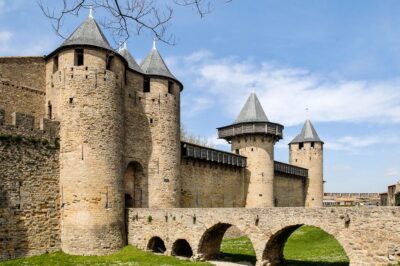
Carcassonne: Castle and Ramparts Entry Ticket
Read our review →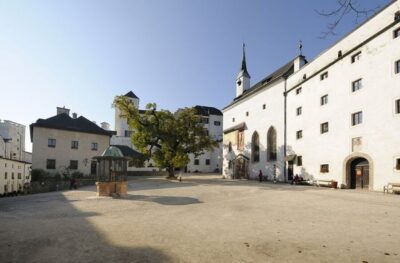
Salzburg: Hohensalzburg Fortress Admission Ticket
Read our review →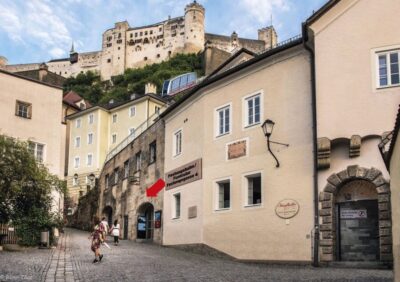
Salzburg: Best of Mozart Fortress Concert and Dinner
Read our review →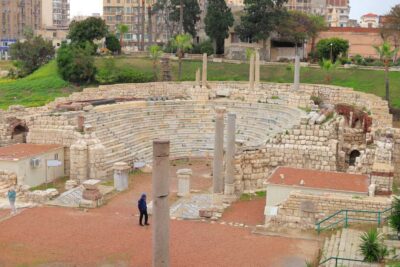
From Cairo Alexandria Catacombs, Citadel Day Trip with Lunch
Read our review →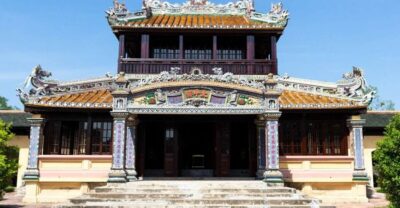
Hue Customizable Tour with Imperial Citadel & Forbidden City
Read our review →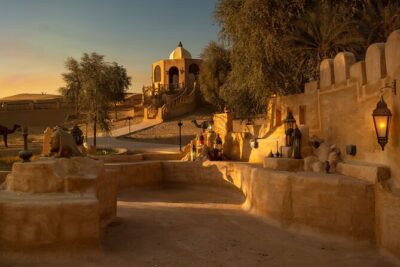
Desert Safari: Luxury Fortress Dinner, Camel Ride & Dune Bashing
Read our review →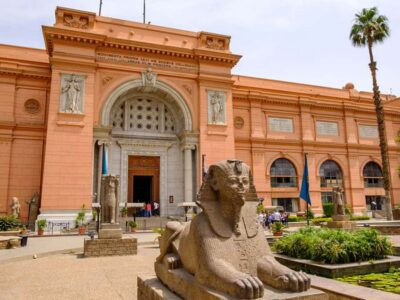
Cairo: Egyptian Museum, Citadel, and Old Cairo Guided Tour
Read our review →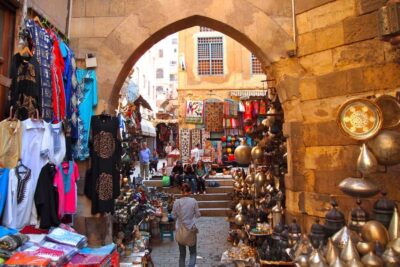
Cairo Citadel, Old Cairo and Khan El Khalili: Private Tour
Read our review →Browse the lists this tour appears in