
Review · FRANCE
From Avignon: Wine Tour with Visit to Châteauneuf du Pape
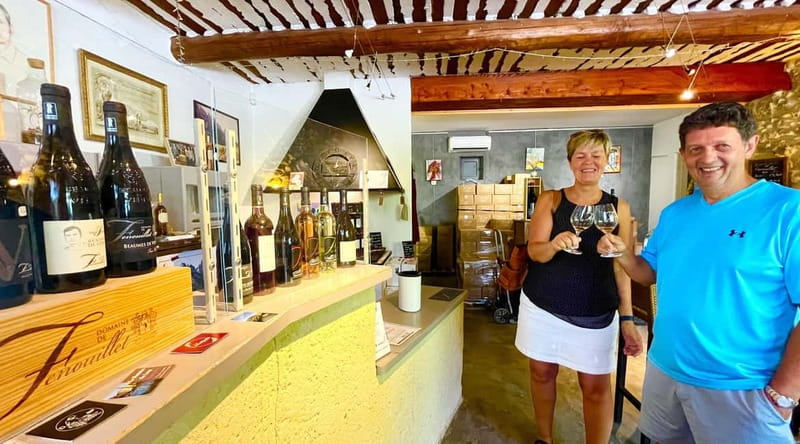
The best thing about this tour is its range: in one outing, you taste sweet Muscat in Beaumes-de-Venise, powerful reds in Gigondas, and the famous wines of Châteauneuf-du-Pape. Arnaud drives you between the estates and explains the villages, vineyards, weather, and wine in clear English or French.
I like the small six-person group and the genuine access to family-run wineries, where the pace feels personal rather than hurried. I also like the picnic of local food, including goat cheese, tapenade, fruit, eggs, and grape juice, on the morning tour from April through October.
The main consideration is the vehicle. It is comfortable for a small group, but some people found the back seats tight with five or six passengers. The stops also change by season, so check the exact schedule before booking.
Key points at a glance
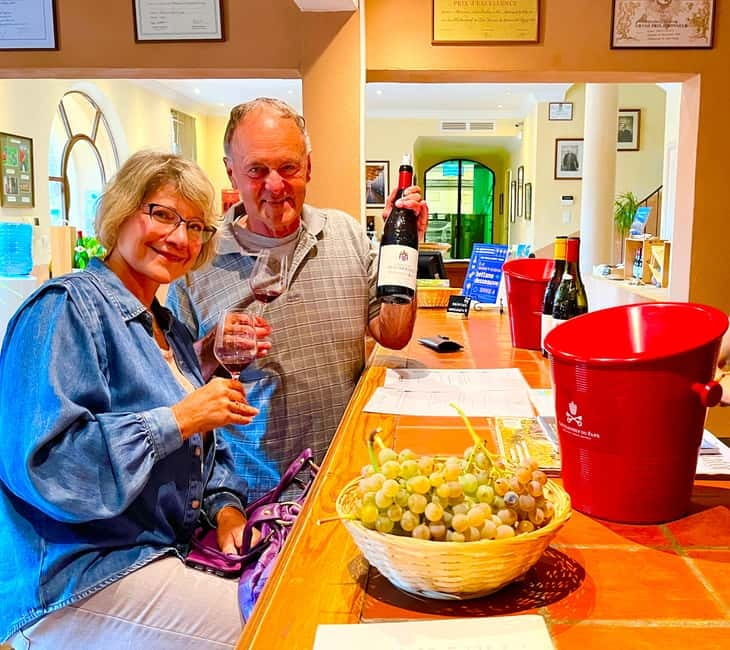
- Three appellations in one day: Compare Beaumes-de-Venise, Gigondas, and Châteauneuf-du-Pape instead of visiting only one wine area.
- At least nine wines: You taste a minimum of three wines at each of three wineries.
- Arnaud leads the drive: His local connections and easy explanations add useful context between tastings.
- Picnic from local farms: The morning tour from April to October includes regional snacks, not a full restaurant lunch.
- Six people maximum: The small group makes it easier to ask questions and spend time at the estates.
- Seasonal schedules matter: The spring-to-autumn morning outing lasts about six hours, while winter visits are shorter and include only two estates.
Why three Rhône wine areas make this a smart outing
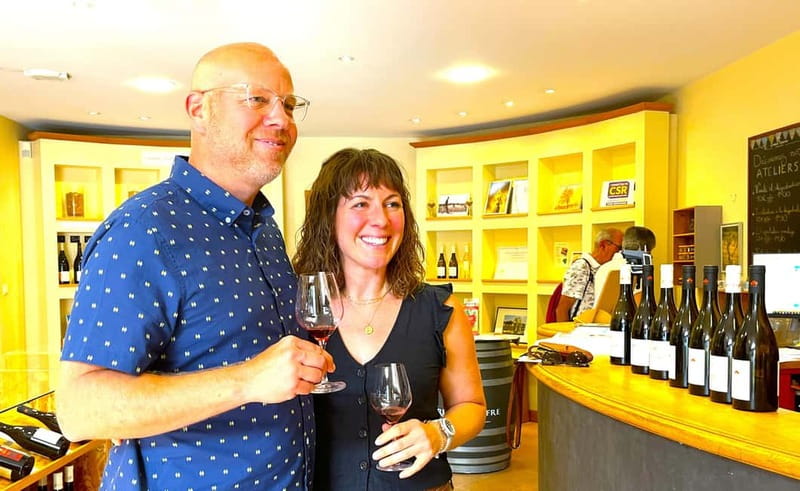
Many wine excursions from Avignon focus on Châteauneuf-du-Pape alone. This one gives you a broader look at the southern Rhône, where nearby villages can produce very different wines because of soil, altitude, wind, and grape varieties.
You begin with Beaumes-de-Venise, continue to Gigondas, and finish at Châteauneuf-du-Pape on the morning route. The afternoon outing runs in the reverse order. That change is practical rather than important, but the morning option has the advantage of including a picnic.
I like this format for anyone who wants to understand wine instead of simply collecting tasting-room visits. You get a clear comparison between a sweet natural wine, structured reds, different growing conditions, and the famous big-stone soils of Châteauneuf-du-Pape.
Arnaud’s commentary is a major part of the experience. He points out the natural features as you drive and explains how each area’s microclimate affects the vines and the taste of the grapes. His English is strong, and he also speaks French, which helps when the group includes both languages.
More towers, keeps and ramparts to walk around France:
- Loire Valley Castles Day Trip from Paris with Complementary Wine
★ 4.5 · 3,907 reviews - Carcassonne: Castle and Ramparts Entry Ticket
★ 4.6 · 2,884 reviews - Chambord: Entry Ticket to the Castle
★ 4.6 · 1,841 reviews
Beaumes-de-Venise and the sweet Muscat tradition
Beaumes-de-Venise sits on the southern side of the Dentelles de Montmirail, a group of three pointed mountain ranges. The mountains protect the vineyards from some of the wind and help create a warmer, less exposed setting than nearby wine areas.
The region is best known for Muscat de Beaumes-de-Venise, a naturally sweet wine that has held AOC status since 1943. You can drink it before a meal, with blue cheese or charcuterie, or alongside dessert. It is also a useful reminder that southern Rhône wine is not only about full-bodied red bottles.
The area also produces red wine under its own AOC, established in 2005. Winemakers may use up to 10 percent white grapes in the blend. The soils include limestone, sandstone, sand, and clay, giving Arnaud plenty to discuss as you move through the vineyards.
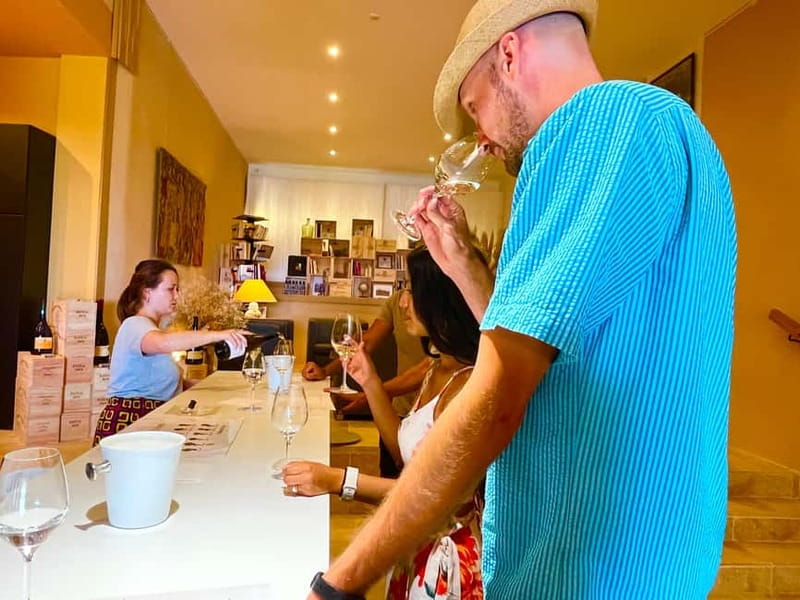
The tasting lasts about 45 minutes on the itinerary. Expect at least three wines, though the exact selection depends on the estate and the season. One Beaumes-de-Venise stop has been especially appreciated for its historic setting and broad range of wines, including sweet examples.
I would pay close attention here even if you normally prefer dry reds. Muscat can be the most surprising part of the day, and tasting it beside grape juice or fresh fruit during the picnic helps you understand the grape in more than one form.
Gigondas, the windy home of Rhône reds
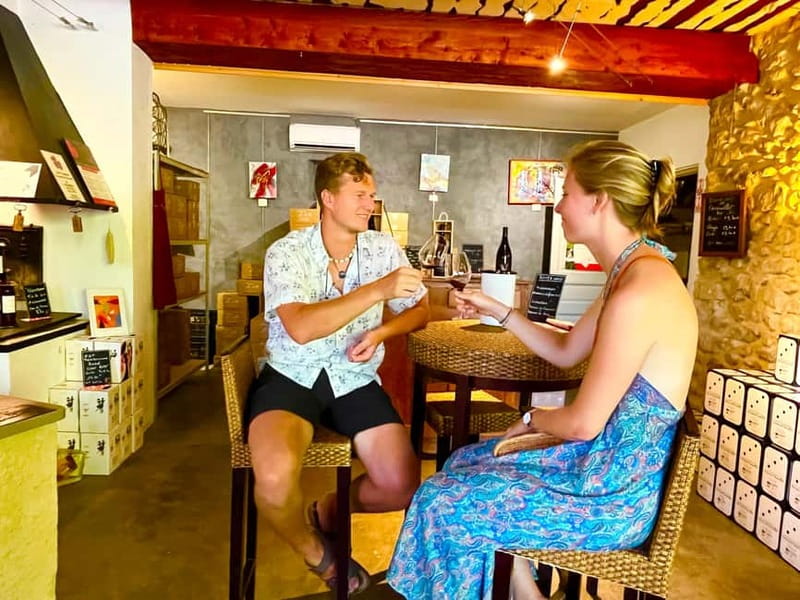
Gigondas lies on the northern side of the Dentelles de Montmirail. The mistral can blow for roughly 150 days a year. This cold, dry wind may make a day outdoors feel brisk, but it helps vineyard owners by drying the vines and reducing the risk of disease.
The vineyards also climb higher here, from about 100 to 600 meters, or roughly 300 to 1,800 feet. The local soils include sandy marl, clay, sand, limestone, and sandstone. Sandy marl is especially associated with Gigondas and gives Arnaud a useful way to explain why two nearby wines can taste different.
Gigondas has been famous for red wine since 1971. Rosé has also been permitted under the appellation since that year, while white wine is a newer addition, joining the AOC in 2023. If you have tasted Gigondas before, ask about how these newer white wines fit into the region’s older red-wine identity.
The tasting here lasts about an hour. The wineries are not all large commercial operations. You may visit a smaller family producer, meet staff who know Arnaud, and see a more personal side of wine production.
One practical point: not every bottle will suit every palate. One visitor found the Gigondas wines less appealing than the Châteauneuf-du-Pape examples, but that is not a flaw in the tour. A useful tasting should show you new flavors and help you work out what you like.
The local picnic under the trees
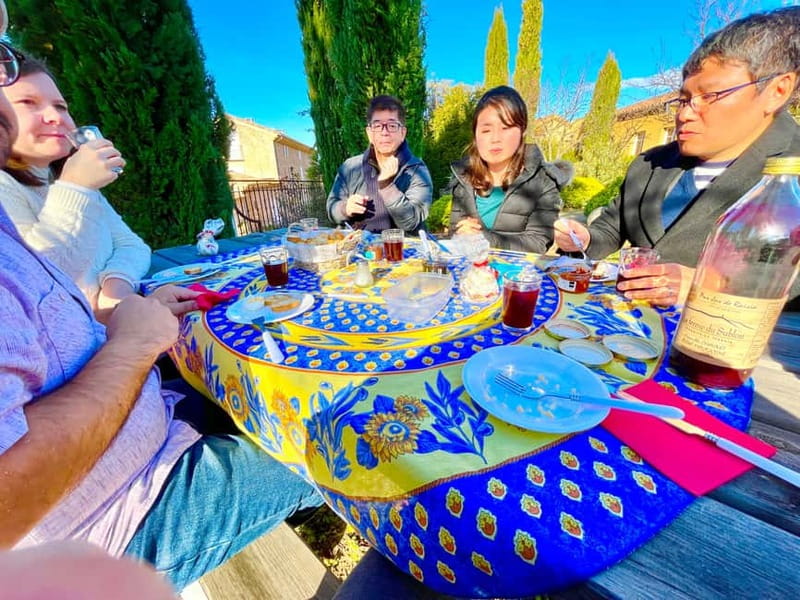
On the morning tour from April through October, the picnic takes place around Gigondas and lasts about an hour. It is better understood as a generous regional snack than a formal lunch, so do not arrive expecting a restaurant meal or a large hot dish.
The food is the kind of detail that gives the tour a local feel. Depending on the day, you might have fresh goat cheese, bread, boiled eggs, black olive tapenade, sweet pepper tapenade, anchovies, seasonal fruit, clementines, and grape juice. Much of the produce comes from farms near Arnaud’s village, and some items may come from his own garden.
I like the way this pause breaks up the tastings. You have time to sit outside, look across the vines, compare notes, and eat before the final estate. The setting is part of the pleasure, with the Dentelles and vineyard views providing a natural backdrop.
Keep your expectations precise. The picnic is included only on the morning tour between April and October. It is not included on the afternoon departure, and the winter morning tour from November through March also has no meal.
Same stronghold, another way through the gate:
- From Paris: Loire Valley Castles Day Trip With Wine Tasting
★ 4.6 · 1,727 reviews - Chenonceau Castle Admission Ticket
★ 4.7 · 1,515 reviews - Medoc or Saint Emilion Wine Tasting and Chateau from Bordeaux
★ 5.0 · 1,415 reviews - ★ Walking Tour of Old Nice and Castle Hill
★ 5.0 · 1,318 reviews
Châteauneuf-du-Pape, the famous final stop
Châteauneuf-du-Pape is the best-known wine area on this route and the one most people will already recognize. It became France’s first AOC in 1936 and now sells wine around the world.
Red wine makes up about 92 percent of production, while white wine accounts for about 8 percent. The wines are generally powerful and full-bodied, and the appellation is famous for large river stones scattered through the vineyards. Clay, sand, sandstone, and limestone also contribute to the soil.
Those stones are not just a postcard detail. They absorb heat during the day and release it later, helping create the ripe, concentrated character associated with many Châteauneuf-du-Pape wines. Arnaud uses the drive and the visit to connect the visible stones, the warm climate, and the style in your glass.
The final tasting lasts about an hour. You receive at least three wines at the estate, bringing the day’s minimum to nine wines across all three wineries. The quality and age of the samples can vary, so do not assume the most famous appellation will automatically be your favorite tasting.
Some tastings may focus on young wines. If you prefer older, more developed Châteauneuf-du-Pape, ask what is being poured before you buy. The wines can age for 20 to 30 years in a cellar, but a young sample may show fruit and structure without the softer character that comes with time.
If you show interest, Arnaud may add a short stop near the castle in Châteauneuf-du-Pape when the timing allows. Treat this as a possible extra, not a promised part of the schedule.
What Arnaud adds between the estates
The drive is not wasted time. Arnaud explains the geography, the vineyards, the villages, and the local wine traditions as you move from one appellation to the next. He also has friendly working relationships at the wineries, which can make the visits feel more relaxed.
His style seems to suit people who like questions and conversation. He has been happy to discuss French pronunciation, suggest other things to do in the region, and adjust the pace when a group wants more explanation. That flexibility can mean the day runs longer than the advertised estimate, especially when the group is engaged.
The tour is offered in French and English. If the group uses both languages, Arnaud can move between them. This is useful, though bilingual explanations may affect the timing of individual stops.
You are not expected to buy wine. Purchases are separate, and there is no stated pressure to buy. If you do purchase bottles, remember that the vehicle cannot take oversize luggage or large bags, so plan your storage sensibly.
Timing, transport, and seasonal choices
The morning April-to-October tour starts at 9:30 a.m. and returns around 3:30 p.m. It includes Beaumes-de-Venise, Gigondas, the picnic, and Châteauneuf-du-Pape.
The afternoon tour runs from about 2 p.m. to 6:30 p.m. It visits the same three areas in reverse order but does not include food. This option may suit you if you have a busy morning in Avignon or prefer a shorter outing, though the stated duration is still roughly four and a half hours.
From November through March, the morning tour runs from about 9:30 a.m. to 12:30 p.m. It visits two estates, in Gigondas or Beaumes-de-Venise and then Châteauneuf-du-Pape. The winter version is a compact introduction, not the full three-winery day.
All tours begin and end outside Hôtel Le Bristol in Avignon. Look for Arnaud’s black car marked Ventourisme. If you are staying outside Avignon itself, contact the provider before booking because another pickup point may be possible.
The group is limited to six. That is a real advantage at tasting rooms, but the vehicle can feel cramped with a full group. People who need lots of legroom should consider this before reserving.
The tour is not suitable for pregnant women or people with heart problems, according to the stated restrictions. Walking frames, luggage, and large bags are not allowed in the car. Weather can also cancel the outing, so keep that in mind when placing it on a tightly packed itinerary.
Is $93 a fair price?
At $93 per person, the value is strong if you choose the full seasonal route. You receive transport from Avignon, a guide for the day, visits to three wineries, at least nine wine samples, and, on the spring-to-autumn morning departure, a picnic made with local products.
You are also paying for access and interpretation. Reaching three wine areas by taxi or rental car would take more planning, and someone in your party would need to avoid drinking. With Arnaud driving, everyone can taste and follow the geography without worrying about the road.
The price is less compelling if you only want Châteauneuf-du-Pape or if you prefer to spend hours at one estate. It is also worth noting that personal purchases are extra, and the afternoon and winter versions do not include the picnic.
For a first visit to the southern Rhône, I think the price makes sense. You get variety, a small group, regional food, and enough explanation to understand what you are tasting rather than simply moving from glass to glass.
Who should book this wine tour?
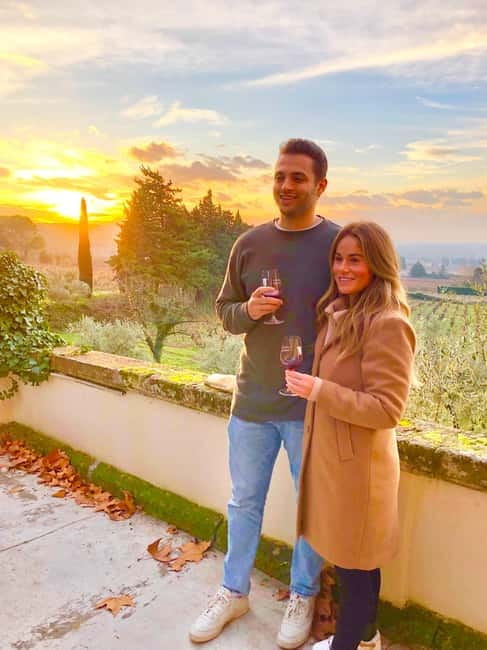
I would choose this for you if you are staying in Avignon, want to see the countryside without renting a car, and enjoy comparing different wine styles. It suits both serious wine drinkers and curious beginners because the explanations begin with basic ideas such as soil and wind, then build toward appellation and aging.
It is also a good match if you prefer small producers and quiet tasting rooms to large commercial cellars. The visits can feel more personal, and Arnaud’s local relationships add a human touch.
I would think twice if you dislike long car rides, need a roomy vehicle, want a substantial lunch, or expect every Châteauneuf-du-Pape tasting to feature older bottles. The tour gives you breadth more than luxury.
Should you book it?
Book it if you want a well-paced introduction to three important southern Rhône areas and like the idea of spending the day with a local guide rather than following a large coach group. Choose the morning departure from April to October for the full route and picnic.
If you visit in winter, accept that the outing is shorter and covers only two estates. If you are especially interested in mature Châteauneuf-du-Pape, ask about the wines being poured and plan to treat the tasting as an introduction, not a guarantee of aged bottles.
FAQ
Where does the tour begin and end?
The tour begins and ends in front of Hôtel Le Bristol in Avignon. Arnaud’s car is black and marked Ventourisme on the sides.
How many wineries will I visit?
The full April-to-October and afternoon tours visit three wineries, with one in Beaumes-de-Venise, one in Gigondas, and one in Châteauneuf-du-Pape. The winter morning tour visits two estates.
How many wines are included?
The full tour includes a minimum of three wines at each of three wineries, or at least nine wines in total. The exact wines poured can vary by estate and season.
Is food included?
A picnic is included only on the morning tour from April through October. It includes fresh local products such as goat cheese, tapenades, eggs, seasonal fruit, and grape juice.
Is there a picnic on the afternoon tour?
No. The afternoon tour does not include a meal or picnic.
What languages does the guide speak?
The tour is offered in French and English. Arnaud can provide explanations in both languages when needed.
How large is the group?
The tour is limited to six participants. The small group allows more direct conversation, though the car may feel tight when fully occupied.
Can I bring luggage?
No. Oversize luggage, large bags, and walking frames are not allowed in the car. Arrange luggage storage before meeting the group.
Can the tour be canceled because of weather?
Yes. The tour may be canceled because of weather conditions. Free cancellation is available up to 24 hours in advance for a full refund, and you can reserve while paying later.
New castle tours around France
- Pierrefonds: Château de Pierrefonds Entrance Ticket★ 4.7 · 152 reviews
- Paris: Loire Valley Castles Tour with Wine Tasting★ 4.9 · 22 reviews
- PARIS: Private transfer Château Versailles van 7 people 4H★ 3.0 · 4 reviews
- Paris: Château de Vincennes Entry Ticket★ 4.5 · 342 reviews
- Paris to Loire Valley Castles Chambord & Chenonceau -DayTrip★ 4.7 · 2 reviews
- Paris: Loire Valley Castles Tour with Chambord & Chenonceau★ 4.8 · 51 reviews
- Avignon: Full-Day Wine Tour around Châteauneuf-du-Pape★ 4.9 · 83 reviews
- Paris: O Chateau’s Wine Tasting Dinner★ 4.2 · 30 reviews
France Castle Tours, compared.
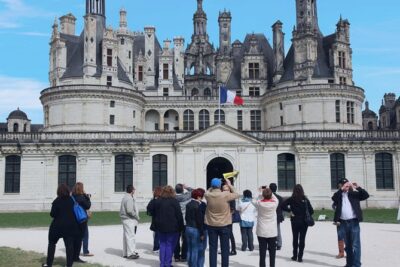
Loire Valley Castles Day Trip from Paris with Complementary Wine
Read our review →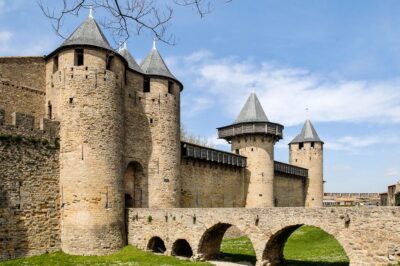
Carcassonne: Castle and Ramparts Entry Ticket
Read our review →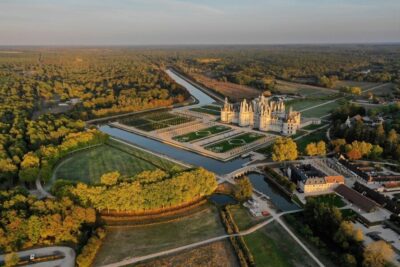
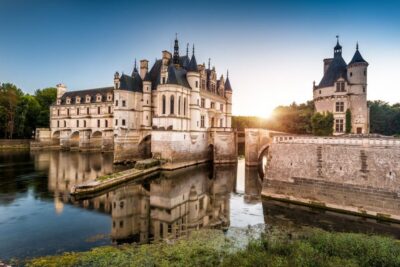

From Paris: Full-Day Loire Valley Chateaux Tour
Read our review →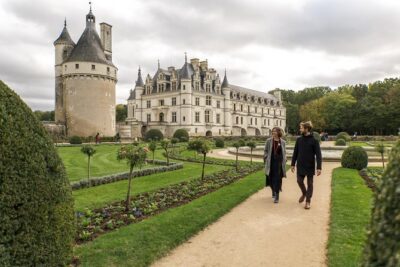
Loire Valley Castles Trip with Chenonceau and Chambord from Paris
Read our review →
Amboise: Clos Lucé Castle, Da Vinci Park and Museum Ticket
Read our review →
Colmar, Medieval Village & Castle Small Group from Strasbourg
Read our review →Browse the lists this tour appears in