
Review · FRANCE
Visite & Dégustation au Château Labrie – Saint-Émilion
A visit to Château Labrie gives you a close look at a very small family wine estate, not a grand commercial winery built for busloads. In about an hour, you’ll hear how the family tends its 1.6 hectares, makes its wine, and ages it before tasting two vintages.
I like the small group limit of four, which should make it easier to ask questions and see the working side of the estate. I also like the low $12 price, especially since it includes both the tour and two wines. The main catch is simple: the entire visit is in French, so you’ll get much more from it if you can follow a French explanation.
Key points
- A 1.6-hectare family estate: Château Labrie offers a personal look at small-scale wine production in Vignonet.
- A practical hour-long format: The visit covers vineyard practices, winemaking, aging, and a tasting without taking over your day.
- Two Château Labrie wines: The tasting closes the visit with two vintages from the estate.
- French-language guiding: This is best for visitors who understand French or are comfortable with a tour they may only partly follow.
- Groups limited to four: The small size suits guests who prefer a quieter, more direct visit.
- Easy-to-miss cellar entrance: Go to 185 Route de Labrie, then use the large gray cellar door, the second house on the left.
A Small Estate With a Personal Point of View
Château Labrie is a 1.6-hectare family wine estate in Vignonet, in the Saint-Émilion area of Nouvelle-Aquitaine. That size matters. You are not looking at an enormous property with a polished visitor center and a long procession of tour groups. You are visiting a family operation where the scale itself helps explain the work behind each bottle.
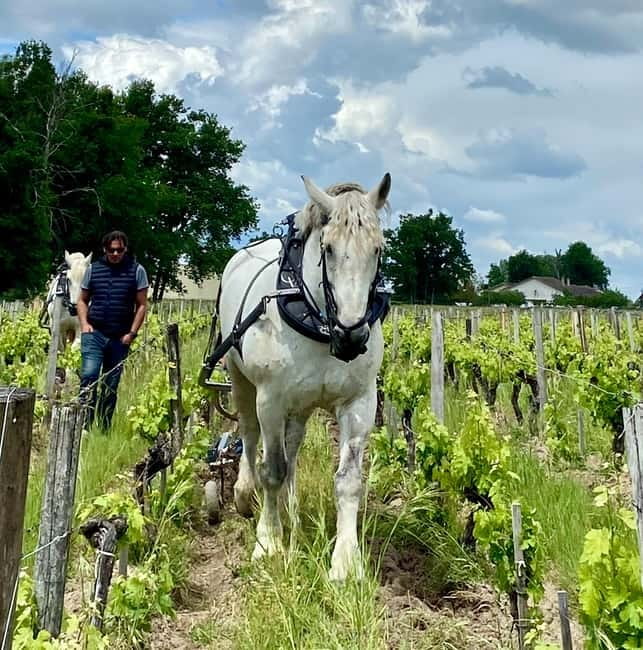
The tour is designed to show you how the estate functions from vineyard to cellar. The family presents its growing practices, winemaking methods, and aging techniques, giving the visit a useful structure rather than treating the tasting as the whole event.
I like this approach because it puts the wine in context. A glass tastes different when you understand that it comes from a small property and that the people welcoming you are connected directly to the estate. You may not learn every technical detail, especially if French is not your language, but the visit still gives you a clearer sense of the labor and decisions behind the wine.
The tour lasts about one hour. That is long enough to cover the main stages of production, but short enough to fit into a day spent exploring Saint-Émilion and nearby villages.
More castles to explore around France:
- Loire Valley Castles Day Trip from Paris with Complementary Wine
★ 4.5 · 3,907 reviews - Carcassonne: Castle and Ramparts Entry Ticket
★ 4.6 · 2,884 reviews - Chambord: Entry Ticket to the Castle
★ 4.6 · 1,841 reviews
What Happens During the One-Hour Visit
The visit begins with an introduction to the estate and its growing practices. The exact order of the stops is not specified, so you should think of this as a guided presentation of the property rather than a fixed museum-style itinerary.
You’ll learn how the family approaches the vineyard, then move into the winemaking side of the operation. The tour also covers aging, an important part of the process that is often easy to overlook when a visit jumps straight to the tasting room.
This sequence is useful because it follows the path of the wine. First comes the vineyard, then the transformation of the grapes, then the time the wine spends aging. The focus is on how Château Labrie works, not on a broad lecture about every wine region in France.
Since the tour is entirely in French, the amount you take away will depend on your language skills. If you speak French, the format should give you room to follow the family’s explanations and ask questions within the small group. If you speak only a little French, you may still recognize the basic stages of production, but you should not expect English interpretation or written translation based on the information provided.
That language point is the main limitation of the visit. It is not a flaw in the estate’s format, but it does affect value. A low-priced tour is only a good deal if you can understand enough of it to enjoy the content.
From Vineyard Work to Cellar Techniques
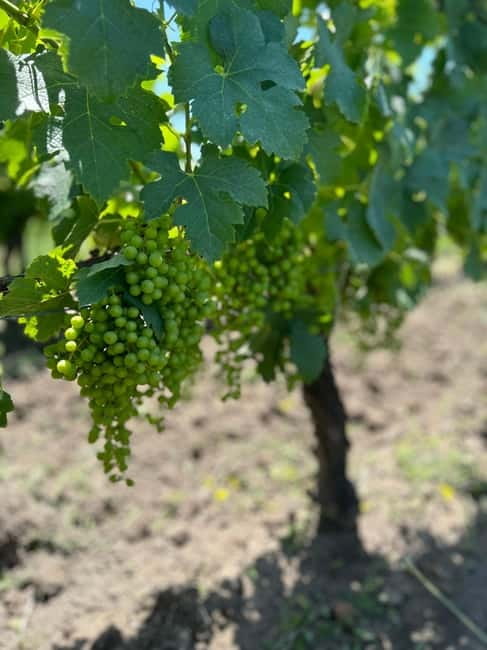
The estate’s growing practices form the first part of the story. You will hear about how the vines are managed on the property, though specific grape varieties, organic certifications, and farming methods are not provided.
That lack of detail is worth noting before you book. If you are looking for a technical study of soil types, pruning systems, or vineyard machinery, you should not assume those topics are included. The confirmed focus is broader: the way the estate grows its grapes and the family’s general approach to production.
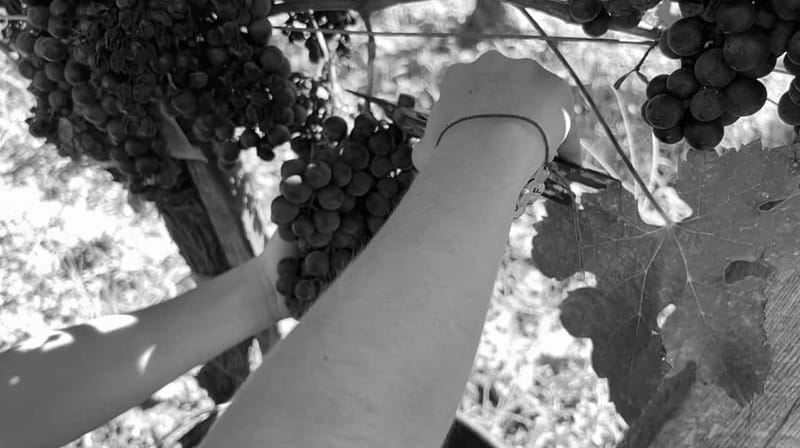
The winemaking portion then explains what happens after the grapes leave the vineyard. Again, the experience is intended to reveal the estate’s methods rather than offer a full professional course. I would treat it as a practical introduction, especially useful if you want to connect a finished wine with the stages that produced it.
Aging completes the production story. This part can help you understand why a wine is not simply made and poured immediately. The visit gives Château Labrie a chance to explain its own aging practices, keeping the subject tied to the wines you will taste later.
This is where the small property becomes especially interesting. At a family estate, the same people may be responsible for several parts of the process. You get a closer look at the choices that shape the final wine, even if the tour remains compact.
The Tasting of Two Château Labrie Wines
The visit ends with a tasting of two Château Labrie vintages. That is a modest tasting, but it fits the one-hour format and the $12 price.
Two wines give you enough room to notice differences without turning the final portion into a long tasting session. You can compare the two offerings from the same estate and connect what you have heard about production and aging with what is in the glass.
The supplied information does not identify the vintages, grape varieties, tasting notes, or serving size. Do not book this expecting a detailed tasting flight or a specific bottle unless the estate confirms those details directly.
Still, the tasting has a clear purpose. It closes the loop between the explanation and the result. You hear about the property, the production, and the aging process, then taste two wines made within that system.
The tone appears to be personal and welcoming. The strongest response associated with the visit describes it as pleasant and fascinating, while another thanks the estate for the visit and the shared moment. That fits the nature of a family-run property: the value is not only in the wine poured, but also in meeting the people who present it.
Same stronghold, another way through the gate:
- From Paris: Loire Valley Castles Day Trip With Wine Tasting
★ 4.6 · 1,727 reviews - Chenonceau Castle Admission Ticket
★ 4.7 · 1,515 reviews - Medoc or Saint Emilion Wine Tasting and Chateau from Bordeaux
★ 5.0 · 1,415 reviews - ★ Walking Tour of Old Nice and Castle Hill
★ 5.0 · 1,318 reviews
Why the $12 Price Makes Sense
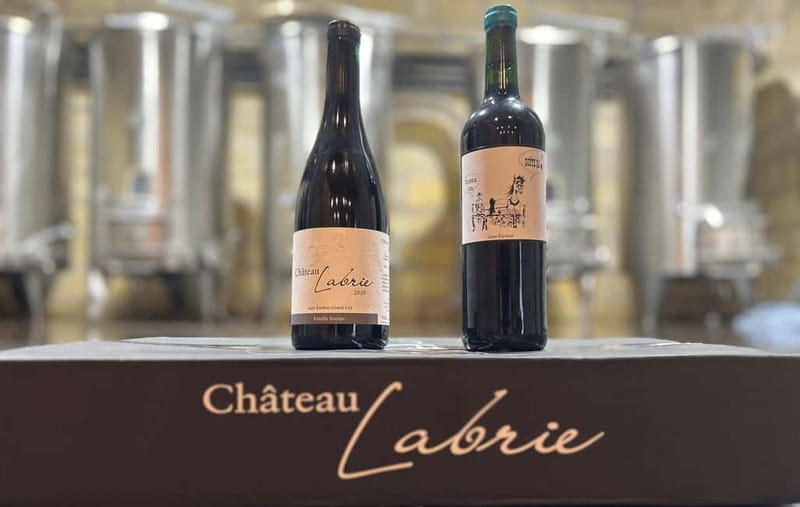
At $12 per person, this is an inexpensive way to add a wine visit to your Saint-Émilion-area plans. The price includes the tour and tasting, so you are not paying an entry fee and then adding a separate charge for the wine.
I see the strongest value in the combination of three things: a small group, a full hour, and two wines. A larger estate may offer more rooms, more equipment, or a longer program, but it may also feel less personal. Château Labrie gives you a shorter, more focused look at one family property.
The price becomes less attractive if you do not understand French. You would still receive the tasting, but the main educational part could be difficult to follow. For a French-speaking visitor, the cost is particularly reasonable. For someone relying on English, it is better viewed as a wine tasting with some visual and contextual interest rather than a fully understood guided tour.
The booking terms also reduce the risk. You can cancel up to 24 hours before the visit for a full refund, and you can reserve now while paying later. Starting times vary, so you need to check availability for your chosen date.
Finding the Cellar Door in Vignonet
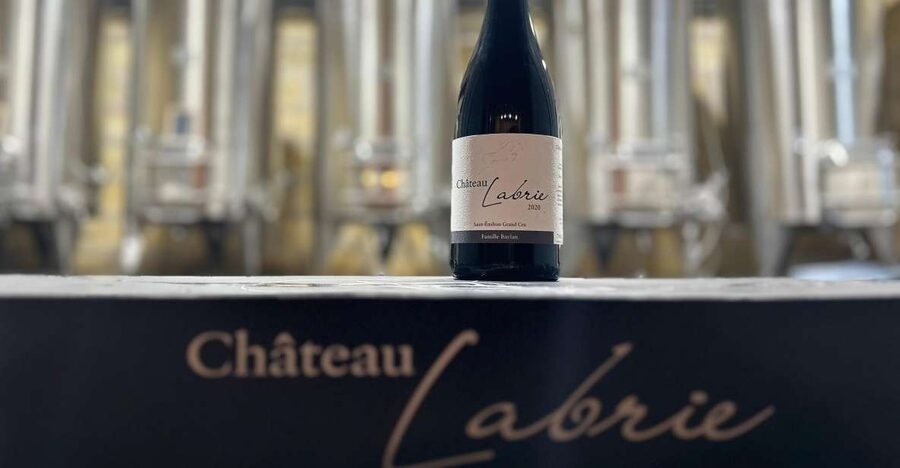
Use the address 185 Route de Labrie, 33330 Vignonet, France. The arrival instructions are specific and worth following carefully.
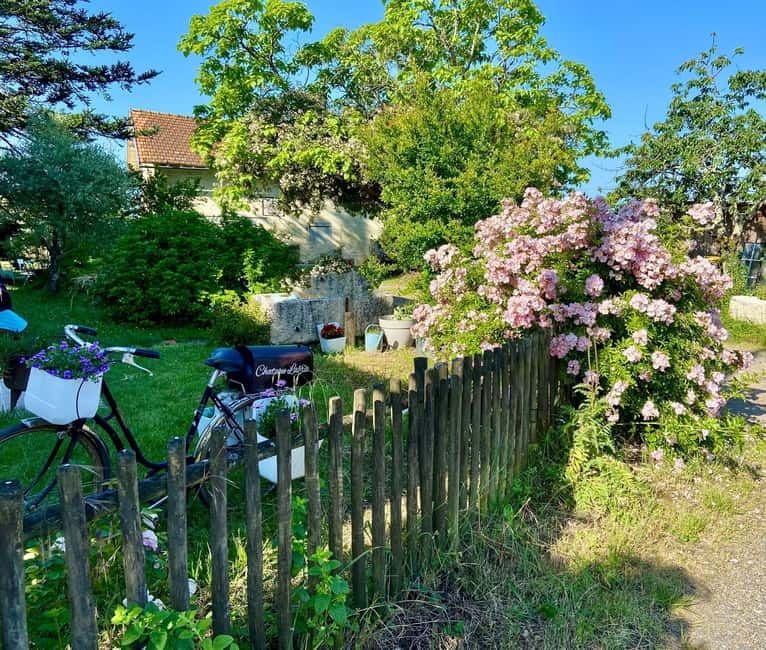
Once you are on Route de Labrie, Château Labrie is the second house on the left. Go to the cellar door, identified as the large gray door. Do not assume the entrance will look like a formal tourist reception area. This is a family estate, and the cellar entrance is the key landmark.
The information provided does not describe public transportation, parking, or transfer arrangements, so you should plan your own way to the address. Check the meeting point before setting out, particularly if you are navigating rural roads or using a taxi.
The property is wheelchair accessible. That is helpful, though the available information does not describe the exact surfaces, restroom setup, or accessibility of every part of the grounds. If you need detailed access information, contact Château Labrie before booking.
Who Will Enjoy Château Labrie Most
I would choose this visit if you want a short, local wine stop with a family estate rather than a large-scale attraction. It suits people who like to understand how a product is made and then taste the finished result.
It is also a good fit for French speakers who want a direct conversation in French. The group limit of four should make the setting calmer and more personal than a standard large-group tour.
Wine beginners can benefit from the simple structure. You do not need advanced knowledge to follow the basic path from vineyard to cellar to glass. The visit gives you a foundation without requiring a full day of study.
I would think twice if you want an English-language guide, a long tasting, detailed notes on several wines, or specific information about grape varieties and vineyard certification. None of those details is confirmed here.
Families and groups should also pay attention to the four-person limit. Since the group is restricted to four participants, a larger party may need to check how the booking can be arranged. The tour is wheelchair accessible, but all guests should confirm any particular mobility needs in advance.
Final Verdict: Book It If French and Small Estates Appeal to You
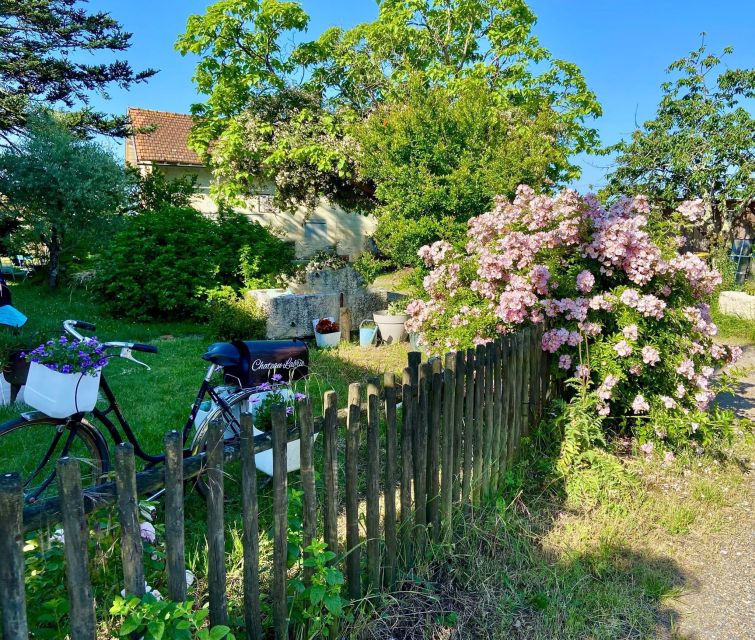
Book Château Labrie if you want an affordable, one-hour introduction to a small family wine estate near Saint-Émilion. The two-wine tasting, direct look at production, and four-person group make it a focused choice at $12.
Skip it if you need English guiding or want a broad, highly technical wine program. For everyone else, this is a sensible add-on to a day in the area, especially when you value a personal setting more than a grand visitor complex.
FAQ
Where is Château Labrie located?
Château Labrie is at 185 Route de Labrie, 33330 Vignonet, France, in Nouvelle-Aquitaine.
How do I find the entrance?
On Route de Labrie, Château Labrie is the second house on the left. Go to the cellar door, which is the large gray door.
How long does the visit last?
The visit lasts approximately one hour.
How many wines are included?
The tasting includes two Château Labrie vintages.
Is the tour offered in English?
No. The live guided tour is entirely in French.
How many people can join the group?
The group is limited to four participants.
Is the property wheelchair accessible?
Yes, Château Labrie is listed as wheelchair accessible.
What does the price include?
The $12 price includes the wine tour and tasting.
Can I cancel my reservation?
Yes. You can cancel up to 24 hours in advance for a full refund. You can also reserve now and pay later.
New castle tours around France
- Pierrefonds: Château de Pierrefonds Entrance Ticket★ 4.7 · 152 reviews
- Paris: Loire Valley Castles Tour with Wine Tasting★ 4.9 · 22 reviews
- PARIS: Private transfer Château Versailles van 7 people 4H★ 3.0 · 4 reviews
- Paris: Château de Vincennes Entry Ticket★ 4.5 · 342 reviews
- Paris to Loire Valley Castles Chambord & Chenonceau -DayTrip★ 4.7 · 2 reviews
- Paris: Loire Valley Castles Tour with Chambord & Chenonceau★ 4.8 · 51 reviews
- Avignon: Full-Day Wine Tour around Châteauneuf-du-Pape★ 4.9 · 83 reviews
- Paris: O Chateau’s Wine Tasting Dinner★ 4.2 · 30 reviews
France Castle Tours, compared.
Loire Valley Castles Day Trip from Paris with Complementary Wine
Read our review →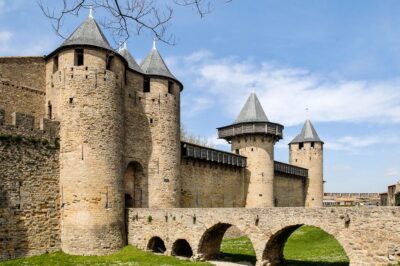
Carcassonne: Castle and Ramparts Entry Ticket
Read our review →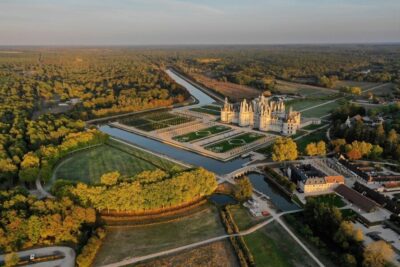


From Paris: Full-Day Loire Valley Chateaux Tour
Read our review →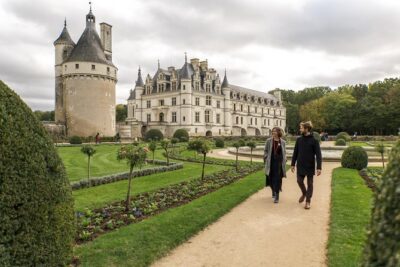
Loire Valley Castles Trip with Chenonceau and Chambord from Paris
Read our review →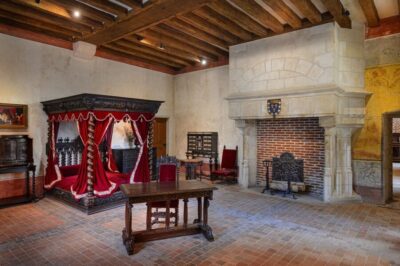
Amboise: Clos Lucé Castle, Da Vinci Park and Museum Ticket
Read our review →
Colmar, Medieval Village & Castle Small Group from Strasbourg
Read our review →Browse the lists this tour appears in