
Review · FRANCE
Château of Azay-le-Rideau Entry Ticket
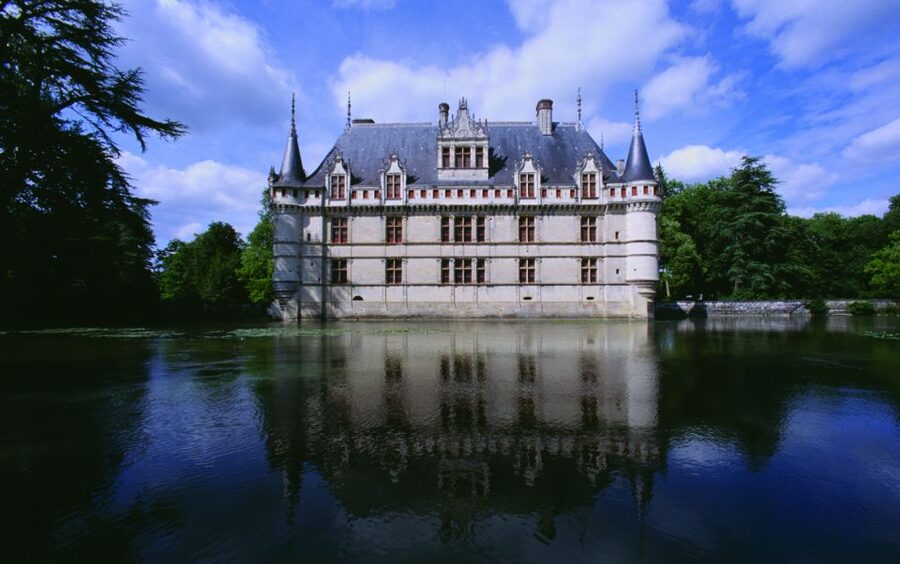
Azay-le-Rideau gives you one of the Loire Valley’s most pleasing château visits: a 16th-century Renaissance palace reflected in the Indre River, with turrets, Gothic touches, and a romantic park. I especially like the beautifully restored living and dining rooms of the Marquis of Biencourt, plus the clever way the château’s island setting makes the building feel lighter than its stone walls suggest.
I also like that the visit is easy to fit into a day of Loire sightseeing. A $15 ticket is fair for the setting, the restoration, and the freedom to explore at your own pace. The main drawback is that the average visit lasts only about 1.5 hours, and some rooms feel more like a museum than a fully staged historic home.
Key points to know before you go
- Island setting: The château rises from the Indre River, with façades and corner turrets reflected in the surrounding water.
- Biencourt interiors: The 19th-century living room and dining room show how Marquis Charles de Biencourt reshaped the château for his own era.
- Restoration work: New displays, a staged kitchen, and an interpretation area add structure to the visit.
- Flexible timing: Your ticket is valid for one day, with the final admission one hour before closing.
- Useful audio guides: Tours are offered in French, while audio guides are available in French, English, German, Italian, and Spanish.
- Simple planning: Allow 1.5 hours, bring photo ID, and leave large bags and baby strollers behind.
Why Azay-le-Rideau is worth your Loire Valley time
Many Loire châteaux are grand in scale. Azay-le-Rideau wins by being intimate and finely placed. Built during the reign of François I, it combines French Gothic details with the Italian Renaissance style that was fashionable in the early 16th century.
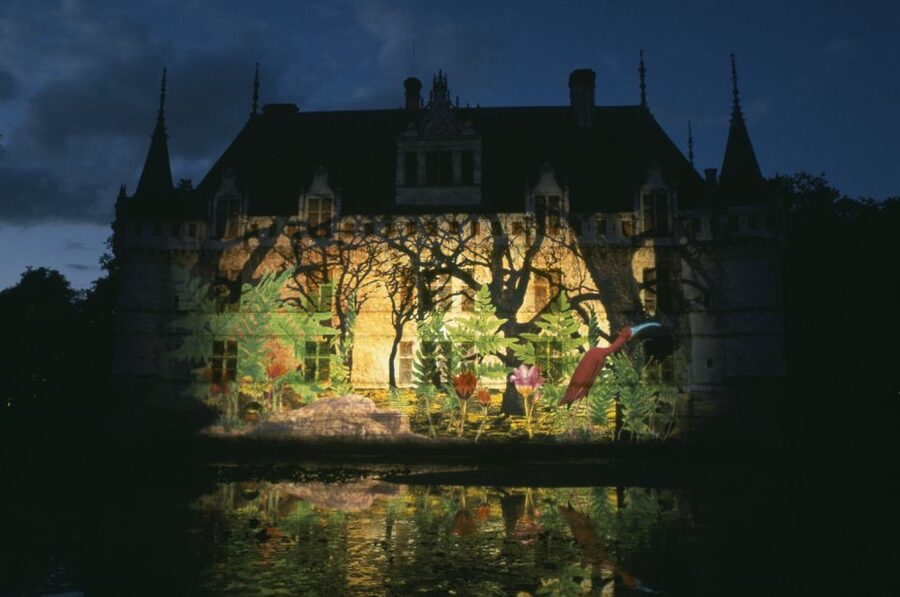
The building sits on an island formed by the Indre River. That setting is the first thing you notice. Water surrounds the château, and the façades look especially graceful from across the park. The pointed roofs, overhanging corner turrets, and decorative stonework give the building a storybook quality without making it feel unreal or oversized.
I find the setting particularly valuable because the visit is not only about rooms and objects. You get a sense of how the château works as a complete place: stone architecture, water, trees, paths, and carefully framed views. It is a good choice if you want a Loire stop that feels manageable rather than exhausting.
The monument is protected by UNESCO, and its architecture rewards a slow look. Pay attention to the mix of Gothic motifs and Renaissance ornamentation. Azay-le-Rideau was built during a period when French nobles were borrowing ideas from Italy, but the older French style did not disappear. The result is a building with both sharp medieval lines and softer Renaissance decoration.
More Castle Entry Tickets in France
- Carcassonne: Castle and Ramparts Entry Ticket
★ 4.6 · 2,884 reviews - Chambord: Entry Ticket to the Castle
★ 4.6 · 1,841 reviews - Chenonceau Castle Admission Ticket
★ 4.7 · 1,515 reviews
Gilles Berthelot and the château’s troubled beginning
The château’s history begins with Gilles Berthelot, who acquired the seigneurie and fortress of Azay in 1510. He began rebuilding the old stronghold in the Italian style, hoping to create a residence that matched his growing wealth and position.
That plan was interrupted by political trouble. Berthelot’s relative Semblança, who had helped him build his wealth in the region, was accused of embezzlement and executed. Berthelot fled, leaving the unfinished project behind.
François I later gave the château to Antoine Rafin, one of his companions-in-arms. Rafin’s descendants kept the property until the 18th century. This changing ownership helps explain why Azay-le-Rideau is not a single-period monument in the simple sense. Its Renaissance core was later adapted, decorated, and interpreted by people with different ideas about what a grand residence should be.
I like knowing this before entering because it gives the rooms some context. You are not just looking at a polished palace. You are seeing a building shaped by ambition, political danger, royal favor, and later restoration.
Entering the château from the romantic park
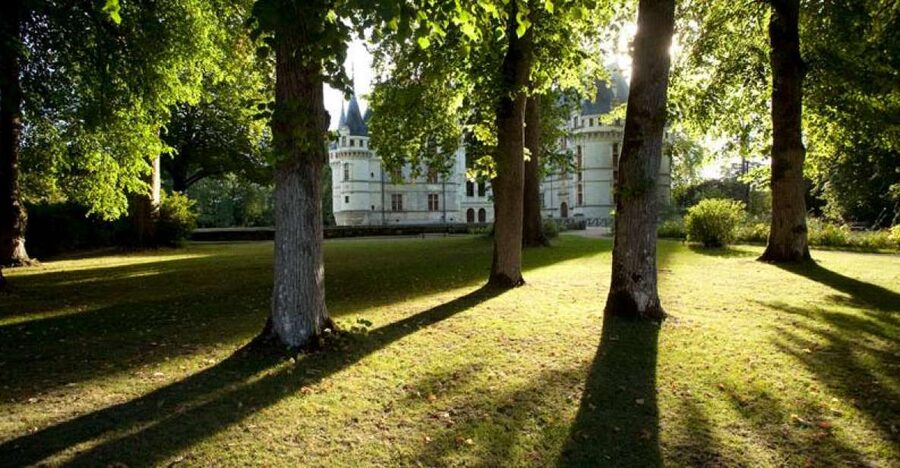
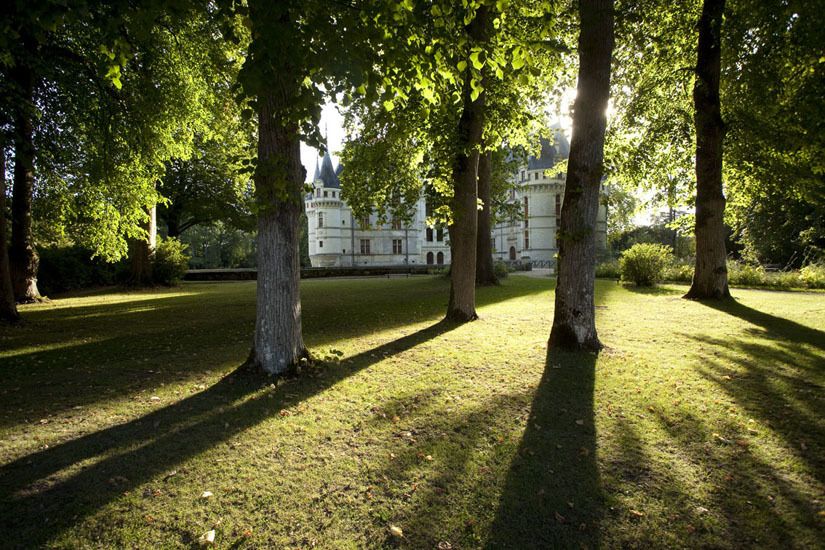
The visit begins with the park, and I suggest taking a few minutes outside before heading indoors. The romantic 19th-century setting was developed under Marquis Charles de Biencourt, who was responsible for the château’s attractive gardens and much of its later character.
The park gives you different angles on the building. From one side, you see the château rising from the water. From another, the turrets and roofline become the main focus. The reflections in the Indre soften the stone and make the structure appear almost theatrical.
This is a good place to take photographs without rushing. Flash photography is not allowed inside, but the outdoor setting gives you plenty of room to enjoy the architecture naturally. If you arrive by bicycle, bicycle storage is included, which is handy in a region where cycling between château towns is popular.
The park is also useful for pacing yourself. The interior visit is fairly compact, so the grounds give you extra time without requiring a long walk through a huge estate. I would plan to see the exterior at both the beginning and end of your visit. The building can look different depending on where you stand.
The Renaissance architecture and royal apartment
Inside, look for the details that connect Azay-le-Rideau to the reign of François I. The château has Gothic motifs, Renaissance ornamentation, and façades facing the water. The overhanging corner turrets are among its most memorable features, giving the building a vertical, elegant profile.
The royal apartment used by Louis XIII in 1619 adds a direct link to the French monarchy. It is a small but useful detail for understanding the château’s importance. This was not only a private country home. Its royal associations helped give it lasting status.
The building does not present itself like a giant ceremonial palace. That can be a strength. You can focus on craftsmanship, room arrangements, and decorative touches instead of trying to cover dozens of grand halls in one afternoon.
I recommend looking up as you move through the rooms. Rooflines, corner structures, and decorative stone details are central to Azay-le-Rideau’s character, and some of the best architectural clues are easy to miss if you concentrate only on furniture.
More Loire chateaux to visit around France:
- Loire Valley Castles Day Trip from Paris with Complementary Wine
★ 4.5 · 3,907 reviews - From Paris: Loire Valley Castles Day Trip With Wine Tasting
★ 4.6 · 1,727 reviews - From Paris: Full-Day Loire Valley Chateaux Tour
★ 4.4 · 1,269 reviews - Loire Valley Castles Trip with Chenonceau and Chambord from Paris
★ 4.0 · 901 reviews
The Biencourt living room and dining room
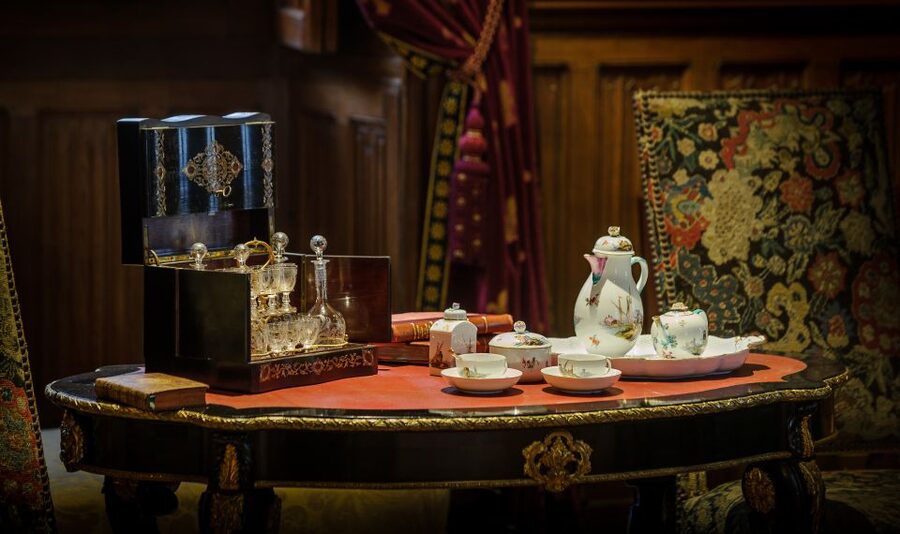
The 19th-century living room and dining room of the Marquis of Biencourt are essential stops. They show how the château was presented and used long after its Renaissance construction.
These rooms are not frozen scenes from the early 1500s. They reflect the taste and lifestyle of the Biencourt period, with historic decoration used to create an elegant domestic setting. That distinction matters. If you expect every room to recreate daily life from François I’s time, you may find the interiors less satisfying.
I appreciate these rooms because they reveal the château’s later life. A building survives by being used, altered, and maintained. The Biencourt interiors show that Azay-le-Rideau was not simply an old shell admired from outside. It was a residence with a real 19th-century identity.
At the same time, the presentation is lighter on full period scenes than some major Loire properties. You will find furnishings and decorative displays, but not every room is packed with lifelike figures or elaborate reenactments. One recent assessment described the interior as feeling more like a museum than a heavily staged historic home. I think that is a fair warning for visitors who prefer dramatic room recreations.
The kitchen and new interpretation area
The atmospheric kitchen adds a more practical side to the visit. Grand rooms tell you how a family wanted to be seen. A kitchen suggests the work needed to support that lifestyle.
The kitchen staging gives the tour a useful change of pace. It helps connect the polished dining room with the unseen preparation behind it. I would not expect a full working demonstration, but the setting adds texture to the house tour.
The new interpretation area also helps organize the story. It gives you a place to connect the architecture, the owners, the restoration, and the château’s changing role over time. This is especially useful if you arrive without a guide or have not read about Azay-le-Rideau beforehand.
The restoration programme is a major part of the current experience. New highlighted collections, updated displays, and the planned route through the rooms make the visit easier to follow. The restoration does not erase the building’s age. Instead, it helps you see how the property has been repaired and presented for modern audiences.
How to plan the 1.5-hour visit
The average visit takes about 1.5 hours. That is enough time for the main interior route and a look around the park, but I would add time if you want unhurried photographs or prefer to read every display.
A practical order looks like this:
- Start outside and view the château from the park.
- Enter the château and follow the restored interior route.
- Spend extra time in the Biencourt living room and dining room.
- Look for the royal apartment associated with Louis XIII.
- Visit the staged kitchen and interpretation area.
- Return to the park for more views across the Indre River.
The ticket is valid for one day, not for a fixed timed slot. That gives you room to build the château into a wider Loire itinerary. Check the available starting times when planning, since the general activity information asks you to confirm availability.
Last entry is one hour before closing. Do not arrive at the last minute. A 1.5-hour average visit is not compatible with arriving just before the doors close.
What the $15 ticket includes
At $15 per person, the ticket offers good value if you care about architecture, restoration, and a compact historic visit. The price covers entry to the château, the restored rooms, the park, and the current interpretation displays. Bicycle storage is included as well.
The value is strongest for people who want one beautiful château stop without spending half a day inside. Azay-le-Rideau gives you a complete experience in a relatively short visit: a striking exterior, a coherent interior route, historical context, and landscaped grounds.
The value is less obvious if your main goal is a large collection of furniture, dramatic state rooms, or extensive period staging. This is a refined and fairly focused visit. You are paying for the setting and architectural quality as much as for the number of rooms.
Tea rooms operate from April 1 through September 30. That seasonal schedule can make the visit more pleasant in warmer months, but you should not count on tea service from October through March.
French tours and multilingual audio guides
Guided tours are in French. If you understand French, a guide can add useful commentary to the rooms and history. A recent visit also included a guided, commented portion of the château within the entry price, though the exact format may depend on the day.
For English speakers, the audio guide is the safer choice. Audio guides are available in French, English, German, Italian, and Spanish. I would choose the audio guide if you want the story explained clearly without depending on the schedule of a French-language tour.
The audio option is particularly useful for sorting out the different periods represented here. You can learn about the Berthelot project, the Rafin family, the Biencourt interiors, Louis XIII’s connection, and the restoration without treating the château as a single frozen moment.
No individual guide names are provided for this experience, so you should not book expecting a named personal guide. The main choice is between the French guided format and the multilingual audio option.
Practical rules that can change your visit
Bring a passport or photo ID. Visitors under 18 and European Union citizens under 26 can enter free, but you must show photo identification at the ticketing station before going to the monument entrance.
Large bags and luggage are not allowed. Baby strollers are also not allowed inside, so families with very young children should plan around that rule. Flash photography is prohibited.
The château is wheelchair accessible, and adapted tours are available for disabled visitors. This is useful, but the supplied details do not specify every route or facility, so you should confirm the exact arrangements if you need a particular accommodation.
The monument closes on January 1, May 1, and December 25. Free admission is also offered on the first Sunday of January, February, March, November, and December, as well as during European Heritage Days on the third weekend of September each year.
The activity is non-refundable, so check your date carefully before buying. A small-group designation of up to 10 participants is given, although the visit itself is primarily an entry experience rather than a full private tour.
Who will enjoy Azay-le-Rideau most
I would recommend this château to anyone who values fine architecture, attractive grounds, and a visit that can be completed without a full day. It suits couples, families with older children, photographers, cyclists, and anyone building a route through the Loire Valley.
It is also a good pick if you have already seen a huge royal palace and want something calmer. The island setting gives it a strong sense of place, while the Biencourt rooms offer a glimpse of later domestic life.
I would be more cautious if your priority is an intensely staged historical experience. Some rooms are presented as collections and museum displays rather than theatrical reconstructions. The compact size is convenient, but it also means you will not get the long sequence of grand halls found at the largest Loire properties.
Should you book the Azay-le-Rideau ticket?
Book it if you want a beautiful Renaissance château, a memorable water setting, and a well-restored visit that fits neatly into about 1.5 hours. The $15 price is reasonable, especially if you use the English audio guide and take time in the park.
Think twice only if you need extensive period staging or dislike museum-style interpretation. For most Loire Valley itineraries, Azay-le-Rideau earns its place through its architecture, romantic setting, and manageable size. Bring photo ID, leave the large bag in your accommodation, and arrive early enough to enjoy both the château and the river views.
FAQ
How long does a visit to Château d’Azay-le-Rideau take?
The average visit lasts about 1.5 hours. You may need extra time if you want to explore the park slowly or use the audio guide in detail.
Is the ticket valid for the whole day?
Yes. The ticket is valid for one day, but you should check availability for starting times. Last entry is one hour before closing.
Are audio guides available in English?
Yes. Audio guides are available in French, English, German, Italian, and Spanish. Guided tours are in French.
Is Château d’Azay-le-Rideau wheelchair accessible?
Yes. The château is wheelchair accessible, and adapted tours are available for disabled visitors.
Can I bring a stroller or large bag?
No. Baby strollers, luggage, and large bags are not allowed.
Who can enter for free?
Visitors under 18 and European Union citizens under 26 can enter free with photo ID. Free admission is also offered on the first Sunday of January, February, March, November, and December, plus European Heritage Days on the third weekend of September.
When is the château closed?
It is closed on January 1, May 1, and December 25. The tea rooms are open from April 1 through September 30.
New castle tours around France
- Pierrefonds: Château de Pierrefonds Entrance Ticket★ 4.7 · 152 reviews
- Paris: Loire Valley Castles Tour with Wine Tasting★ 4.9 · 22 reviews
- PARIS: Private transfer Château Versailles van 7 people 4H★ 3.0 · 4 reviews
- Paris: Château de Vincennes Entry Ticket★ 4.5 · 342 reviews
- Paris to Loire Valley Castles Chambord & Chenonceau -DayTrip★ 4.7 · 2 reviews
- Paris: Loire Valley Castles Tour with Chambord & Chenonceau★ 4.8 · 51 reviews
- Avignon: Full-Day Wine Tour around Châteauneuf-du-Pape★ 4.9 · 83 reviews
- Paris: O Chateau’s Wine Tasting Dinner★ 4.2 · 30 reviews
Loire Valley Chateaux, compared.
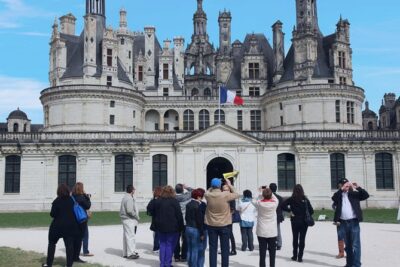
Loire Valley Castles Day Trip from Paris with Complementary Wine
Read our review →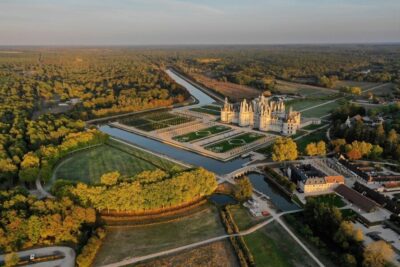


From Paris: Full-Day Loire Valley Chateaux Tour
Read our review →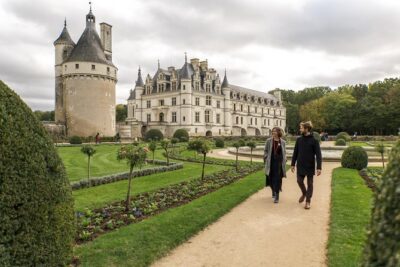
Loire Valley Castles Trip with Chenonceau and Chambord from Paris
Read our review →
Amboise: Clos Lucé Castle, Da Vinci Park and Museum Ticket
Read our review →
Loire Valley Wine and Castles Small-Group Day Trip from Paris
Read our review →
Loire Valley: Château Royal d’Amboise Entrance Ticket
Read our review →Browse the lists this tour appears in