
Review · Castles worldwide
Cartagena City Tour with San Felipe Castle & Old Town Walk
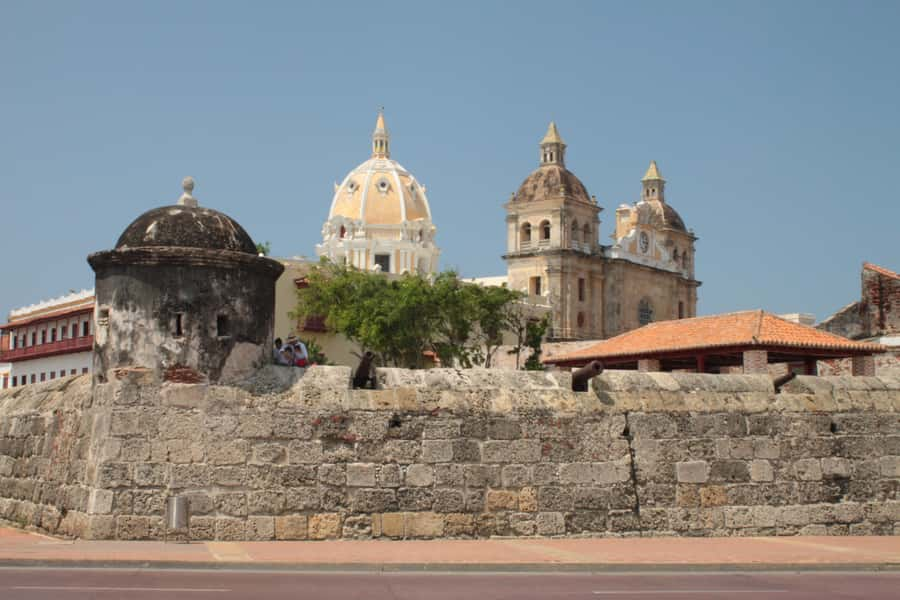
Cartagena’s story comes alive fastest at San Felipe Castle, where sloping walls, dark tunnels, and hilltop battlements show how Spain guarded its Caribbean prize. From there, this four-hour private tour moves into the walled city, then on to Getsemaní, giving you a useful first look at Cartagena’s past and present without spending a full day on the road.
I like the way the tour pairs the fortress with a guided Old Town walk, rather than treating Cartagena as a string of pretty facades. I also like the route through Plaza de la Aduana and San Pedro Claver Square, where your guide can address the city’s colonial trade, religious traditions, and modern street life.
The main tradeoff is time. Four hours is enough for an excellent introduction, but not enough to tour every important interior. One past assessment suggested adding two hours for places such as the cathedral, Inquisition Museum, Santo Domingo Church, and more time inside San Pedro Claver. Plan to return on your own if you want a slower look.
Key points at a glance
- San Felipe Castle comes first: Explore Cartagena’s largest Spanish fortress, including its tunnels, walls, and defensive design.
- A private bilingual guide leads the route: Choose English or Spanish, and use the guide to connect monuments with local stories.
- The Old Town walk covers major landmarks: See the Clock Tower, Plaza de la Aduana, San Pedro Claver Square, and Plaza de Bolívar.
- The route includes difficult colonial subjects: Plaza de la Aduana offers a chance to discuss the forced trade in enslaved Africans.
- Getsemaní gives the tour a modern finish: Expect murals, flowers, music, and street life after the formal colonial center.
- Transport is limited to the early part: Hotel pickup and an air-conditioned vehicle are provided for the first section, followed by walking.
Starting at San Felipe Castle
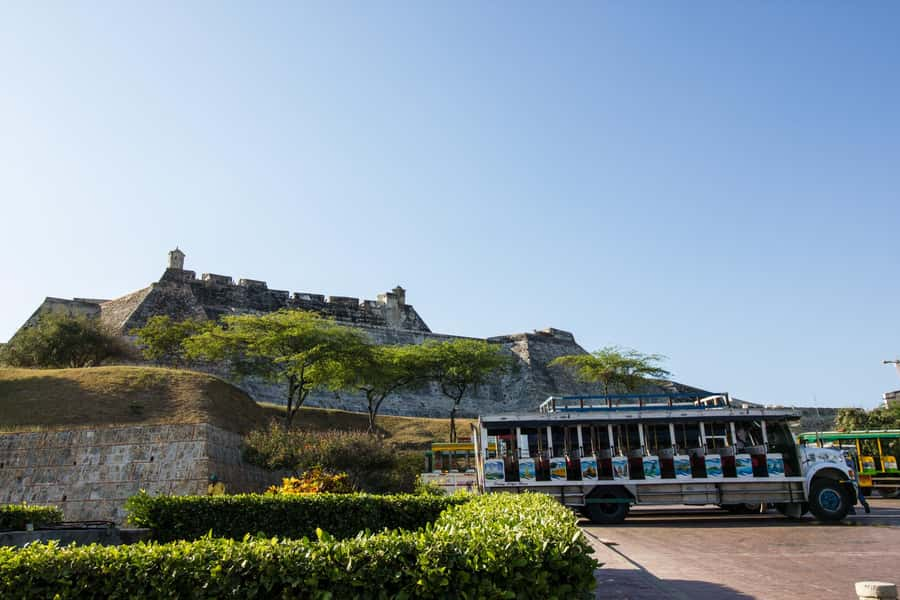
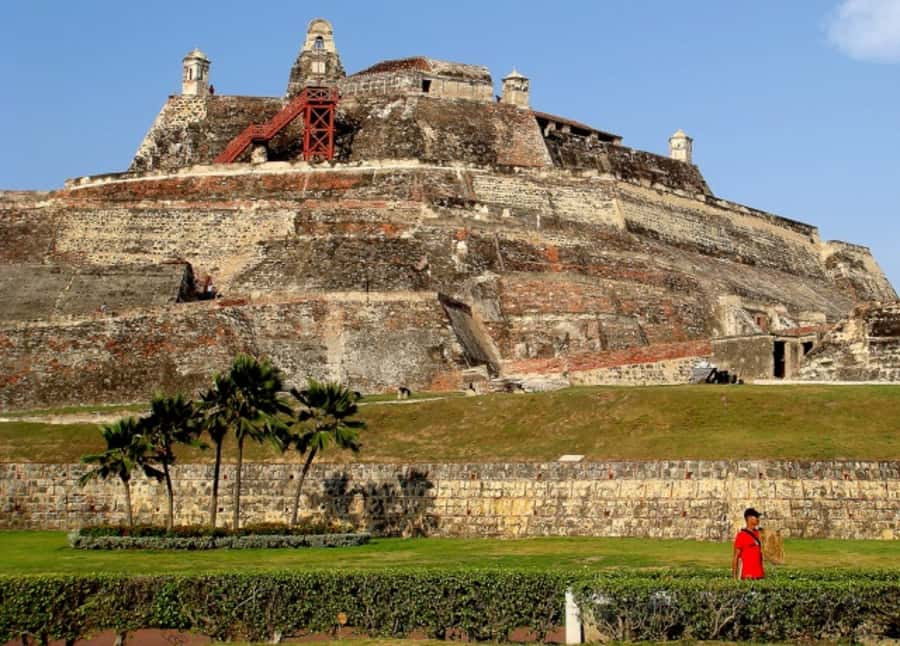
San Felipe de Barajas is the right place to begin because it gives you a physical sense of Cartagena’s defenses before you enter the city streets. The fortress sits on a hill beside the historic center, and its size makes clear why controlling this point mattered to the Spanish.
Your guide takes you through the castle’s tunnels and battlements, explaining how the fortress worked as a military machine. The tunnels are among the most memorable parts of the visit. They turn abstract military history into something you can feel in the tight passages, where sound, movement, and visibility mattered.
The castle also makes a good first stop because it is not simply an old wall with a view. Its sloped construction, layered defenses, and position above the bay show the practical thinking behind colonial fortifications. You’ll hear about battles and conquests, but the architecture does much of the explaining.
Wear shoes with a firm sole. Comfortable footwear is listed as essential, and that advice matters here. A fortress visit involves uneven walking and movement through enclosed passages, followed by a longer city walk in Cartagena’s heat.
The air-conditioned vehicle is available for this first part of the tour, which is useful before you begin walking through the Old Town. Once the city portion starts, expect the tour to rely mainly on your feet.
More Medieval Old Town Tours in the world:
- Bucharest: Dracula’s Castle, Peles Castle, & Brasov Old Town
★ 4.5 · 17,858 reviews - Bucharest: Dracula Castle, Peles Castle & Brasov Old Town
★ 4.6 · 10,891 reviews - Prague: 3-Hour Walking Tour of Old Town & Prague Castle
★ 4.7 · 5,696 reviews
Passing through the Clock Tower into the walled city
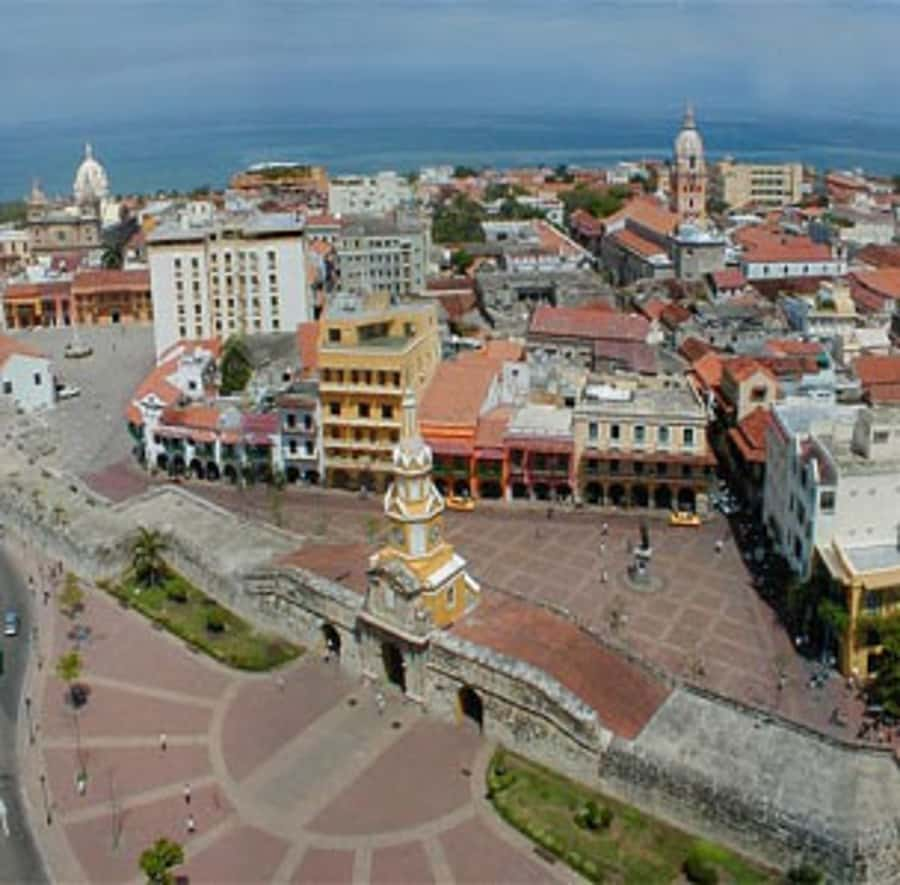
The Clock Tower, or Torre del Reloj, marks the grand entrance to Cartagena’s historic center. Passing through it gives the route a clear change of mood: the fortress is defensive and monumental, while the streets beyond are built for trade, worship, public life, and daily movement.
Your guide helps you read the Old Town rather than simply photograph it. Cartagena’s colored walls and balconies are attractive on their own, but the better experience comes from understanding what each square and building was used for.
The walking route includes several of the city’s best-known public spaces. You will not need to guess where to go or spend your limited time checking a map. That is especially useful on a first visit, when the lanes and plazas can feel confusing despite the compact size of the center.
The Clock Tower is also where the tour later exits toward Centenario Park. That gives the day a pleasing shape: you enter through the historic gateway, walk through the core of the old city, then return to the same area before moving toward Getsemaní.
Plaza de la Aduana and Cartagena’s harder history
Plaza de la Aduana is one of the most important stops for understanding Cartagena’s colonial economy. It was once a major site in the trade of enslaved Africans, a fact that should not be softened by the square’s handsome colonial setting.
A local guide adds real value here. You can ask questions about the people, systems, and power that shaped the city, rather than receiving only a quick date and a name. This is one of the points where a private format helps, since the pace can respond to your interests and the conversation does not need to suit a large group.
The square also shows how public spaces can carry several layers of meaning. Today it is part of a sightseeing walk, but its earlier role connects Cartagena’s architecture to forced migration, commerce, and Spanish colonial rule. That context makes the rest of the Old Town easier to read.
If you want a tour focused only on colorful streets and pleasant photographs, this stop may feel more serious than expected. That is a strength, not a flaw, but you should know the route addresses painful parts of Cartagena’s past.
San Pedro Claver Church and a useful pause
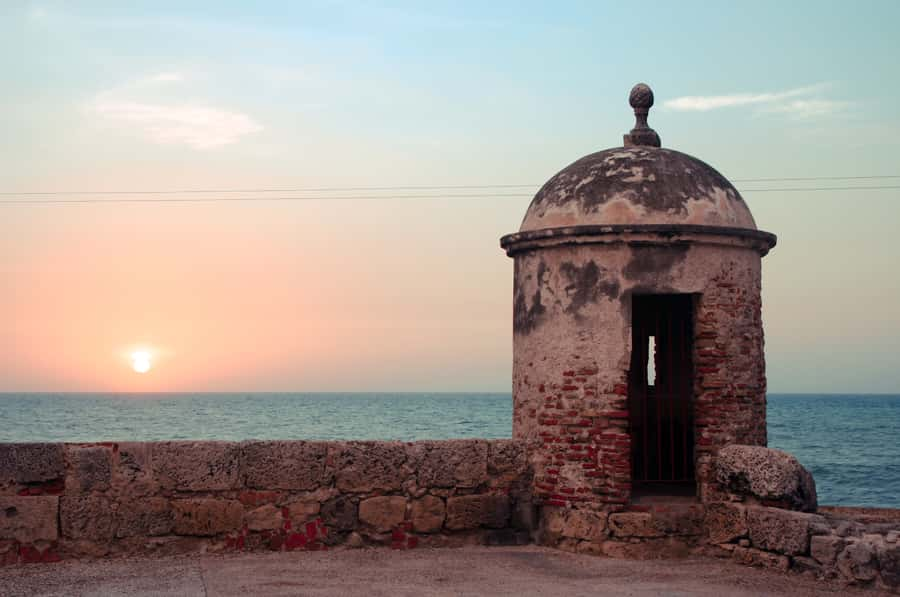
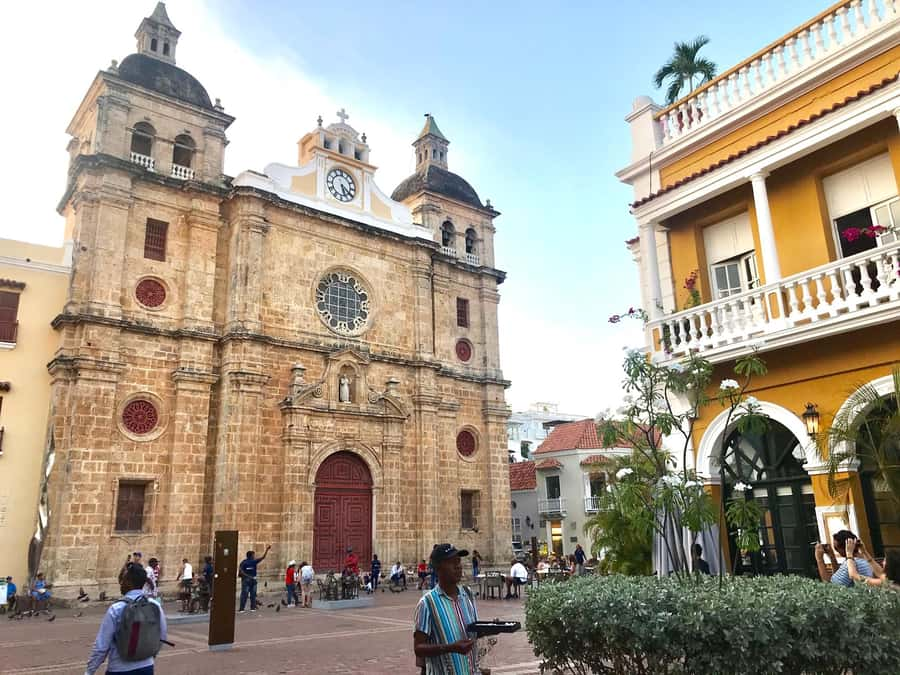
The route continues to San Pedro Claver Square and the church dedicated to San Pedro Claver, a figure associated with the defense of human rights. The church’s facade is one of the Old Town’s striking sights, and admission is included.
This is also where the tour allows a small pause for a fresh juice or Colombian coffee. In Cartagena’s tropical climate, that break is practical as well as pleasant. You can cool down, take in the square, and let the guide’s earlier explanations settle before continuing.
The church stop works best if you care about more than exterior views. The admission gives you the chance to enter, though four hours still puts a limit on how long you can linger. If you want to study every detail inside, you may need to return later.
The route does not include every church in the old city. That is worth noting because one past assessment specifically wished for more time at the cathedral, Santo Domingo Church, and additional historic interiors. Think of San Pedro Claver as a focused stop, not a complete religious architecture tour.
More Castle Walking Tours in the world:
- Edinburgh Castle: Guided Walking Tour with Entry Ticket
★ 4.7 · 11,699 reviews - Edinburgh Castle: Guided Walking Tour with Entry Ticket
★ 5.0 · 5,540 reviews - Edinburgh Castle Guided Walking Tour in English
★ 5.0 · 5,214 reviews - Budapest: Buda Castle Walk with Saint Stephen’s Hall
★ 4.5 · 3,012 reviews
Plaza de Bolívar and the quieter center
Plaza de Bolívar offers a calmer section of the walk. It is surrounded by colonial buildings and carries the formal atmosphere of Cartagena’s civic center, but it also gives you a chance to slow down after the more crowded entrance streets.
Your guide can help distinguish the square’s visual charm from its historical importance. Cartagena’s public plazas are not just decorative spaces. They were settings for government, religion, commerce, and social life, and their buildings reflect that mix.
This is a good point to ask questions. Since the group is private, you are not limited to a fixed commentary designed for strangers. You can ask about a particular building, the city’s colonial period, or how the Old Town connects with present-day Cartagena.
The tour’s strength here is orientation. After the castle and the first plazas, you begin to understand how the walled city is arranged. You may not leave knowing every street, but you should know which areas deserve a second walk.
Centenario Park and the city’s unexpected wildlife
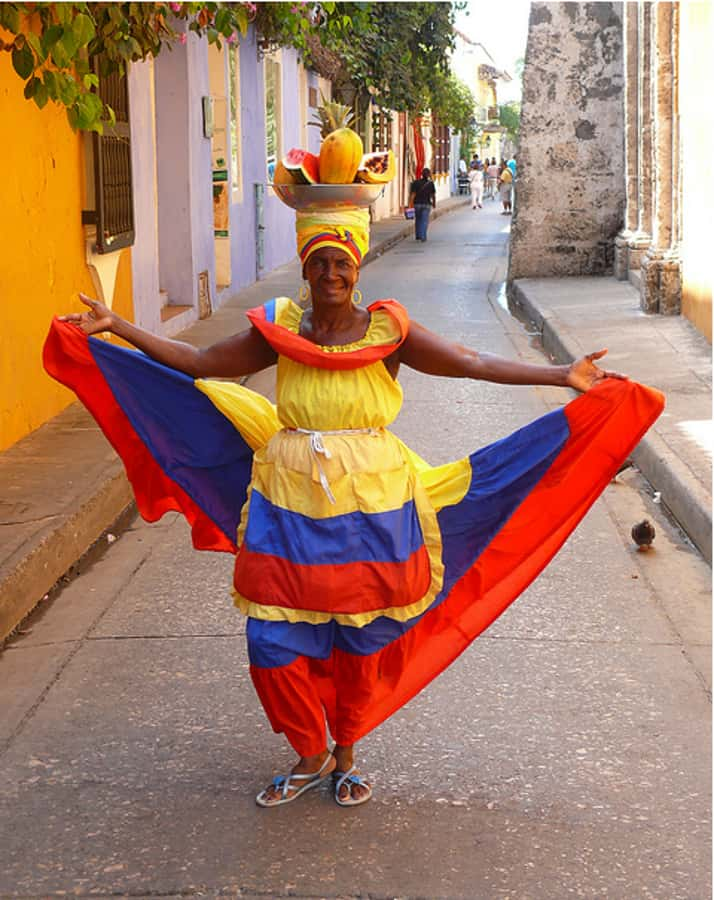
After leaving the walled center through the Clock Tower, the route reaches Centenario Park. This urban park is a surprising change from the stone streets and formal squares.
Sloths, monkeys, and iguanas roam freely in the park, creating one of the tour’s most unusual moments. You are still close to the historic center, yet the surroundings feel less formal and more connected to Cartagena’s tropical setting.
Do not treat this as a guaranteed wildlife viewing session with a schedule. The animals roam freely, so what you see and how long you see it can vary. The appeal is the contrast: a city tour suddenly includes the chance to notice wildlife in the middle of town.
Centenario Park also gives the route a welcome change in pace. The castle requires attention to military design, the Old Town focuses on buildings and history, and the park offers a looser public space before the final neighborhood walk.
Finishing in Getsemaní
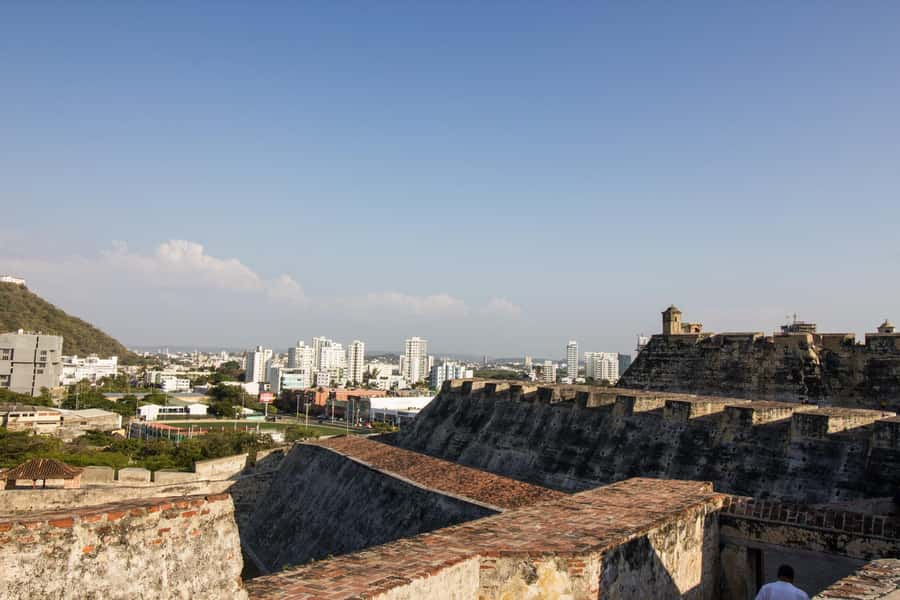
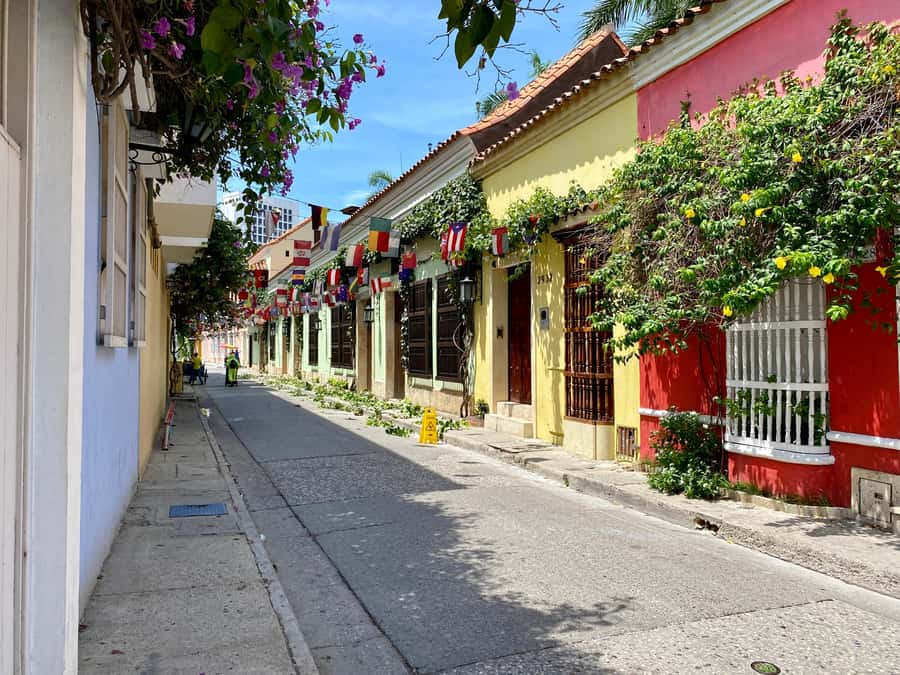
The final stop is Getsemaní, one of Cartagena’s most colorful neighborhoods. Here, the visual language changes again. You’ll see murals, flower-filled balconies, music, and street activity that feel more informal than the grand plazas inside the walls.
Getsemaní is valuable because it keeps the tour from presenting Cartagena as a preserved colonial display. The neighborhood brings in the city’s present-day character, with art, local movement, and public life layered onto older streets.
The finish also gives you a useful comparison. Inside the walls, the focus is on fortifications, churches, colonial squares, and the city’s official past. In Getsemaní, you see a more expressive side of Cartagena, where walls and balconies become part of the neighborhood’s identity.
You may find this section especially appealing if you want photographs and street scenes. It is also a good reason not to judge Cartagena only by the formal Old Town. The two areas feel different, and the contrast is part of what makes the route worthwhile.
What the private format changes
This is a private group tour, not a large scheduled walk. That affects the experience in practical ways. You can ask for clarification, spend a little longer at a stop, or keep moving if the heat becomes uncomfortable, subject to the guide’s schedule.
The bilingual guide speaks English or Spanish. A local guide is particularly useful in Cartagena because the history involves several overlapping themes: Spanish military power, colonial trade, religion, forced migration, independence, and the city’s current cultural life.
The guide is the key part of the experience. The fortress and plazas can be visited independently, but the guide connects them. The strongest feedback about this experience focused on the guide’s ability to answer questions and explain Cartagena and Colombia with experience and confidence.
No guide name is supplied, so you cannot request a particular person in advance based on the information available. You can, however, confirm your preferred language when booking and provide any information requested at least 48 hours before the tour.
Price, inclusions, and what $131 buys you
At $131 per person, this is not a bargain-priced orientation walk. Its value depends on how much you want built into a short private visit.
The price includes hotel pickup from most centrally located Cartagena hotels, an air-conditioned vehicle for the first section, snacks, admission to San Felipe Castle, admission to San Pedro Claver Church, and a bilingual local guide. Lunch is not included.
For a first visit, the private guide and included admissions do a lot of the practical work. You do not need to arrange separate tickets for the castle and church, and hotel pickup removes some of the early transport hassle. The experience is more expensive than joining a basic group walk, but the private format gives you more room for questions and personal pacing.
The four-hour length is both an advantage and a limit. It fits well into a cruise stop, a free morning, or the first day of a short stay. It is not long enough for a complete survey of Cartagena’s interiors. If the cathedral, Inquisition Museum, Santo Domingo Church, and extended church visits matter to you, budget extra time on another day.
Hotels in the Manzanillo area may require an additional fee. Confirm that cost before booking if your accommodation is there. Oversize luggage is not allowed, so bring only what you need for the walk.
Heat, clothing, and practical preparation
Cartagena is tropical, and this tour includes a substantial amount of walking after the vehicle portion. Bring comfortable shoes, sunglasses, a sun hat, sunscreen, and your passport or ID card.
The snacks and refreshment pause help, but they do not replace lunch. Eat before the tour or plan a meal afterward, since lunch is not included.
Keep your belongings manageable. Oversize luggage is not allowed, and a smaller bag is more sensible for moving through the fortress, streets, plazas, and park.
Hotel pickup is available from most centrally located Cartagena hotels. You must provide accommodation details when booking, and the reservation should be confirmed with any extra information at least 48 hours ahead.
You can cancel up to 24 hours before the start for a full refund. The reserve-now, pay-later option also helps if your schedule is still shifting.
Who should book this Cartagena tour?
I would choose this tour if you want a strong first orientation with history, architecture, and neighborhood life in one morning or afternoon. It suits first-time visitors, couples, families who prefer a private guide, and anyone who wants a bilingual experience without joining a large group.
It is also a good fit if San Felipe Castle is high on your list. The fortress is not an optional photo stop here. It receives the attention it deserves before the route moves into the city.
I would hesitate if you want a slow museum day or detailed access to many interiors. The route covers a lot in four hours, but its breadth comes at the expense of lingering. Independent explorers who enjoy setting their own pace may prefer separate visits to the castle, churches, plazas, and Getsemaní.
Should you book it?
Book this tour if you want Cartagena’s main historical areas explained by a private bilingual guide, with castle admission, church admission, hotel pickup, and a short taste of Getsemaní included. The guide’s ability to answer questions is likely to be the most valuable part of the day.
Skip it if you already know the Old Town well or want a long, detailed visit to museums and church interiors. For everyone else, $131 buys a well-planned introduction, not a complete education. Use it to get your bearings, then return to the places that deserve more time.
FAQ
How long does the Cartagena City Tour last?
The tour lasts four hours.
What is the price?
The listed price is $131 per person.
Is the tour private?
Yes. The tour is offered for a private group.
Which languages are available?
The live guide is available in English and Spanish.
Is hotel pickup included?
Yes. Pickup is available from most centrally located Cartagena hotels. You need to provide your accommodation details when booking.
Is there an extra charge for Manzanillo hotels?
Hotels in the Manzanillo area may incur an additional fee. Contact the provider for details.
What admissions are included?
Admission to San Felipe Castle and San Pedro Claver Church is included.
Is transportation provided throughout the tour?
An air-conditioned vehicle is available for the first part of the tour. The later Old Town, park, and Getsemaní sections are walking portions.
Is lunch included?
No. Snacks are included, but lunch is not.
What should I bring?
Bring your passport or ID card, comfortable shoes, sunglasses, a sun hat, and sunscreen. Oversize luggage is not allowed.
New castle tours around the world
- From Prague: Karlštejn Castle & Koněprusy Caves Tour★ 4.9 · 183 reviews
- Prague: 2.5-Hour Vyšehrad Castle with Gorlice & Tickets★ 4.5 · 118 reviews
- Prague: Alchemy & Mysteries Bridge and Castle Evening Tour★ 5.0 · 8 reviews
- Prague Castle: 1-Hour Introduction Tour with Entry Ticket★ 4.2 · 41 reviews
- Potsdam: The evening Wannsee tour. Castles, parks, and villas.★ 4.7 · 63 reviews
- Prague: Stunning Viewpoints, Castle, City & Park Bike Tour★ 4.6 · 38 reviews
- Prague: River & Park Bike Tour to Troja Chateau★ 5.0 · 8 reviews
- Ljubljana: Postojna cave & Predjama castle small group tour★ 4.9 · 29 reviews
Medieval Old Town Tours, compared.
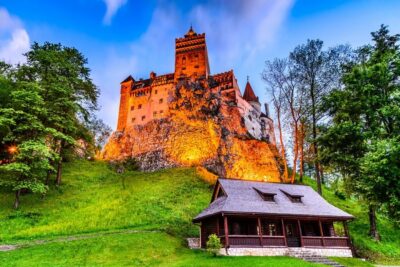
Bucharest: Dracula’s Castle, Peles Castle, & Brasov Old Town
Read our review →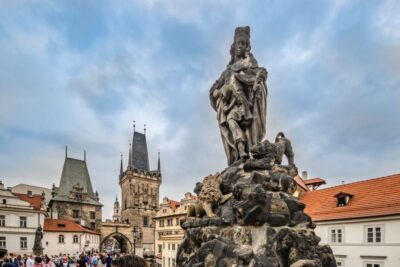
Prague: 3-Hour Walking Tour of Old Town & Prague Castle
Read our review →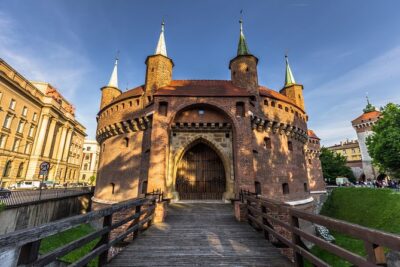
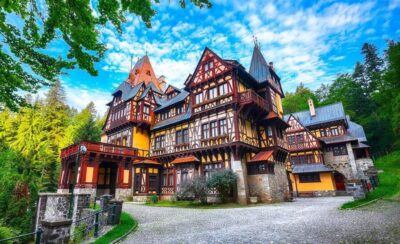
Bucharest: Peles Castle, Bran Castle, & Brasov Old Town Tour
Read our review →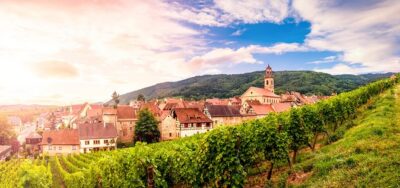
Colmar, Medieval Village & Castle Small Group from Strasbourg
Read our review →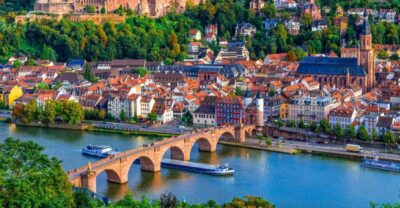
From Frankfurt: Heidelberg, Castle and Old City Guided Tour
Read our review →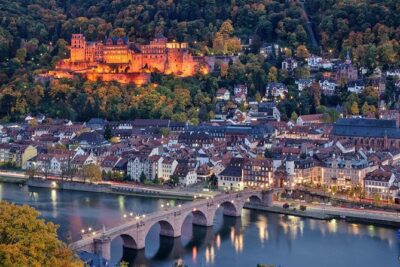
Heidelberg Castle and Old Town Tour from Frankfurt
Read our review →
Kraków: Old Town & Wawel Castle Walking Tour in English
Read our review →Browse the lists this tour appears in