
Review · Castles worldwide
Bioul (near Dinant) : Château de Bioul Tour and Wine Tasting
The most appealing part of Château de Bioul is the way the visit joins an old Walloon estate with Belgium’s young wine culture. You move from a château with medieval roots and period details to vineyards, winemaking facilities, and a tasting room in the same property.
I like the family story behind the estate, which has been cared for by the same family since 1906. I also like the mix of architecture, parkland, wine production, and local food, since you get more than a quick glass of wine in a modern cellar. The main drawback is practical: the grounds and château are not suitable for wheelchair users or people with mobility impairments.
Key points to know before you go
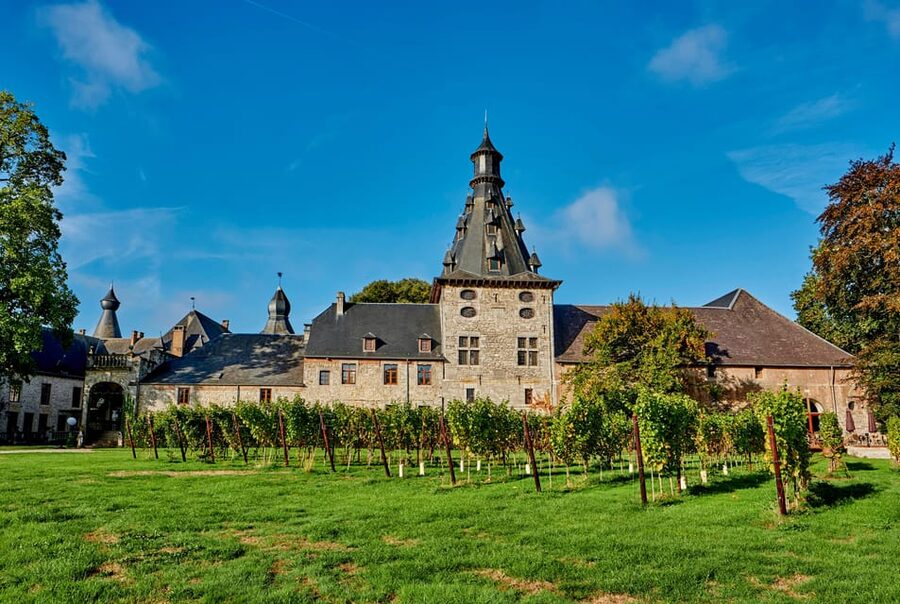
- The estate reaches back to the 10th century: Château de Bioul has centuries of local importance, including a documented lord named Gobert de Bioul in 1210.
- The tour covers more than the château: You see the vineyards, winery, centenary park, and the route from grape to glass.
- Belgian wine is central to the visit: The tasting gives you a chance to sample local wines and products made or selected in the area.
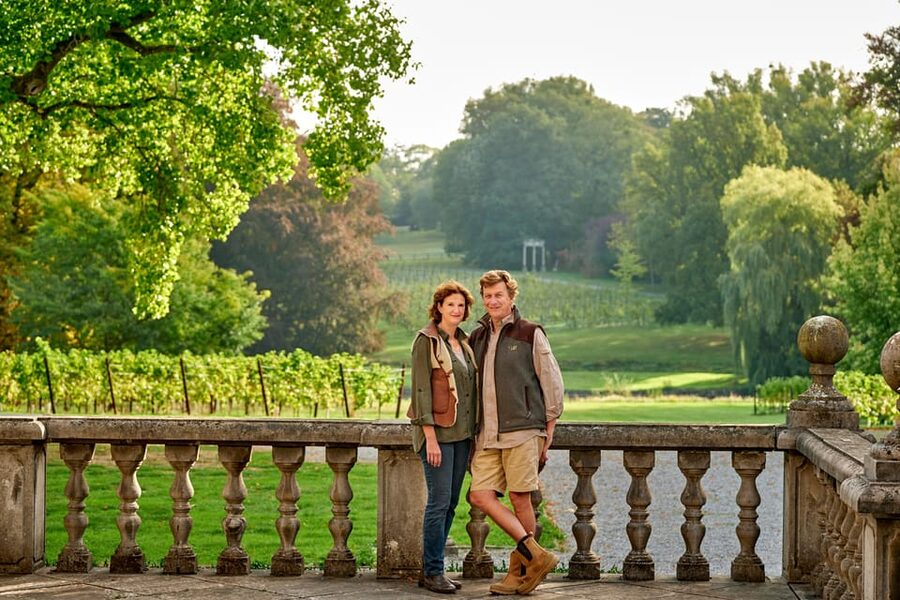
- Family heritage shapes the presentation: Andy and Vanessa Wyckmans-Vaxelaire continue the estate tradition and its motto, In Arduis Constans, or perseverance in difficulty.
- French and English are available: A host or greeter and an audio guide are offered in both languages.
- The price is moderate for a full estate visit: At $35 per person, the fee includes the tour, tasting, vineyard and winery access, and the centenary park.
A château with medieval roots and a modern purpose
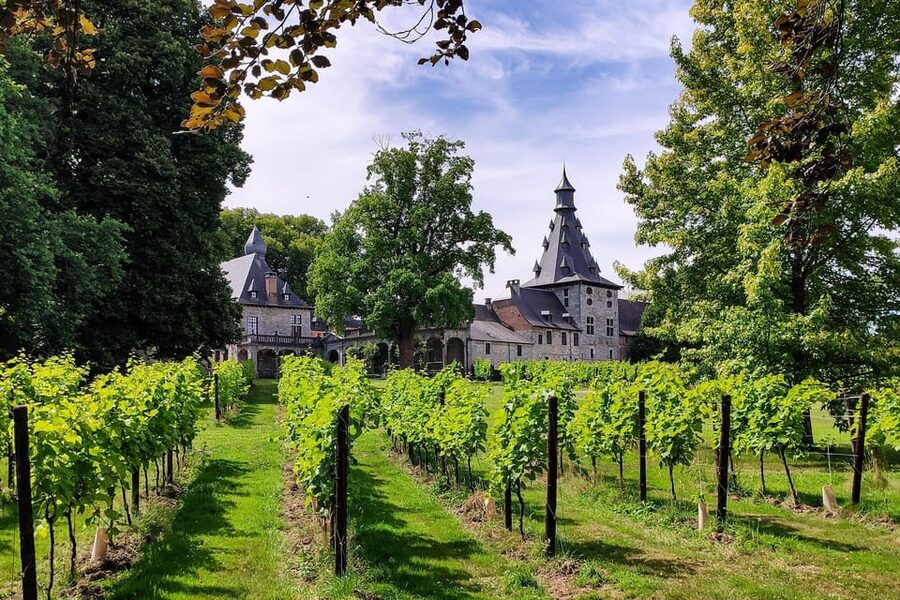
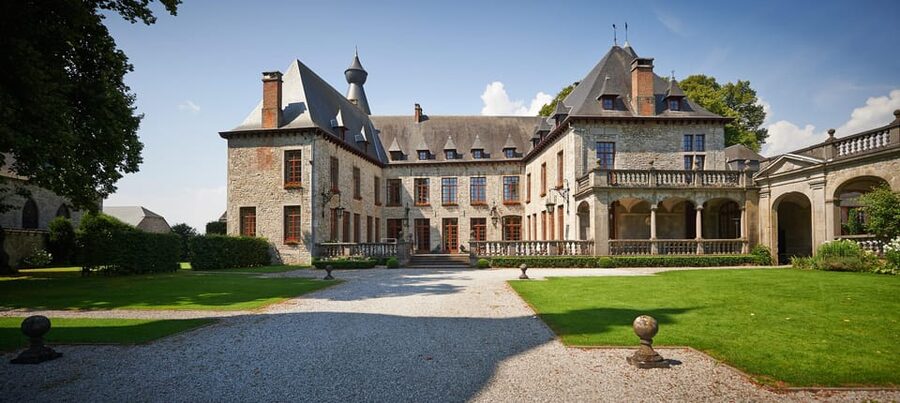
Château de Bioul is not simply a grand house added to a wine route. The Seigneurie de Bioul has been a local landmark since at least the 10th century, and the name appears in written records through Gobert d’Orbais, also known as Gobert de Bioul, a knight and lord mentioned in 1210.
That long timeline gives the visit some weight. You are not looking at a country house built only for display. The estate has changed through different periods, and the château’s architecture reflects that. Expect a mixture of styles rather than one perfectly matched design.
Inside, the visit includes statues, period decorative features, and tucked-away corners. The details matter because they make the house feel lived in and layered. I would pay attention to the smaller objects and rooms rather than rushing from one grand view to the next.
The property has been preserved by the same family since 1906. Today, Andy and Vanessa Wyckmans-Vaxelaire are the owners, carrying on a family project built around love, solidarity, and respect. Those themes are part of the way the estate explains itself, so this is as much a story about continuity as it is about wine.
The family motto, In Arduis Constans, translates as perseverance in difficulty. It gives useful context to the modern wine operation. Belgian wine is still a developing field compared with the famous regions of France, Italy, or Spain, and the estate presents its vineyard work as a long-term family effort rather than a quick commercial venture.
More castles to explore around the world:
- Stonehenge, Windsor Castle, and Bath from London
★ 4.5 · 18,662 reviews - Bucharest: Dracula’s Castle, Peles Castle, & Brasov Old Town
★ 4.5 · 17,858 reviews - From Munich: Neuschwanstein & Linderhof Castle Full-Day Trip
★ 4.6 · 14,646 reviews
Walking through the centenary park
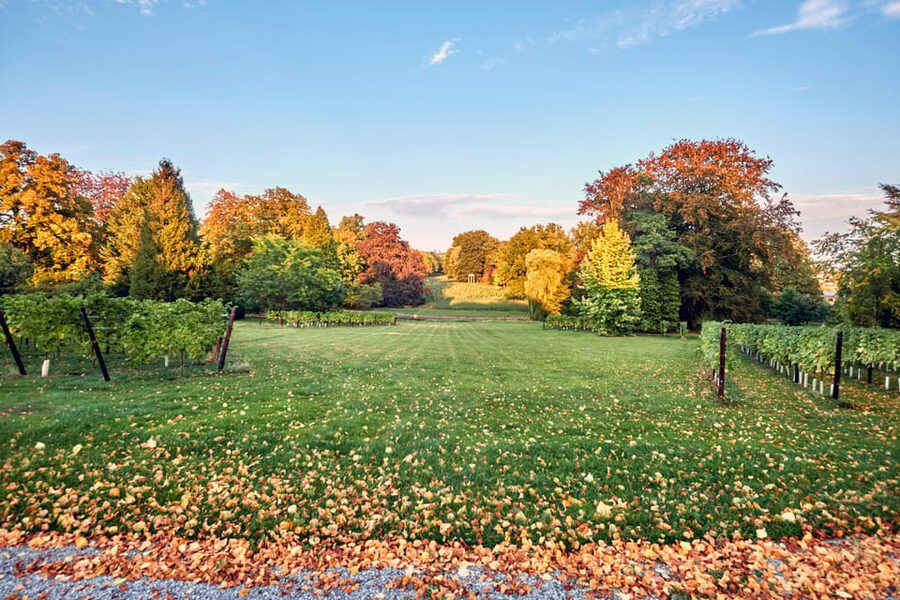
The château’s tree-lined park is included in the visit, and it gives you room to see the estate as a whole. From the grounds, the building’s mixed architectural character makes more sense. You can take in the relationship between the house, the park, and the working vineyard property.
The park is also a welcome change of pace between indoor rooms and wine facilities. If the weather is good, bring a camera and allow time for photographs. Photography is permitted, but you cannot use flash inside the château.
You should wear comfortable shoes. The visit includes access to the vineyards and winery, not just a short indoor presentation, and the property may require walking across different surfaces. Check the weather before setting out, since part of the appeal comes from seeing the estate outdoors.
The mobility limits deserve clear attention. This visit is not suitable for wheelchair users or people with mobility impairments. The supplied information does not describe the exact surfaces, distances, or number of stairs, so you should ask the provider directly if you have any concern beyond those stated limits.
From vineyard rows to the winery
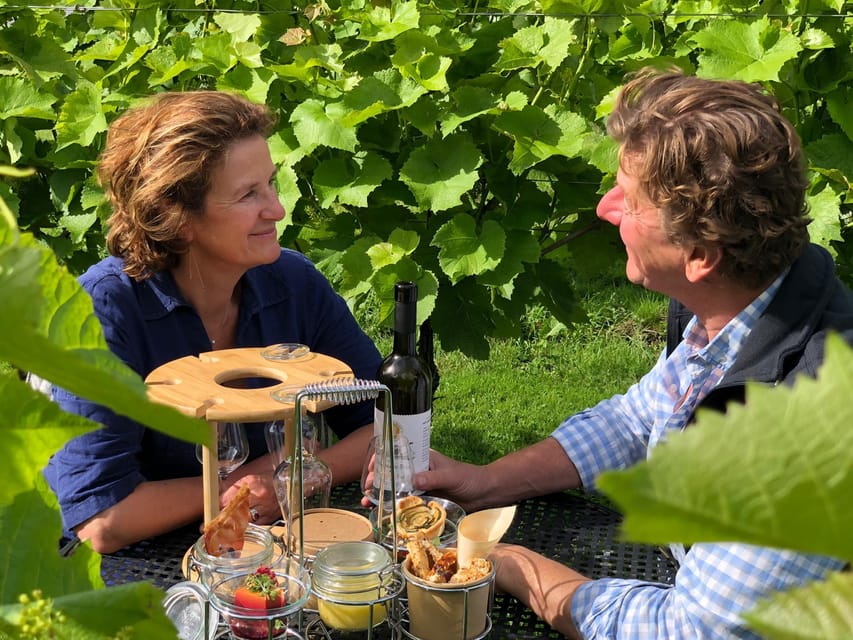
The estate’s wine production gives the visit its strongest sense of purpose. You see where the grapes are grown and learn how the estate’s vintages travel from grape to glass. That connection is valuable because it turns the final tasting into more than a list of wines.
A wine tasting can feel thin when you have no idea where the bottle came from. Here, the vineyard and winery access help connect the drink with the land, the buildings, and the people maintaining the project. You can ask yourself how the estate’s historic identity fits with its newer role as a Belgian wine producer.
The available information does not specify the grape varieties, production methods, vintage lineup, or length of each stop. I would not arrive expecting a technical master class on Belgian viticulture. Instead, plan on a general discovery tour that explains the estate and its winemaking story in an approachable way.
A French- or English-speaking host or greeter is available, and an audio guide is included in both languages. That gives you two ways to follow the visit. If you prefer to move at your own speed, the audio guide may be useful. If you enjoy asking questions, listen for opportunities to speak with the host.
The story of Le Bon Marché and GB-INNO-BM
One unusual feature is the link to Le Bon Marché and the company that became the GB-INNO-BM group. This part of the visit broadens the story beyond architecture and wine.
The estate presentation includes the history of Le Bon Marché and its later development into the GB-INNO-BM group. That connection may be especially interesting if you want to understand the family’s wider business background and how the property fits into a larger Belgian story.
Do not expect this section to feel like a separate city museum. It forms part of the château’s family and estate narrative. The value lies in seeing how ownership, business, heritage, and wine production overlap here.
For many people, this will be one of the more distinctive parts of the tour. Plenty of château visits focus only on noble families and furniture. Château de Bioul adds a modern commercial thread, helping explain how the estate reached its present form.
Same stronghold, another way through the gate:
- Edinburgh Castle: Guided Walking Tour with Entry Ticket
★ 4.7 · 11,699 reviews - Prague: Skip-the-line Castle Ticket and Optional AudioGuide
★ 4.3 · 11,121 reviews - Bucharest: Dracula Castle, Peles Castle & Brasov Old Town
★ 4.6 · 10,891 reviews - Prague: Castle Tour with Local Guide and Entry Ticket
★ 4.6 · 10,422 reviews
Tasting Belgian wines and local products
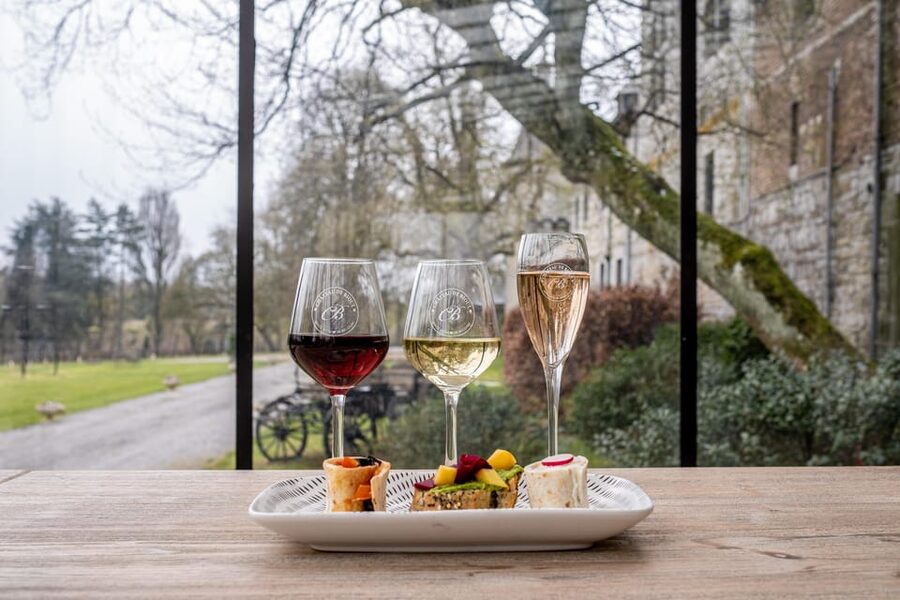
The visit finishes with a tasting of local wines and products in the heart of the estate. This is the natural payoff after seeing the vineyards and winery. You can taste the finished product while the earlier parts of the tour are still fresh in your mind.
The tasting is included in the $35 price, along with the discovery tour, vineyard and winery access, and the centenary park. That makes the fee reasonable for a full estate visit rather than a simple pour at a shop counter.
The information provided does not list the exact wines, number of samples, or food products. I would treat the tasting as a guided introduction to the estate’s local production, not as a meal or a large wine event. Meals are not included, so plan separate food if you need lunch or dinner.
The tasting also gives you a chance to judge the wines for yourself. The estate’s Belgian identity is a key part of the presentation, and you can decide how much you enjoy the results rather than relying on the setting alone.
The strongest praise focuses on two things: the family heritage presentation and the Belgian winemaking. That is a useful clue about where to place your attention. If those subjects interest you, the tasting should feel like a fitting finish. If you mainly want a formal château interior with little interest in wine, part of the visit may feel less relevant.
Is $35 a fair price?
At $35 per person, I consider this a fair midrange price for the amount included. You receive access to the château, park, vineyards, and winery, plus a tasting and an audio guide. Transportation and meals are extra, so the value depends partly on how easily you can reach Bioul and how much time you want to spend at the estate.
The price works best for someone already exploring the Dinant area. Château de Bioul is near Dinant, but transportation to and from the château is not included. You need to arrange that part yourself and factor in the extra time.
The visit is listed as valid for one day, with starting times subject to availability. That does not mean you spend every minute of the day on a guided tour. It means you should check the available start time and plan your surrounding Dinant outing around it.
For comparison, $35 is more convincing here than it would be for a short tasting alone. The property includes a substantial historical setting and several parts of the estate. If you appreciate architecture, family history, and regional food and drink together, the cost is easier to justify.
Who will enjoy Château de Bioul most?
I would recommend this experience to couples, families with older children, and anyone interested in Belgian heritage and local wine. It suits people who like a visit with several layers: a historic home, a park walk, a business story, and a tasting.
It is also a good choice if you want a calmer change from the more familiar sights around Dinant. The estate offers a chance to look beyond the town’s best-known attractions and spend time on a working property with a clear family identity.
Wine enthusiasts should keep expectations measured. You will learn about the estate’s vintages from grape to glass and taste local wines, but the details supplied do not promise advanced cellar instruction or a specialist tasting led by a named winemaker.
History-minded visitors may appreciate the house and family story more than the wine itself. The 10th-century roots, the 1210 reference to Gobert de Bioul, and the family’s care since 1906 give the château a strong sense of continuity.
I would be cautious about booking if you have limited mobility. The experience is specifically not suitable for wheelchair users or people with mobility impairments, and comfortable footwear is required.
Practical advice for planning your visit
Wear walking shoes and check the weather. The vineyards, park, and winery are important parts of the experience, so poor weather may affect how comfortably you enjoy the outdoor sections.
Bring a camera. Photography is allowed, but remember that flash photography is not permitted inside the château. This rule protects the interior and its decorative features, while still allowing you to record the rooms and grounds without flash.
You can choose between French and English support. The host or greeter speaks French and English, and the audio guide is available in both languages. That makes the visit workable for international visitors, though no other languages are specified.
Smoking is not allowed. Meals are also not included, so do not count on the tasting to replace a full meal.
The activity offers free cancellation up to 24 hours before the visit for a full refund. You can also reserve now and pay later, which helps if your plans around Dinant are still taking shape. Check the starting times before booking, since the visit is tied to availability.
Should you book Château de Bioul?
Book it if you want a well-rounded estate visit that connects Belgian wine with architecture, family history, and local products. The strongest reasons are the historic château, the preserved park, access to the vineyards and winery, and the tasting included in the price.
I would especially choose it as part of a Dinant-area day for $35, provided you can arrange transportation and manage the walking. It is less suitable if you want a short indoor tasting, a formal meal, or a fully accessible site.
For me, the most interesting feature is the balance between old and new. The château reaches back to medieval records, while the vineyard project gives the property a current purpose. If that combination sounds better than a standard wine bar or a quick castle photo stop, Château de Bioul is a sensible booking.
FAQ
Where is Château de Bioul located?
Château de Bioul is in Bioul, near Dinant, in Wallonia, Belgium.
How much does the tour cost?
The experience costs $35 per person.
What is included in the price?
The price includes the discovery tour of the estate, a wine tasting, access to the vineyards and winery, access to the centenary park, and an audio guide.
Are meals included?
No. Meals are not included in the activity.
Is transportation included?
No. Transportation to and from Château de Bioul is not included.
What languages are available?
The host or greeter and the audio guide are available in French and English.
Is photography allowed inside the château?
Photography is allowed, but flash photography is not permitted inside the château.
Is the visit suitable for wheelchair users?
No. The activity is not suitable for wheelchair users or people with mobility impairments.
New castle tours around the world
- From Prague: Karlštejn Castle & Koněprusy Caves Tour★ 4.9 · 183 reviews
- Prague: 2.5-Hour Vyšehrad Castle with Gorlice & Tickets★ 4.5 · 118 reviews
- Prague: Alchemy & Mysteries Bridge and Castle Evening Tour★ 5.0 · 8 reviews
- Prague Castle: 1-Hour Introduction Tour with Entry Ticket★ 4.2 · 41 reviews
- Potsdam: The evening Wannsee tour. Castles, parks, and villas.★ 4.7 · 63 reviews
- Prague: Stunning Viewpoints, Castle, City & Park Bike Tour★ 4.6 · 38 reviews
- Prague: River & Park Bike Tour to Troja Chateau★ 5.0 · 8 reviews
- From Koper: Postojna Cave and Predjama Castle Tour★ 4.7 · 60 reviews