
Review · JAPAN
Peace Memorial Park, Hiroshima Castle, & Garden Private Tour
Hiroshima’s past and present come together quickly on this private walk. You move from the quiet ponds of Shukkeien Garden, to the samurai-era rooms of Hiroshima Castle, then to the stark reminders of 1945 at the Peace Memorial sites.
I like the private format, which lets your guide adjust explanations for your group, and I like that all three entry fees are included. The main caution is timing: the advertised 150 minutes is short for this many sights, and the listed stop times add up to more than two and a half hours. Confirm the exact pace and order before booking.
Key points
- Shukkeien begins the tour with calm ponds, bridges, and carefully shaped gardens.
- Hiroshima Castle adds samurai-era history and a visit to Gokoku Shrine.
- The Peace Memorial Museum covers the bombing and its aftermath through English-language exhibits.
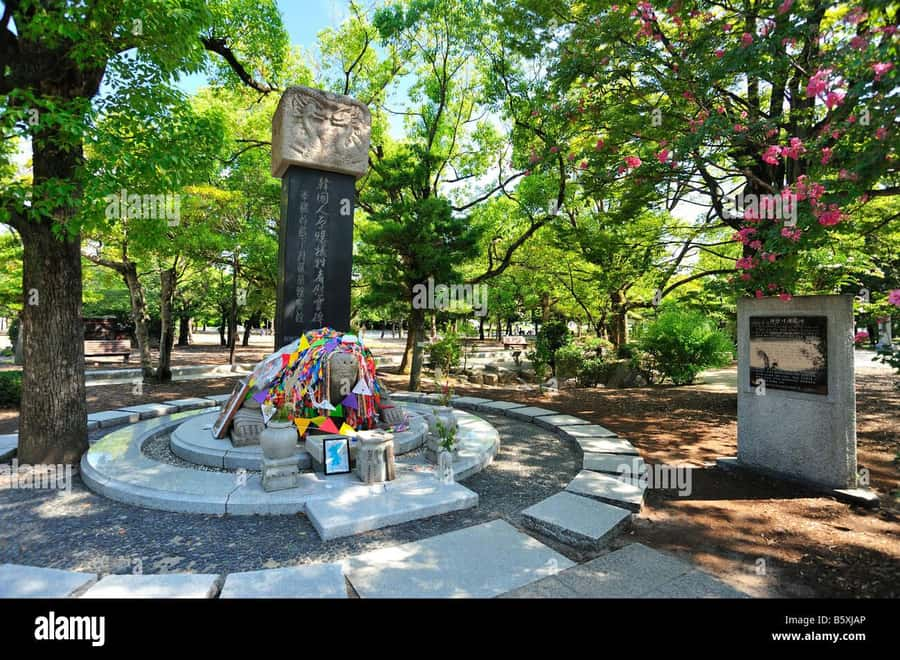
- Outdoor memorial stops include the Cenotaph, Flame of Peace, Children’s Peace Monument, and Atomic Bomb Dome.
- A private English-speaking guide can tailor the visit, answer questions, and suggest places such as Miyajima.
- The $82 price includes a guide, walking tour, photos, and entry to all three main attractions.
Three very different sides of Hiroshima
This tour gives you a compact introduction to central Hiroshima. In one outing, you see a refined Japanese garden, a rebuilt castle linked to the samurai period, and the Peace Memorial sites that give Hiroshima its modern meaning.
That range is the tour’s greatest strength. You are not spending the whole time at one museum or one monument. Instead, the day shifts in mood and subject, helping you understand Hiroshima as a living city rather than only a place connected to tragedy.
The private format matters here. A guide can spend more time on the parts that interest you, explain difficult material at a suitable pace, and keep younger members of the group involved. One family found this especially useful, with the guide adapting the experience for children and offering suggestions for more places to see, eat, and explore.
The tour is conducted in English. Guides have included Preety and Zunera, both praised for being friendly, attentive, and well informed. One guide also helped with practical directions for reaching Miyajima Island, which is useful if you plan to add Hiroshima’s famous island to your stay.
More castle gardens and grounds around Japan:
- Imperial Palace East Garden and Edo Castle Walking Tour in Tokyo
★ 5.0 · 510 reviews - Himeji: Himeji Castle & Kokoen Garden 3.5-Hour Guided Tour
★ 4.9 · 30 reviews - Kanazawa: Half-Day Private Tour – Garden, Castle, Geisha
★ 5.0 · 10 reviews
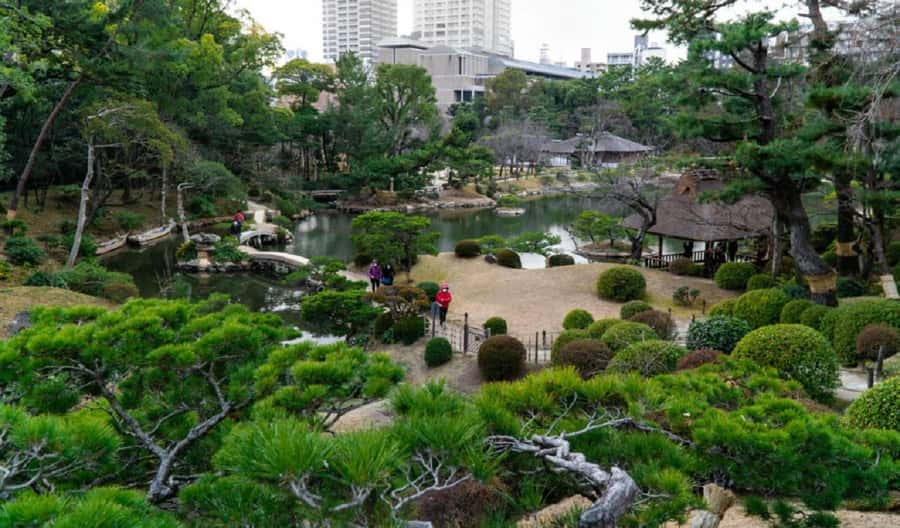
Shukkeien Garden: a quiet opening
The tour begins at Shukkeien Garden, unless your selected option uses a different starting point. The garden receives about 25 minutes of guided attention, enough to see its main character but not enough for a long, unhurried stroll.
Shukkeien is built around ponds, bridges, paths, and carefully arranged plantings. Its appeal comes from the way each turn gives you a framed view. Instead of one grand vista, you get a series of small scenes designed for pause and reflection.
I like beginning here because it gives you a calm introduction to Hiroshima. The garden asks you to slow down before the tour moves into the heavier subject of the atomic bombing. It also gives your guide a chance to explain elements of traditional Japanese garden design in a setting that is easy to appreciate even if you know little about gardening.
Twenty-five minutes can feel tight. You will see the principal areas, but you may want to return later if gardens are a major interest. The garden is also one of the places where comfortable shoes help, since this is a walking tour and the schedule keeps moving.
Hiroshima Castle and Gokoku Shrine
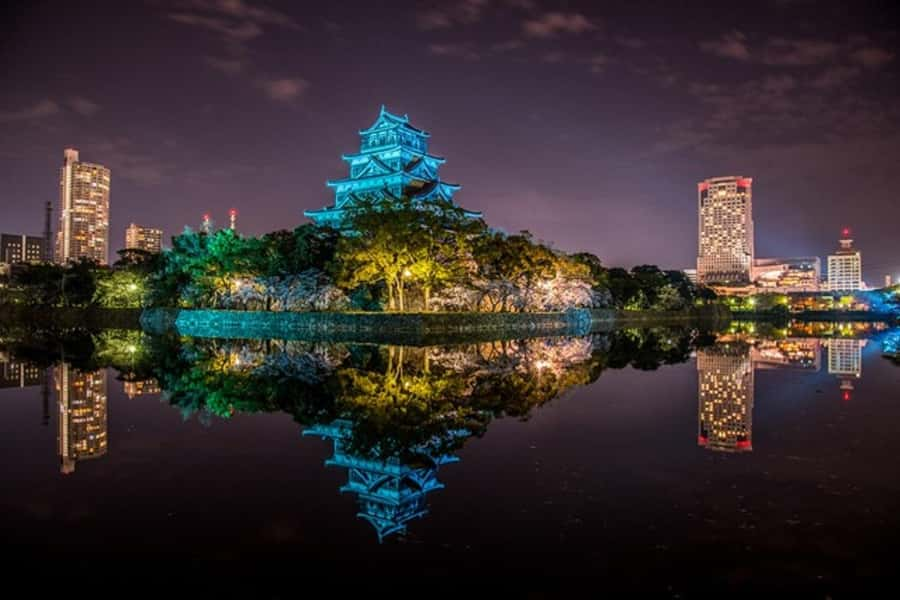
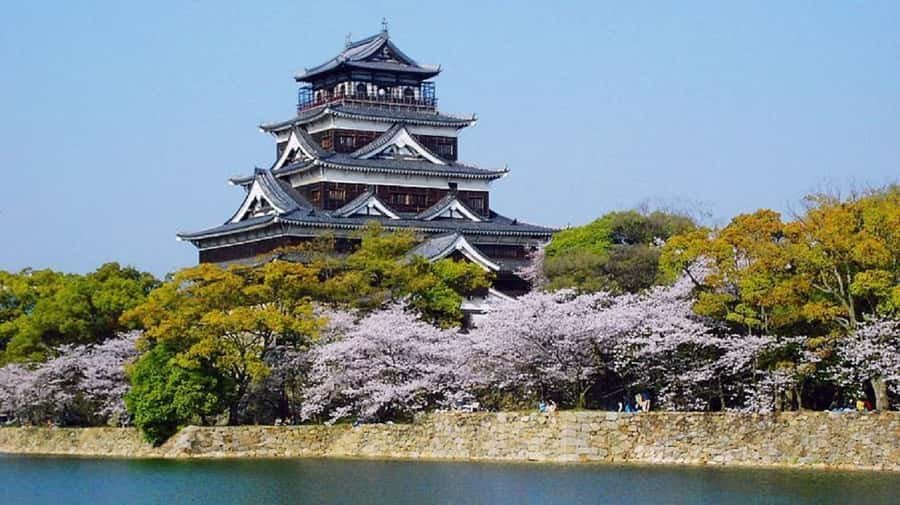
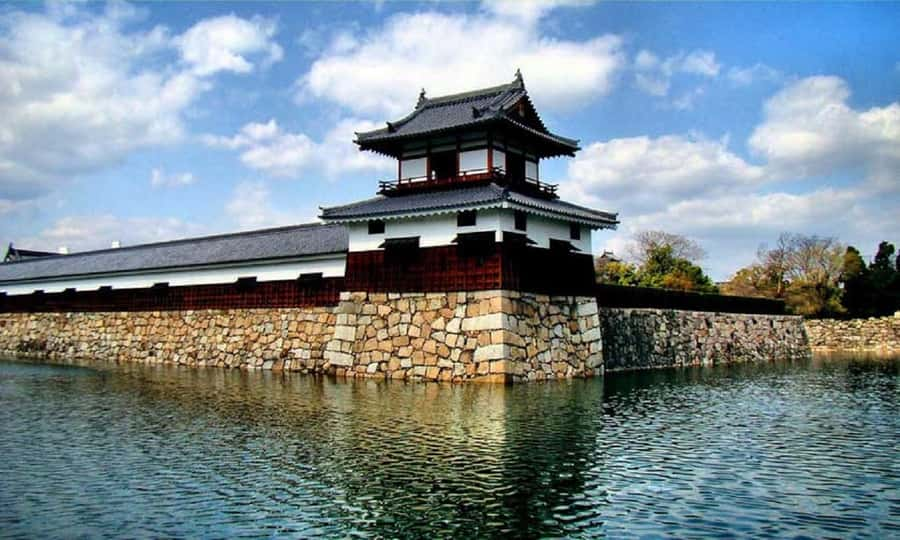
Next comes Hiroshima Castle, with around 30 minutes of guided time. The castle offers a clear change of mood and subject. Its wooden appearance and high structure recall Japan’s feudal period, while its exhibits and rooms help place Hiroshima within the country’s earlier political and military story.
You can explore the interior and ascend the tower for city views. The attraction is not only the exterior. Inside, you get a better sense of how castles functioned as seats of power and symbols of status.
Gokoku Shrine sits within the castle grounds and is included in the route. The shrine adds a religious and local dimension to the visit, while the surrounding grounds give you a break from the enclosed rooms of the castle.
The castle was destroyed in the atomic bombing and later rebuilt, a point that makes the visit especially meaningful in the context of the full tour. It lets you see both Hiroshima’s prewar identity and the way the city has been rebuilt.
Thirty minutes is enough for an introduction, but not for a slow examination of every display. If you want extensive castle history, this portion may feel brisk. For most people, its value is the contrast it creates before the tour reaches the Peace Memorial area.
The Peace Memorial Museum requires quiet attention
The Peace Memorial Museum is the emotional center of the experience. The guided visit is listed as one hour, and entry is included in the $82 price.
The museum explains the events leading up to the atomic bombing, the devastation of August 1945, and the effects on Hiroshima’s people. The exhibits are direct and difficult. I recommend entering with time and emotional space rather than treating this as a quick sightseeing stop.
Speaking is prohibited inside the museum so visitors can read and reflect in silence. Your guide cannot provide a running commentary through the galleries, but detailed information is available in English. This is worth knowing before you arrive, since the tour’s guided format changes once you enter the museum.
The museum is best approached at your own pace. You may spend longer with some displays and move quickly past others. The one-hour allocation gives you a useful visit, although some people will want more time.
There is a small planning issue in the supplied schedule. It lists the museum before the outdoor memorial stops, while the practical notes say the museum will be the final stop because of the no-speaking rule. Ask your guide to confirm the order on the day. The outdoor sites can be explained aloud, while the museum is mainly a quiet, self-guided visit with English text.
More Private Castle Tours in Japan:
- Himeji: Private Guide Tour of the Castle from Osaka or Kyoto
★ 4.5 · 7 reviews - From Nagoya: Samurai Swords & Inuyama Castle Private Tour
★ 4.8 · 6 reviews - Cairo Citadel, Old Cairo and Khan El Khalili: Private Tour
★ 4.6 · 741 reviews - From Amman: Jerash, Ajloun Castle or Umm Qais Private Tour
★ 4.7 · 360 reviews
The outdoor memorials put names and places to the history
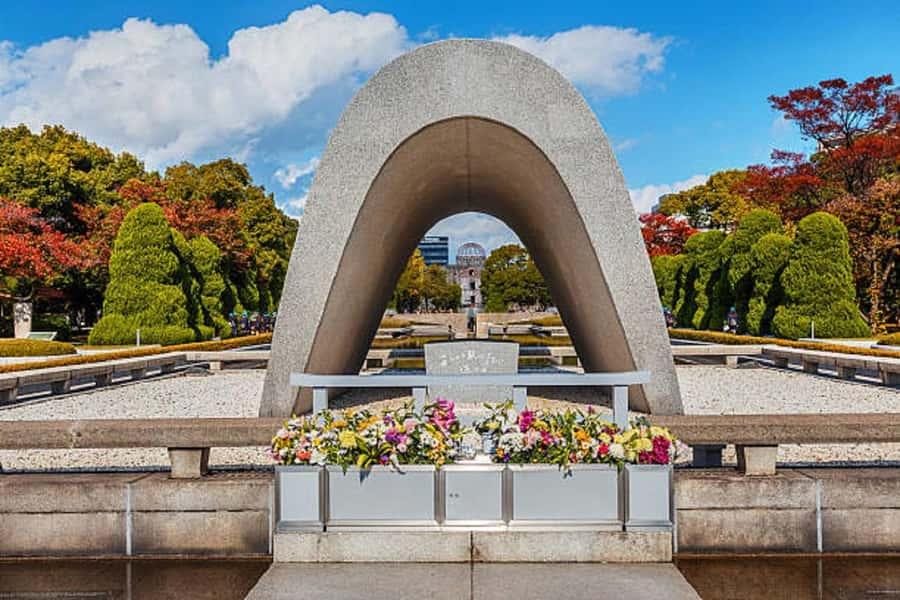
The Peace Memorial Museum is only one part of the Peace Park visit. The outdoor stops give you time to connect the historical information with specific places across the park.
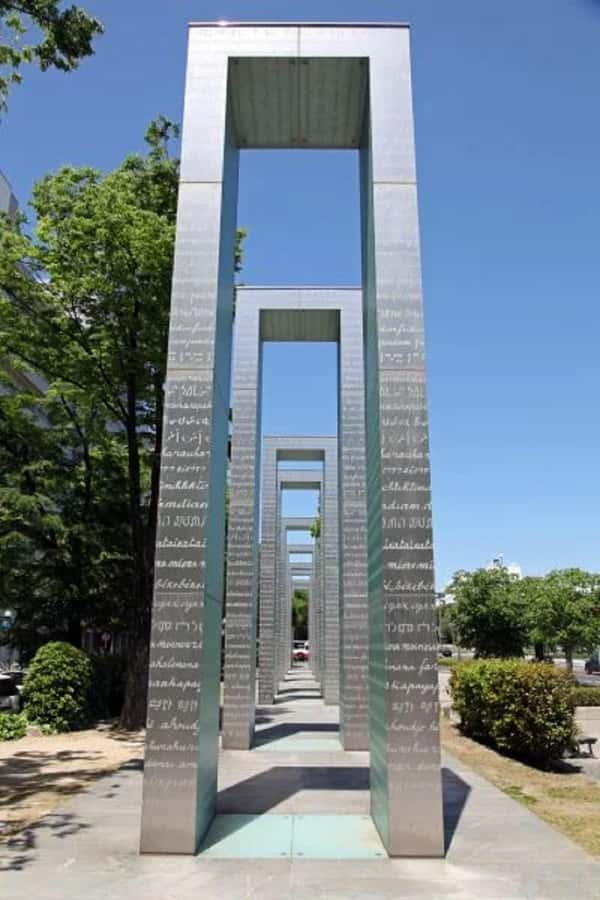
The Hiroshima Victims Memorial Cenotaph is planned as a 10-minute stop. Its form and setting make it a place for quiet remembrance. Your guide can explain its purpose and help you understand how the park honors those who died.
The Flame of Peace receives another 10 minutes. Its continued flame is linked to the wish for an end to nuclear weapons. The stop is brief, but it adds a clear message to the memorial route.
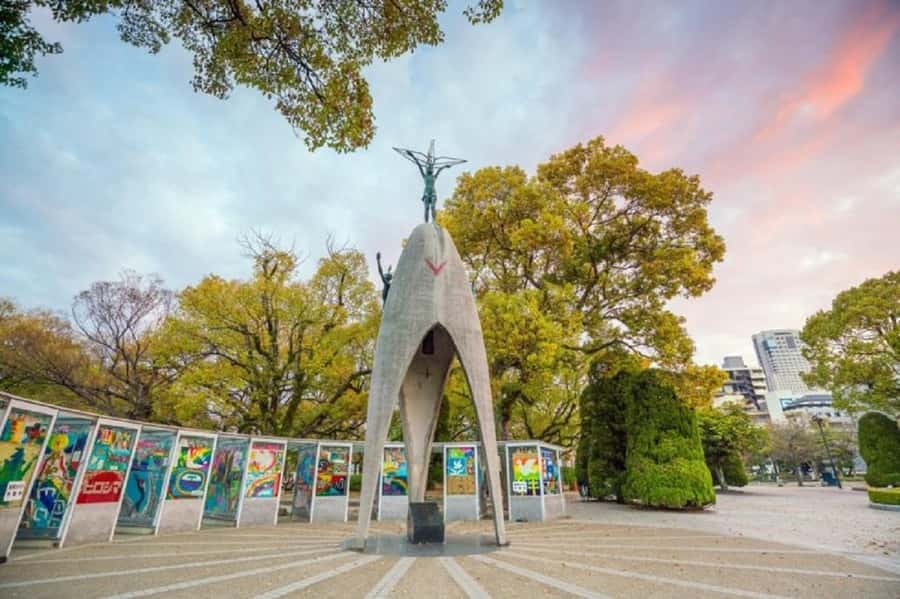
The Children’s Peace Monument also receives 10 minutes. This memorial is associated with the children affected by the bombing and with the paper cranes created in their memory. Your guide can provide context that is easy to miss if you simply walk past it.
The Atomic Bomb Dome is perhaps the most instantly recognizable sight in the park. Its damaged structure remains as a physical reminder of the explosion and the destruction around it. You view it from outside, and the contrast between its preserved remains and the modern city around it is powerful.
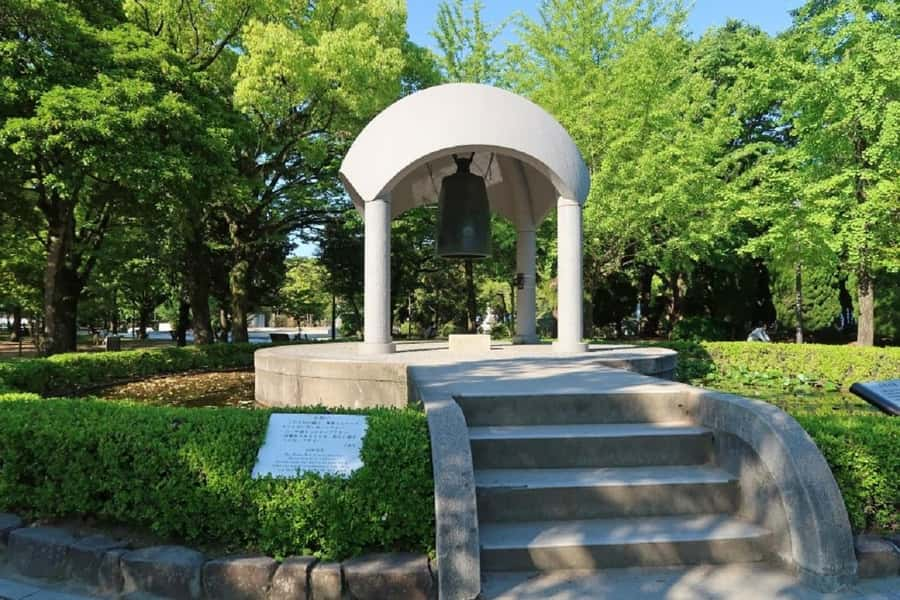
The Bell of Peace is listed as a five-minute stop. It is a small but meaningful part of the route, tied to the park’s call for peace. Five minutes is enough for an explanation and a moment of reflection.
The Hypocenter receives the longest outdoor allocation, 25 minutes. This location marks the point above which the atomic bomb exploded. Standing at the site gives the museum’s information a precise geographic reference, making the scale of the event easier to grasp.
Why the private format helps here
A private group is a good match for Hiroshima’s memorial sites. You can ask direct questions without worrying about slowing down a large group, and your guide can judge when your group needs a quiet pause.
This is particularly useful for families. The experience can be adjusted so children receive clear explanations without being overwhelmed by every detail at once. At the same time, adults can ask more specific questions about the city’s past, the memorials, or the rebuilding of Hiroshima.
The guide can also help with practical decisions after the formal tour. Preety, for example, helped one group understand how to get to Miyajima Island. Another guide stayed attentive when a group arrived late after heavy rain. These details suggest that communication and personal care are important parts of the experience, though the exact guide depends on availability.
The tour includes photos, which is a pleasant extra for a private outing. You should still bring your own camera if you want personal control over what you record, especially since the Peace Memorial Museum calls for a quiet and respectful approach.
Is $82 good value for 150 minutes?
At $82 per person, the tour is not the cheapest way to walk around central Hiroshima. You are paying for a private English-speaking guide, three admission tickets, a planned route, and tour photos.
The value is strongest if you want context and an efficient introduction. The Peace Memorial Museum and Hiroshima Castle both charge admission, and Shukkeien Garden also requires a ticket. Having those costs included makes the price easier to assess, particularly for a family or small private group.
The price is less attractive if you prefer to move slowly, read every museum panel, or spend a full afternoon in the garden and castle. The short duration means the experience works best as an overview. You may still want to revisit one site independently.
The 150-minute duration also deserves careful attention. The listed guided times are 25 minutes for Shukkeien, 30 minutes for the castle, one hour for the museum, 10 minutes each at the Cenotaph, Flame of Peace, Children’s Peace Monument, and Atomic Bomb Dome, five minutes at the Bell of Peace, and 25 minutes at the Hypocenter. Added together, those times exceed 150 minutes.
That may mean some stops overlap, or the schedule uses approximate times. I would confirm the real duration and order before paying, especially if you have a train, restaurant booking, or ferry to catch.
Starting points, walking, and weather
The meeting point can be Hiroshima Station or Shukkeien Garden near the station, depending on the option you select. Pickup from your accommodation may be available on foot if you are staying within a reasonable distance, but hotel drop-off is not included.
The tour is primarily a walking experience. Wear comfortable shoes and clothes. Bring a hat and sunglasses in bright weather, an umbrella if rain is possible, and any personal medication you need.
Hiroshima can be very hot in summer, so carry water. Winter can feel chilly, and you should dress warmly. Weather matters more here than on a short indoor visit because several memorial stops take place outside.
The activity is wheelchair accessible, which broadens its usefulness, though you should still confirm the route details and any specific access needs when booking. The private format may also make it easier to discuss a suitable pace.
Cancellation is available without charge up to 24 hours in advance, and you can reserve now and pay later. Those terms are useful if your Hiroshima schedule depends on trains, weather, or a changing Japan itinerary.
Who should book this Hiroshima tour?
I would recommend it to first-time visitors who want the main central sights explained in one private outing. It suits couples, families, and small groups who value a personal guide more than a completely free schedule.
It is also a strong choice if you have limited time in Hiroshima. The route introduces Shukkeien, Hiroshima Castle, and the Peace Memorial area without requiring you to work out the connections alone.
Families may especially appreciate the flexible explanations and the guide’s ability to keep children engaged. The private setting also gives you more control when the museum visit becomes emotionally demanding.
I would be more cautious if you want a slow garden visit or a long museum session. The schedule is packed, and the stated timing needs clarification. If you book, ask about the exact order, the true end time, and how much independent time you receive inside the museum.
Should you book it?
Book this tour if you want a focused introduction to Hiroshima with a private English-speaking guide, included admission, and practical help along the way. The mix of Shukkeien Garden, Hiroshima Castle, and the Peace Memorial sites gives you a fuller picture than visiting the memorial area alone.
Skip it if you prefer to explore at a very slow pace or spend several hours reading every museum display. The strongest reason to book is the guide’s personal attention. The main reason to hesitate is the tight and possibly inconsistent schedule.
If you do reserve, wear good shoes, carry water, and confirm the route timing before the day begins. That small check will help you get the most from a serious, moving, and varied introduction to Hiroshima.
FAQ
How long does the tour last?
The advertised duration is 150 minutes, or two and a half hours. The listed stop times add up to more than 150 minutes, so confirm the exact pacing and end time when booking.
What language is the tour conducted in?
The live tour guide speaks English.
Is this a private tour?
Yes. The experience is for a private group rather than a shared group.
What entrance fees are included?
Entry to the Peace Memorial Museum, Hiroshima Castle, and Shukkeien Garden is included.
Where can I meet the guide?
Meeting options include Hiroshima Station and Shukkeien Garden near the station. Pickup from nearby accommodation on foot may be available if it is within a reasonable distance.
Is hotel transportation included?
Accommodation pickup may be available on foot in some cases, but hotel pickup and drop-off are not included as a standard service. The listed drop-off points include Hiroshima Station, Peace Memorial Park, and the Peace Memorial Park taxi stand.
Can I speak inside the Peace Memorial Museum?
No. Speaking is prohibited inside the museum so visitors can read and reflect quietly. Information is available in English.
Can I cancel the booking?
You can cancel up to 24 hours in advance for a full refund. Reserve now and pay later is also available.
New castle tours around Japan
- From Osaka: Himeji Castle, Arima Onsen & Mt. Rokko Day Tour★ 4.6 · 339 reviews
- Osaka/kyoto: Himeji Castle, Kobe. Luxury Day Trip with Guide★ 5.0 · 2 reviews
- Osaka: Osaka Castle 3 hours Historical Walking Tour★ 4.6 · 14 reviews
- Osaka: Osaka Castle Guided Tour with Local Guide★ 4.7 · 78 reviews
- Osaka: Osaka Castle – Tsuruhashi – Tennoji (Spanish Guide)★ 4.7 · 10 reviews
- Osaka: Explore Every Bit of Osaka Castle in 3 Hours★ 5.0 · 5 reviews
- Osaka: Castle, Tea Ceremony, Calligraphy, and Samurai Armor!★ 5.0 · 4 reviews
- Osaka: Early Morning Osaka Castle Guided Tour, Avoid Crowds★ 4.9 · 12 reviews
Castle Gardens & Grounds, compared.
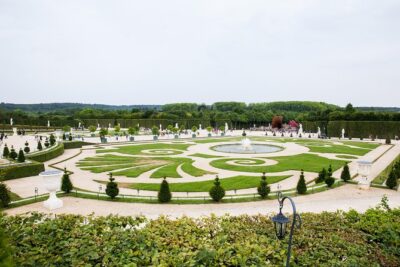

Versailles Château and Gardens Walking Tour from Paris by Train
Read our review →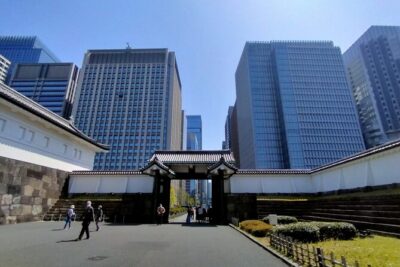
Imperial Palace East Garden and Edo Castle Walking Tour in Tokyo
Read our review →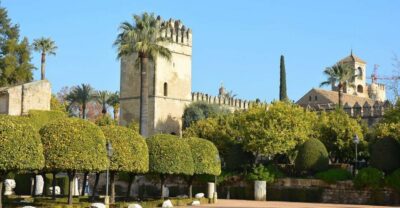
Cordóba: Gardens & Fortress of Catholic Monarchs Guided Tour
Read our review →
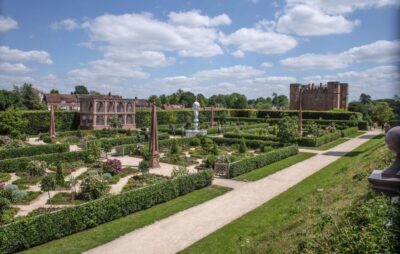
Kenilworth Castle and Elizabethan Garden Entry Ticket
Read our review →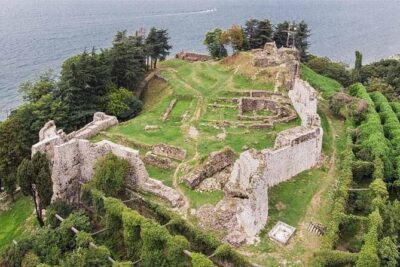
Batumi City – Botanical Garden – Petra Fortress from Kutaisi
Read our review →Browse the lists this tour appears in