
Review · KYOTO
Golden Pavilion, Nijo Castle, & Nishiki Market Half day tour
Kyoto’s famous sights make more sense when you see how they connect. This four-hour private tour links the gold-covered Kinkaku-ji, the shogun’s Nijo Castle, and Kyoto’s food-focused Nishiki Market, with certified guide Roberto explaining the politics, customs, and daily life behind each stop.
I especially like the iPad explanations, which help turn unfamiliar names and events into something you can follow. I also like the practical route: the tour begins at Kyoto Station and ends at Nishiki Market, leaving you in a useful place for lunch and afternoon plans.
The main trade-off is pace. You cover three major places in one morning, using buses, trains, and your own feet. It is not a slow, contemplative temple visit, and you need to be comfortable walking for several hours.
Key points to know before booking
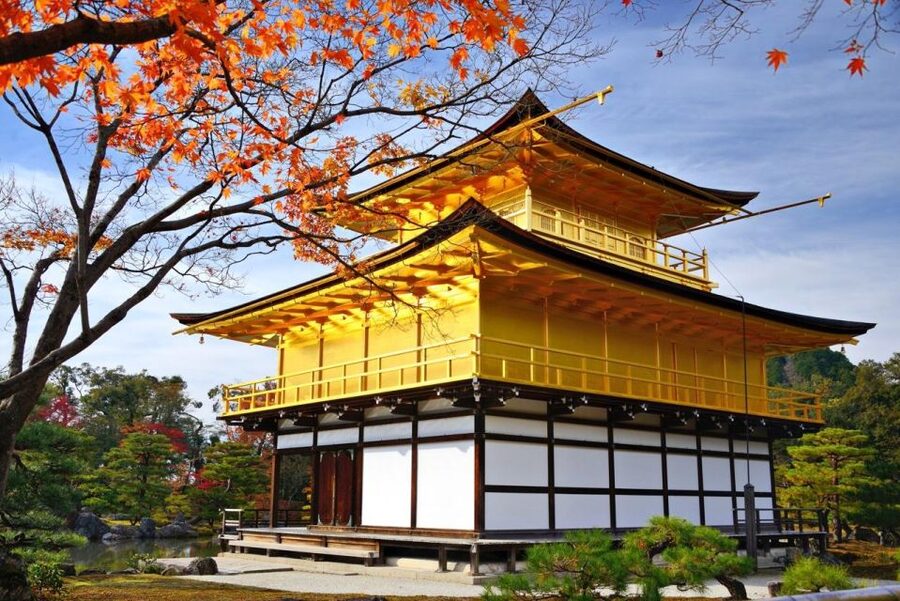
- Kinkaku-ji sets the visual tone: The Golden Pavilion reflects in its pond and is one of Kyoto’s essential sights.
- Nijo Castle gives you the political story: Roberto explains the shogun, feudal lords, samurai power, and Japan’s move toward modernization.
- The iPad adds useful context: Self-made images and explanations help with people, dates, and historical events.
- Nishiki Market is the practical finish: You end among food stalls, cookware shops, seafood sellers, and places to choose your own lunch.
- Public transport is part of the experience: You travel by bus and subway rather than staying inside a tour vehicle.
- It is private and language-friendly: The tour is offered in English or Spanish, with Roberto able to adjust explanations and recommendations to your interests.
Why this four-hour route works well in Kyoto
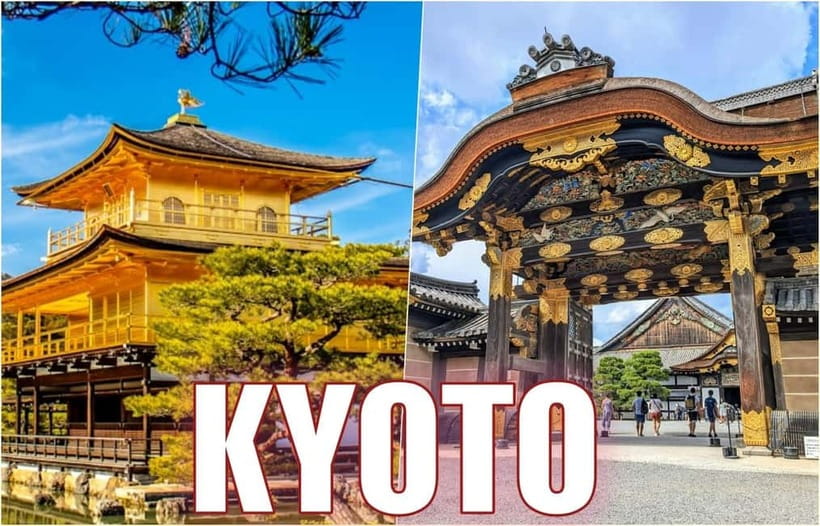
Kyoto can be confusing at first. Its attractions are spread across the city, and the most important places do not all tell the same story. Kinkaku-ji shows religious and aristocratic display. Nijo Castle explains military government and court politics. Nishiki Market brings you back to ordinary food, shopping, and city life.
I like that this route moves from spectacle to politics to everyday culture. You do not spend four hours looking at one kind of building. Each stop gives you a different way to understand Kyoto.
The tour begins at 8:30 a.m. and finishes around 12:30 p.m. at the entrance to Nishiki Market. That timing matters. You see major sights before the day gets too far along, then have the rest of the afternoon free for another neighborhood or museum.
The route includes about 35 minutes by bus from Kyoto Station to Kinkaku-ji, 20 minutes by subway to Nijo Castle, and another 15 minutes by subway before a 10-minute walk to Nishiki Market. These transfers are not dead time. Roberto can explain what you are seeing and give advice for the rest of your Kyoto stay.
Still, keep your expectations realistic. You are not being driven from door to door. You use public buses and trains, walk between sites, and stay on your feet for much of the morning.
More Japanese castle tours around Japan:
- Osaka Castle: Museum and Tower Entry Ticket
★ 4.5 · 2,380 reviews - Kyoto: Nijo-jo Castle and Ninomaru Palace Guided Tour
★ 4.7 · 1,020 reviews - Kyoto: Nijo Castle, Kiyomizu & Fushimi Inari Guided Tour
★ 4.7 · 700 reviews
Meeting Roberto at Kyoto Station
Your meeting point is in front of the 7-Eleven at the JR Kyoto Station building, on the first floor. Use the Kyoto Tower side exit. Roberto carries an iPad and a red card marked RBRT, so the meeting should be straightforward.
Starting at Kyoto Station is useful for several reasons. It is a central transport hub, easy to reach from many parts of Kyoto, and a sensible place to begin a morning city tour. If you are staying elsewhere, allow enough time to find the correct station exit. Kyoto Station is large, and a few extra minutes can prevent a rushed start.
Roberto is a Kyoto City Certified Tourist Guide. He leads in English or Spanish and uses his own visual material on an iPad. That is more useful than it may sound. Japanese names, shogun-era titles, and changing political alliances can blur together quickly when you are hearing them for the first time.
A private group also gives you room to ask questions. If you want more detail about samurai government, religious buildings, food culture, or places to visit later, you can ask without waiting for a large group to catch up.
Kinkaku-ji and the famous reflection
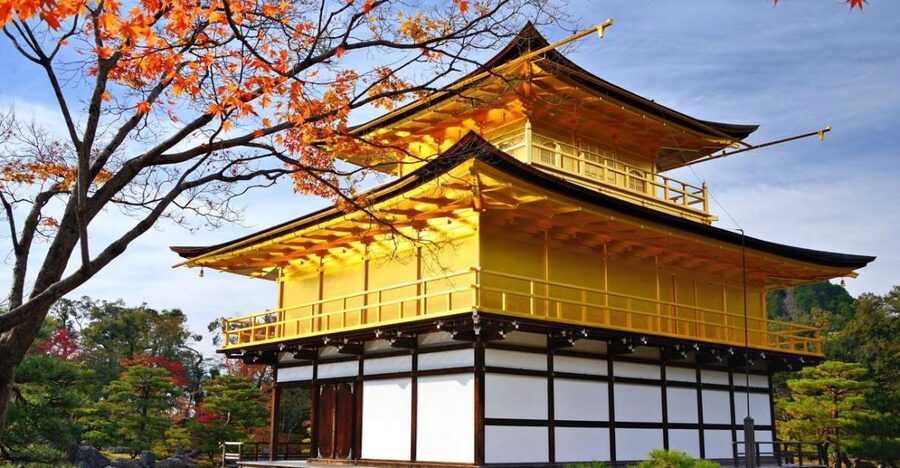
The first major stop is Kinkaku-ji, better known as the Golden Pavilion. Located in northwest Kyoto, this Zen Buddhist temple is one of Japan’s most recognizable buildings. The top two floors are covered in gold leaf, which catches the light above the pond.
The building was first created as a villa for Ashikaga Yoshimitsu, a 14th-century shogun. After his death, it became a Zen temple. That change from elite residence to religious site is an important part of the story, and Roberto can help you see the pavilion as more than a beautiful photograph.
The gold also had meaning. It suggested wealth, authority, and religious devotion. When the building reflects in the surrounding water, the effect is striking, but the visit is not only about taking a picture. The setting shows how architecture, gardens, and status worked together in medieval Japan.
You have about 90 minutes here. That gives you time to follow the temple grounds and listen to explanations without racing through. Even so, Kinkaku-ji is a popular stop, so do not expect solitude. The pavilion itself is viewed from the outside, and some interior areas at Japanese temples may prohibit photography.
I like having a guide here because it is easy to walk up, take the familiar picture, and move on without understanding why the building matters. Roberto’s images and commentary can put Yoshimitsu, Zen Buddhism, and the pavilion’s design into a clearer frame.
Bring comfortable shoes. The tour does not involve mountain climbing or very long stairways, but the morning includes walking at all three stops and through transport connections.
Nijo Castle and the sound underfoot
From Kinkaku-ji, the tour continues by subway toward Nijo Castle, another UNESCO World Heritage site. This stop changes the mood completely. Kinkaku-ji is associated with polished beauty and religious symbolism. Nijo Castle is about authority, control, ceremony, and the shogun’s political world.
The castle was built in the Edo period, when the shogun held military and political power. Roberto explains the relationship between shoguns, feudal lords, and samurai, then connects that system to the end of the samurai era and the beginning of Japan’s modernization.
That background makes the architecture easier to read. The woodwork and detailed decoration are not simply ornamental. The castle was also a place where power was displayed and managed.
One of the most memorable details is the nightingale floor. When people walk across parts of it, the boards make a chirping sound. The design served as an early security measure, alerting those inside when someone moved through the building.
You have roughly 95 minutes at Nijo Castle, making it the longest stop on the route. That is helpful because the site has enough historical material to overwhelm a visitor who is seeing it alone. Roberto’s explanation can give the rooms and corridors a clear purpose.
The entrance fee is 1,300 yen, paid separately. Photography rules apply in certain areas, so follow the instructions inside the castle. As with Kinkaku-ji, this is a place where looking carefully matters more than trying to photograph every surface.
Nijo Castle is probably the most valuable stop for anyone interested in Japanese government or samurai culture. Kinkaku-ji gives you the iconic image. Nijo Castle gives you the story of who held power and how that power was exercised.
More Castle Day Trips in Japan:
- From Osaka: Himeji Castle, Arima Onsen & Mt. Rokko Day Tour
★ 4.6 · 339 reviews - Full-Day Tour: Matsumoto Castle & Kamikochi Alpine Valley
★ 4.8 · 78 reviews - Nagano/Matsumoto: Matsumoto Castle and Narai-juku Day Trip
★ 5.0 · 23 reviews - Nagoya: Full-Day Tour of Castle& Toyota Commemorative Museum
★ 5.0 · 4 reviews
Nishiki Market and choosing your own lunch
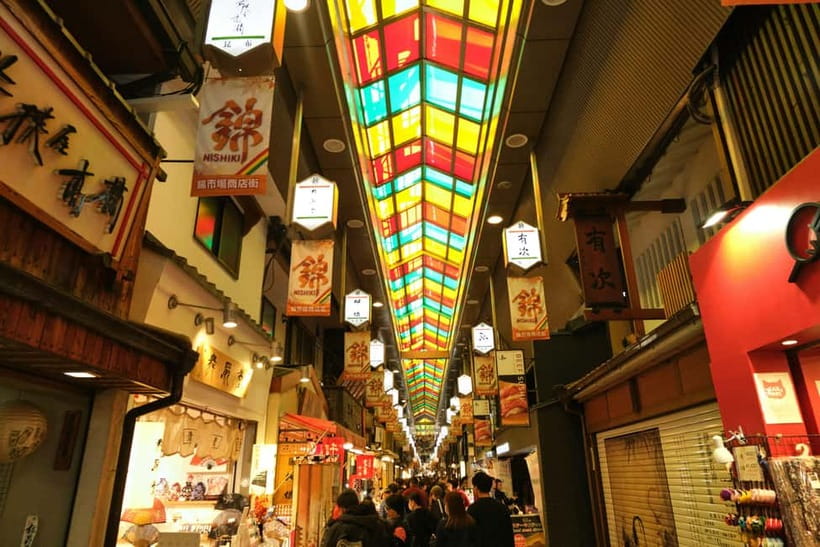
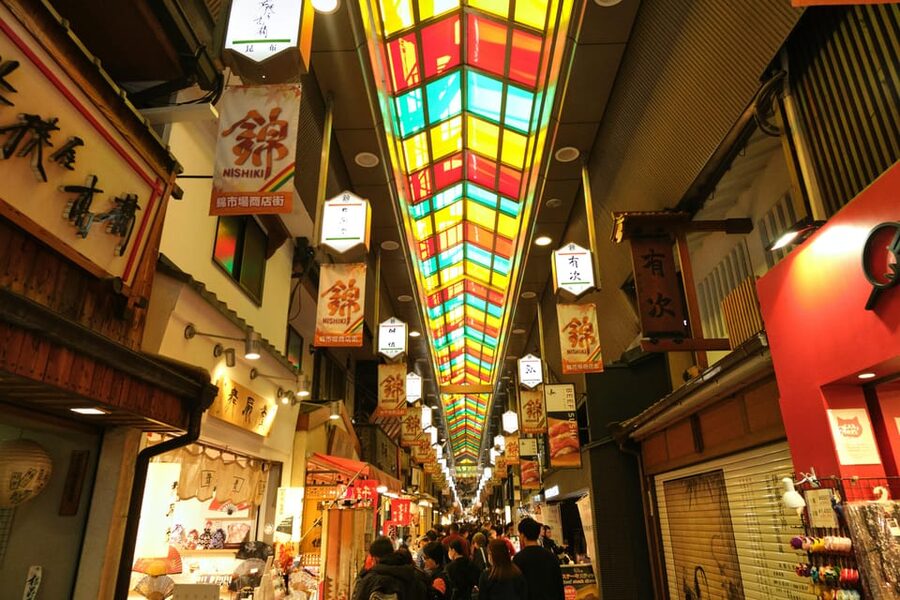
The final stop is Nishiki Market, often called Kyoto’s Kitchen. It runs along a narrow, five-block shopping street lined with more than 100 shops and restaurants.
The market focuses on food and kitchen culture. You can find fresh seafood, produce, knives, cookware, and other food-related goods. The street is lively and can feel crowded, especially because the space is narrow. That is part of its character, but it also means you should stay aware of the people around you.
Roberto explains the market’s origins, then the formal tour ends at the entrance. This is a smart finish because you are free to choose lunch from the many available options rather than being taken to one fixed restaurant.
I like this arrangement. A guide can help you understand what the market is, but your meal should still be your choice. You might want a quick snack, a sit-down meal, or time to browse knives and cookware. The tour leaves that decision with you.
The market is also useful for the rest of your trip. After an introduction to Kyoto’s food culture, you may feel more comfortable recognizing unfamiliar ingredients or deciding what to try later. All explanations at this tourist-focused market are available in English, according to the tour details.
What the price includes, and what it does not
The listed price is $90 per person. That covers Roberto’s guiding service, the private group format, and his explanations using the iPad. His own entrance fees and transportation are covered, but your costs are separate.
You should budget for:
- 500 yen for Kinkaku-ji
- 1,300 yen for Nijo Castle
- Your own bus and subway fares
- Food and drinks at Nishiki Market
The two listed admission fees total 1,800 yen, or about $11.25 using the approximate figures provided. Transport and lunch add more, so the final cost is higher than the tour price alone.
The value depends on what you want from Kyoto. If you only need transport and a quick look at the buildings, $90 plus admissions may feel expensive. If you want a private guide who explains the shogun system, uses visual aids, takes photos, and recommends places for later, the price is easier to justify.
The strongest value is the time saved in sorting out Kyoto’s history. You get three major sights, practical transport help, and a guide who can adapt the discussion to your interests in one morning.
Who should book this tour
I would recommend this tour to first-time Kyoto visitors who want a strong orientation early in their stay. It gives you useful names, historical links, transport practice, and ideas for what to do next.
It also suits families or couples who prefer private attention instead of a large group. Roberto can take as many pictures as you wish, and the personal format makes it easier to ask questions or request recommendations.
History-minded visitors will get the most from Nijo Castle. Food-focused visitors will appreciate ending at Nishiki Market. Photographers will want Kinkaku-ji, although the crowds and photography restrictions mean it is not a private photo session.
This tour is less suitable if you want a slow morning, dislike public transport, or have limited mobility. The route requires walking and transfers. It is not suitable for wheelchair users, people with back problems, pregnant women, people with low fitness, or those prone to seasickness, according to the stated restrictions. Baby strollers and luggage or large bags are not allowed.
Wear comfortable shoes and travel light. The tour runs rain or shine, so bring suitable clothing and accept that the morning plan does not change with the weather.
My booking verdict
Book this tour if you want Kyoto’s famous sights explained in plain terms and prefer a private guide to a large organized group. The combination of Kinkaku-ji, Nijo Castle, and Nishiki Market gives you beauty, politics, and food in one efficient morning.
The biggest reasons to choose it are Roberto’s personal attention, the iPad material, and the way the tour finishes at a place where you can choose your own lunch. Skip it if you already know Kyoto well or want to linger at each site without watching the clock.
For a first or second day in Kyoto, I think the route works especially well. You leave with a clearer sense of the city’s past and a practical base for the rest of your trip.
FAQ
How long does the tour last?
The tour lasts about four hours, from approximately 8:30 a.m. to 12:30 p.m.
Where does the tour begin?
It begins in front of the 7-Eleven at the JR Kyoto Station building, first floor. Use the Kyoto Tower side exit.
How will I identify the guide?
Roberto will hold an iPad and a red card marked RBRT.
Which languages are available?
The tour is offered in English and Spanish.
Is the tour private?
Yes. It is organized as a private group tour.
Are entrance fees included?
No. You pay your own entrance fees. Kinkaku-ji costs 500 yen and Nijo Castle costs 1,300 yen. The guide’s entrance fees are covered.
Are transportation costs included?
No. You pay your own bus and subway fares. The route uses public transportation.
Where does the tour finish?
The tour finishes at the entrance of Nishiki Market at approximately 12:30 p.m. You can then choose your own lunch from the market’s shops and restaurants.
More shopping below the ramparts around Japan
- The Egyptian Museum, the Citadel, Khan Khalil Bazaar & Old Cairo
★ 5.0 · 418 reviews - Pisac Indian Market and Ollantaytambo Fortress with Lunch
★ 4.5 · 395 reviews - From Durres/Golem: Kruja Castle, Old Bazaar & Sari Salltik
★ 4.5 · 169 reviews - Fortress Night Hike & Snack at a Local Market
★ 5.0 · 112 reviews
More market stops below the castle around Japan
- From Tirana: Kruja Castle, Old Bazaar & Sari Salltik View
★ 4.8 · 2,171 reviews - From Durres/Golem: Kruja Castle & Old Bazaar Day Tour
★ 4.9 · 1,317 reviews - Durres/Golem: Kruja Castle & Bazaar with Traditional Lunch
★ 5.0 · 632 reviews - Kruja castle, the old Bazaar & Sarisalltik- Departure from Tirana
★ 5.0 · 592 reviews
New castle tours around Japan
- Peace Memorial Park, Hiroshima Castle, & Garden Private Tour★ 4.8 · 7 reviews
- From Osaka: Himeji Castle, Arima Onsen & Mt. Rokko Day Tour★ 4.6 · 339 reviews
- Osaka/kyoto: Himeji Castle, Kobe. Luxury Day Trip with Guide★ 5.0 · 2 reviews
- Osaka: Osaka Castle 3 hours Historical Walking Tour★ 4.6 · 14 reviews
- Osaka: Osaka Castle Guided Tour with Local Guide★ 4.7 · 78 reviews
- Osaka: Osaka Castle – Tsuruhashi – Tennoji (Spanish Guide)★ 4.7 · 10 reviews
- Osaka: Castle, Tea Ceremony, Calligraphy, and Samurai Armor!★ 5.0 · 4 reviews
- Osaka: Early Morning Osaka Castle Guided Tour, Avoid Crowds★ 4.9 · 12 reviews
Castle Day Trips, compared.
From Munich: Neuschwanstein & Linderhof Castle Full-Day Trip
Read our review →
Neuschwanstein & Linderhof Castle-Fairytale Day Tour from Munich
Read our review →
Bucharest: Dracula’s Castle, Peleș Castle & Brașov Day Trip
Read our review →
Windsor Castle, Stonehenge, and Oxford Day Trip from London
Read our review →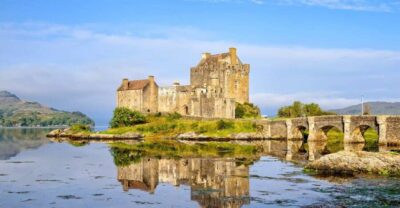
Inverness: Isle of Skye and Eilean Donan Castle Day Trip
Read our review →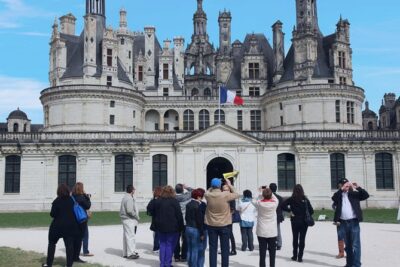
Loire Valley Castles Day Trip from Paris with Complementary Wine
Read our review →
London: Windsor Castle, Stonehenge & Bath Full-Day Tour
Read our review →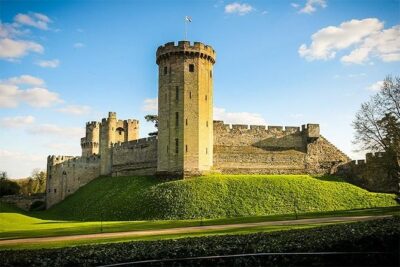
Oxford, Stratford-upon-Avon, Cotswolds & Warwick Castle Day Trip
Read our review →Browse the lists this tour appears in