
Review · KRAKOW
Kraków: 3-Day Wawel Castle, Wieliczka, and Auschwitz Tour
Kraków’s past comes in several powerful chapters here: royal ceremony at Wawel, medieval life beneath the Main Market Square, wartime persecution, salt mining, and the Nazi camp system at Auschwitz. The itinerary gives you a serious look at the city and its surroundings without making you arrange five separate admissions.
I like the way Wawel Castle and the Rynek Underground Museum balance grand rooms with everyday city history. I also like that transport to Wieliczka and Auschwitz is included, two visits that are much easier when someone else handles the road and entry arrangements.
The main consideration is pace. Three full days contain a lot, and Auschwitz in particular is emotionally heavy. You will also need to meet near St. Mary Magdalene Square each day, since hotel pickup is not included.
Key points to know before booking
- Wawel admission includes one permanent exhibition, such as the State Rooms, Royal Private Apartments, or Crown Treasury, depending on availability.
- The Rynek Underground Museum covers 6,000 meters of multimedia displays beneath Kraków’s Main Market Square.
- Schindler’s Enamel Factory includes wartime Kraków exhibits, followed by a guided walk through the former ghetto area.
- Wieliczka Salt Mine adds a dramatic change of scene, with underground chambers, corridors, and salt sculptures.
- Auschwitz requires the exact names of every participant, matching the passport or identity document used at entry.
- The $317 price includes five major admissions, two out-of-town transfers, guides, and one lunch, but not meals on Days 2 and 3.
Why this three-day Kraków plan works
Kraków rewards slow looking, but its major sights do not all tell the same story. Wawel explains royal Poland. The market-square museum shows how the city worked below street level. Schindler’s Factory and the former ghetto area bring the Second World War into focus. Wieliczka reveals an older source of wealth, while Auschwitz forces you to face one of Europe’s darkest crimes.
I like that progression. It is not simply a list of famous places. You move from ceremony and art to trade, occupation, industry, and mass murder. The result is a broad introduction to Kraków and the region, though the schedule leaves little room for unplanned wandering.
The tour costs $317 per person. That is a significant outlay, but the fee covers the main entrance tickets, English-speaking guides, transport to Wieliczka and Oświęcim, and one lunch. If you were already planning to visit all these places, the price can be sensible because you avoid piecing together admissions and intercity transport yourself.
Still, the value depends on how you like to travel. An independent visitor who prefers to linger, choose specific Wawel rooms, or split these sites across a longer stay may find the three-day structure restrictive. If you want a guided framework and a full schedule, the convenience is easier to justify.
More three-day castle trips around Krakow:
- Mont Saint-Michel & Chateaux Country 3-Day Tour from Paris
★ 4.2 · 31 reviews - Ireland: Blarney Castle, Kilkenny & Irish Whiskey 3-Day Tour
★ 4.8 · 12 reviews
Day 1: Wawel Castle and Kraków below the Main Market
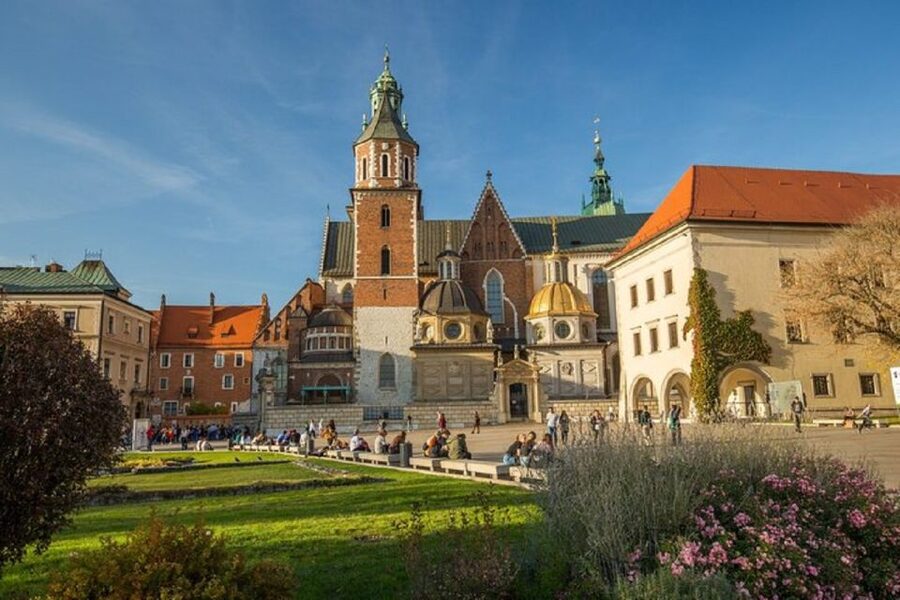
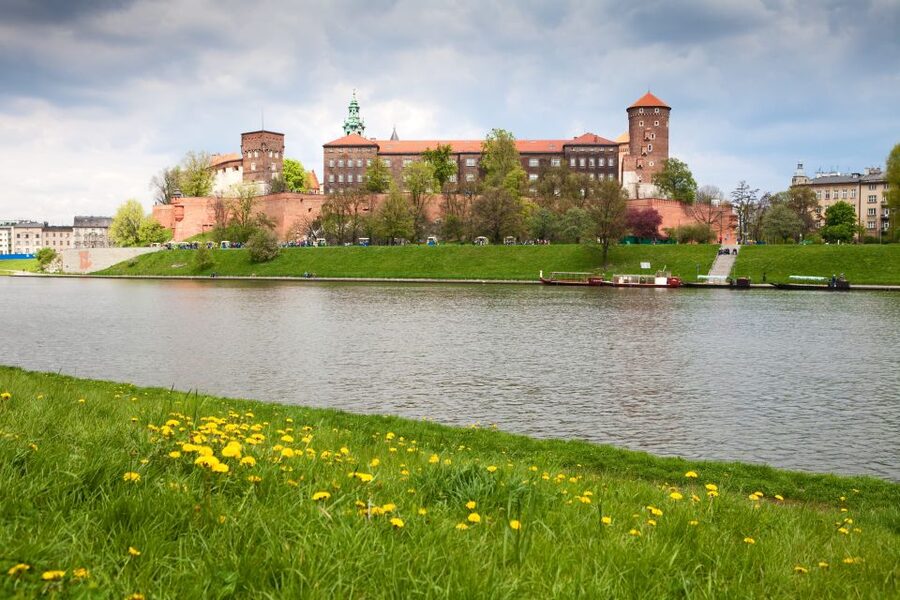
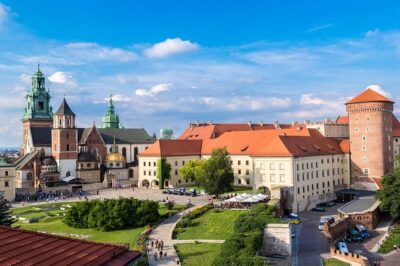
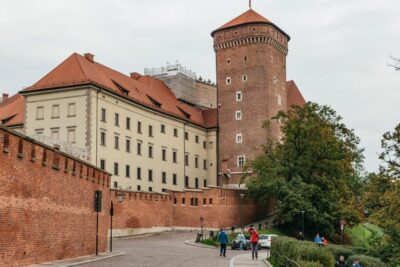
Your first day begins at Wawel Hill, the historic heart of Polish royal power. The castle is a UNESCO World Heritage Site, and the visit focuses on its grand interior collections and the Wawel Cathedral.
Inside the castle, expect rooms decorated with Renaissance paintings and collections that include furniture, porcelain, sculptures, military objects, and paintings. These objects help turn the castle from a famous facade into a working royal residence. You can see how rulers presented power through decoration, weapons, ceremony, and expensive household goods.
One important detail is that the package includes entry to one permanent castle exhibition, not every possible interior. The specific choice may be the State Rooms, Royal Private Apartments, or Crown Treasury, depending on availability. That distinction matters if you have a particular room or collection in mind. Ask your guide which exhibition is assigned before you arrive.
Wawel Cathedral adds a religious and national layer to the visit. It is an active place of worship, so you need to dress with covered shoulders and knees. Shorts and sleeveless tops are not allowed for men or women. Admission can also be suspended during major religious, state, or jubilee events, or during visits by important guests. If that happens, the organizer may substitute another entrance within the castle complex.
After the castle, the day includes lunch at a local café. One lunch is included, but drinks are not. This is a useful pause because the rest of the day involves more standing and walking. Meals on the second and third days are your responsibility.
The afternoon moves underground, beneath Kraków’s Main Market Square. The Rynek Underground Museum presents about 6,000 meters of multimedia exhibits about the city’s past. The setting is part of the appeal. Instead of looking at Kraków only from the surface, you see the layers beneath its central square.
The museum uses modern displays rather than relying only on glass cases and written labels. That can make the city’s development easier to follow, especially if you are new to Polish history. The contrast with Wawel is useful: the castle shows official power, while the underground museum gives more attention to trade, streets, objects, and the changing life of the city.
This first day is a good fit if you enjoy both art and city archaeology. It is less ideal if you want a relaxed first morning or lots of free time around the square. The schedule gives you context quickly, but you will have to return later on your own if you want a long café stop or extra time for shopping.
Day 2: Schindler’s Factory and the former ghetto
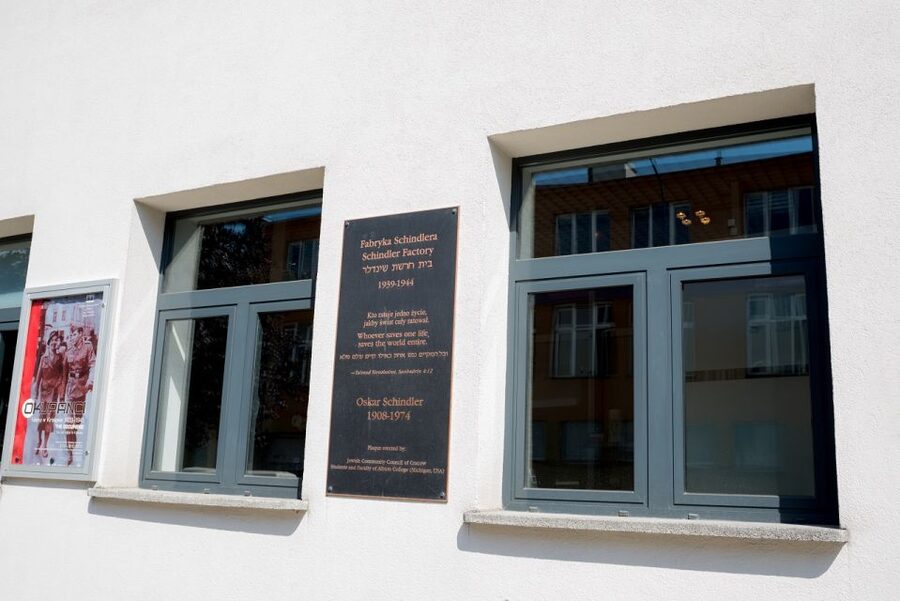
Day two shifts from royal Poland to Kraków during the Second World War. The visit begins at Oskar Schindler’s Enamel Factory, now home to the Museum of Contemporary Art and a branch of the Historical Museum of the City of Kraków.
The wartime material is the main reason this stop matters. Schindler is known for protecting Jewish workers during the Nazi occupation, but the museum also places his story within the wider experience of Kraków under German rule. You should expect a museum that deals with occupation, persecution, and the lives of ordinary people, not just a biographical display about one factory owner.
That wider frame is important. Schindler’s name is familiar because of film and popular culture, but the museum connects his factory to the city’s wartime reality. A guide can help you keep those stories in proportion and explain how the factory fits into Kraków’s larger history.
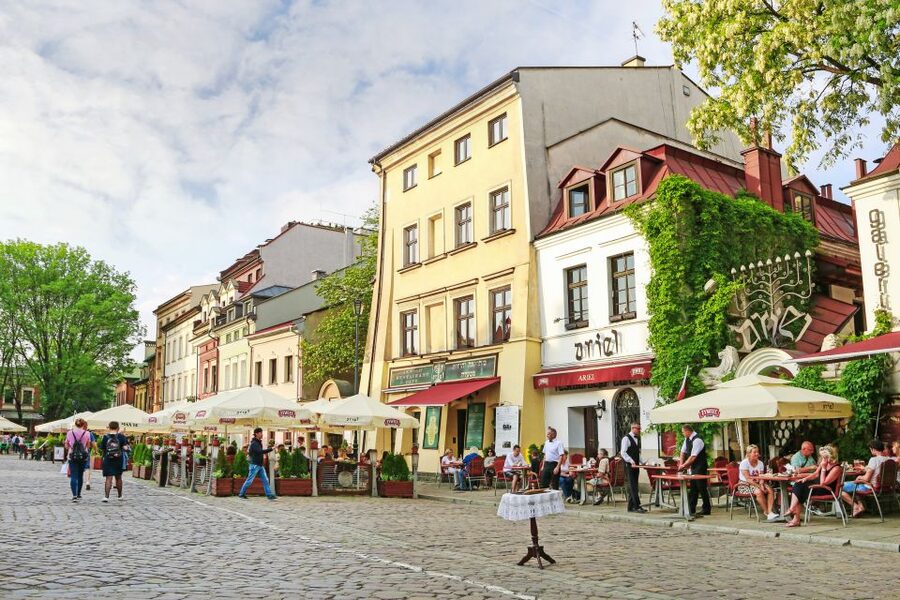
After the museum, you take a short guided walk through the streets where the wartime ghetto was located. The walk ends at a monument dedicated to the victims. This part is quieter and more reflective than a standard city walk. The streets are not simply scenery. They mark a place where people were confined, separated from their homes, and subjected to Nazi persecution.
Do not expect this day to feel light. The subject matter is difficult, and the combination of museum displays, streets, and memorial space gives the experience an emotional weight. I would avoid scheduling a demanding evening event immediately afterward if you know you need time to process what you have seen.
The day continues to the Wieliczka Salt Mine, one of the oldest mines in the world. The change in subject and setting is striking. You leave the wartime city behind and enter a vast underground world of chambers, corridors, legends, and salt sculptures.
The mine is not just a technical site. Its carved spaces and sculptures show how work, faith, and local tradition came together underground. The scale of the chambers gives the visit its drama, while the long corridors make it feel like a real place of labor rather than a single decorated room.
Transport between Kraków and Wieliczka is included, which is one of the practical strengths of the package. You do not need to arrange a separate connection or work out how to combine the mine with the morning museum visit. The day is long, though, and comfortable shoes are essential.
The supplied information does not specify the exact start times or group size, so check availability before booking. That matters on a day combining a museum, a walking route, and a major out-of-town site. You should plan for a full day rather than assuming the mine is a quick afternoon add-on.
Day 3: Auschwitz and the responsibility of remembrance

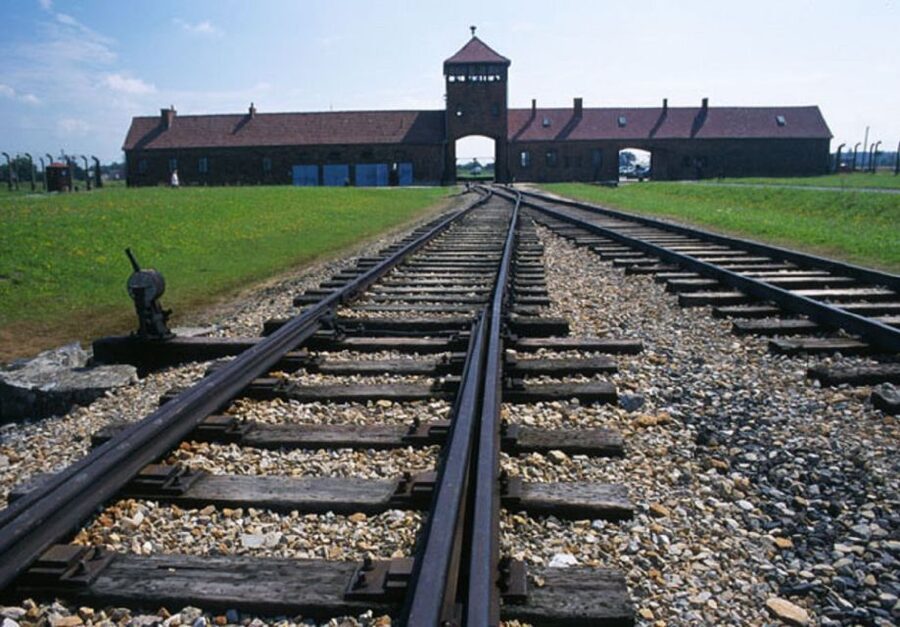
The final day is devoted to Auschwitz-Birkenau Memorial and Museum, reached by included transport between Kraków and Oświęcim. The former concentration camp was established under the authority of the SS and police leaders in Kraków. The site is preserved as a place of remembrance and as evidence of crimes committed against humanity.
The visit includes remains and locations connected with the camp system, including crematoria ruins, gas chambers, the railway platform, and other surviving elements. These are not abstract historical references. The physical site gives scale and place to the Holocaust, which is why a guided visit can be useful.
Expect a serious day. Auschwitz is not an attraction to squeeze between casual sightseeing stops. You will be walking through a memorial site where the purpose is to remember victims and understand how persecution became organized mass murder. The guide’s role is to provide context and help you read the site responsibly.
The practical requirement here is especially important: every admission ticket is personal, and you must provide each participant’s first and last name exactly as shown on the identity document. Bring a passport or ID card. A mismatch can create a problem at entry, so check the spelling carefully when booking.
Comfortable shoes are also necessary. The tour involves walking across a preserved former camp site, and the day can be physically tiring even before you account for the emotional strain. The tour data does not specify the total time at Auschwitz or the precise departure hour, so confirm the schedule when you select your date.
Lunch is not included on this day. Carrying or arranging food may be useful, but the available information does not specify meal stops or a particular dining plan. Treat the day as a carefully organized memorial visit, not a flexible excursion with many choices.
More castles to explore around Krakow:
- Krakow: Wawel Castle & Cathedral Guided Tour
★ 4.7 · 2,111 reviews - Old Town Krakow & Wawel Castle Walking Tour
★ 5.0 · 1,508 reviews - Krakow: Wawel Royal Hill with Optional Castle and Cathedral
★ 4.2 · 1,220 reviews - Krakow: Wawel Castle and Cathedral Guided Tour
★ 4.6 · 595 reviews
Meeting point, transport, and what to wear
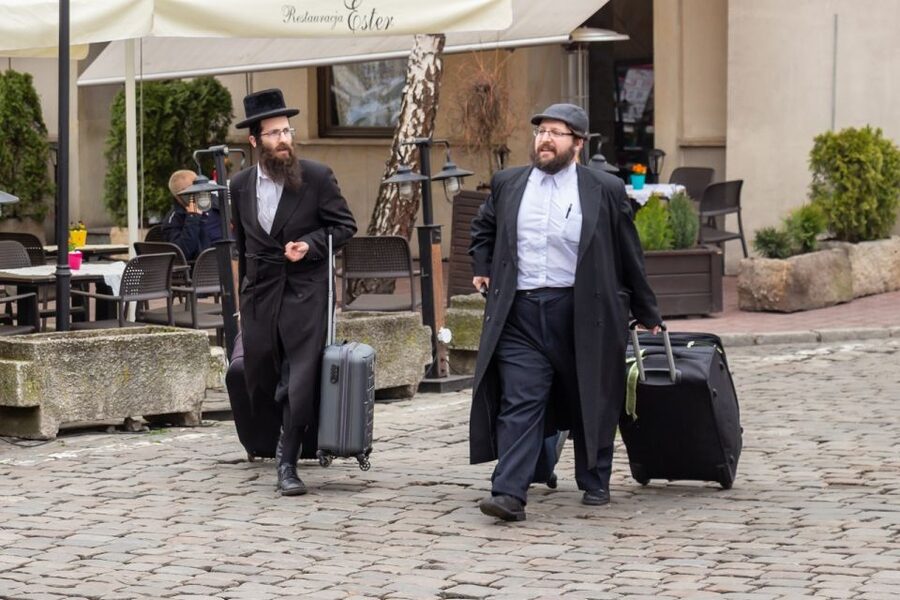
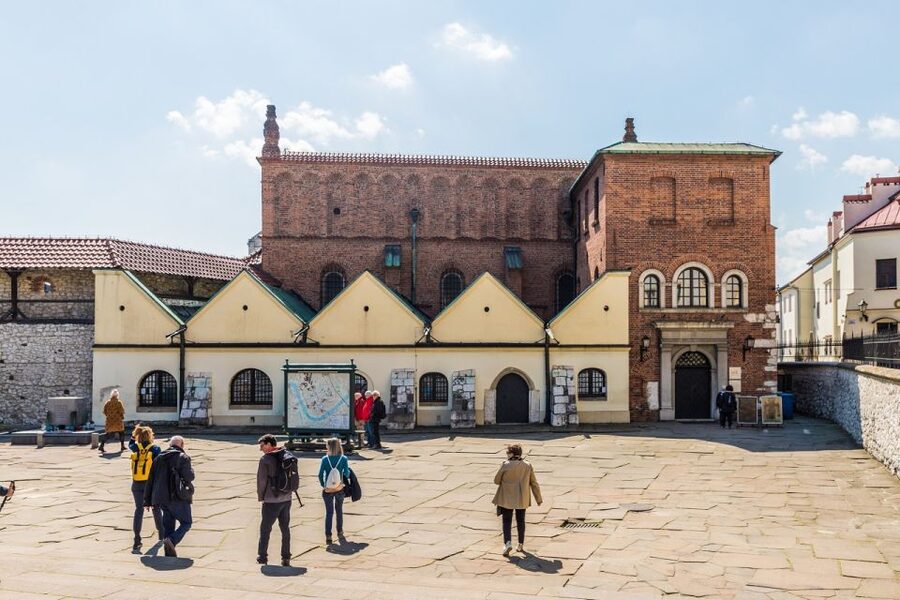
The meeting point is next to the Piotr Skarga monument at St. Mary Magdalene Square. Look for the guide holding a sign marked excursions.city. The tour ends back at the same meeting point.
There is no hotel pickup or drop-off. That makes the central meeting point convenient if you are staying near Kraków’s old center, but you need to allow time to reach it independently. Starting times vary by availability, so check the exact schedule instead of assuming each day begins at the same hour.
Transport is included for the Kraków to Wieliczka and Kraków to Oświęcim journeys. The information does not say that all local movement between every Kraków stop is provided, so be ready to meet the guide at the stated location and follow the day’s instructions.
Bring an identity document, especially for Auschwitz. Wear comfortable shoes throughout. For Wawel Cathedral, choose clothing that covers your knees and shoulders. These rules apply to both men and women, and entry may be refused if you do not follow them.
The tour is conducted in English with live guides. No individual guide names are provided, so you should not expect to select a particular guide when booking.
Who will get the most from this tour
I would recommend this experience to a first-time Kraków visitor who wants the major historical sites arranged into a clear three-day plan. It suits you if you value explanations, included admission, and help with the two out-of-town visits more than you value setting your own pace.
It is also a strong option for anyone who wants to connect Kraków’s royal, medieval, wartime, and industrial stories. The itinerary does not treat the city as a collection of postcard views. It asks you to consider how power, religion, trade, occupation, work, and memory shaped the place.
You may want a different plan if you prefer museums in short doses, dislike fixed schedules, or need substantial rest between emotional and physically demanding visits. The sequence is efficient, but not gentle. Auschwitz and the former ghetto area require attention, while Wieliczka and Wawel involve plenty of standing and walking.
The high praise for this experience centers on its organization and helpful service. That matches the main appeal: the complicated pieces are put in order, admissions are arranged, and transport is supplied for the hardest connections. Just remember that good organization does not mean a slow pace.
Is the $317 price fair?
The price is easiest to justify if you intend to visit every major stop listed. Included admission covers Wawel’s selected permanent exhibition, Wawel Cathedral, Rynek Underground Museum, Schindler’s Enamel Factory, Wieliczka Salt Mine, and Auschwitz-Birkenau. You also receive guided visits, two return transfers, and one lunch without drinks.
The exclusions are clear. You pay for lunch on Days 2 and 3, drinks, and your own travel to the meeting point. The Wawel ticket covers one permanent exhibition, not necessarily every castle collection. Those details keep the package from being an all-inclusive pass, but they do not erase its practical value.
I would compare the price with the cost of separate admissions and transport, then ask yourself how much you value having the days arranged. If you are comfortable booking museums and buses yourself, you may find more flexibility independently. If you want one English-language plan covering the region’s most important sites, $317 can be reasonable.
Should you book it?
Book this tour if you want a concentrated introduction to Kraków and its surrounding memorial and cultural sites, with guides handling the main logistics. It is especially useful for a first visit, a short stay, or anyone who does not want to manage Auschwitz and Wieliczka independently.
Think twice if you want leisurely museum visits or a light sightseeing holiday. The schedule is full, the subject matter is sometimes painful, and hotel pickup is not included. Bring your ID, dress properly for Wawel Cathedral, wear good shoes, and check the exact start times before paying.
Free cancellation is available up to 24 hours in advance, and you can reserve now and pay later. Those terms offer some flexibility, but the most important decision is simpler: are you ready for three focused days of Kraków’s grandest sights and hardest stories?
FAQ
Where does the tour start?
Meet the guide next to the Piotr Skarga monument at St. Mary Magdalene Square. The guide will hold a sign marked excursions.city.
Does the tour include hotel pickup?
No. Hotel pickup and drop-off are not included. The tour begins and ends at the stated meeting point.
Which language is the tour conducted in?
The live tour guide service is provided in English.
What is included at Wawel Castle?
Your ticket includes one permanent exhibition, which may be the State Rooms, Royal Private Apartments, or Crown Treasury, depending on availability. Entry to Wawel Cathedral is also included.
What identification do I need for Auschwitz?
Bring a passport or ID card. When booking, enter each participant’s first and last name exactly as shown on that document because Auschwitz admission tickets are personal.
Are meals included?
One lunch, without drinks, is included. Lunch on the second and third days is not included.
New castle tours around Krakow
- Krakow: Wawel Guided Tour – Cathedral and/or Castle★ 4.5 · 249 reviews
- Krakow: Wawel Castle, Cathedral, Salt Mine, and Lunch★ 5.0 · 2 reviews
- Krakow: Wawel Castle Guided Tour★ 4.7 · 14 reviews
- Krakow: Wawel Castle, Cathedral, Salt Mine, and Lunch★ 4.9 · 4 reviews
- Krakow: Wawel Castle, Cathedral, Salt Mine, and Lunch★ 4.9 · 6 reviews
- Krakow: Wawel Castle & Cathedral, Old Town & City Basilica★ 5.0 · 5 reviews
- Krakow: Wawel Castle, Cathedral, Rynek Underground & Lunch★ 4.4 · 12 reviews
- Krakow: Wawel Castle & Cathedral Guided Tour★ 4.5 · 20 reviews
Krakow Castle Tours, compared.
Krakow: Wawel Royal Hill with Optional Castle and Cathedral
Read our review →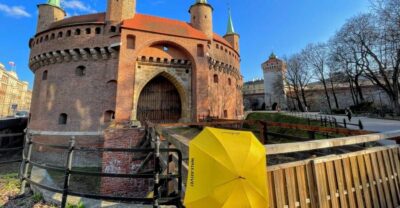
Kraków: Old Town & Wawel Castle Walking Tour in English
Read our review →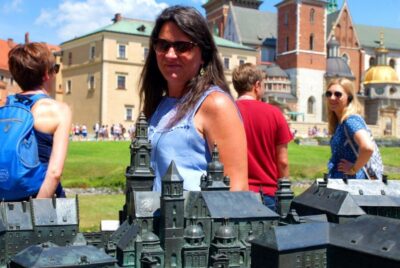
Krakow: Wawel Castle Guided Tour with Entry Tickets
Read our review →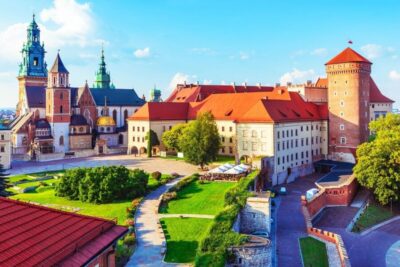
Skip-the-Line Wawel Castle Chambers Private Tour
Read our review →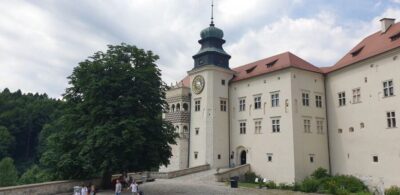
From Krakow: Ojców National Park & Ogrodzieniec Castle Tour
Read our review →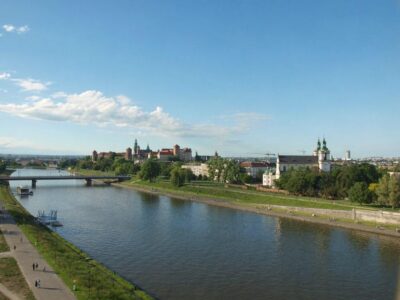
Guided Tour of the Wawel Castle & Cathedral in Cracow
Read our review →Browse the lists this tour appears in