
Review · Castles worldwide
Iron Gate: Golubac fortress, Lepenski vir, boat cruise 1.5h
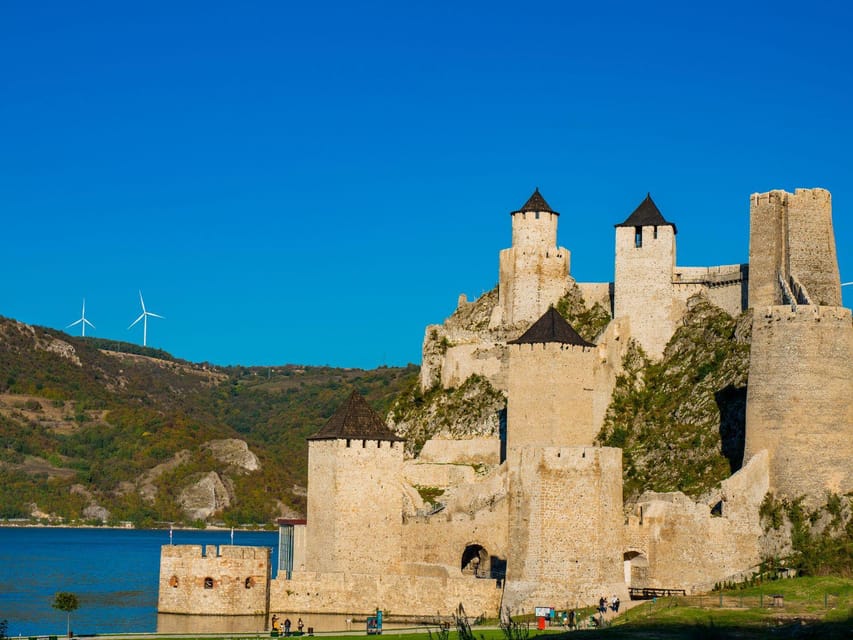
Golubac Fortress rises above the Danube like a stone gate to Serbia’s Iron Gate. This long day from Belgrade links three very different sights: a medieval fortress, an 8,000-year-old settlement, and a 1.5-hour cruise through Djerdap National Park. Guide Luka is specifically praised for helping make the day memorable.
I like the way the tour combines major sights that would be awkward to reach without a car, and I like that the boat route includes the Great and Small Kazan, the Decebalus rock carving, and the Roman Tabula Traiana. The catch is the road time: you will spend several hours in a van, and lunch is not included, so bring snacks and expect a full, tiring day.
Key things to know before you book
- Golubac Fortress has ten towers: You can climb its walls and see why this defensive site controlled the Danube route.
- The boat cruise reaches the narrowest part of Iron Gate: The Danube narrows to about 140 meters and reaches a depth of about 90 meters near the Kazan section.
- Lepenski Vir is far older than the fortress: The settlement dates from roughly 6500 to 4500 BC and offers a look at some of Europe’s earliest organized life.
- The $146 price covers the costly pieces: Transport from Belgrade, a guide, both entrance tickets, and the 1.5-hour cruise are included.
- This is an 11-hour outing: The sights are spread along the Danube, so the experience is rewarding but not light or casual.
- Guide Luka has earned special praise: If he leads your departure, expect a personal touch, though guide assignments can vary.
Why Iron Gate makes a strong day trip from Belgrade
Serbia’s Iron Gate region is a fine reminder that the country is more than Belgrade’s cafés, churches, and riverfront. Here the Danube cuts through a dramatic series of gorges along the edge of Djerdap National Park. Fortifications, prehistoric settlements, Roman markers, and steep river scenery all appear in one day.
The practical problem is distance. Golubac Fortress is about four kilometers downstream from the modern town of Golubac, while Lepenski Vir lies farther along the river. Public transport will not tie these places together neatly, especially if you also want the boat trip. A guided van solves that problem.
The cost is $146 per person, which is fair if you value convenience. You are paying not just for a ride, but also for the Golubac and Lepenski Vir admissions, a licensed English-speaking guide, and a full 90-minute cruise. Lunch is extra, and the day involves a lot of sitting between stops, so the value depends on how much you want to see beyond Belgrade in a single outing.
More fortresses and citadels around the world:
- Carcassonne: Castle and Ramparts Entry Ticket
★ 4.6 · 2,884 reviews - Salzburg: Hohensalzburg Fortress Admission Ticket
★ 4.6 · 2,236 reviews - Salzburg: Best of Mozart Fortress Concert and Dinner
★ 4.5 · 1,424 reviews
The two-hour ride from Belgrade
Pickup is available from hotels within five kilometers of Republic Square. If your accommodation sits in Belgrade’s pedestrian zone, the pickup point will be close by. A hotel farther than five kilometers from Republic Square requires direct contact with the operator.
The first drive takes about two hours. That sounds long, but it is the price of reaching the eastern Danube. You will want comfortable clothes, a jacket, and shoes that work on stone steps. A sun hat is also useful, since parts of the fortress and boat have little shade.
The van transfer is part of the trade-off. You gain a carefully arranged day and avoid planning several separate connections, but you do not get much freedom to linger in one place. If you prefer slow travel with long meals and unplanned stops, this tour may feel tightly packed. If you have limited time in Serbia, it puts a large stretch of the Danube within reach.
Golubac Fortress and its ten towers
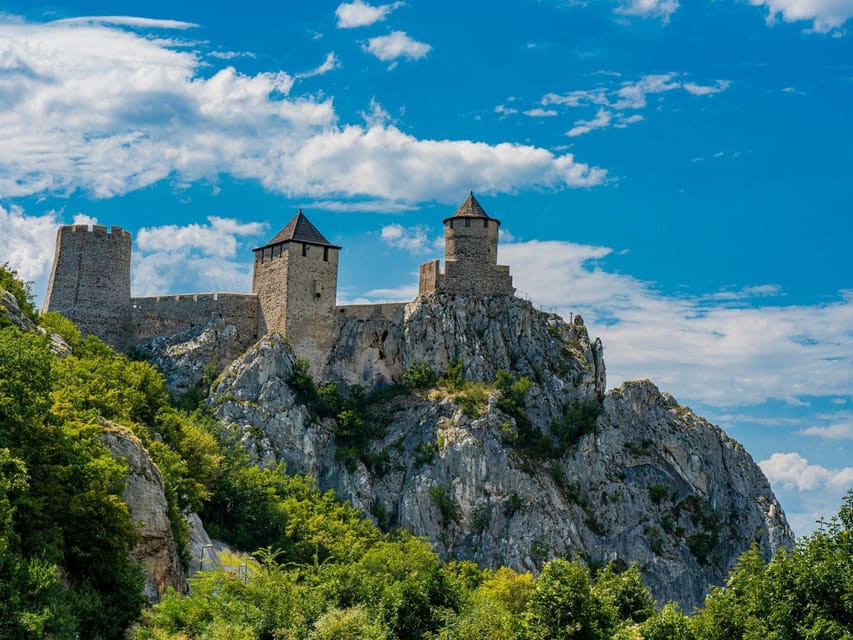
Your first major stop is Golubac Fortress, with about 1.5 hours for a guided visit and sightseeing. Built most likely in the 14th century, the fortress was developed in stages and divided into three compounds. Its ten towers give it a striking profile from both the road and the river.
The fortress was not simply a pretty castle. It guarded a major passage along the Danube, and the later strengthening of several square towers reflects the arrival of firearms. That detail helps you read the structure as a working military site rather than a collection of romantic ruins.
You can climb the walls and towers, then look down over the river. The view is one of the best reasons to come. Golubac sits where the Danube begins to tighten into the Iron Gate region, so the surrounding scenery gives you an immediate sense of why this location mattered.
Allow for uneven ground and stairs. The supplied information does not specify the exact access arrangements for every section, so ask your guide what you can reach on the day. Comfortable footwear is not optional here. Smooth city shoes will be a poor match for old stone surfaces.
The 90-minute stop is enough for a guided introduction and photographs, but not for a slow, detailed study of every corner. I see that as a reasonable balance. The fortress is a major highlight, yet the day still has Lepenski Vir and the cruise ahead.
The Danube through Djerdap National Park
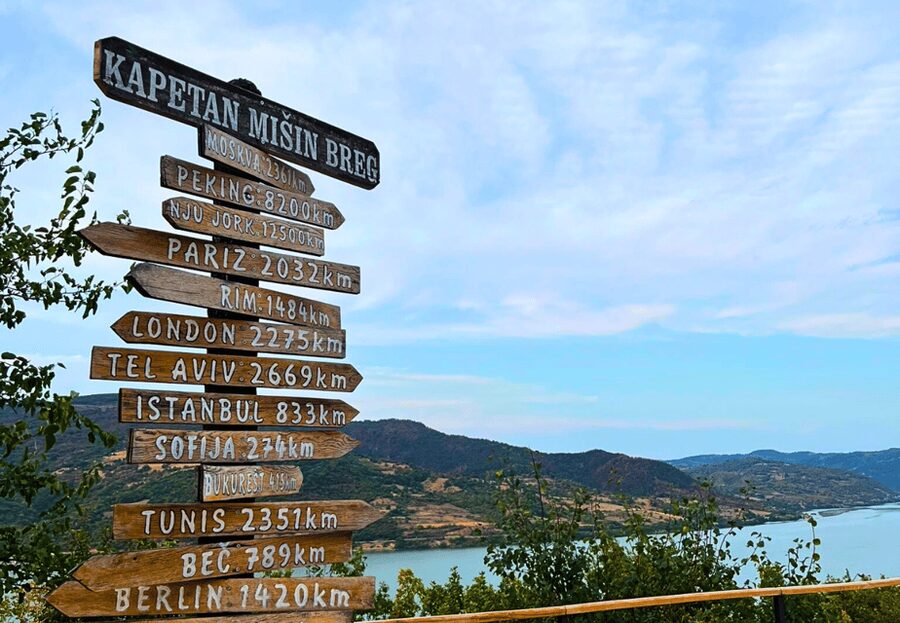
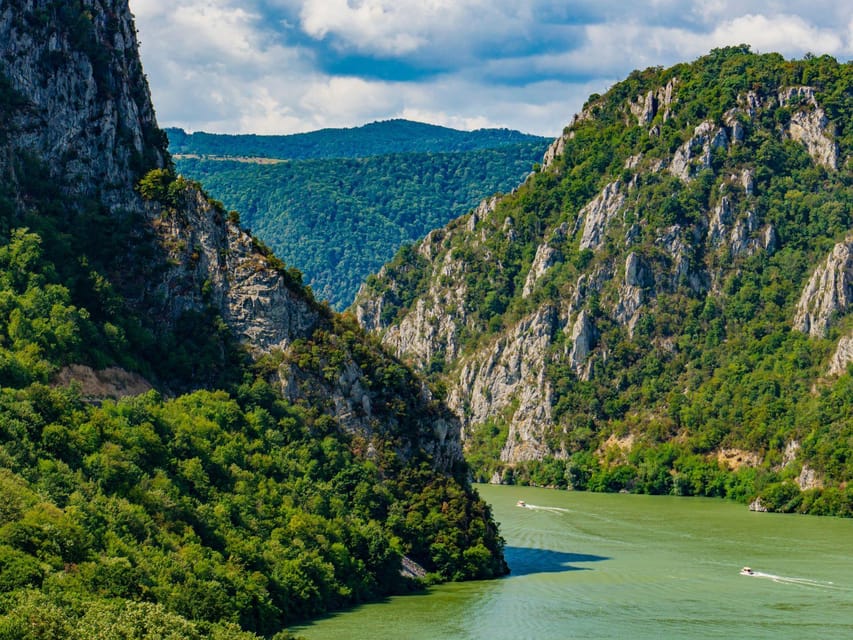
After Golubac, the drive continues for about 75 minutes toward the boat departure. Djerdap National Park covers more than 63,000 acres and protects plant and animal life along the right bank of the Danube. Its defining feature is the river itself, cut into gorges, canyons, and river valleys.
The Iron Gates are not one single gorge. They include four major sections: Golubac, Gospođina Vira, Kazan, and Sip. The Kazan section is the great showpiece, with the Great and Small Kazan narrowing the river and creating steep, close-set views from the water.
The boat cruise lasts 1.5 hours. That is long enough to make the river more than a backdrop. You will see the water from inside the gorge, where the scale of the cliffs and the narrow channel become easier to grasp than from a roadside viewpoint.
The route includes the Decebalus rock sculpture and the Roman Tabula Traiana. These sights give the cruise a useful historical edge. You are not only looking at cliffs and water. You are following an old corridor used by empires, armies, traders, and river communities.
The Danube reaches its narrowest point here at about 140 meters and its greatest depth at about 90 meters. Those numbers matter because the river can look broad and calm from shore. From the boat, the confined shape of the channel makes the engineering and geography of the Iron Gate easier to understand.
Bring a jacket even on a warm day. The boat ride exposes you to sun and wind, and weather can feel different on open water. A hat helps, but keep it secure.
More castles to explore around the world:
- Stonehenge, Windsor Castle, and Bath from London
★ 4.5 · 18,662 reviews - Bucharest: Dracula’s Castle, Peles Castle, & Brasov Old Town
★ 4.5 · 17,858 reviews - From Munich: Neuschwanstein & Linderhof Castle Full-Day Trip
★ 4.6 · 14,646 reviews - Edinburgh Castle: Guided Walking Tour with Entry Ticket
★ 4.7 · 11,699 reviews
The Decebalus sculpture and Tabula Traiana
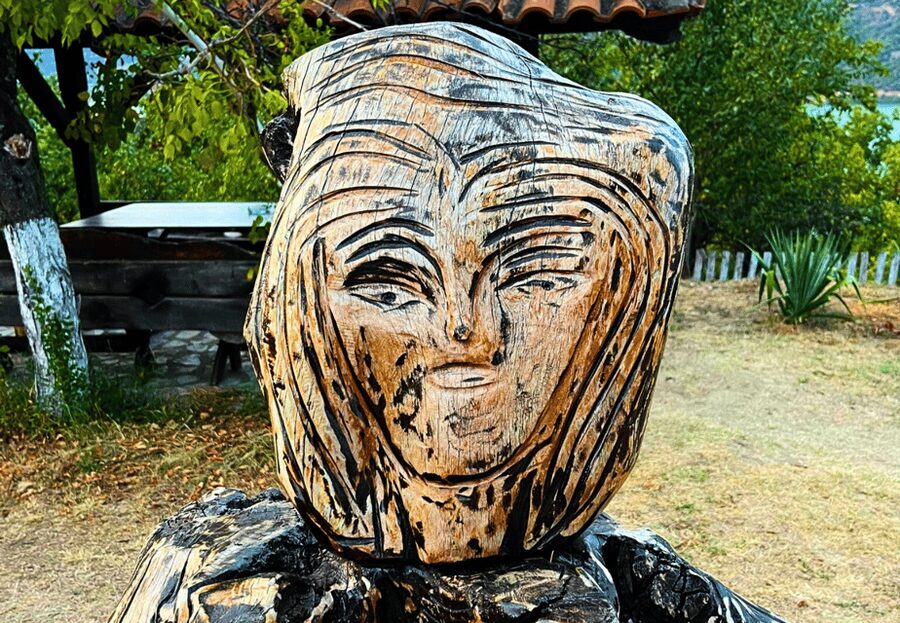
Two details on the cruise deserve special attention. The first is the large rock-carved face of Decebalus, the Dacian king. It is an arresting sight because it appears directly on the cliff face above the river, not in a museum or isolated archaeological park.
The second is Tabula Traiana, a Roman inscription cut into the rock. It records the Roman presence along the Danube and is best understood as part of a wider military and transport system. Your guide can place these marks in the story of the river, which is one reason a guided cruise is more useful than simply hiring a boat without context.
The tour also names the Great and Small Kazan as specific cruise points. The word kazan means cauldron, a good description of the tight, dramatic river sections. This is the part of the day where the geography does most of the talking.
Lepenski Vir and Europe’s early settlements
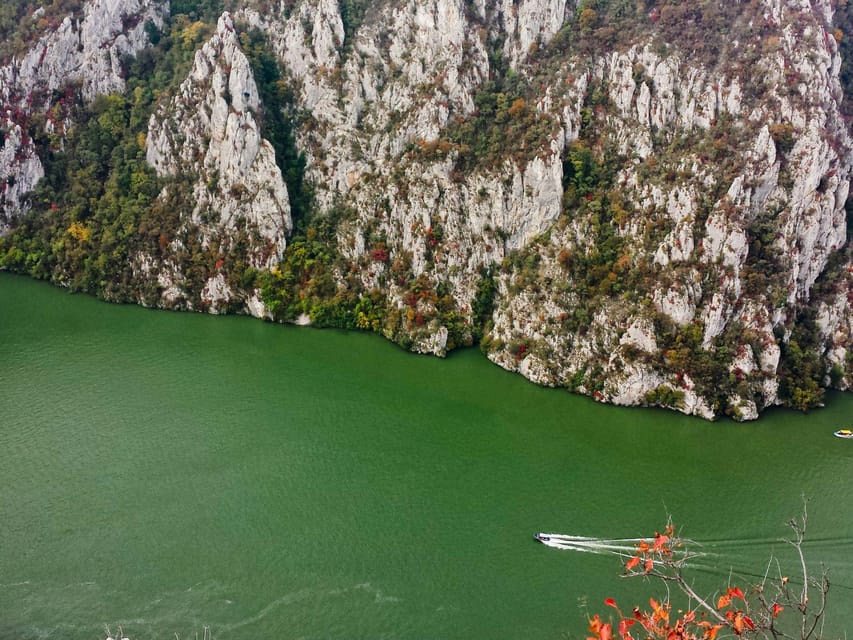
Lepenski Vir changes the subject completely. After the cruise, a short van ride of about 20 minutes brings you to the archaeological site. The settlement was founded around 8,000 years ago and lasted from approximately 6500 to 4500 BC.
This is not a medieval village or a Roman fort. It belongs to a much earlier period, when organized communities were forming along the Danube. The site is often described as one of the oldest settlements in Europe, and its importance lies in the evidence of planned human life in an open setting.
Lepenski Vir was found during major excavations connected with the construction of the Djerdap I hydroelectric power plant. A visitor center opened in 2011 to protect and present the remains under a large roof. That setting matters: you can see the archaeological evidence in a controlled space rather than trying to find scattered traces outdoors.
The visit gives the tour a useful rhythm. Golubac shows military power in the Middle Ages. The cruise shows how the river shaped movement and borders. Lepenski Vir takes you back thousands of years before either of those stories.
Do not expect a huge open-air archaeological city. The value is in the age and design of the settlement, plus the ability to connect it with the Danube region around you. If prehistoric archaeology interests you, this may be the stop that gives the day its real depth. If your main goal is castles and scenery, you may find it quieter and less immediately dramatic than Golubac or the boat.
The long return to Belgrade
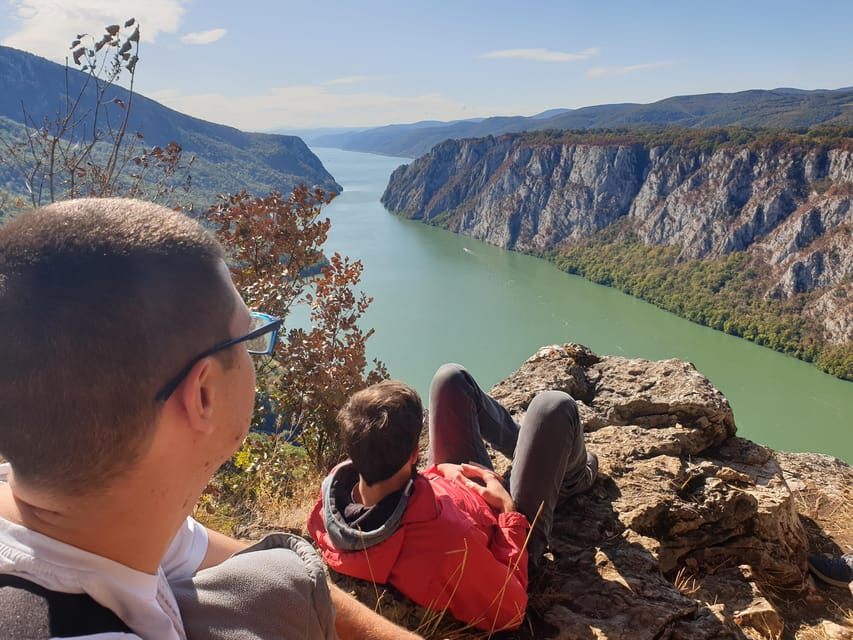
After Lepenski Vir, the return drive takes about 2.5 hours, with the full experience lasting around 11 hours once pickup and transfers are counted. You should treat this as a complete day, not as a half-day excursion with a little extra sightseeing.
The length has two sides. You get a rare chance to reach Serbia’s eastern Danube without arranging a rental car, route, parking, tickets, and boat separately. At the same time, the van rides can feel substantial after a fortress visit and a cruise.
I recommend eating before departure or carrying food with you. Lunch is not included, and the supplied schedule does not promise a dedicated restaurant stop. Water and simple snacks are sensible. A proper meal in Belgrade after returning may be the easiest plan.
What the $146 price really buys
At $146, this is not the cheapest way to spend a day from Belgrade. The price makes more sense when you count the included parts:
- Hotel pickup and drop-off within the stated area
- Minibus or van transport
- An English-speaking licensed guide
- Entrance to Golubac Fortress
- Entrance to Lepenski Vir
- The 1.5-hour Iron Gate boat cruise
- Tour organization
You still need to cover lunch and a gratuity for the guide and driver. That is normal for this type of full-day excursion, but it means your final cost will be higher than the headline price.
For me, the strongest value is the combination of access and timing. You are not paying for one attraction. You are reaching a remote stretch of the Danube and seeing three connected chapters of its story in one day. The tour is a good use of money if you have already seen Belgrade’s main sights and want a broader view of Serbia.
The value is weaker if you dislike long drives, need a slow pace, or would rather spend a whole day at one fortress. The tour cannot change the geography. Iron Gate is far from Belgrade, and the road time comes with the territory.
Who should book this Iron Gate tour?
I would choose this trip if you want scenery, archaeology, and fortifications in one package. It suits first-time visitors who do not have a car, history-minded travelers, and anyone who wants to see a major Serbian region beyond the capital.
It also works well for people who like variety. You might begin the day climbing medieval walls, spend the middle hours on the Danube, and finish among prehistoric remains. Few day trips offer such a wide time span.
I would hesitate if you need easy mobility, dislike stairs, or find 11-hour excursions exhausting. The information provided does not give detailed access guidance for the fortress, van, boat, or archaeological center, so ask the operator before booking if that affects your plans.
The English guide is a key part of the experience. Guide Luka is singled out for helping make the day unforgettable, and the tour’s five-star rating across seven submitted ratings supports a strong overall impression. Still, guide assignments may differ, so book for the route and structure first, not on the assumption that Luka will lead every departure.
Free cancellation is available up to 24 hours before departure, and you can reserve without paying immediately. That flexibility is useful for a long day trip, especially since weather can affect the comfort of a boat ride. The operator has also handled disrupted departures with a later voucher and, when needed, a full refund, which gives you some reassurance when plans change.
My call: book it if you want Serbia beyond Belgrade
Book this tour if Golubac Fortress, the Iron Gate gorge, and Lepenski Vir all sound worthwhile to you. The day is long, but the route earns its hours by combining a medieval stronghold, a powerful river setting, and one of Europe’s oldest known settlements.
Skip it if you want an easy local outing or a relaxed day with a long lunch. For everyone else, the $146 price is reasonable for the transport, admissions, guide, and cruise. Pack comfortable shoes, a hat, a jacket, and food for the road, then expect one of Serbia’s most varied day trips.
FAQ
How long does the Iron Gate tour last?
The tour lasts 11 hours, including transportation from Belgrade, visits to the main sites, the boat cruise, and the return trip.
Where does the tour start?
Pickup is in Belgrade. Free pickup is available from hotels within five kilometers of Republic Square. If your accommodation is in the pedestrian zone, the pickup point will be very close to your accommodation.
Is transportation included?
Yes. The tour includes transfer by minibus or van, hotel pickup and drop-off within the stated pickup area, and tour organization.
What language is the tour conducted in?
The tour is conducted in English by a live English-speaking guide.
Are entrance tickets included?
Yes. Admission to Golubac Fortress and Lepenski Vir is included in the price.
How long is the boat cruise?
The boat cruise on the Iron Gate lasts 1.5 hours. It includes the Great and Small Kazan, the Decebalus rock sculpture, and Tabula Traiana.
Is lunch included?
No. Lunch is not included, so you should bring food or plan to purchase something separately.
What should I bring?
Bring comfortable shoes, a sun hat, a jacket, and comfortable clothing. These items are useful for the fortress, the outdoor portions of the day, and the boat ride.
New castle tours around the world
- From Prague: Karlštejn Castle & Koněprusy Caves Tour★ 4.9 · 183 reviews
- Prague: 2.5-Hour Vyšehrad Castle with Gorlice & Tickets★ 4.5 · 118 reviews
- Prague: Alchemy & Mysteries Bridge and Castle Evening Tour★ 5.0 · 8 reviews
- Prague Castle: 1-Hour Introduction Tour with Entry Ticket★ 4.2 · 41 reviews
- Potsdam: The evening Wannsee tour. Castles, parks, and villas.★ 4.7 · 63 reviews
- Prague: Stunning Viewpoints, Castle, City & Park Bike Tour★ 4.6 · 38 reviews
- Prague: River & Park Bike Tour to Troja Chateau★ 5.0 · 8 reviews
- Ljubljana: Postojna cave & Predjama castle small group tour★ 4.9 · 29 reviews
Fortress & Citadel Tours, compared.
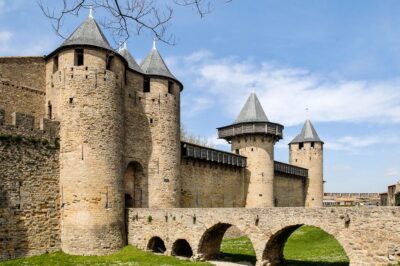
Carcassonne: Castle and Ramparts Entry Ticket
Read our review →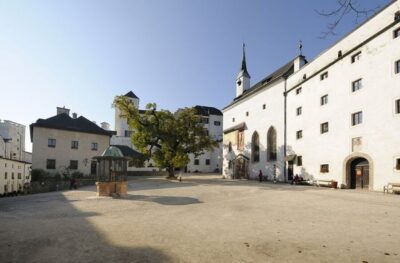
Salzburg: Hohensalzburg Fortress Admission Ticket
Read our review →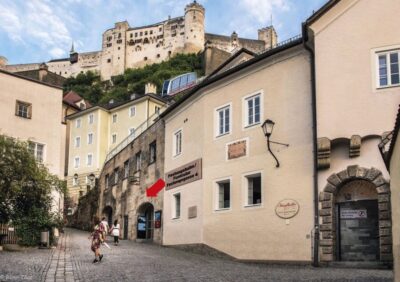
Salzburg: Best of Mozart Fortress Concert and Dinner
Read our review →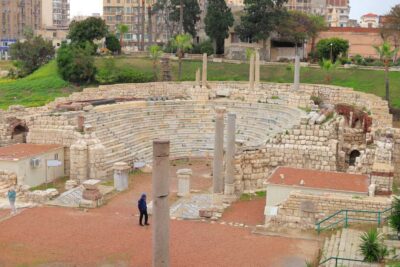
From Cairo Alexandria Catacombs, Citadel Day Trip with Lunch
Read our review →
Hue Customizable Tour with Imperial Citadel & Forbidden City
Read our review →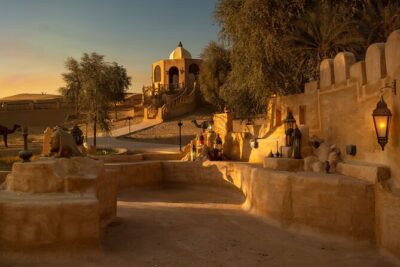
Desert Safari: Luxury Fortress Dinner, Camel Ride & Dune Bashing
Read our review →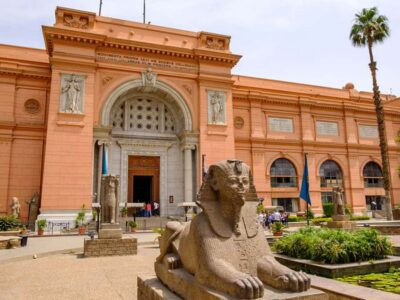
Cairo: Egyptian Museum, Citadel, and Old Cairo Guided Tour
Read our review →
Cairo Citadel, Old Cairo and Khan El Khalili: Private Tour
Read our review →Browse the lists this tour appears in