
Review · VIETNAM
Hue Imperial City Walking Tour: Citadel & Forbidden City
Hue’s Imperial City is too large and layered for a quick look at painted gates and worn palace walls. This walking tour helps you connect the buildings to the Nguyen emperors who ruled from Hue, from the formal court at Thai Hoa Palace to the family quarters inside the Forbidden City.
I like the chance to ask questions as you go, and I like the steady pace reported by guides such as Ngoc, Nhien, Ha, Huong, Hoa, Sue, and Xi. The main drawback is practical: entry tickets and food are not included, and the three to five-and-a-half-hour walk can feel long in hot, wet, or gray weather.
Key points to know before you book
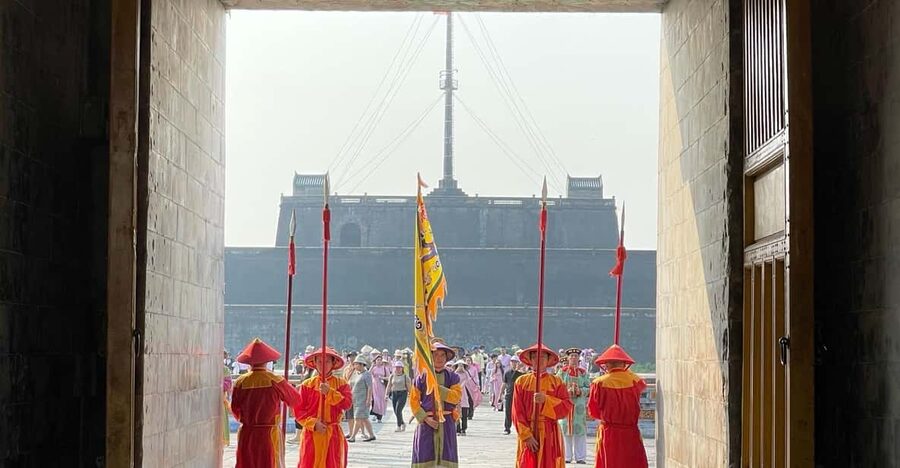
- Ngo Mon Gate sets the scene: Begin at the grand southern entrance before moving into the court buildings.
- The guide adds the missing context: Expect stories about Nguyen emperors, succession, worship, daily life, war, and restoration.
- Kien Trung Palace is a major stop: See a royal residence rebuilt as part of the Forbidden City area.
- The route covers more than the main palace: The Mieu, Hien Lam Pavilion, royal gardens, theater, and library are included.
- Private attention is possible: Small groups and private tours are available, and some departures end up being one-on-one.
- Plan for a long walk: The stated duration ranges from 150 to 330 minutes, so bring water, sun protection, and comfortable shoes.
Why a guide matters inside Hue’s huge citadel
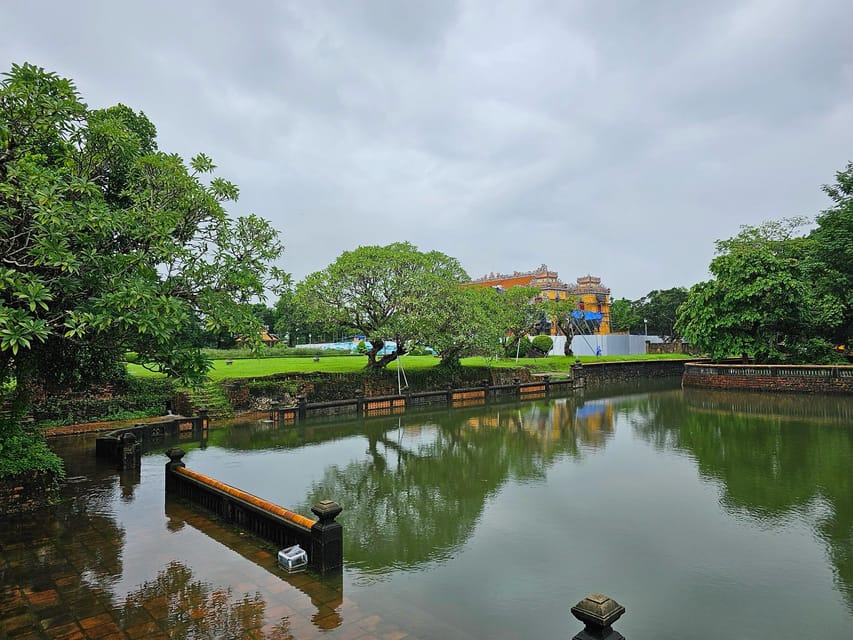
Hue’s Imperial City is not one building with a neat beginning and end. It is a broad complex of gates, courts, temples, gardens, residences, pavilions, and partially restored structures. Without help, you can admire the colors and rooflines yet miss why a building mattered.
This tour gives you a thread to follow. You learn about the Nguyen Dynasty, the last ruling dynasty of Vietnam, while moving through the spaces used for ceremony, worship, government, and royal family life. The best guides make the place easier to read rather than simply pointing out one monument after another.
That distinction matters here. A worn wall may tell you as much about Hue’s past as a newly restored palace, but only if someone explains what changed and why. Guides including Ngoc and Nhien have been praised for answering detailed questions, while Huong and Ha are noted for adjusting the pace and explaining things clearly.
The experience is offered in English or French. Some guides have also helped visitors who needed information delivered slowly for translation within their own group. That makes the private option especially useful for families or mixed-language parties.
More fortresses and citadels around the world:
- Carcassonne: Castle and Ramparts Entry Ticket
★ 4.6 · 2,884 reviews - Salzburg: Hohensalzburg Fortress Admission Ticket
★ 4.6 · 2,236 reviews - Salzburg: Best of Mozart Fortress Concert and Dinner
★ 4.5 · 1,424 reviews
Meeting at the Four Cannons
The meeting instructions need care. Google Maps may label the area Nine Holy Cannons, but the cannons are split between two sites. Four are displayed near Cua Ngan, and five are near Quang Duc Gate. The meeting point for this tour is the Four Cannons location.
Your guide waits there. You are asked to provide a WhatsApp number so the guide can send a map location if needed. Pickup from your hotel is optional when you select that arrangement, but you should provide the hotel name and WhatsApp contact in advance.
The meeting point is outside the main palace route, so do not assume that any cannon display is correct. This is one of the few practical details that can affect the start of an otherwise simple walking tour.
Entering through Ngo Mon Gate
The tour walks into the Imperial City through Ngo Mon Gate, the grand entrance facing south. It is a fitting place to begin because it introduces the strict order of the royal compound. The gate is not just a photo stop. It helps you understand how access, ceremony, and rank shaped the city.
You have about 20 minutes here for photos and an introduction. Use that time to get your bearings and ask your guide how the Imperial City differs from the Forbidden City. The names can sound interchangeable, but the tour treats them as connected parts of the larger royal complex.
The size of the site becomes clear quickly. You are not simply walking from one intact palace to another. Some areas are restored, some are open courtyards, and some structures show the effects of age and war. That mix gives the visit a more honest feel than a perfectly polished reconstruction.
Thai Hoa Palace and the formal court
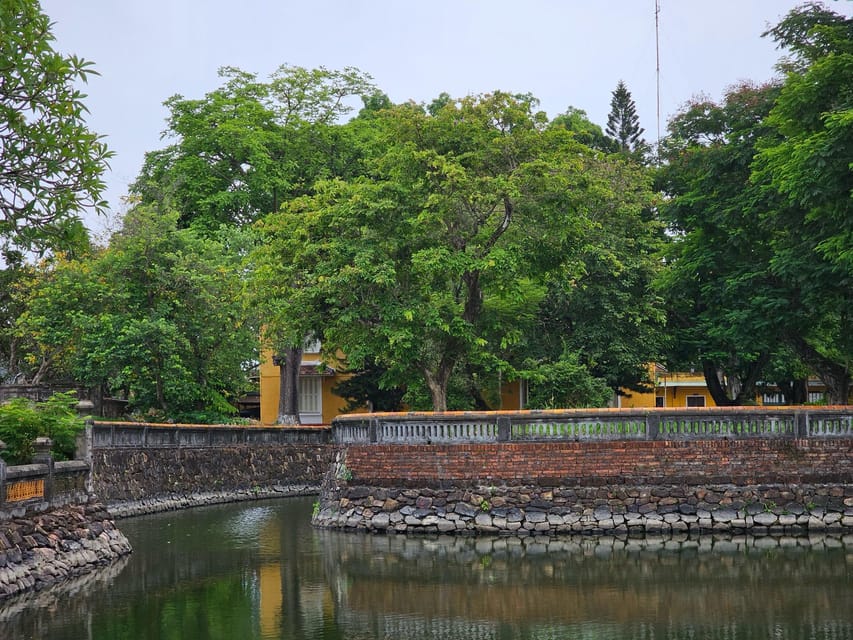
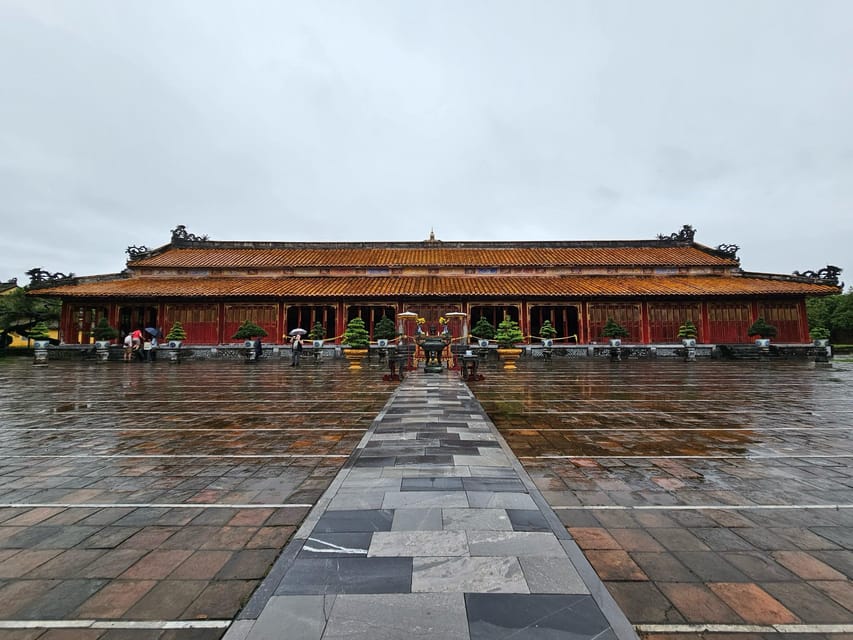
Next comes Thai Hoa Palace, also called the Palace of Harmony. The visit lasts about 30 minutes, making it one of the longer stops on the route.
This is where the guide can explain the public side of Nguyen rule. The building’s name, position, and formal design help show how royal power was presented. Rather than rushing through for a picture, you can ask about the emperors, court customs, and the role of the palace in official life.
The reviews of this experience place strong emphasis on clear storytelling here and throughout the complex. Several guides are praised for explaining the dynasty in a way that connects individual rulers with the larger story of Vietnam. That is useful because a list of emperor names quickly becomes a blur.
Thai Hoa Palace is also a good point to slow down and look at details. Your guide may direct your attention to architectural elements that are easy to overlook when you are focused only on the larger roof and courtyard.
More Castle Walking Tours in the world:
- Edinburgh Castle: Guided Walking Tour with Entry Ticket
★ 4.7 · 11,699 reviews - Prague: 3-Hour Walking Tour of Old Town & Prague Castle
★ 4.7 · 5,696 reviews - Edinburgh Castle: Guided Walking Tour with Entry Ticket
★ 5.0 · 5,540 reviews - Edinburgh Castle Guided Walking Tour in English
★ 5.0 · 5,214 reviews
Hien Lam Pavilion and The Mieu
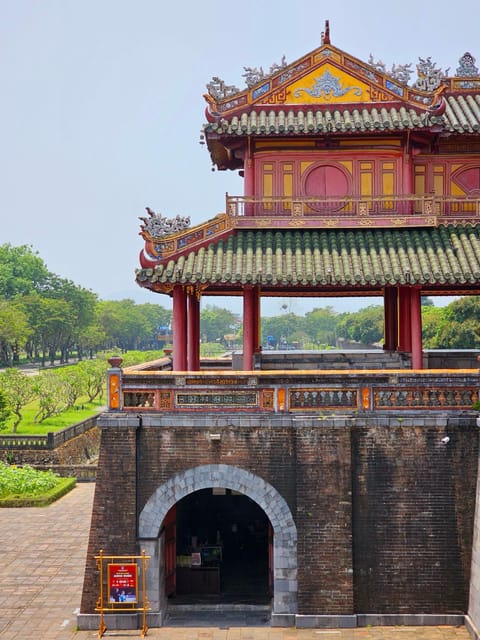
The route continues to Hien Lam Pavilion, with roughly 10 minutes for a guided visit and photos. The pavilion forms part of the ceremonial and memorial area, where architecture and royal memory come together.
From there, the tour visits The Mieu, the temple used to worship the emperors. This is one of the most useful stops for understanding how the dynasty presented its own past. The guide explains why some kings were not allowed to be worshiped inside, a detail that opens the door to questions about succession, reputation, and political judgment.
I would pay close attention here. A temple visit can otherwise seem like another attractive courtyard, but the rules around who received worship reveal how the royal family viewed legitimacy. This is exactly the sort of detail you are unlikely to catch from a quick self-guided walk.
The itinerary also includes another 20-minute photo and guided stop that is not named in the supplied schedule. That means the precise order or structure visited may vary with restoration work, timing, or the guide’s route.
Gates, courtyards, and a useful pause
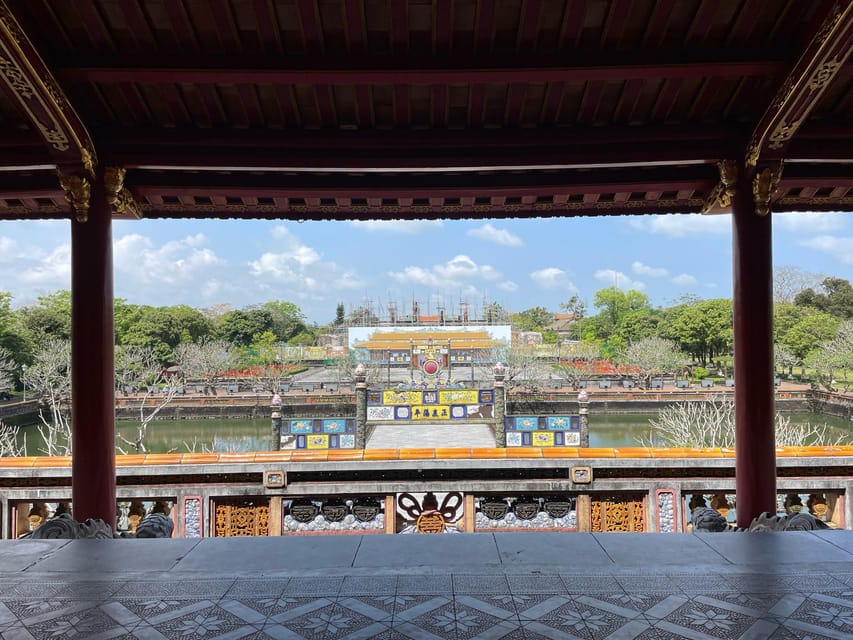
Cua Chuong Duc is another gate on the route, with about 10 minutes for photos and explanation. It adds to the sense that the Imperial City was built as a sequence of controlled entrances, not an open park.
A short 10-minute break follows. Do not treat it as a full meal stop. Food and drinks are not included, so carry water and any snack you need. Hue’s weather can change quickly, and even a relaxed walk becomes tiring if you are thirsty.
The route is generally paced as a stroll rather than a race. Guides such as Hoa, Danny, and Huong have been praised for leaving room for questions and photos. That is important for photographers, older family members, and anyone who wants time to look rather than collect stops.
Kien Trung Palace inside the Forbidden City
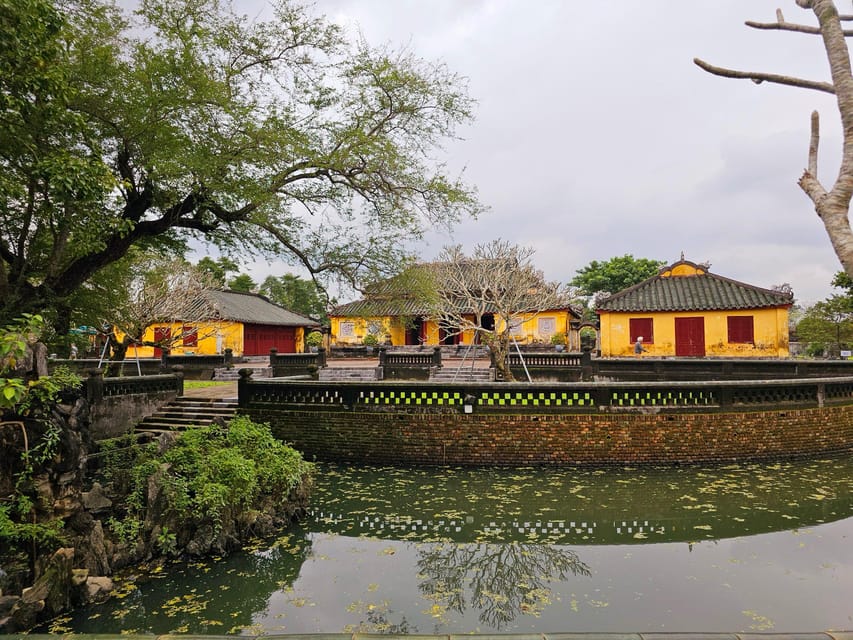
The walk then reaches Kien Trung Palace, one of the central highlights. Allow about 20 minutes for the guided visit and walk.
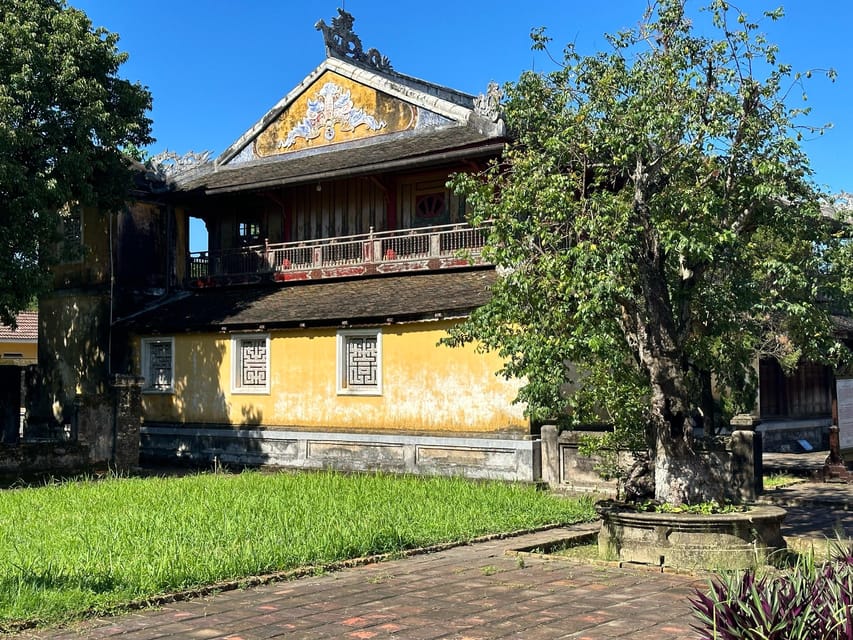
The palace was used as a residence for the king’s family. That gives you a different view of royal life from the formal ceremony of Thai Hoa Palace. Here, the guide can help you picture the Forbidden City as a living royal quarter, not merely a set of monuments.
Kien Trung Palace has also been connected with recent restoration work, and the contrast between restored structures and worn sections is part of the experience. You may find some areas visually complete while others remain fragmentary. Rather than seeing that as a flaw, I think it gives the site a visible timeline, though visitors expecting every building to be intact may be disappointed.
This is a good section for questions. Guides such as Ngoc have been praised for explaining architecture, royal life, and the changes brought by war and restoration. A private tour lets you spend more time here if this is the part that interests you most.
Thai Binh Pavilion and Thieu Phuong Garden
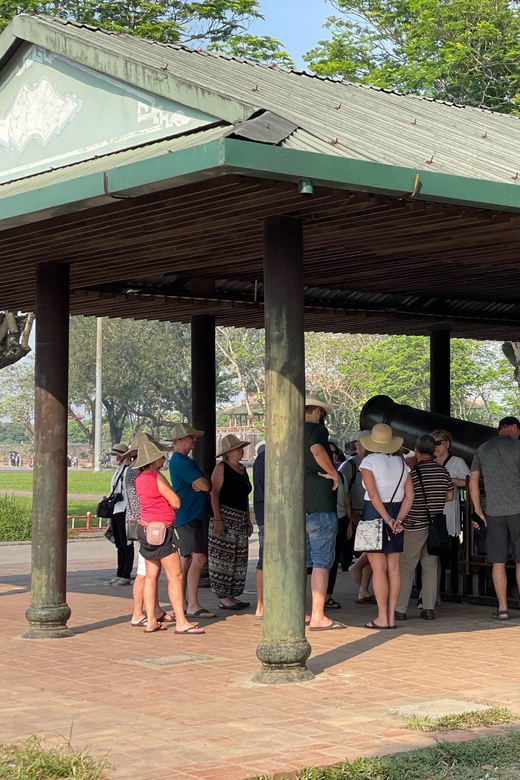
Thai Binh Pavilion receives about 10 minutes of guided attention and walking time. It offers another example of how the court used smaller structures alongside major halls.
The route then continues to Thieu Phuong Garden, with about 20 minutes for sightseeing and a guided walk. The garden provides a change of pace after the gates and palace buildings. It also helps you see that the royal complex was designed for movement through different moods: formal courts, sacred spaces, private areas, and quieter garden settings.
Do not expect a long free period to wander alone. The guide remains central to the visit, and the schedule keeps moving. Still, the garden is a useful place to pause for photos and ask how the royal family used the grounds.
The Royal Theater and final stops
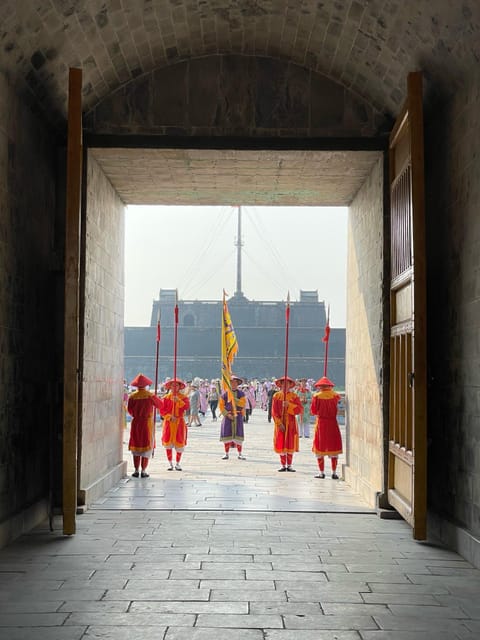
The Duyet Thi Duong Royal Theater is visited for about 10 minutes. This stop adds performance and court culture to the story of the dynasty. It reminds you that the Forbidden City was not only about administration and ritual. Music, theater, ceremony, and leisure also had a place within the royal compound.
The itinerary includes another short photo stop of about five minutes before the tour ends. The exact final location can vary, with drop-off listed at Hue or Cua Hien Nhon.
The walk finishes near the Royal Library and Royal Garden before leaving the Imperial City. These final spaces make a pleasant closing chapter because they shift attention from power and worship toward learning, reading, and private royal surroundings.
What the $11 price really covers
At $11 per person, this is a low-cost way to add a guide to a major Hue sight. The price covers the local guide and walking tour, but not entry tickets, food, or drinks. Check the total cost at booking so you are not comparing this with a ticket-inclusive product by mistake.
The value is strongest if you care about context. You can walk through the complex independently, but the site is large and the meaning of many buildings is not obvious. A good guide can save you from seeing only the most photogenic gates and missing the stories behind the temples, palace rules, and royal residences.
Private or small-group options make the price calculation less simple. A solo visitor may pay more for personal attention, while a couple or family could find the added cost worthwhile. Several departures have ended up as one-person tours, giving the guide time to answer questions and adjust the pace.
The rating is listed as 4.8 from 245 reviews, and the strongest pattern is clear: visitors place the most value on guide quality, English communication, historical explanation, patience, and pacing. Names repeatedly praised include Ngoc, Nhien, Ha, Huong, Hoa, Sue, Xi, Danny, and Florence.
Who should book this walk
I would choose this tour if you are visiting Hue for the first time, want the dynasty explained in plain language, or prefer asking questions as you go. It is also a good fit for photographers who want time to stop, since guides have been willing to wait and suggest useful viewpoints.
Families can benefit from the personal format, especially when children or older relatives need a slower pace. The private option may also help if someone in your group needs information translated or explained more carefully.
You should think twice if you dislike long walks, hot weather, or historic sites with ongoing restoration. The listed duration ranges from 150 to 330 minutes, and the Imperial City is not wheelchair suitable according to the tour information. This is a walking experience over broad grounds, not a short indoor museum visit.
Free cancellation up to 24 hours before the start and reserve-now, pay-later booking make it easier to fit into a changing Vietnam itinerary. Still, the practical basics matter more: wear comfortable shoes, bring water, confirm the cannon meeting point, and save the guide’s WhatsApp contact.
Should you book the Hue Imperial City walking tour?
Yes, if you want the Imperial City to make sense rather than simply look impressive. At $11 before entry tickets, it offers good value for a guided introduction, especially when you receive a guide who can explain the Nguyen Dynasty clearly and adjust the pace.
I would skip it only if you are determined to explore alone, have very limited time, or cannot manage several hours of walking. For most first-time visitors, the combination of Ngo Mon Gate, Thai Hoa Palace, The Mieu, Kien Trung Palace, royal gardens, and the theater gives you a fuller picture of Hue than a quick self-guided circuit.
FAQ
How long does the Hue Imperial City walking tour last?
The stated duration ranges from 150 to 330 minutes, or about two and a half to five and a half hours. Check the available start times and selected option when booking.
What languages are available?
Live guides are available in English and French.
Are entry tickets included?
No. Entry tickets are not included in the listed price. Food and drinks are also excluded.
Where is the meeting point?
The meeting point is at the Four Cannons location. Google Maps may show Nine Holy Cannons, but the tour meets at the site with four cannons near Cua Ngan, not the five-cannon site near Quang Duc Gate.
Is hotel pickup available?
Pickup is optional with selected arrangements. If you choose it, provide your hotel name and WhatsApp number so the driver and guide can contact you.
Is the tour private or shared?
Private and small-group options are available. Some departures may become one-on-one if few people book.
Is the tour suitable for wheelchair users?
No. The experience is not suitable for wheelchair users.
New castle tours around the world
- From Prague: Karlštejn Castle & Koněprusy Caves Tour★ 4.9 · 183 reviews
- Prague: 2.5-Hour Vyšehrad Castle with Gorlice & Tickets★ 4.5 · 118 reviews
- Prague: Alchemy & Mysteries Bridge and Castle Evening Tour★ 5.0 · 8 reviews
- Prague Castle: 1-Hour Introduction Tour with Entry Ticket★ 4.2 · 41 reviews
- Potsdam: The evening Wannsee tour. Castles, parks, and villas.★ 4.7 · 63 reviews
- Prague: Stunning Viewpoints, Castle, City & Park Bike Tour★ 4.6 · 38 reviews
- Prague: River & Park Bike Tour to Troja Chateau★ 5.0 · 8 reviews
- Ljubljana: Postojna cave & Predjama castle small group tour★ 4.9 · 29 reviews
Fortress & Citadel Tours, compared.

Carcassonne: Castle and Ramparts Entry Ticket
Read our review →
Salzburg: Hohensalzburg Fortress Admission Ticket
Read our review →
Salzburg: Best of Mozart Fortress Concert and Dinner
Read our review →
From Cairo Alexandria Catacombs, Citadel Day Trip with Lunch
Read our review →
Hue Customizable Tour with Imperial Citadel & Forbidden City
Read our review →
Desert Safari: Luxury Fortress Dinner, Camel Ride & Dune Bashing
Read our review →
Cairo: Egyptian Museum, Citadel, and Old Cairo Guided Tour
Read our review →
Cairo Citadel, Old Cairo and Khan El Khalili: Private Tour
Read our review →Browse the lists this tour appears in