

Review · ALICANTE
All of Alicante with the Castle, Market, and Tapas. Small group, max 6 people
Alicante makes a strong first impression from the hilltop Santa Bárbara Castle, where you can look over the city, port, and Mediterranean before walking down through the old quarters for food. This tour connects the big sights with the everyday places that give Alicante its character.
I like the small group of no more than six, which leaves room for questions and a more personal pace. I also like the clear food angle: you do not simply walk past the Central Market, you taste local products and finish with a tapa and drink. The main consideration is physical: steep streets, castle walking, heat, and limited suitability for people with mobility impairments.
Key points at a glance

- Santa Bárbara Castle: Enter one of Spain’s best-preserved Renaissance fortresses and take in wide views over Alicante and the coast.
- A food stop with local flavor: Morning tours include the Central Market, while afternoon tours visit local shops and bars.
- A true small-group format: The group is limited to six participants, rather than the larger groups common on city walks.
- Paola’s clear storytelling: Guide Lina Paola Fernández López has been praised for explaining Alicante’s origins and development in an easy way, including for teenagers.
- Historic Alicante in a compact route: See the Explanada de España, Casa Carbonell, old town, Santa María Basilica, and Co-Cathedral of San Nicolás.
- Useful local advice: Your guide can point you toward restaurants, local events, and activities beyond the tour route.
Why this Alicante tour works well in half a day
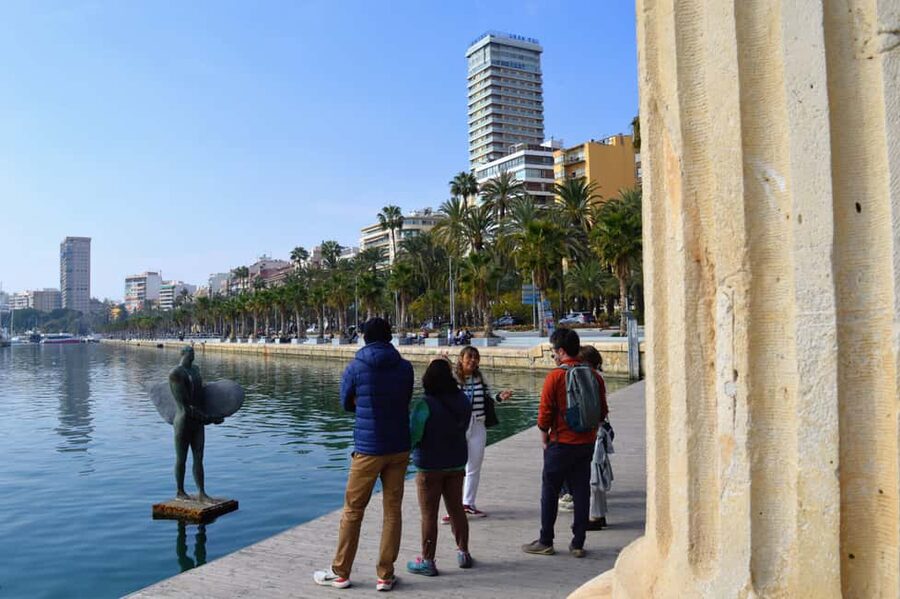
At $102 per person, this is not the cheapest way to stroll around Alicante. You are paying for an official guide, castle entry, a tasting of typical products, a tapa and drink, and a tightly planned 3.5-hour route.
That price makes more sense if you want your sightseeing and food stops handled together. A guide gives the old streets context, while the tasting adds something you cannot get from a photo stop. The six-person limit also matters. You can ask questions without holding up a coach-sized group, and the guide has a better chance to adjust explanations to your interests.
I would see this as a useful introduction rather than a full study of Alicante. You get the city’s main historic markers, a castle visit, and a taste of local food, but each stop is short. The itinerary allows about 10 minutes at several locations, 20 minutes in the Santa Cruz quarter, 45 minutes at the castle, and 30 minutes for the market and food portion.
More market stops below the castle around Spain:
- From Tirana: Kruja Castle, Old Bazaar & Sari Salltik View
★ 4.8 · 2,171 reviews - From Durres/Golem: Kruja Castle & Old Bazaar Day Tour
★ 4.9 · 1,317 reviews - Durres/Golem: Kruja Castle & Bazaar with Traditional Lunch
★ 5.0 · 632 reviews
Meeting your guide at City Hall
The tour starts at the main door of Alicante City Hall in Plaça de l’Ajuntament. Look for a guide carrying a green folder and official accreditation.
That meeting point is practical because it places you near the old center and several early stops. You will not need to find a remote transport office or a hotel lobby. Still, arrive with enough time to locate the main entrance, especially if you do not know the square.
The guide speaks English and Spanish. Some content may be presented in its original language, so you should choose the language that lets you follow historical details and food explanations most comfortably.
Beginning with the Explanada and Casa Carbonell
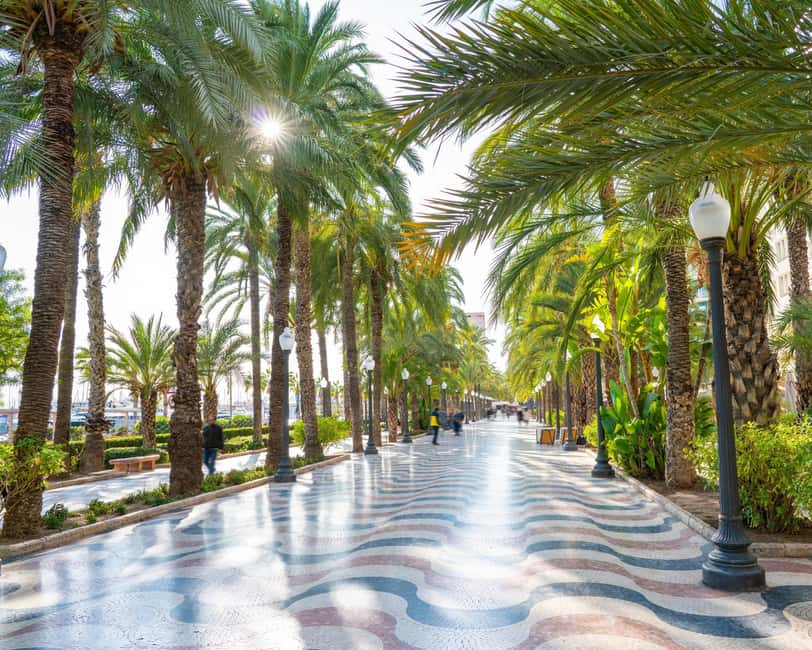
The early route takes you through several of Alicante’s recognizable central spaces. The Explanada de España gets a short visit of about 10 minutes. Its patterned promenade is one of the city’s defining public spaces, and it helps you get your bearings before the route turns toward older streets.
Casa Carbonell also receives about 10 minutes. The building gives the tour a chance to explain Alicante’s early 20th-century urban character and the role of grand commercial and residential architecture in the city center.
You should not expect long interior visits at these first stops. Their value comes from seeing how Alicante’s formal waterfront and central architecture connect with the older neighborhoods that follow.
Squares, streets, and the old center
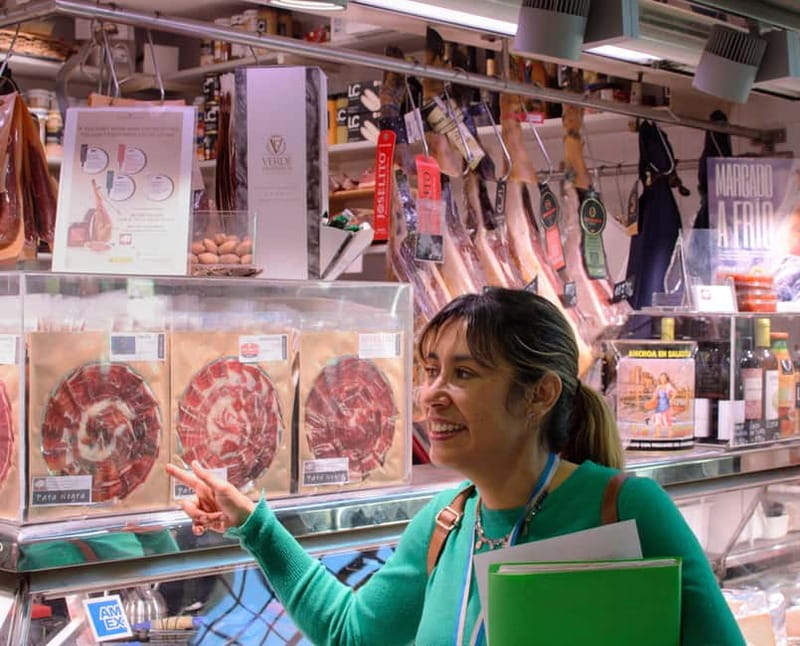
The route continues through plazas and historic streets, including Plaza Gabriel Miró and other central points. These short stops break up the walk and give your guide space to explain local traditions, important events, and the way Alicante developed around its old center.
Plaça de l’Ajuntament is more than a starting point. The area helps frame the city’s civic life, while Portal de Elche offers another urban pause among historic buildings and public spaces. Since the supplied route does not identify every stop by name, expect a guided walk through central Alicante rather than a series of formal museum visits.
This part suits you if you enjoy connecting buildings and streets with stories. If you prefer long, quiet visits inside monuments, the pace may feel brisk. The tour is designed to cover a lot of ground in one morning or afternoon.
More shopping below the ramparts around Spain:
- Kruja castle, the old Bazaar & Sarisalltik- Departure from Tirana
★ 5.0 · 592 reviews - The Egyptian Museum, the Citadel, Khan Khalil Bazaar & Old Cairo
★ 5.0 · 418 reviews - Pisac Indian Market and Ollantaytambo Fortress with Lunch
★ 4.5 · 395 reviews - From Durres/Golem: Kruja Castle, Old Bazaar & Sari Salltik
★ 4.5 · 169 reviews
Santa Cruz, Santa María, and San Nicolás
The Old Town and Santa Cruz quarter receive around 20 minutes. This is one of the more atmospheric sections of the route, with narrow historic streets and a neighborhood feel that differs from the broad central avenues.
The Basilica of Santa María follows with about 12 minutes. It is one of Alicante’s key religious buildings and gives the guide a setting for discussing local architecture and the city’s changing past.
The Co-Cathedral of St. Nicholas of Bari is another important stop, with about 10 minutes assigned to it. You will hear about its architectural features and the stories connected with the building. These short visits are best understood as guided introductions. They help you recognize what you are seeing, but they do not promise an extensive examination of every chapel, artwork, or historical layer.
I like this balance for a first visit. You get more than a postcard view, but you also avoid spending the entire half-day inside one church or monument.
Reaching Santa Bárbara Castle
The castle is the centerpiece. The tour uses the easiest way to reach it, then allows about 45 minutes to explore the fortress.
Santa Bárbara Castle is described as one of Spain’s best-preserved Renaissance fortresses. From its walls, you can look across Alicante, the port, and the Mediterranean. Those views are a major part of the appeal, especially if you want a quick sense of the city’s position and shape.
Your guide also covers conquests, mysteries, legends, and the castle’s role in Alicante’s past. That storytelling gives meaning to the walls and rooms. Without context, a fortress can become a quick photo stop. With a guide, you have a better chance of understanding why the site mattered and how it fits into the city’s story.
The castle section requires comfortable shoes. Even with the easiest access route, you should expect walking over historic surfaces and possible sun exposure. Bring water, sunscreen, a hat, and sunglasses. The itinerary does not present the castle as suitable for people with mobility impairments, so contact the provider before booking if access is a concern.
Morning market or afternoon tapas route
The food portion changes according to the tour time, and this is one of the most important details to check before reserving.
Morning: Central Market
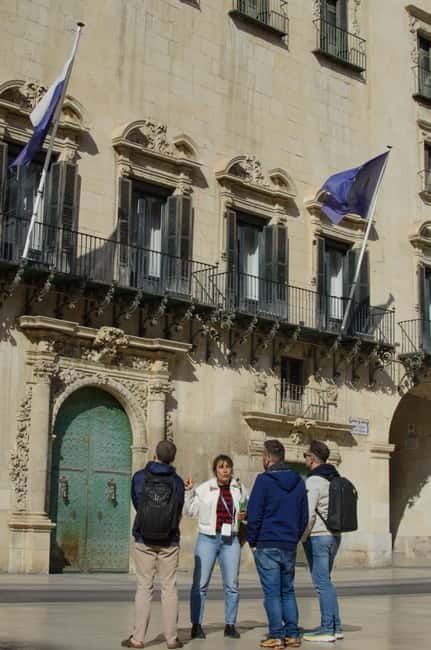
The morning tour visits Alicante’s Central Market for about 30 minutes. You will walk through the aisles and see the products that shape local cooking. Your guide explains typical ingredients and the origins of traditional foods, then you can taste local tapas and drinks.
The tasting includes products such as cured meats, cheeses, nougat, and wines from the region. You also receive a tapa and a drink. This is not a full meal, so plan another lunch if you normally eat early or need something substantial.
The market visit works well after the historic route because it shifts your attention from monuments to daily food culture. You can see how Alicante’s cuisine is represented in ordinary shopping, rather than only in a formal restaurant.
Afternoon: local shops and bars
The afternoon version replaces the market with local shops and bars. You will visit places selected to show a more everyday side of Alicante, then enjoy a drink and tapas.
This option may appeal more if you want a social evening-style walk through the city. The tradeoff is that you will not receive the same Central Market experience or market aisles filled with fresh products. If the market is high on your list, choose the morning departure.
The exact start times vary, so check availability and confirm which food route applies to your booking.
Paola’s guide style and the small group
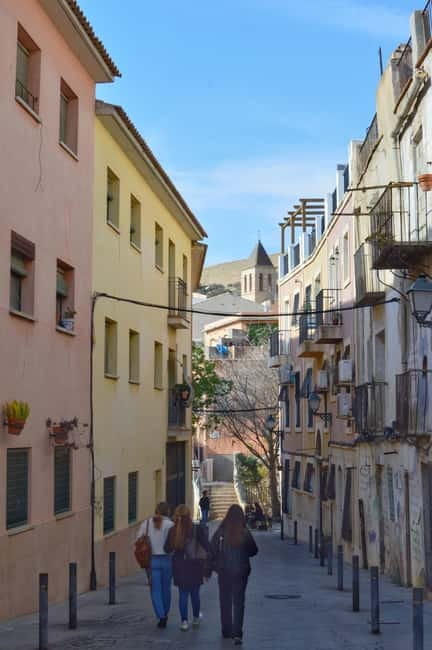
The guide is Lina Paola Fernández López, known in the supplied comments as Paola. The most useful detail about her style is not simply that she explains Alicante, but that she presents the material in a clear, easy way and keeps younger listeners engaged.
That matters on a history-heavy walk. Alicante has names, dates, religious buildings, military stories, and local customs to sort through. A guide who explains the city’s origins and development in plain language can make the route work for families with teenagers as well as adults.
The small group limit is six participants. The highlights section also mentions a limit of eight, but the more specific activity information gives the limit as six. I would plan on the stricter figure. A group this size makes it easier to hear the guide in busy streets and to ask about food, restaurants, or local events.
You also receive suggestions for restaurants, events, and other activities. That advice can be especially useful if Alicante is one stop on a larger Spanish trip and you want help deciding what to do after the tour.
What to wear and what to bring
Alicante can be sunny, and several parts of this route take place outside. Wear comfortable clothes and walking shoes, and bring water, sunscreen, sunglasses, and a sun hat or other hat.
A camera is useful for the castle views and the old streets. Cash is also listed among the recommended items, which is sensible for small purchases at local shops or bars, although the included tasting is part of the tour.
Alcohol and drugs are not allowed, and audio recording is not permitted. Children under five are not considered suitable for this activity. The route is also not suitable for people with mobility impairments.
Is $102 a fair price?
The answer depends on how you normally explore cities. If you prefer to walk independently, buy your own market snacks, and visit the castle on your own, you can spend less. Alicante is easy to explore in pieces, and a self-guided route gives you more control over timing.
The $102 price becomes easier to justify if you value structure and explanation. You receive:
- Entrance to Santa Bárbara Castle
- An official local guide for 3.5 hours
- A tasting of typical products
- One tapa and one drink
- A group limited to six participants
- A route covering major historic areas and local food stops
The tour also saves you the work of arranging the castle, choosing a market stall or bar, and deciding which historic streets to prioritize. I would call it a good value for a first-time visitor who wants a compact introduction, but less attractive for someone who already knows Alicante or wants a slow food crawl.
Free cancellation up to 24 hours before the activity and the option to reserve now and pay later add flexibility. Those terms matter if your Spanish itinerary is still changing.
Who should book this experience?
I would recommend it to a first-time Alicante visitor with only half a day available. It gives you the city’s major visual markers, a castle visit, old-town streets, religious architecture, and local food in one continuous route.
It also suits couples, solo visitors, and families with older children or teenagers who benefit from a guide’s stories. Paola’s clear explanations are particularly useful if you want history presented without academic language.
You may want something else if you have limited walking ability, dislike fixed schedules, or want a long sit-down meal. The tour moves through several areas and keeps each stop fairly short. It is also not designed for children under five.
Final call: book it for a guided first look
Book this tour if you want Alicante explained by a local guide rather than simply photographed. The strongest combination is the small group, castle entry, and food tasting, with Paola’s accessible storytelling adding value for families and curious first-time visitors.
Choose the morning if the Central Market matters most to you. Choose the afternoon if you prefer local shops, bars, a drink, and tapas. At $102, it is a considered purchase, but the package makes sense when you want a well-planned introduction and useful local advice in just 3.5 hours.
FAQ
How long does the Alicante tour last?
The tour lasts 3.5 hours.
What is the tour price?
The listed price is $102 per person.
Where does the tour meet?
You meet at the main door of Alicante City Hall in Plaça de l’Ajuntament.
How will I recognize the guide?
The guide will be carrying a green folder and official accreditation.
What languages are available?
The live tour is available in English and Spanish.
How large is the group?
The activity information gives a maximum of six participants.
Is Santa Bárbara Castle entry included?
Yes, entrance to the castle is included.
Is food included?
Yes. The tour includes a tasting of typical products, one tapa, and one drink.
Does every tour visit the Central Market?
No. The morning tour visits the Central Market. The afternoon tour replaces it with local shops and bars.
What should I bring?
Bring comfortable shoes, comfortable clothing, water, sunscreen, sunglasses, a hat, a camera, and cash.
Can children join the tour?
Children under five are not considered suitable for the activity.
Is the tour suitable for people with mobility impairments?
No. The activity is listed as unsuitable for people with mobility impairments.
Can I cancel for a full refund?
You can cancel up to 24 hours in advance for a full refund.
Can I reserve now and pay later?
Yes. The activity allows you to reserve your place and pay later.
New castle tours around Spain
- Ponferrada: City & Castle of the Templars Tour★ 4.5 · 12 reviews
- Ponferrada: Castle of the Templars Entry and Guided Tour★ 4.7 · 52 reviews
- Peñiscola: Castle & Walled City Spanish Guided Tour★ 4.7 · 113 reviews
- Peníscola Tour Castle Tickets & Game of Thrones locations★ 4.1 · 6 reviews
- Córdoba: Mosque and Alcazar Private Tour with tickets★ 5.0 · 5 reviews
- Medieval Route in Navarre: Olite, Ujué, Javier Castle, and Monastery of Leire★ 4.8 · 6 reviews
- Madrid Trip: Segovia, Toledo, Alcazar Discovery★ 5.0 · 2 reviews
- Malaga Walking Tour with Gibralfaro Castle & Alcazaba Visits★ 5.0 · 3 reviews
Alicante Castle Tours, compared.
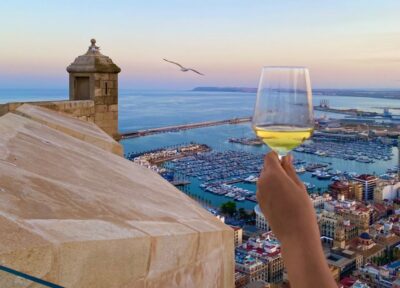
Alicante: Santa Bárbara Castle Wine Tasting & Tapas
Read our review →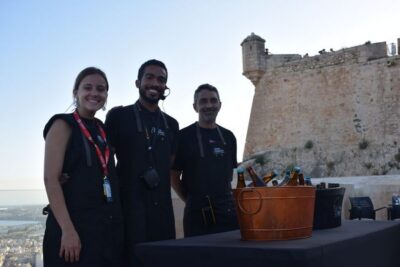
Alicante: Craft Beer Tasting at Santa Barbara Castle
Read our review →

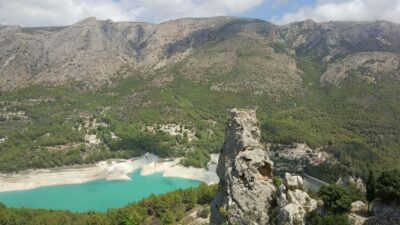
Alicante, Santa Pola, Benidorm: Castle & Village Guadalest
Read our review →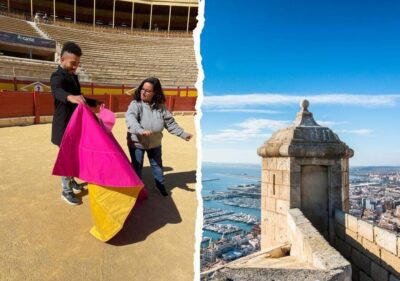
Alicante: Bullring and Castle Guided Tour with Taxi Transfer
Read our review →
Alicante:Beatiful Castle of Mola+tasting of local wine
Read our review →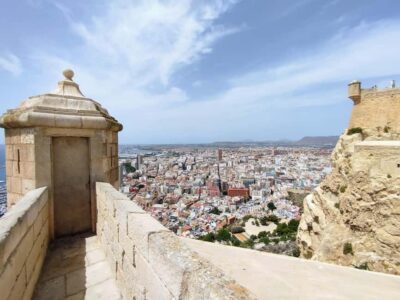
Alicante: Santa Bárbara Castle & Local Traditions Tour 3H
Read our review →Browse the lists this tour appears in