
Review · SEOUL
From Seoul: Suwon Hwaseong Fortress Tour
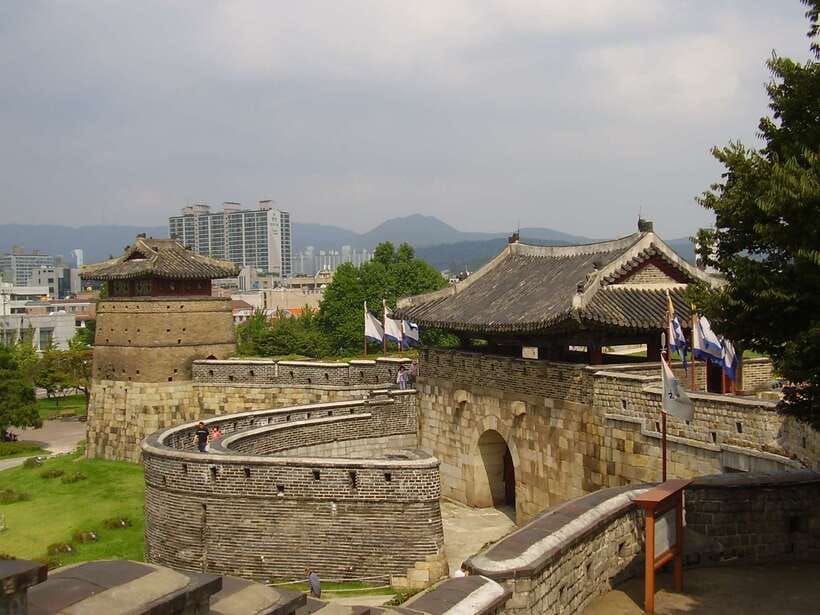
Hwaseong Fortress is not just a pile of old walls outside Seoul. It is a carefully planned Joseon-era defense system, wrapped around part of Suwon and still connected to the city’s daily life. This tour makes the place easier to understand, especially when a guide such as Leo, Shin, or Stella explains why King Jeongjo built it and how the fortress worked.
I like the choice between a shorter visit to the fortress and palace or a full day that adds the Korean Folk Village. I also like the comfortable transport and the guides’ habit of adjusting the pace, finding photo spots, and explaining cultural details in plain English. The main drawback is value: the half-day tour can feel expensive if you only see the fortress and palace, particularly since one visitor felt the walking portion was too limited.
Key points to know before booking
- Two tour lengths: Choose roughly four hours for Suwon Hwaseong and Hwaseong Haenggung, or up to eight hours with the Korean Folk Village or, depending on the selected option, Dae Jang Geum Park.
- A guide gives the walls a purpose: The fortress is far more interesting when you understand its gates, lookout points, military design, and connection to King Jeongjo.
- The palace adds royal context: Hwaseong Haenggung was a temporary residence for Joseon kings when they stayed outside Seoul.
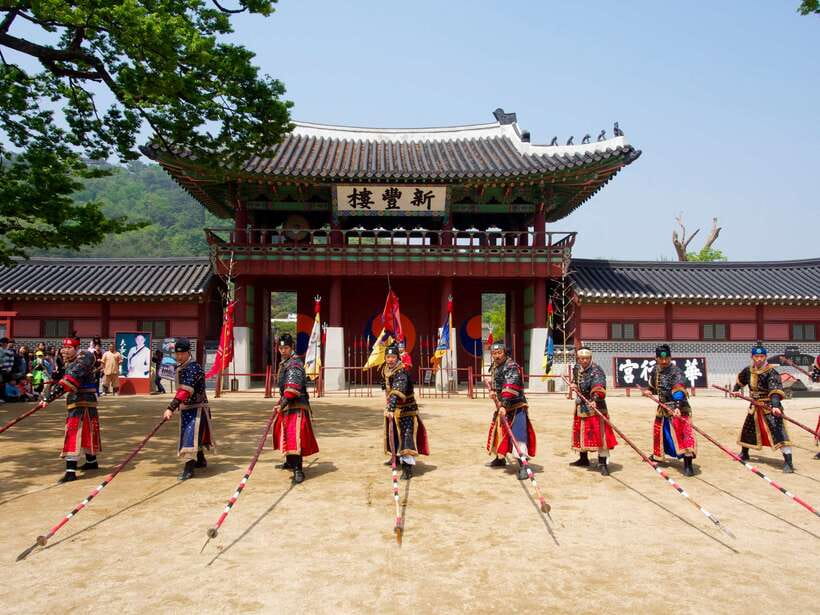
- Performances are seasonal: The Folk Village may offer nongak music, horseback martial arts, traditional weddings, and other events, but no single performance is guaranteed.
- Transport is a strong part of the deal: Air-conditioned buses or minivans take the strain out of reaching Suwon, and 98 percent of transport ratings are perfect.
- Expect walking and stairs: Comfortable shoes matter, and the tour is not suitable for wheelchair users.
Why Suwon Hwaseong makes a worthwhile day outside Seoul
Suwon is close enough to visit from Seoul without giving up a full day to transport. The trip moves you from the capital’s modern streets to a Joseon-era fortress, a palace used by royalty, and, on the longer option, a recreated village showing older customs.
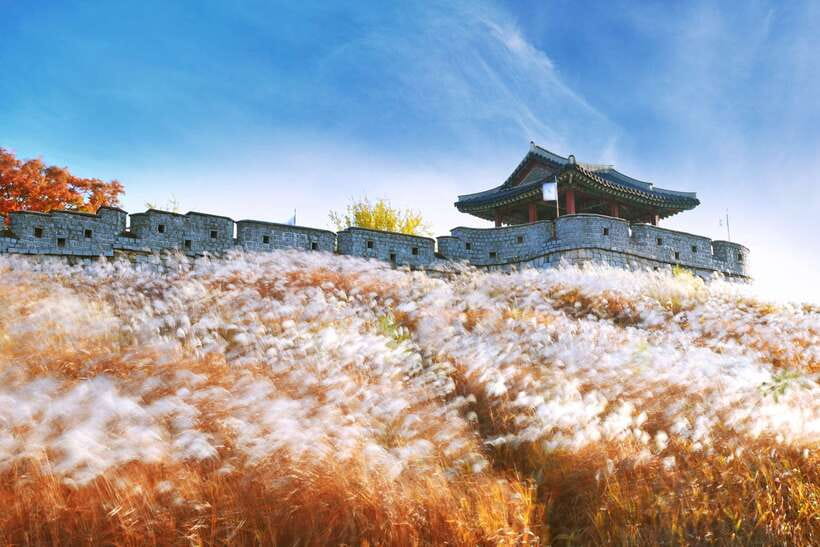
The fortress dates from the late 18th century, when King Jeongjo of the Joseon Dynasty ordered its construction as a defensive stronghold. Its UNESCO World Heritage status is deserved, but the label alone does not tell you much. The useful part of this tour is having someone point out how the walls, gates, towers, and openings worked together.
I especially like this for first-time visitors who want Korean history explained through buildings rather than through a museum display. The guide can connect military planning with royal politics, religious ideas, daily life, and the king’s plans for Suwon. Shin, for example, was praised for explaining how culture and religion shaped ordinary life, while Leo was repeatedly singled out for clear storytelling and careful route planning.
The setting also gives you something Seoul’s palace district cannot: a sense of a fortified city rather than a single royal compound. You are not simply looking at painted roofs and courtyards. You are walking along a defensive structure built to protect a royal center and support the king’s movement outside the capital.
More fortresses and citadels around the world:
- Carcassonne: Castle and Ramparts Entry Ticket
★ 4.6 · 2,884 reviews - Salzburg: Hohensalzburg Fortress Admission Ticket
★ 4.6 · 2,236 reviews - Salzburg: Best of Mozart Fortress Concert and Dinner
★ 4.5 · 1,424 reviews
The journey from Myeongdong to the fortress
The standard meeting point is outside Exit 10 of Myeongdong Station. That is convenient if you are staying around Myeongdong, but it is not the same as hotel pickup. Optional pickup is available from centrally located hotels in areas such as Gangnam, Myeongdong, Gwanghwamun, Itaewon, and Dongdaemun.
If your hotel or guesthouse is hard for a vehicle to reach, you may be asked to meet at a nearby central hotel or subway station. Check this before booking, and allow a little time to find the exact meeting spot. One visitor noted that the Myeongdong meeting point was about a 20-minute walk from the hotel, so proximity to the district does not always mean door-to-door service.
The ride is in an air-conditioned bus or minivan. That matters in Seoul’s hot summer months and on cold winter mornings. Several guides and drivers have been praised for keeping the trip comfortable, arriving on time, and helping the group make good use of the day.
Group size can vary, and a private group option is available. A smaller group gives you more room to ask questions and makes it easier for the guide to adjust the walking route. On one especially quiet winter departure, a group had three guides to itself. That will not be the norm, but it shows how flexible the experience can feel on a light departure.
Walking the UNESCO-listed Hwaseong Fortress
The fortress is the main event. Its walls are imposing, but the most useful question is not how old they look. It is how the entire system was designed to work.
Your guide can explain the defensive purpose of the walls and the way the fortress supported the Joseon court. You will see architectural features connected with surveillance, troop movement, and protection. The walk also gives you changing views across Suwon, with the old defensive line meeting a living modern city.
Do not expect to walk every section of the wall on every departure. The amount of walking depends on the group’s pace, weather, timing, and the route chosen by the guide. One visitor wanted more time on the wall but understood that the mixed group’s pace limited the walk. Another group used the small tourist train for part of the route during intense summer heat, then walked around nearby sights.
That flexibility is useful, but it also creates the tour’s biggest possible weakness. If you have come specifically to complete a long wall walk, tell the guide early. If you prefer a balanced visit with more explanation and less exertion, the adjustable route may suit you better.
Wear shoes with a firm sole. The tour information specifically recommends comfortable footwear, and the fortress visit includes outdoor walking. Carry water in warm weather, particularly if you choose the full-day option. The guide may help pace the group, as Shin did for one party visiting in extreme heat, but sensible clothing remains your responsibility.
The fortress also works well for families. Leo kept a 14-year-old engaged through storytelling, and several guides have helped groups take photographs along the route. Children who find formal palace rooms dull may respond better to walls, gates, lookout points, and stories about military life.
Hwaseong Haenggung Palace and the Joseon court
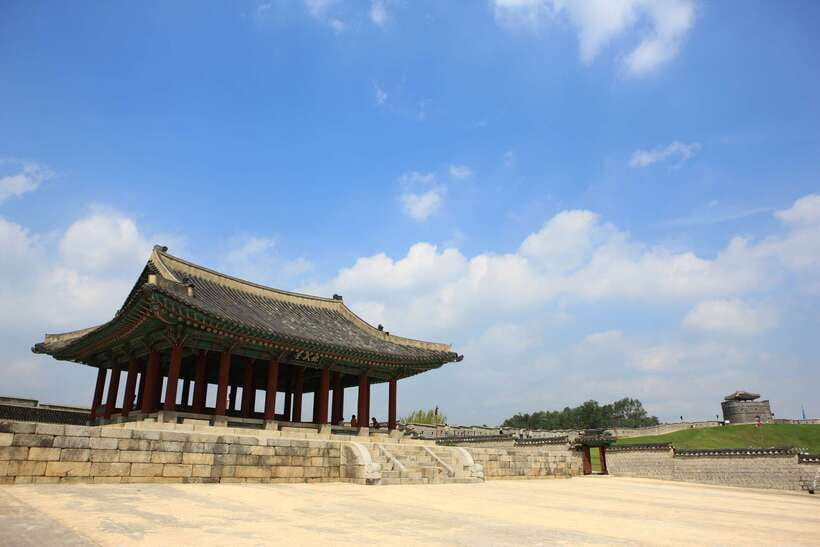
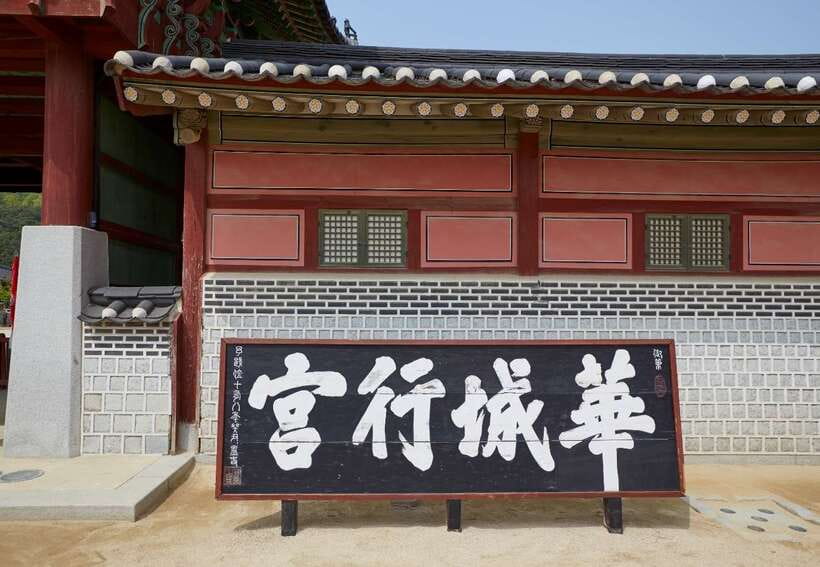
After the fortress, the tour continues to Hwaseong Haenggung, a fortified palace complex inside Suwon. Joseon kings used it as a temporary residence when they traveled outside the capital, so it offers a different view of royal life from Seoul’s main palaces.
The palace is not simply an extra stop to fill time. It explains why the fortress existed in the first place. A king needed a secure residence and working court when away from Seoul, and the surrounding defenses gave that royal presence protection.
Your guide can point out traditional architecture and explain the palace’s role during the Joseon period. This is where a good guide makes a real difference. The courtyards and buildings are attractive on their own, but details about court travel, royal routine, and the events linked to the complex give the visit shape.
Orota was praised for bringing the palace to life with clear explanations and positive energy. Mrs. Park was also praised for combining historical detail with a friendly manner. These comments fit the experience well: the palace is most rewarding when you can ask questions rather than simply walk through it alone.
The palace has also hosted martial arts displays. A performance may be an unexpected highlight, but you should treat it as a bonus rather than a promise. Several departures included martial arts or dance, while another visit did not include the horseback martial arts show because it was not scheduled that day.
More castles to explore around the world:
- Stonehenge, Windsor Castle, and Bath from London
★ 4.5 · 18,662 reviews - Bucharest: Dracula’s Castle, Peles Castle, & Brasov Old Town
★ 4.5 · 17,858 reviews - From Munich: Neuschwanstein & Linderhof Castle Full-Day Trip
★ 4.6 · 14,646 reviews - Edinburgh Castle: Guided Walking Tour with Entry Ticket
★ 4.7 · 11,699 reviews
The full-day choice: Korean Folk Village in Yongin
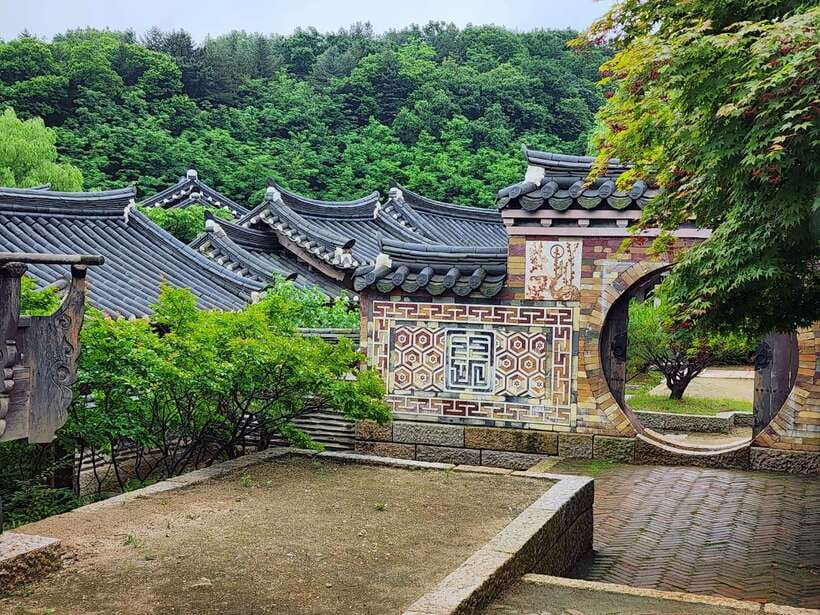
The full-day version continues after lunch to Korean Folk Village in Yongin. Lunch is not included, so you pay for your own meal. The schedule gives you a chance to stop and eat, and one guide was praised for choosing a good lunch location, but the exact restaurant and menu are not specified in advance.
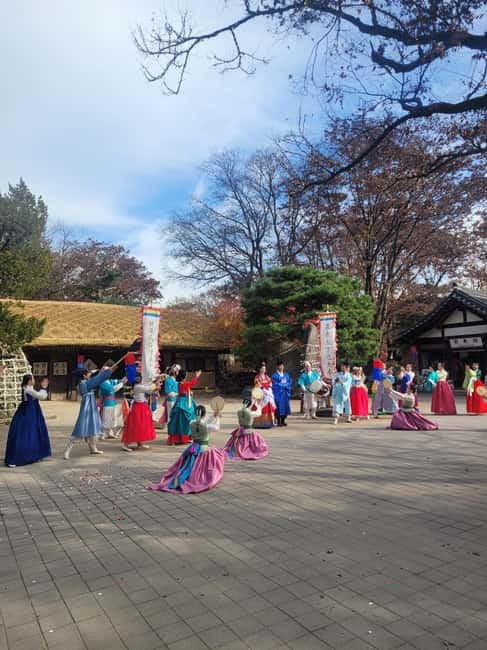
The Folk Village presents traditional culture from the late Joseon period. It recreates older homes and customs through restored or reconstructed Joseon-style buildings, cultural classes, seasonal traditions, shaman beliefs, and live performances.
I see this as a useful second act after the fortress. Suwon explains royal power and defense. The Folk Village shifts the focus to homes, work, ceremonies, music, and community life. You get a broader picture of the society behind the palace walls.
Performances can include:
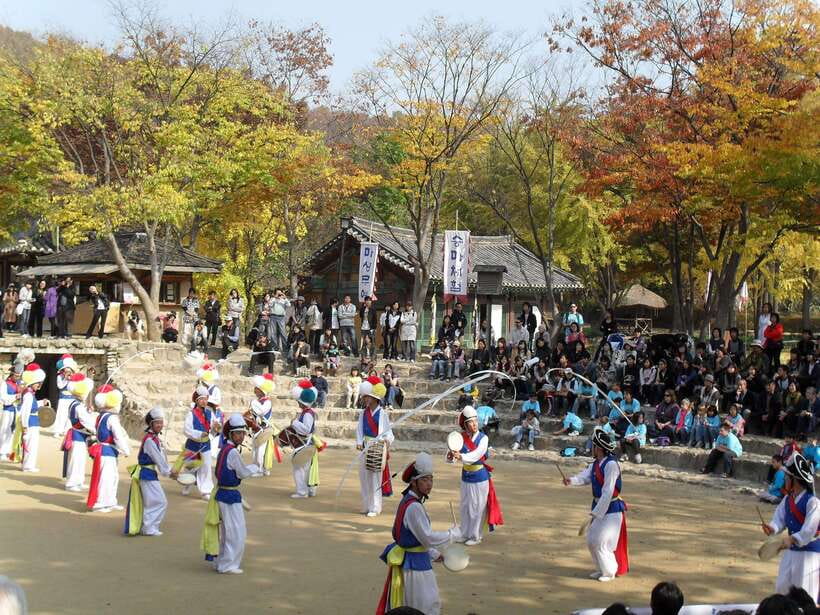
- Nongak, or farmer’s music
- Martial arts on horseback
- Traditional wedding ceremonies
- Seasonal events and other special programs
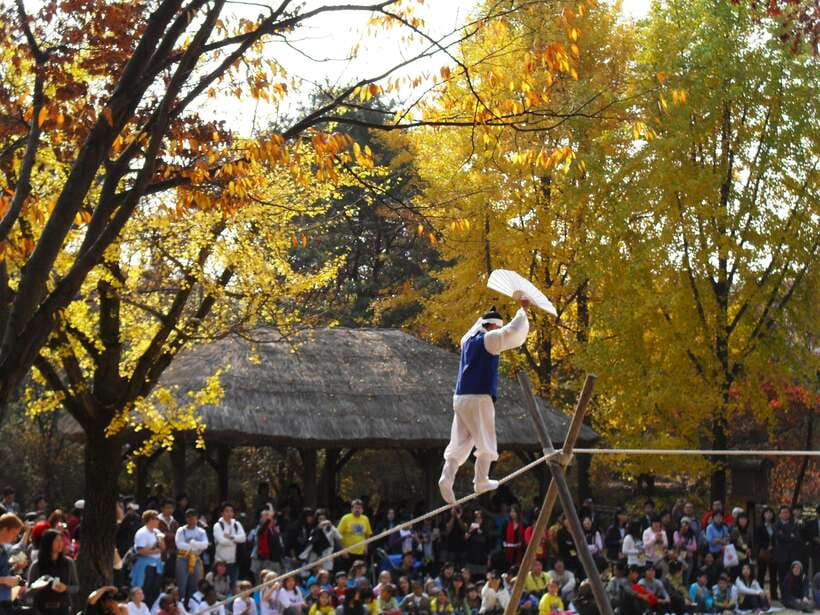
The schedule changes, so you may see music or dancing without seeing every advertised activity. One departure included an excellent musical performance but no horseback martial arts. Another included both martial arts and traditional dances, which made the afternoon especially memorable.
The village is also a good choice if you want photographs and cultural demonstrations rather than another set of formal buildings. Stella was praised for explaining displays with personal familiarity, including memories of seeing some of the practices in her youth. That kind of connection can make a recreated scene feel less abstract.
Still, the Folk Village is not an untouched historic town. It is an open-air museum designed to show older Korean life. That is its strength and its limitation. You get access to many forms of architecture and performance in one place, but the presentation is arranged for visitors.
The full-day route takes up to eight hours, so it suits you if you want a packed cultural day and do not mind staying with a group for most of the day. If you want a slower schedule or plan to explore Seoul in the afternoon, choose the half-day option.
Guides, transport, and the value of personal attention
The strongest part of this experience is the human element. Guides including Leo, Shin, Stella, Sophie, Rachel, Thomas, Henry, and Orota have been praised for clear explanations, patience, good English, and a friendly manner.
That does not mean every guide will give the same presentation. It does mean the tour company has a pattern of using guides who do more than point at buildings. Some answer a long stream of questions, some suggest other places to visit, and some take group photos. Leo was particularly praised for learning everyone’s names, planning the route carefully, and finding K-drama filming locations.
Drivers also receive frequent praise. The air-conditioned vehicle is comfortable, and smooth timing matters when you are fitting Suwon into a Seoul trip. On a full-day tour, a reliable driver helps keep the fortress, palace, lunch, and Folk Village connected without making you manage transfers yourself.
The $52 price is reasonable for the full-day version because admission fees, guiding, transport, and Seoul drop-off are included. You still pay for lunch, but the package removes the need to arrange separate transport to Suwon and Yongin.
The calculation is less favorable for the half-day version. One visitor felt the price was too high when the tour covered only the fortress and palace. I would book the shorter option for convenience, clear historical context, and comfortable transport, not because it is the cheapest way to see Suwon.
You finish near Myeongdong Station, which is useful for dinner, shopping, or continuing your Seoul plans. The drop-off is in the Myeongdong area rather than necessarily at your hotel.
Who should choose the half-day or full-day tour?
Choose the half-day tour if you want a manageable escape from central Seoul. It works well for couples, families, and anyone who wants to see Suwon without surrendering the entire day. It also leaves time for other Seoul plans.
Choose the full-day tour if Korean culture is a central reason for your trip. The Folk Village adds music, ceremonies, traditional homes, and seasonal displays that the fortress cannot provide. It gives you more variety, but the day is longer and lunch costs extra.
This is not the best fit if you want total independence, a long uninterrupted wall hike, or a wheelchair-accessible route. The experience is not suitable for wheelchair users, and the route may be adjusted to suit the group.
English and Japanese tours are available. A private group option is useful if your party wants to control the pace, ask many questions, or focus on photography. If you are booking a shared departure, tell the guide at the beginning whether you are especially interested in the wall walk, palace architecture, performances, or K-drama locations.
Free cancellation is available up to 24 hours before the start, and you can reserve now and pay later. Those terms are useful if your Seoul schedule is still moving around, but they should not replace checking the actual start time and pickup instructions before you set out.
Should you book this Suwon tour?
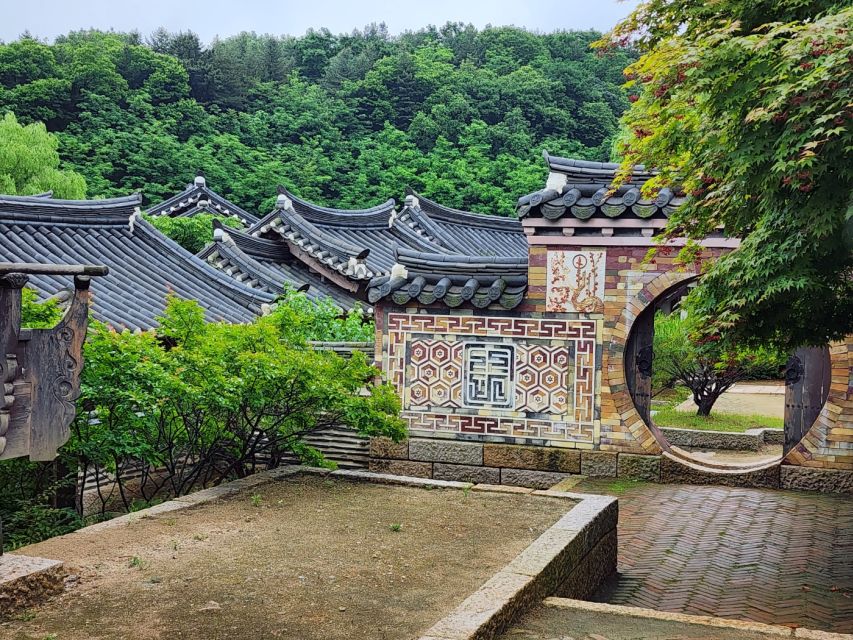
I would book it if you want Suwon explained rather than simply visited. The fortress and palace are easy to appreciate visually, but the guide’s stories connect them to Joseon politics, royal travel, military planning, religion, and everyday culture.
For the best value, choose the full-day option if you have the time. The Folk Village adds enough variety to justify the longer outing, though you should accept that performances depend on the season. Choose the half-day option when time matters more than price.
Book this tour if comfortable transport, a helpful guide, and an organized route are worth paying for. Skip it if you prefer to set your own pace, want to walk the entire fortress wall, or are looking for a low-cost independent outing.
FAQ
Where does the tour meet in Seoul?
The standard meeting point is outside Exit 10 of Myeongdong Station. Optional pickup is available from centrally located hotels in areas including Gangnam, Myeongdong, Gwanghwamun, Itaewon, and Dongdaemun.
How long does the tour last?
The available duration is about four to eight hours. The half-day option focuses on Suwon Hwaseong Fortress and Hwaseong Haenggung Palace. The full-day option adds the Korean Folk Village or, depending on the selected tour, Dae Jang Geum Park.
Is lunch included?
No. Lunch and drinks are not included, and the full-day schedule provides time for a meal at your own expense.
What languages are available?
The live tour guide is available in English or Japanese.
Are performances at the Korean Folk Village guaranteed?
No. Seasonal programs may include nongak music, horseback martial arts, traditional weddings, and other events, but the exact performances depend on the day and season.
Is the tour suitable for wheelchair users?
No. The experience is not suitable for wheelchair users. Comfortable shoes are recommended because the visit includes outdoor walking around the fortress.
New castle tours around the world
- From Prague: Karlštejn Castle & Koněprusy Caves Tour★ 4.9 · 183 reviews
- Prague: 2.5-Hour Vyšehrad Castle with Gorlice & Tickets★ 4.5 · 118 reviews
- Prague: Alchemy & Mysteries Bridge and Castle Evening Tour★ 5.0 · 8 reviews
- Prague Castle: 1-Hour Introduction Tour with Entry Ticket★ 4.2 · 41 reviews
- Potsdam: The evening Wannsee tour. Castles, parks, and villas.★ 4.7 · 63 reviews
- Prague: Stunning Viewpoints, Castle, City & Park Bike Tour★ 4.6 · 38 reviews
- Prague: River & Park Bike Tour to Troja Chateau★ 5.0 · 8 reviews
- Ljubljana: Postojna cave & Predjama castle small group tour★ 4.9 · 29 reviews
Fortress & Citadel Tours, compared.
Carcassonne: Castle and Ramparts Entry Ticket
Read our review →
Salzburg: Hohensalzburg Fortress Admission Ticket
Read our review →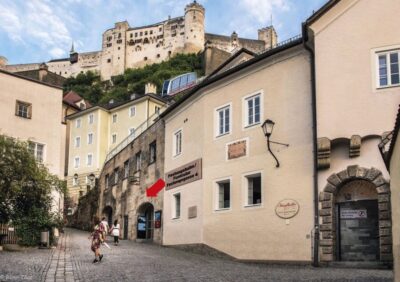
Salzburg: Best of Mozart Fortress Concert and Dinner
Read our review →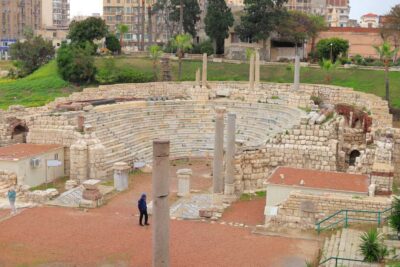
From Cairo Alexandria Catacombs, Citadel Day Trip with Lunch
Read our review →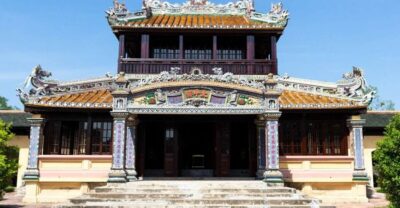
Hue Customizable Tour with Imperial Citadel & Forbidden City
Read our review →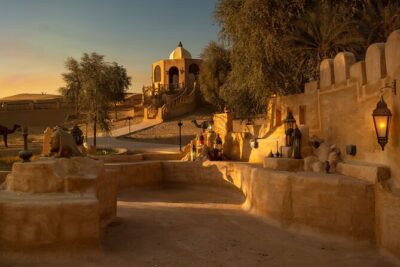
Desert Safari: Luxury Fortress Dinner, Camel Ride & Dune Bashing
Read our review →
Cairo: Egyptian Museum, Citadel, and Old Cairo Guided Tour
Read our review →
Cairo Citadel, Old Cairo and Khan El Khalili: Private Tour
Read our review →Browse the lists this tour appears in